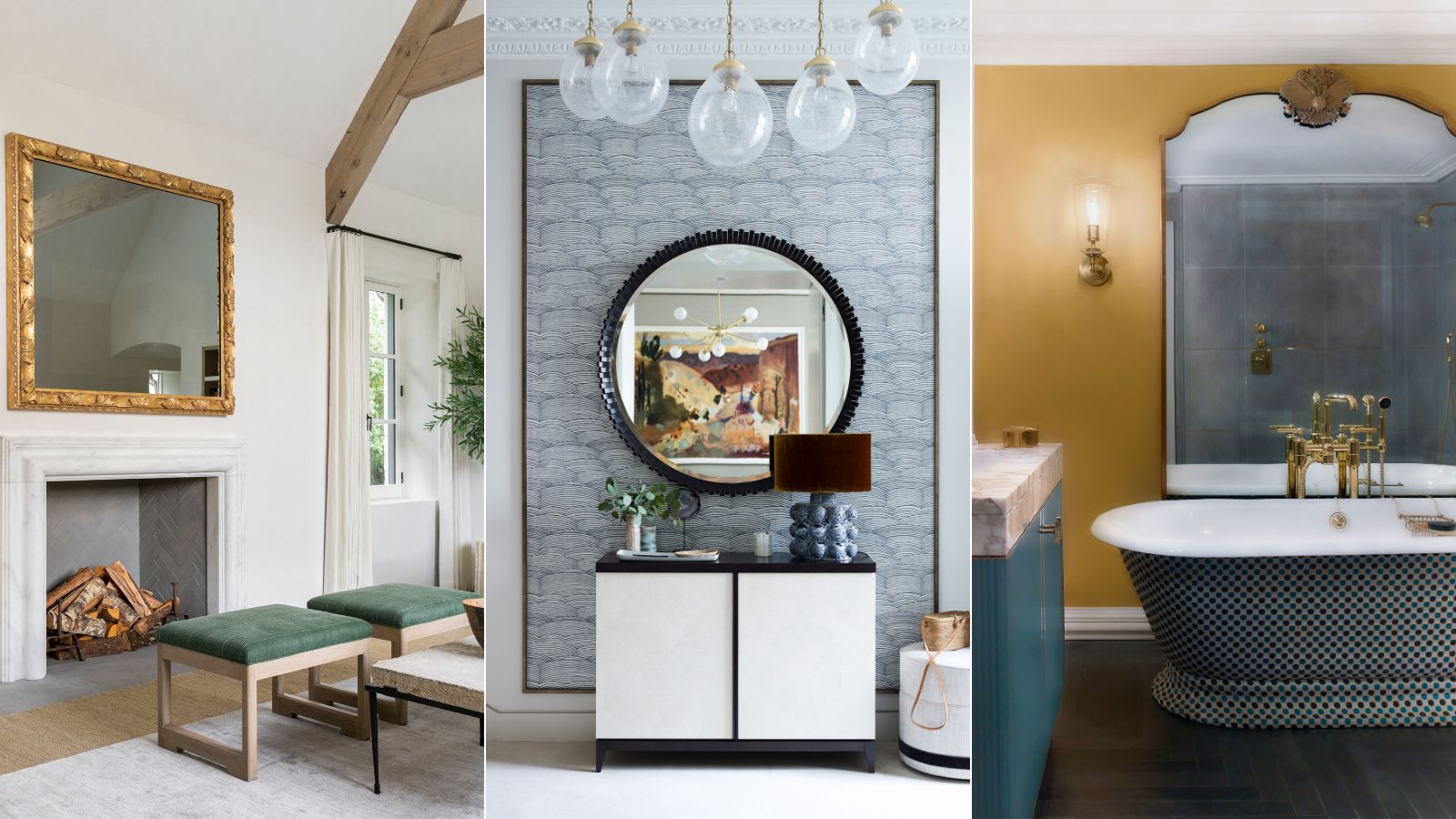
Mirrors create depth and reflect light to instantly make small rooms feel larger.
I’ve spent years helping homeowners and renters transform tight spaces into calm, roomy places using mirrors and smart design. In this guide I’ll explain exactly how to make small rooms look bigger with mirrors, from where to place them to what kinds to choose, common mistakes, and hands-on tips I’ve learned on real projects. Read on to get clear, usable steps you can try this weekend.
Why mirrors work to open up space
Mirrors trick the eye by reflecting light and views. When you reflect a window or a bright wall, the room appears deeper. Mirrors also create a sense of balance. A well-placed mirror can mimic a second window or make a hallway feel twice as long.
How to Make Small Rooms Look Bigger with Mirrors works on three simple principles:
- Light reflection increases perceived brightness. Bright rooms feel bigger.
- Visual doubling creates depth and extends sightlines.
- Symmetry and balance reduce visual clutter, making a space feel calmer and more open.
On projects, I often start by choosing one main mirror to act as the room’s anchor. This focused choice gives immediate impact without crowding the space.
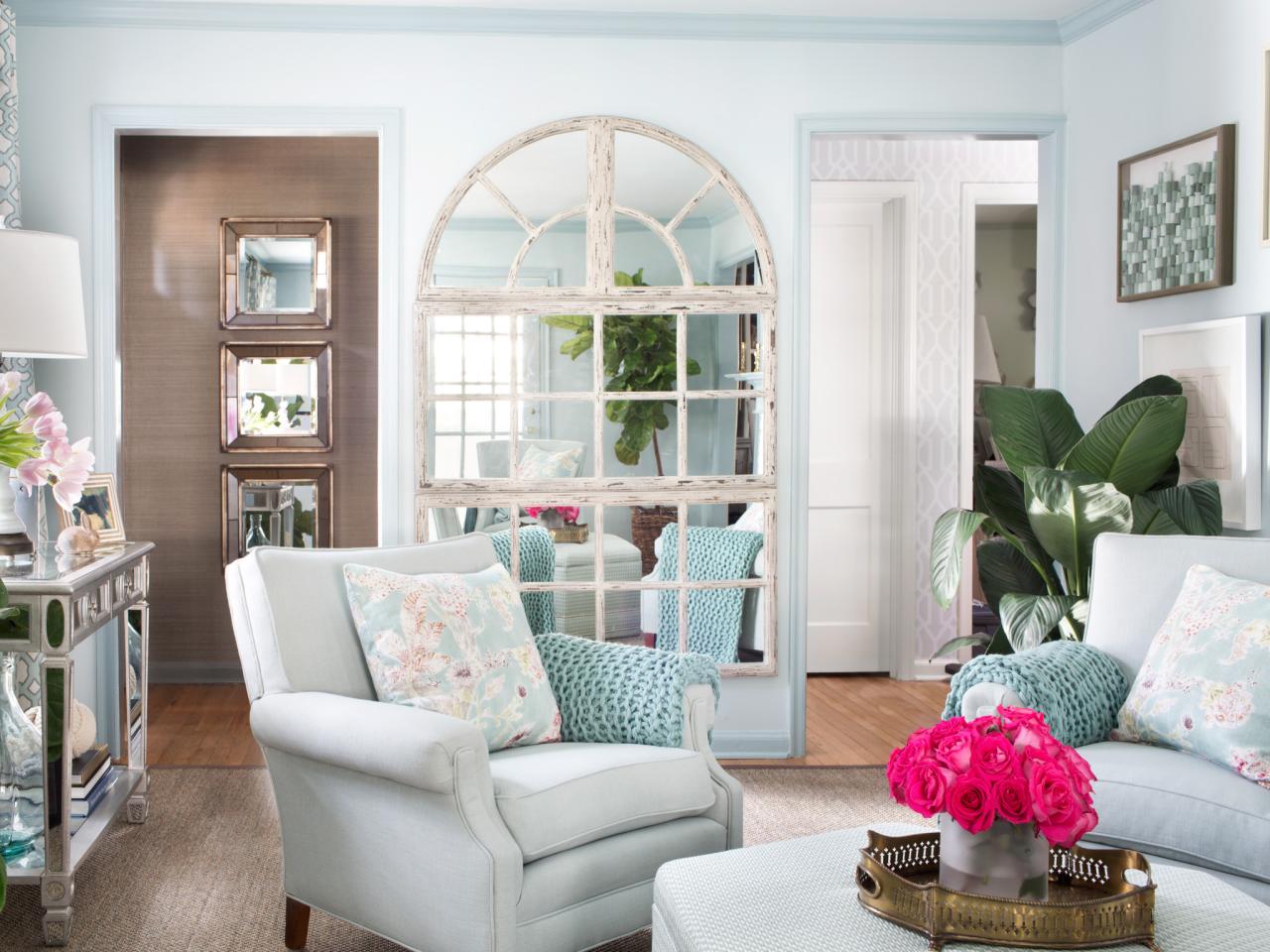
Best mirror placement strategies
Correct placement is more important than mirror size. Try these strategies to maximize effect.
- Place a mirror opposite a window to double natural light and view. This is a quick win for how to make small rooms look bigger with mirrors.
- Mount mirrors across from doorways or hallways to extend sightlines visually.
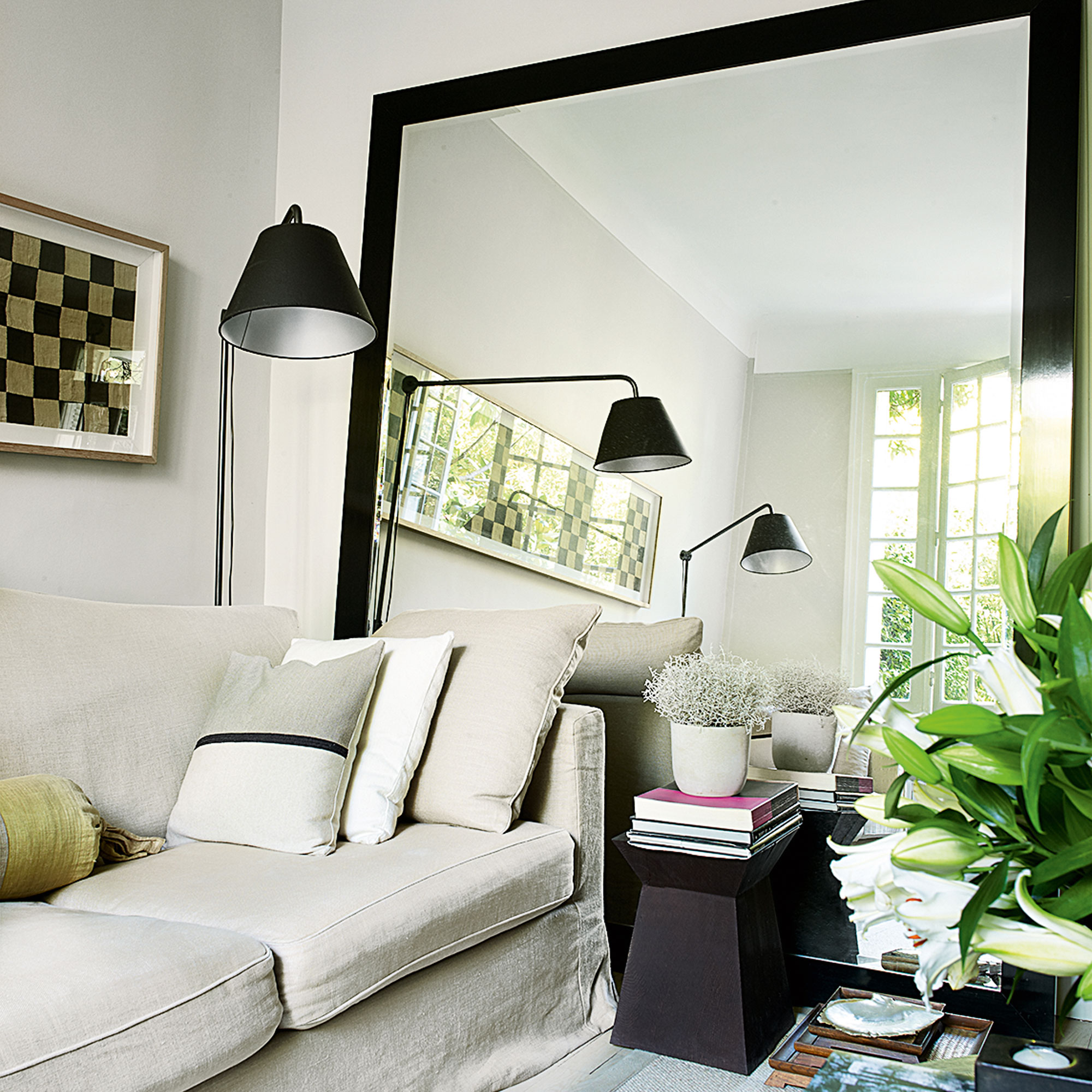
- Lean a tall mirror against a wall to create vertical height and a casual feel.
- Use mirrored panels on one wall to create a continuous reflective plane, especially in narrow rooms.
- Position mirrors to reflect a focal point, such as art or a plant, not clutter or messy areas.
I once transformed a small living room by hanging a wide mirror opposite a garden window. The room suddenly felt open and calm, even with the same furniture.
Types of mirrors that maximize space
Not all mirrors give the same result. Choose the right kind for your goal.
- Large wall mirrors provide the biggest single impact for how to make small rooms look bigger with mirrors. They create broad depth.
- Full-length floor mirrors boost ceiling height and add a decorative element.
- Mirrored tiles or panels work well in dining areas or on accent walls for a seamless look.
- Mirrored furniture, like a buffet or console, reflects light while serving a function.
- Round mirrors soften corners and work well above small tables or consoles.
- Rectangular mirrors emphasize width or height, depending on orientation.
In a tiny bedroom I used a tall narrow mirror to emphasize height, then added a small round mirror above the dresser for balance. The two mirrors worked together to open space without feeling overdone.

Styling tips and practical tricks
Small choices create big results. Here are styling tips that matter.
- Match the mirror frame tone with the room’s palette to keep focus on space, not the frame.
- Hang a mirror so the center sits at eye level for an average person. This keeps the reflection natural and useful.
- Use grouped mirrors to create pattern and motion on a wall. Groupings can look like art while increasing depth.
- Avoid reflecting clutter. A mirror amplifies what it shows, so tidy first.
- Lean mirrors on the floor for a relaxed look and to add architectural height without drilling.
I learned to always test placement with a phone camera before drilling. A quick snap shows how reflections will read in photos and daily life.

Room-by-room guide with examples
Living room
Use one large mirror above the sofa or opposite a window. This doubles light and makes seating areas feel more spacious.
Bedroom
Place a full-length mirror on a closet door or lean one against a wall to add vertical depth and create a dressing station.
Bathroom
A large mirror above the sink opens a compact vanity and boosts brightness. Consider backlit mirrors for even light without extra fixtures.
Hallway and entry
Hang mirrors at the end of a hall or along one side to make narrow halls seem longer and less claustrophobic.
Kitchen and dining nook
Use a mirrored backsplash or a framed mirror behind open shelving to visually expand a small kitchen or eating area.
These room-specific tips show practical ways to use mirrors and illustrate how to make small rooms look bigger with mirrors in real settings.

Common mistakes to avoid
Avoid these errors to get the best result.
- Choosing mirrors that are too small. Small mirrors can make a space feel busier, not larger.
- Placing mirrors to reflect clutter or messy corners. Mirrors double what they show.
- Hanging mirrors at the wrong height. Too low or too high makes reflections awkward.
- Using cheap, distorted mirrors that bend reflections and look odd.
- Overloading a small room with too many reflective surfaces, which can feel chaotic.
I once saw a studio overloaded with tiny mirrors; it felt smaller and confusing. One large mirror replaced the clutter and gave a clean, roomy feel.

Mirror maintenance, safety, and budgeting
Keep mirrors safe and effective with these tips.
- Secure heavy mirrors with proper anchors and brackets. Use wall studs or appropriate wall anchors for large pieces.
- Consider shatterproof backing in homes with kids or pets. Safety film or tempered glass reduces risk.
- Clean mirrors regularly with a soft cloth and a mild cleaner. Wipe in a vertical motion to avoid streaks.
- Shop smart: thrift stores and salvage yards often have great frames and mirrors at low cost.
- For renters, use adhesive mirror tiles or leaners that avoid drilling and still help with how to make small rooms look bigger with mirrors.
I fit a large mirror into rental walls using heavy-duty picture hooks and an anti-tip kit. It was secure and left no permanent damage when I moved.
Frequently Asked Questions of How to Make Small Rooms Look Bigger with Mirrors
Will any mirror make a room look bigger?
Any mirror can add perceived space, but size and placement matter most. A large mirror opposite a window gives the best effect.
Where should I place a mirror in a small living room?
Place mirrors opposite windows or across from seating to double light and open sightlines. Keep the mirror clear of cluttered reflections.
Are round mirrors better than rectangular ones for small rooms?
Round mirrors soften a space and work well above consoles, while rectangular mirrors emphasize height or width. Choose the shape based on the room’s lines.
Can mirrors make a small bedroom look cozy rather than cold?
Yes. Use warm frame tones, reflect soft lighting, and avoid reflecting bare walls to maintain a cozy feel while increasing perceived space.
How many mirrors are too many in a small space?
One or two well-placed mirrors usually do the trick. Too many reflective surfaces can create visual chaos and reduce the calming effect.
Conclusion
Mirrors are a low-cost, high-impact tool to change how you feel in a small room. Use the right size, place mirrors to reflect light and focal points, avoid reflecting clutter, and secure mirrors safely. Try one strategic mirror this week and notice how your space shifts — then experiment with shape and placement to refine the look. If you found these tips helpful, leave a comment with your room type or try a mirror arrangement and share a before-and-after.