Decorate one to three walls, depending on room size, layout, and your style goals.
I’ve spent years helping homeowners and renters decide which walls to dress. This article explains how many walls in a room should be decorated, why some choices work better than others, and how to pick a plan that fits your space, budget, and taste. You’ll get clear rules, room-by-room examples, design tips, and real-world mistakes I’ve learned from. Read on to make confident decisions about wall decor that feel both personal and balanced.
Why wall decoration matters and the core principles
Walls set mood. They anchor furniture and guide sight lines. Choosing how many walls in a room should be decorated changes scale, light, and balance.
Key ideas to keep in mind:
- Visual weight matters. One bold wall draws attention; many busy walls can crowd a room.
- Function guides form. In work areas, calmer walls help focus. In living rooms, a feature wall can add warmth.
- Light affects color. Dark walls shrink spaces; light walls expand them.
These principles help you decide how many walls in a room should be decorated for your goals.

How many walls to decorate: simple rules and options
There are practical rules that work in most homes. Use them as starting points, not strict laws.
Common approaches:
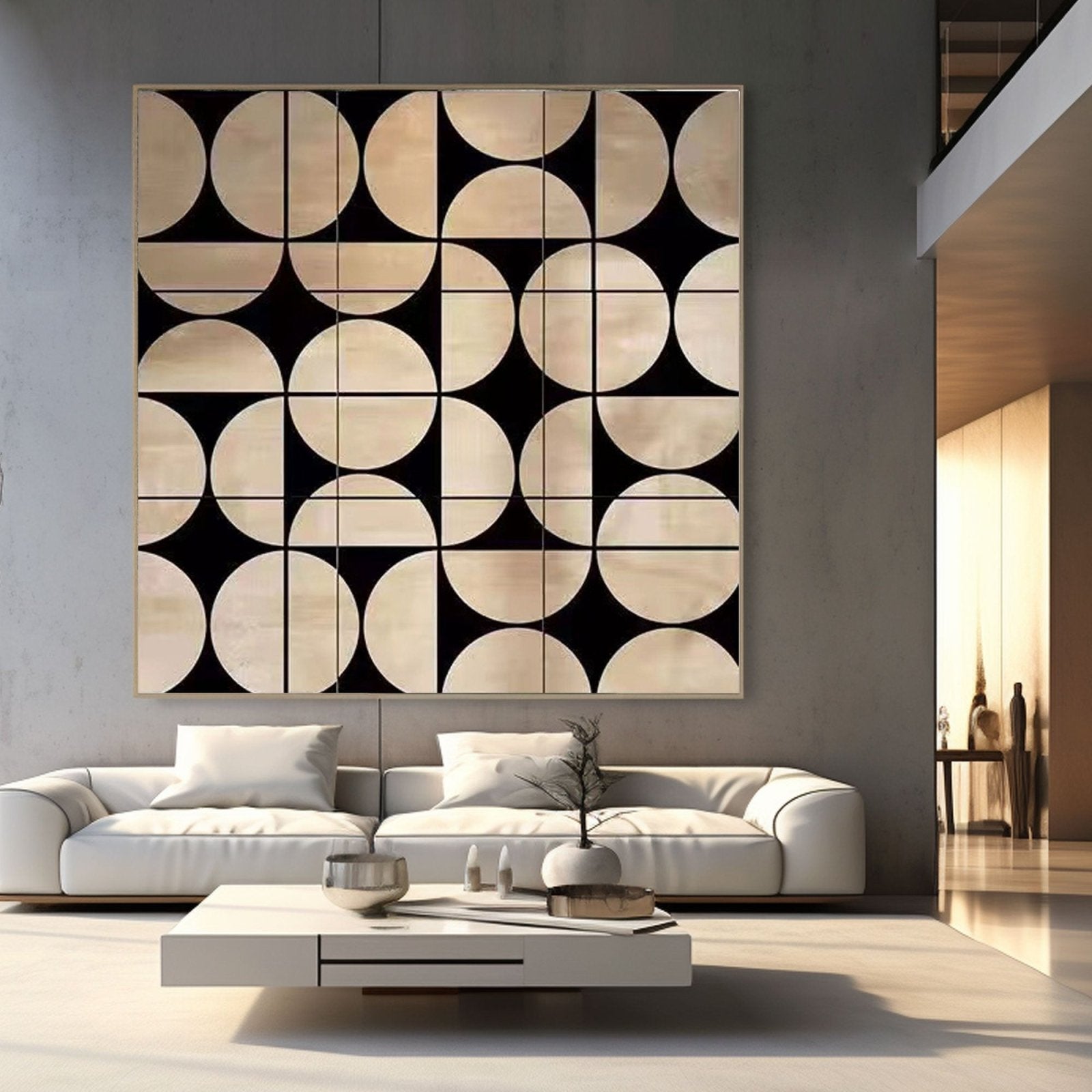
- Single feature wall. Best when you want a focal point without overwhelming the room. Ideal for living rooms and bedrooms.
- Two opposite walls. Good for long, narrow rooms to create rhythm and balance.
- Three walls accented. Works when you want the ceiling or one blank wall to feel special. Useful in open-plan homes.
- All four walls decorated. Use this only when patterns are subtle or colors are light to avoid a claustrophobic feel.
Quick checklist to choose:
- Measure sight lines and seating arrangement.
- Note natural light and room size.
- Decide focal point: fireplace, bed, TV, or artwork.
- Test paint or wallpaper samples on large swatches.
These options show flexible answers to how many walls in a room should be decorated. Use them to fit your space and taste.

Room-by-room guide: what works where
Every room plays by different rules. Here are practical setups I use with clients.
Living room
- Feature wall behind the sofa or fireplace often works best.
- If the living room is large, consider two walls to create a cozy zone.
- Keep high-traffic walls lighter to hide scuffs.
Bedroom
- Accent the wall behind the headboard for a restful focal point.
- For small bedrooms, decorate one wall only to avoid overwhelm.
- In master suites, a subtle pattern on three walls can feel luxe.
Dining room
- Consider two walls with a chair rail or wallpaper for a formal look.
- An all-walls approach can work if the pattern is calm and light.
Home office
- Keep two walls neutral and one wall as an inspiration wall with art or a bold color.
- Too many decorated walls can be distracting for focused work.
Hallways and small rooms
- Single accent walls or vertical stripes add interest without crowding space.
These choices help you decide how many walls in a room should be decorated based on function and flow.

Design tips, mistakes to avoid, and practical swaps
Small decisions make big differences. Here are tips I use and mistakes I've learned from.
Practical tips
- Start with a sample. Paint a 3-foot wide panel before committing.
- Use artwork placement rules: eye-level centers are easier to live with.
- Repeat a color or texture to tie multiple decorated walls together.
- Use light trims to break up bold walls and keep rooms feeling open.
Common mistakes
- Decorating all four walls with bold patterns in a small room. It feels busy and tight.
- Ignoring furniture placement. A feature wall that sits behind a bulky sofa still needs balance.
- Not testing paint in different light. Day and night light change colors dramatically.
Quick swaps to save a room
- If all four walls feel heavy, paint the ceiling one shade lighter to open space.
- Swap a bold wallpaper for textured paint on one wall for quieter impact.
These tips show how many walls in a room should be decorated in a way that avoids regret.
Budget, timeline, and step-by-step plan
Here’s how to plan a project based on time and money.
Budget tiers
- Low budget: paint a single wall or hang large artwork. Cost-effective and fast.
- Mid budget: wallpaper one wall or add wood slats to two walls.
- High budget: custom millwork or full-room finishes across multiple walls.
Step-by-step plan
- Measure the room and pick a focal wall.
- Test colors or samples on the chosen wall(s).
- Prep one wall first. Live with it for a week.
- Decide if you need to expand to a second or third wall.
- Finish trims and hang art to tie the room together.
This plan helps you decide how many walls in a room should be decorated based on budget and comfort.

Personal experiences and field lessons
I’ve worked on dozens of homes. A few lessons stand out.
Real-world wins
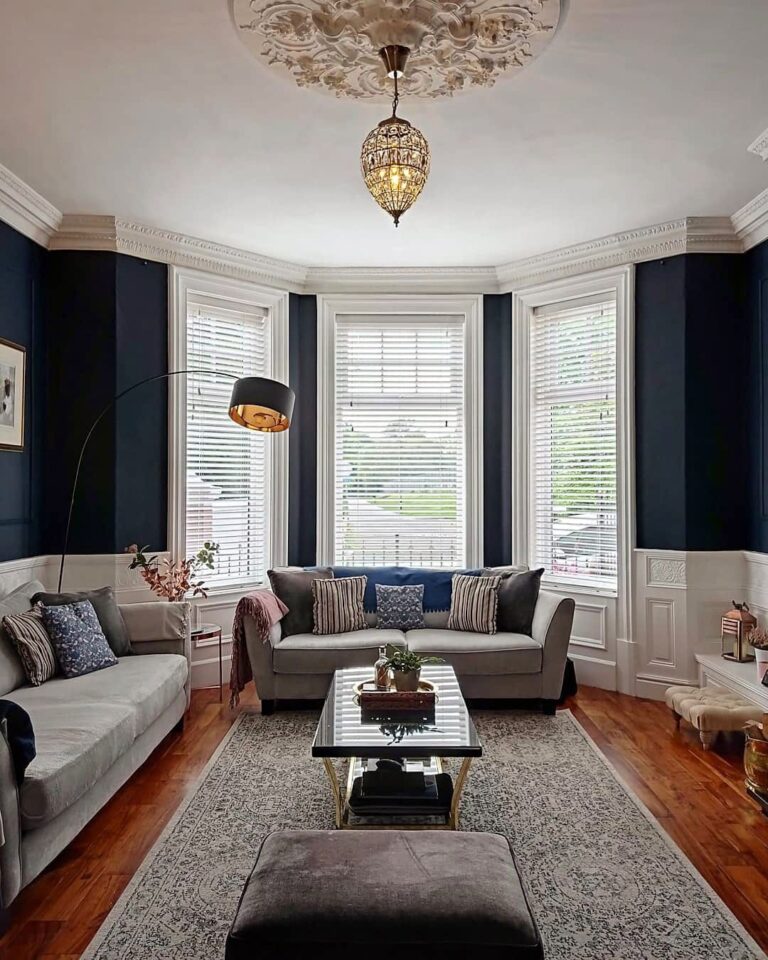
- A client with a tiny living room painted one deep blue wall. The room felt richer and still open.
- In a long corridor, painting two opposite walls in muted tones created a pleasant rhythm.
Regrets and fixes
- I once covered all four walls with strong wallpaper in a guest room. The space felt closed. The fix was to repaint one wall a soft cream to restore balance.
My main takeaway: start small. Decide how many walls in a room should be decorated by testing one wall first. If it feels right, expand. If not, scale back.

Frequently Asked Questions of how many walls in a room should be decorated
How many walls in a room should be decorated in a small room?
In a small room, one feature wall is usually best. It adds interest without closing the space off.
Can I decorate all four walls in a living room?
You can, but choose light tones or subtle textures. Bold patterns on all walls can overwhelm a room.
Is it okay to decorate opposite walls?
Yes. Decorating opposite walls can balance a long or narrow room and guide sight lines.
Should the wall behind the bed always be decorated?
It’s a common choice because it frames the bed and creates a focal point. But one wall behind the bed is usually enough.
How do I test whether to decorate one or more walls?
Paint a large sample panel or tape up a wallpaper swatch. Live with it for a few days to check light and mood.
Conclusion
Deciding how many walls in a room should be decorated comes down to goals, function, light, and comfort. Start by testing one wall. Use the room’s focal point, natural light, and furniture layout to guide whether to add a second or third wall. Keep samples and live with choices before committing to big changes.
Takeaway: begin small, observe how the space feels, and expand only if it improves balance. Try a single accent wall this weekend. If you liked this guide, leave a comment, subscribe for more design tips, or share a photo of your room to get feedback.