Measure a ceiling fan by checking blade span, blade-to-blade diameter, downrod height, and canopy fit.
I will walk you through how to measure a ceiling fan step by step. I bring years of hands-on work in home installs and repairs, and I explain clear methods, tool lists, and common pitfalls. Read on to get precise measurements and the confidence to pick, replace, or install a fan with ease.
Tools you need to measure a ceiling fan
Use the right tools to get fast and accurate results. Keep a tape measure, yardstick, marker, step ladder, and a helper nearby. A stud finder and level help when checking mount locations. A notepad or phone to record numbers makes the job tidy and fast.

Measure blade span and fan diameter
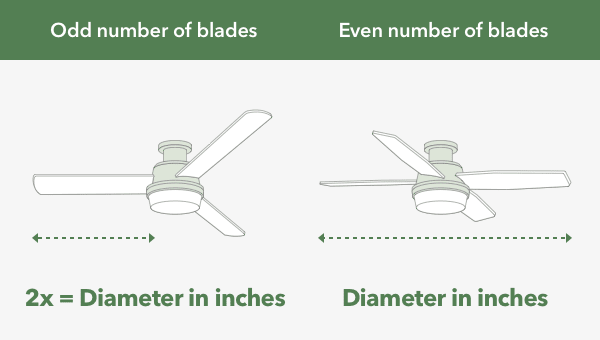
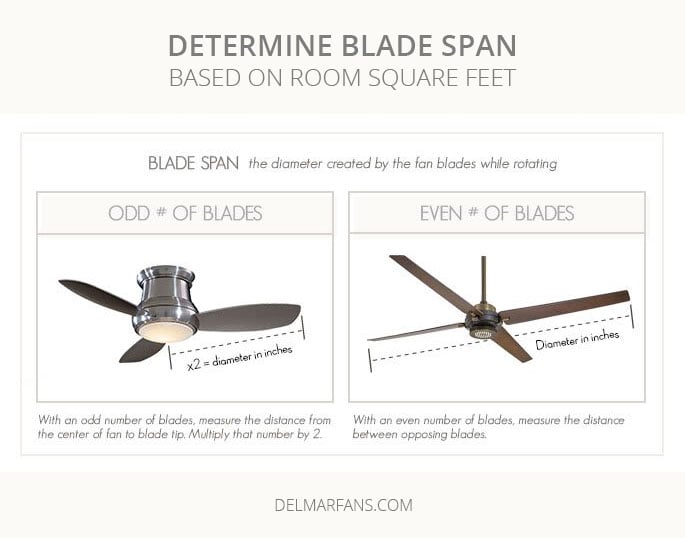
Blade span is the main size you need. To measure blade span, place the tip of your tape at one blade tip and measure straight across to the tip of the opposite blade. If the blades are not aligned, measure from one blade tip to the center of the fan and double that number.
If you cannot reach the blades from below, measure blade-to-blade diameter from the edge of one blade to the edge of the opposite blade. This tells you the fan’s effective area and helps when matching room size. For quick checks, round to the nearest inch and note the blade span when you shop or compare models.
How to measure downrod length and ceiling height
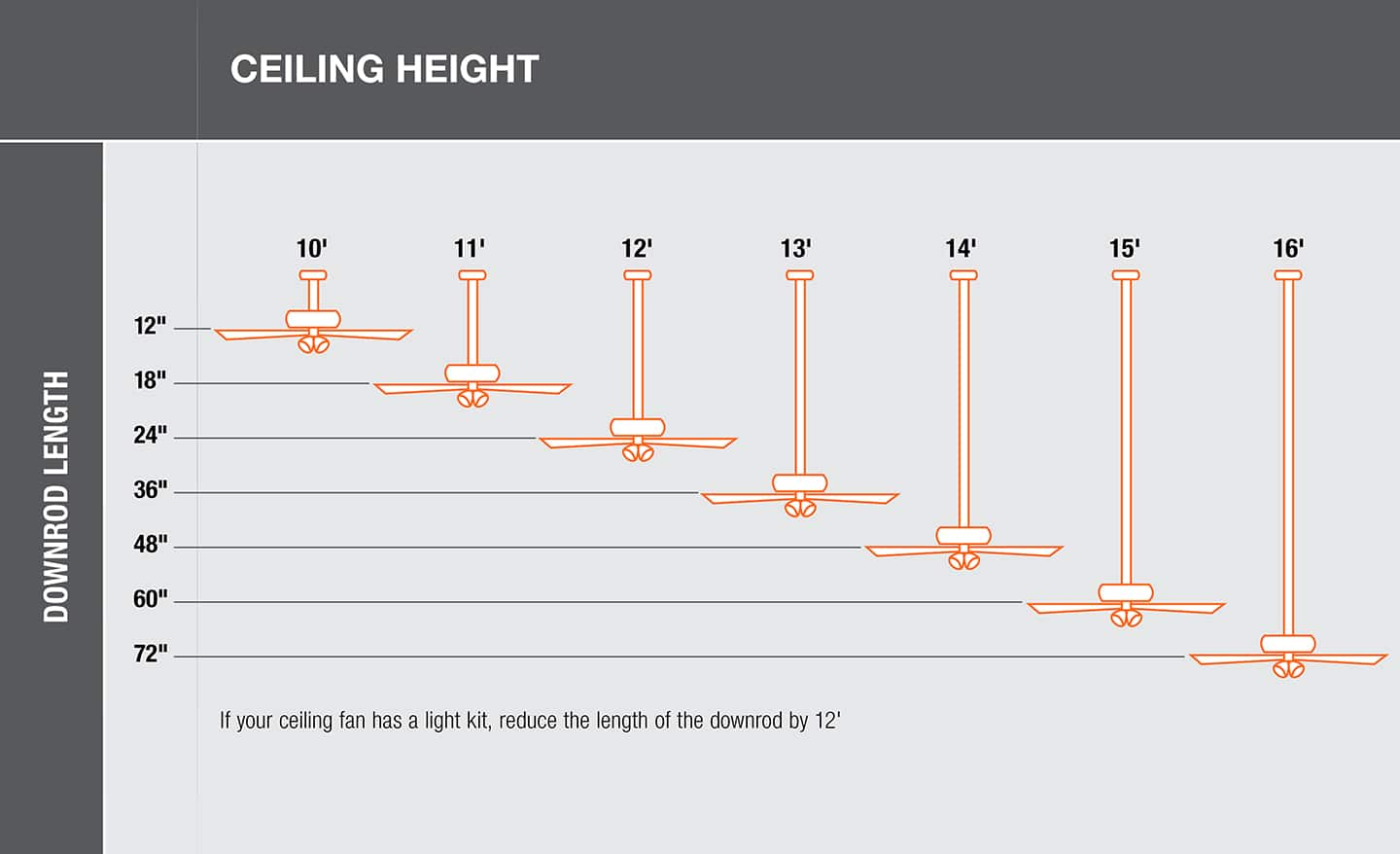
First, measure from the ceiling to the floor. Then measure from the ceiling to the bottom of the fan blades once the fan is or will be installed. Subtract the blade-bottom height from the floor height to get the clearance. If you plan to use a downrod, measure the rod length and add it to the fan’s body height to find the final blade-bottom height.
Keep at least 7 feet of clearance from the floor to the fan blades for safety and the US standard. For high ceilings, use a longer downrod. This section helps you know how to measure a ceiling fan so it cools well and stays safe.

How to measure the mounting box, canopy, and clearance
Turn off power before you touch the ceiling box. Measure the diameter of the electrical box and the distance from the box to nearby joists or obstructions. Measure the canopy diameter and depth on the fan if you need a close fit under a low ceiling or a decorative medallion.
Also measure distance from the fan motor to beams, ductwork, or light fixtures. This prevents surprises during install and shows how to measure a ceiling fan for tight spots. Note all clearances before ordering parts.

Pick the right fan size using your measurements
Match fan size to room size and blade span. Use these simple guides:
- For small rooms up to 75 sq ft, choose a 29–36 inch fan.
- For medium rooms 76–144 sq ft, choose a 36–44 inch fan.
- For large rooms 145–400 sq ft, choose a 44–56 inch fan.
- For very large rooms over 400 sq ft, use multiple fans or 56+ inch models.
Use your measured blade span and ceiling height to pick the right model. If you measured a current fan, compare its blade span to cooling needs. This shows how to measure a ceiling fan and turn that data into a smart purchase.
Common mistakes and troubleshooting when measuring a ceiling fan
Mistakes are easy to make when you skip steps. Do not measure from the wrong point on the blade or forget to include the canopy in height. Avoid guessing the ceiling height — use a tape measure for real numbers.
If measurements vary, remeasure with someone holding the ladder and tape. If the mounting box is off center, mark positions and measure both axes. These fixes help you measure accurately and avoid returns or rework.

Personal experience, tips, and lessons learned
I once ordered a fan that looked right by photo but hit a beam because I misread the downrod height. Now I always measure canopy depth and motor housing height. My tip: jot three numbers — blade span, blade-bottom height, and box clearance — and use them at checkout.
When installing, use a helper to hold the fan while you check clearances. Take photos of the box and ceiling before you buy to show the seller. These steps come from hands-on installs and save time and money.

Frequently Asked Questions of how to measure a ceiling fan
How do I measure blade span accurately?
Measure from the tip of one blade straight across to the tip of the opposite blade. If blades are offset, measure from one tip to the center and double that number.
What if I only have access from above the fan?
Measure the mounting plate and motor housing height from the joist plane and add the blade radius. You can also remove one blade to measure its length and calculate full span.
How much clearance should I leave between blades and walls?
Leave at least 18 inches from the blade tips to any wall or obstruction for good airflow. More space is better in larger rooms.
How do I measure for a low-ceiling or hugger fan?
Measure the distance from ceiling to the floor, then subtract the fan’s motor and blade depth to confirm at least 7 feet of clearance. Pick a hugger model if you have less than 8 feet of ceiling.
Can I use a single tape measure for all measurements?
Yes, a tape measure handles blade span, downrod length, and box diameter. For long or high ceilings, use a ladder and a helper to hold the tape steady.
Conclusion
You now know how to measure a ceiling fan in clear steps: record blade span, blade-bottom height, downrod length, and mounting box size. Use short, careful measures and double-check with a helper to avoid mistakes. Take action now: measure your current space, note three key numbers, and use them when you shop or install to ensure a safe, efficient fit. Share your results or questions below and subscribe for more home tips.