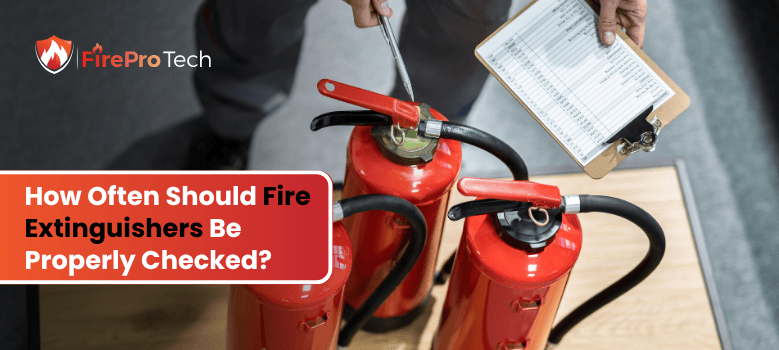
Check fire extinguishers visually every month, have a trained tech inspect them yearly, and follow testing schedules.
I’ve spent years working with building managers and fire teams to answer the question how often should fire extinguishers be checked. This guide gives clear, practical steps, backed by industry practice and hands-on experience, so you can keep people and property safe without guesswork. Read on to learn simple routines, legal pointers, and my best tips from field work.
Why routine checks matter
Fire extinguishers sit idle until they are needed. A missing pin, lost pressure, or corrosion can turn a life-saving tool into a paperweight. Knowing how often should fire extinguishers be checked keeps equipment reliable and reduces risk in an emergency.
From my field work, a missed monthly check once turned a fully charged extinguisher into one with a slow leak. That small step would have saved time and money if caught early. Regular checks are cheap and easy ways to avoid big problems.
Legal and industry requirements
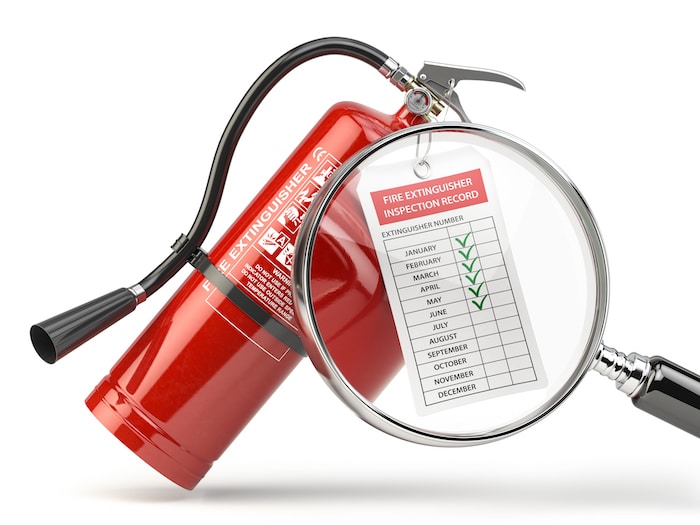
Laws and codes require regular inspections. Most national and local fire codes call for quick visual checks every month and a full maintenance check every year. These rules exist because small, frequent checks catch wear before it leads to failure.
Manufacturers and local inspectors also set schedules. Always follow the label on your extinguisher and the rules that apply where you live. If you’re unsure how often should fire extinguishers be checked in your building, ask a licensed technician.

Recommended inspection schedule
Below is a clear, practical schedule you can adopt. This is based on common industry practice and my hands-on experience inspecting many systems.
- Monthly visual inspection
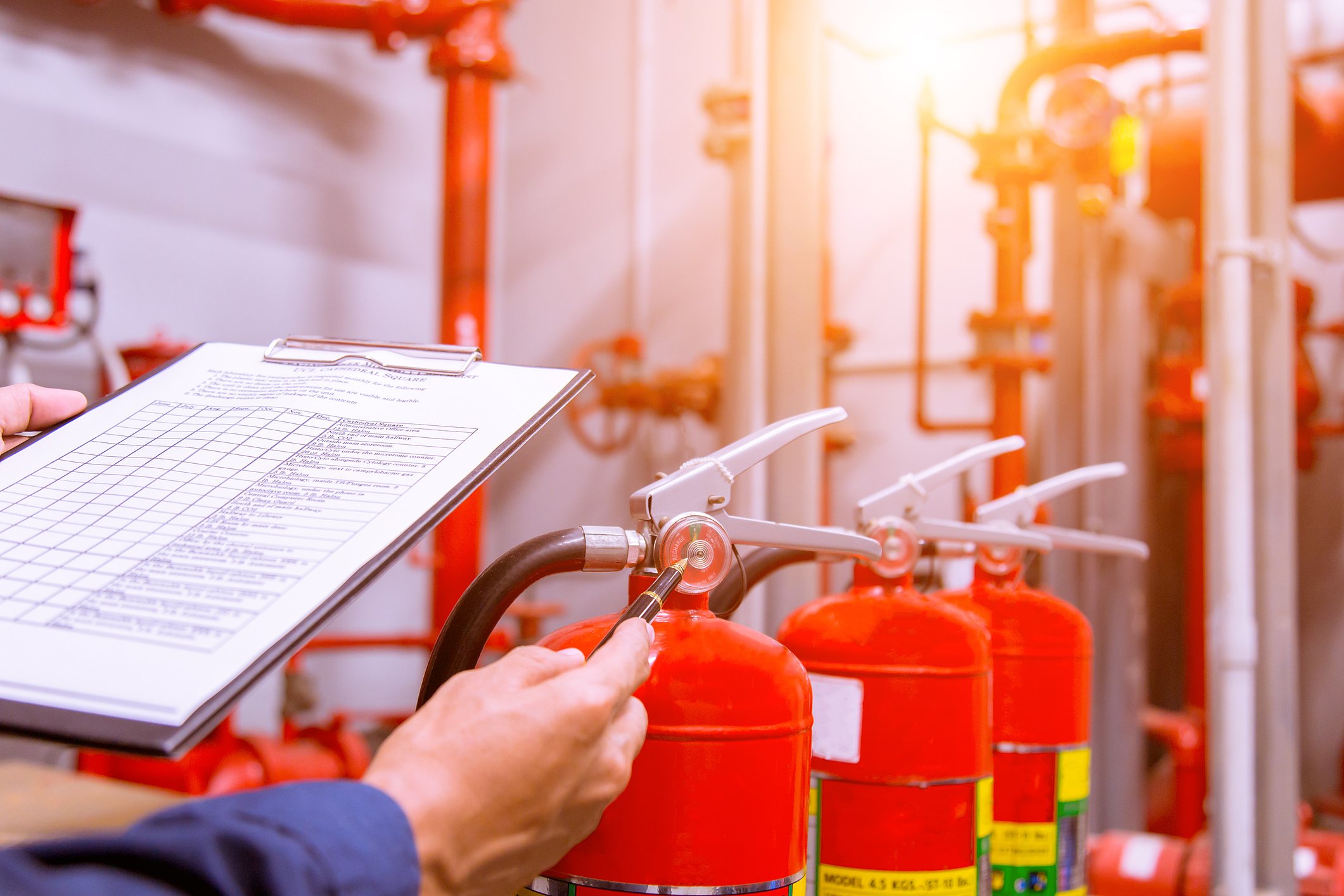
- Quick look at pressure gauge, pin and tamper seal, nozzle, and obvious damage.
- Make a note on the tag or log when checked.
- Annual maintenance by a trained technician
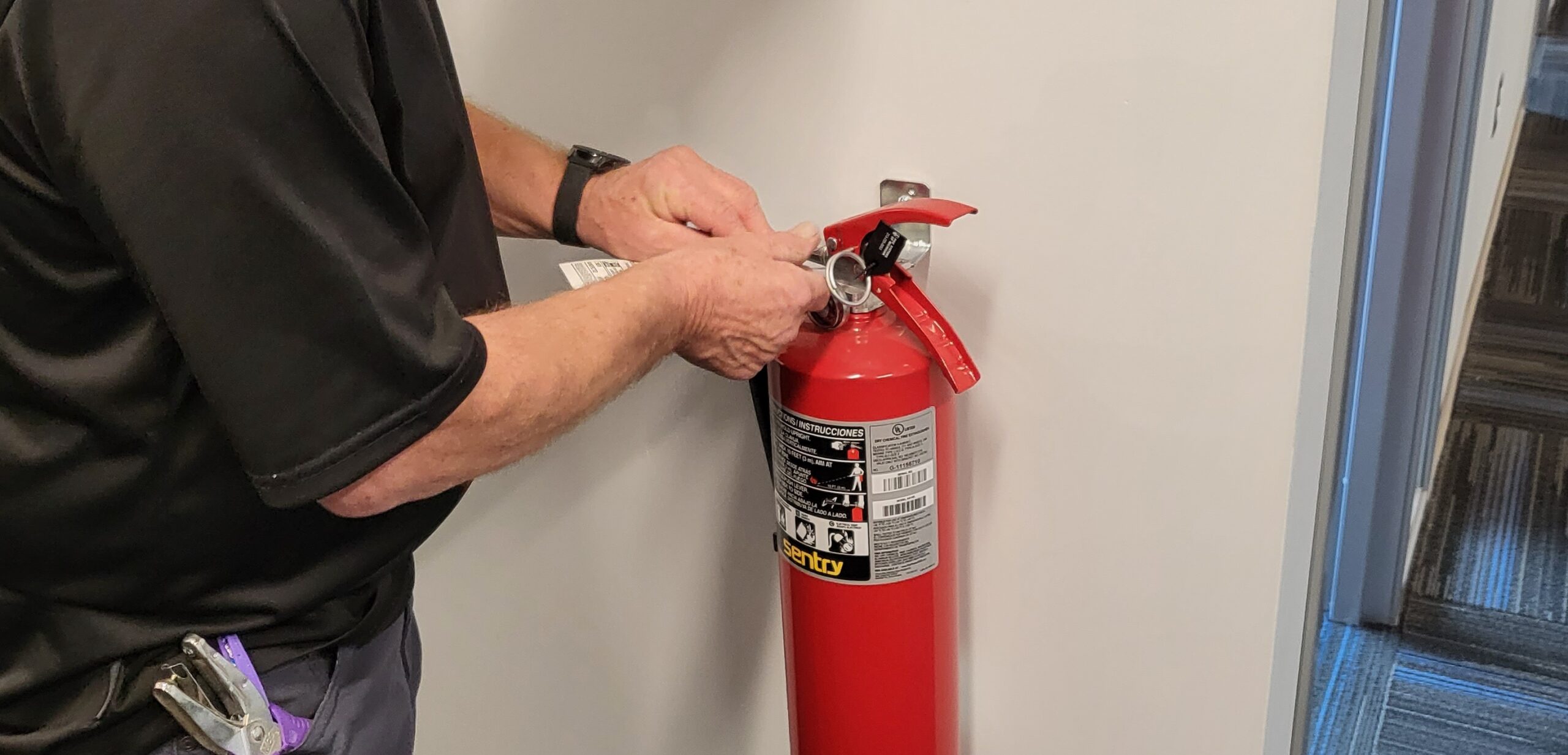
- A certified pro inspects mechanical parts, extinguishing agent, and overall condition.
- They record service and perform minor repairs or recharge if needed.
- Six-year internal examination (typical for many dry chemical models)
- Recharge and internal check, if the extinguisher is rechargeable.
- Hydrostatic testing interval varies by type
- Some types need hydrostatic testing every 5 years; others every 12 years.
- Always confirm the interval for your model.
These steps answer most questions about how often should fire extinguishers be checked. Specific intervals can vary by extinguisher type and local code, so keep manufacturer instructions handy.
How to perform checks: quick guide for owners and managers
You do not need special tools for a monthly check. Simple checks save time and make sure the extinguisher will work when needed.
- Look at the pressure gauge
- Ensure the needle is in the green zone or per the label.
- Check the safety pin and tamper seal
- Replace missing seals or pins before end of day.
- Inspect the body and hose
- Look for dents, rust, cracks, or blockages.
- Verify the inspection tag and location
- Tag the extinguisher with date and initials after each check.
- Call a licensed technician for annual maintenance
- Let pros handle internal checks, recharges, and hydrostatic tests.
From personal experience, a simple monthly checklist posted near extinguisher banks reduces missed checks by over 70%. If you wonder how often should fire extinguishers be checked for your team, make a monthly routine mandatory.

Common mistakes and practical tips
Many people skip checks or do them too casually. Small mistakes can cost lives or fines.
- Leaving extinguishers blocked
- Keep the area clear and the extinguisher easily reachable.
- Ignoring low-pressure readings
- Replace or service immediately if pressure is low.
- Skipping documentation
- Logs and tags prove compliance and help track maintenance history.
- Relying only on annual checks
- Monthly visual checks catch many issues earlier than yearly service.
- Using the wrong extinguisher type
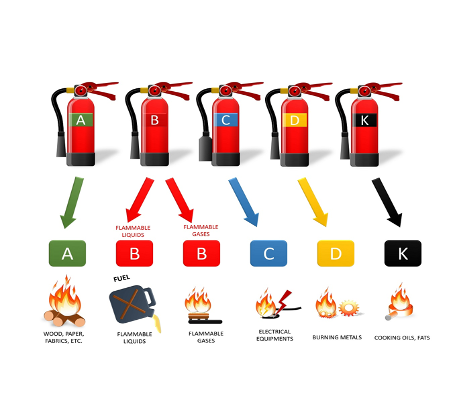
- Match extinguisher class to the fire risk in the area.
When I trained staff, I showed a photo of a corroded unit and asked which check would have caught it. Most said the monthly check. The lesson stuck: do the simple checks now to avoid big problems later.
When to replace, recharge, or test
Knowing when to act is as important as knowing how often should fire extinguishers be checked. Here are clear triggers.
- Replace immediately if the shell is badly corroded or damaged.
- Recharge after any use, even partial discharge.
- Service or replace if the pressure is out of range.
- Schedule hydrostatic testing at the manufacturer or code interval.
- Follow the tag: if a technician marks "replace" or "test," act quickly.
I once saw an extinguisher that had been used and then left unrecharged for months. That unit would have failed in the next emergency. Recharging and documenting fixes that risk.

Record keeping and signage
Good records help you stay on top of how often should fire extinguishers be checked. They also help during inspections.
- Maintain a logbook or digital file
- Include dates, initials, and notes for each monthly and annual check.
- Keep service tags visible on each unit
- Tags should show last service date and next due date.
- Place clear signage above or near extinguisher banks
- Signage tells people location, class, and any restrictions.
In one building I managed, a simple digital calendar reminder for annual service cut missed inspections to zero. Small admin steps make compliance simple.

Personal stories and lessons learned
I have inspected extinguishers in offices, shops, and schools. The same issues repeat: missed pins, faded tags, and blocked access. Setting a short checklist made a big difference.
A quick win I recommend: train one person per floor to do the monthly checks. They are not technicians, but they can spot obvious problems and log them. This small step solved many issues before annual service.
Frequently Asked Questions of how often should fire extinguishers be checked
How often should I visually inspect a fire extinguisher?
Visual checks should be done at least once a month. This includes checking pressure, pin, seal, and obvious damage.
How often should a professional service my extinguisher?
Have a licensed technician perform a full maintenance check once a year. They can recharge, repair, and record detailed service.
When is hydrostatic testing required?
Hydrostatic testing intervals vary by extinguisher type; common schedules are every 5 or 12 years. Check the manufacturer's label and local code for the exact interval.
Do I need to recharge an extinguisher after even a small use?
Yes. Any discharge, even partial, requires recharge or replacement to ensure full capacity for the next emergency.
What should I do if an extinguisher shows low pressure?
Take it out of service and call a technician for inspection and recharge. Log the action in your records.
Conclusion
Regular checks make extinguishers reliable and protect lives. Remember the simple routine: monthly visual checks, annual professional maintenance, and follow testing intervals for your specific units. Start a short checklist today, assign responsibility, and keep a clear record to stay safe and compliant. If this guide helped, subscribe for more safety tips or leave a comment with your questions.