Choose an indoor doormat by matching material, size, function, and cleaning needs to your home.
I have helped dozens of people pick the right mat and tested many in real homes. This guide will walk you through how do i choose a indoor doormat with clear steps, practical tips, and lessons from real use. I explain materials, size, placement, care, and style so you can pick a mat that works and lasts.

Why the right indoor doormat matters
A doormat protects floors, reduces cleaning, and sets the tone for your home. Choosing well saves time, money, and frustration. If you ask how do i choose a indoor doormat, think of it as picking a small tool that does big work: it traps dirt, soaks up water, and keeps people safe.
A poor pick can stain floors, smell, or wear out fast. A smart pick keeps entryways tidy and looks good for years. I learned this after testing mats in mud, rain, and snow at different homes.

Key factors to consider when you ask "how do i choose a indoor doormat"
Start with these basics. They form the checklist to guide any purchase.
- Function: Do you need scraping, wiping, or soaking?
- Traffic: How many people use the door daily?
- Weather: Do shoes come in wet or dry?
- Floor type: Will the mat sit on tile, wood, or carpet?
- Maintenance: How often will you clean or replace the mat?
When you use the phrase how do i choose a indoor doormat, remember function first. Match the mat to daily use. I once bought a delicate fiber rug for a muddy porch and learned the hard way that function beats looks.
Materials: pros, cons, and best uses
Material is the most important choice. Here are common options and when they work best.
-
Coir
- Pros: Great at scraping mud and dirt from shoes.
- Cons: Can trap moisture and rot if kept wet.
- Best for: Covered entries and dry climates.
-
Rubber
- Pros: Waterproof, sturdy, and offers good grip.
- Cons: Can look utilitarian and may trap dirt on top.
- Best for: High-moisture entries, garages, and laundry rooms.
-
Microfiber and chenille
- Pros: Excellent at soaking water and cleaning soles gently.
- Cons: May mat down with heavy dirt and need frequent washing.
- Best for: Indoor entries with wet shoes and lightweight traffic.
-
Nylon and synthetic blends
- Pros: Durable, quick-dry, and colorfast.
- Cons: Less natural feel; some trap fine dust.
- Best for: High-traffic indoor areas where ease of cleaning matters.
-
Natural fibers (cotton, jute)
- Pros: Soft, eco-friendly, and stylish.
- Cons: Less effective at scraping and can stain.
- Best for: Low-traffic entries and decorative zones.
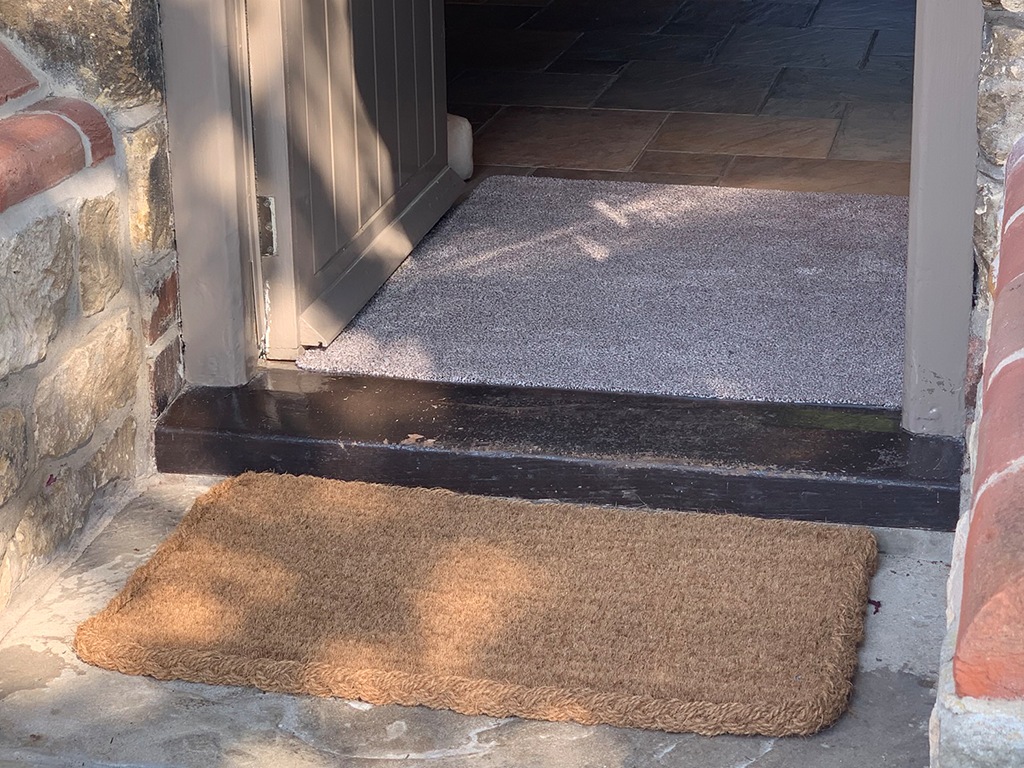
When deciding how do i choose a indoor doormat, think of material as a tool choice. I prefer a rubber-backed microfiber mat inside and a coir mat outside for most homes. That combo keeps dirt out and protects floors.

Size, shape, and placement
Size and placement matter more than many buyers expect. A too-small mat leaves dirt on floors. A too-large mat looks awkward.
- Measure door width and allow at least 18 to 24 inches of mat depth for a single entry.
- For double doors, use a mat at least two-thirds of the door span.
- Place a mat both outside and inside when possible to create a two-step barrier.
- Ensure the mat does not block door swings or damage floor transitions.
If you are wondering how do i choose a indoor doormat by size, pick one that fits the door frame and gives one or two steps of walking space. In my home tests, a wider mat reduced tracked dirt by half.

Style and decor: blending looks with purpose
A doormat should work and look good. Style choices are simple.
- Color: Choose forgiving shades for high use; dark tones hide grime.
- Pattern: Patterns mask stains and wear better than solid colors.
- Texture: Low pile is easier to clean; plush mats are softer but trap dirt.
- Message mats: Fun but may fade fast with heavy washing.
When you choose how do i choose a indoor doormat for style, balance looks with function. I recommend neutral base colors with a subtle pattern for most homes. That keeps the entry welcoming and practical.

Maintenance: cleaning, drying, and lifespan
A clean mat stays effective. Know how to care for the material you buy.
- Shake or beat coir mats outside weekly to remove trapped grit.
- Machine wash microfiber, cotton, and many synthetics on gentle cycles.
- Hose and air dry rubber-backed mats; avoid long sun exposure that can fade colors.
- Replace inexpensive mats every 6–12 months if they show wear or odor.
- Replace higher-quality mats every 2–5 years with normal care.
Ask how do i choose a indoor doormat with maintenance in mind. If you want low effort, pick rubber or durable synthetic that wipes clean. I once kept a heavy wool mat and ended up washing it too often; choose for care level.

Personal experience: mistakes, lessons, and tips
I tested mats in a small rental, a family home, and an apartment to learn common traps.
- Mistake: Buying a pretty jute mat for a rainy area. Lesson: Always match material to weather.
- Mistake: Choosing a mat too thin for tile floors; it slid and scratched. Lesson: Get a non-slip backing for slick floors.
- Winning setup: Coir outside, rubber threshold tray for wet days, and microfiber inside for drying. This combo trimmed cleaning time and stopped stains.
When you think how do i choose a indoor doormat, use this simple rule: match material to mess. My hands-on tests taught me that visible savings in time and cleaning come from the right pair of mats.

How to buy: a step-by-step checklist
Follow these steps to make a confident buy.
- Measure your door width and clearance.
- Note traffic and typical weather at that entry.
- Choose material based on scraping vs soaking needs.
- Pick a size and backing that fits your floor type.
- Read care instructions and test for non-slip features.
- Buy a mid-priced mat first to test in your home.
- Replace based on wear, not just age.
If you still ask how do i choose a indoor doormat after this list, try a trial buy. Many retailers accept returns, so test a mat in place for a week.

Frequently Asked Questions of how do i choose a indoor doormat
What size do I need for a single entry door?
Measure the door width and pick a mat at least the door width or slightly smaller. Allow 18 to 24 inches of depth so users can step and wipe twice.
Which material is best for rainy climates?
Choose rubber or microfiber for rainy conditions because they resist water and dry fast. Coir works outside but avoid it for wet, uncovered areas.
How often should I clean my indoor doormat?
Light use: clean every 1 to 2 weeks by shaking or vacuuming. Heavy use or wet seasons: clean twice a week and deep-wash monthly.
Can I put a doormat on hardwood floors?
Yes, but use a mat with a soft non-slip backing to avoid scratches and leave space for airflow. Check the backing material and test for color transfer first.
Should I have both an outdoor and indoor mat?
Yes. A two-step system traps most dirt and moisture outside and finishes cleaning inside. This greatly reduces floor cleaning work and wear.
Conclusion
Choosing a doormat is a small decision that makes daily life easier. Focus on material, size, and care, and match the mat to your entry’s use. Try the coir-outside and microfiber-inside combo if you want a reliable starting point.
Take action: measure your door, note your typical weather, and pick a mat that meets function first. Share your choice or questions below, or try one mat for a week and see the difference.