Keep bugs off outdoor fake plants with regular cleaning, barriers, and natural repellents.
I have worked with outdoor decor and pest control for years, and I know what works. This guide on How to keep bugs away from my fake plants outside gives clear steps you can use today. Read on for easy routines, safe sprays, placement tips, and real-life fixes that keep your faux greenery looking fresh and pest-free.

Why bugs are attracted to fake plants outside
Bugs do not care if a plant is real or fake. They look for food, shelter, shade, and water. Fake plants collect dust, pollen, and moisture. That mix draws ants, spiders, flies, and even wasps. Understanding this helps when you decide how to prevent pests around fake items.

How to keep bugs away from my fake plants outside: quick prevention checklist
Start with simple habits. Small steps reduce pest visits a lot.
- Clean frequently. Wipe leaves and stems every 1–2 weeks to remove pollen and grime.
- Cut standing moisture. Move plants after rain and avoid saucers that hold water.
- Keep them off the ground. Place fake plants on tables, rails, or hang them.
- Use barriers. Sticky tape, mesh screens, or fine netting block crawling insects.
- Add a scent barrier. Certain smells deter bugs; use sachets or sprays with safe oils.
This checklist covers the main causes that bring bugs to fake plants. Use these steps together to keep pests away more reliably.

Cleaning and maintenance routine
Clean short and often. Quick wipes prevent nests and food buildup.
- Shake loose debris outside. Do this before any wet cleaning.
- Rinse with water. A gentle spray removes dust and pollen.
- Soap wash for sticky grime. Use mild dish soap and a soft brush.
- Dry fully in sun. Sunlight kills mold and discourages bugs.
- Store in dry places during heavy rain or winter.
I clean my outdoor faux boxwood every two weeks in spring and summer. That small habit cut spider build-up by half in one season.
Natural repellents and safe sprays
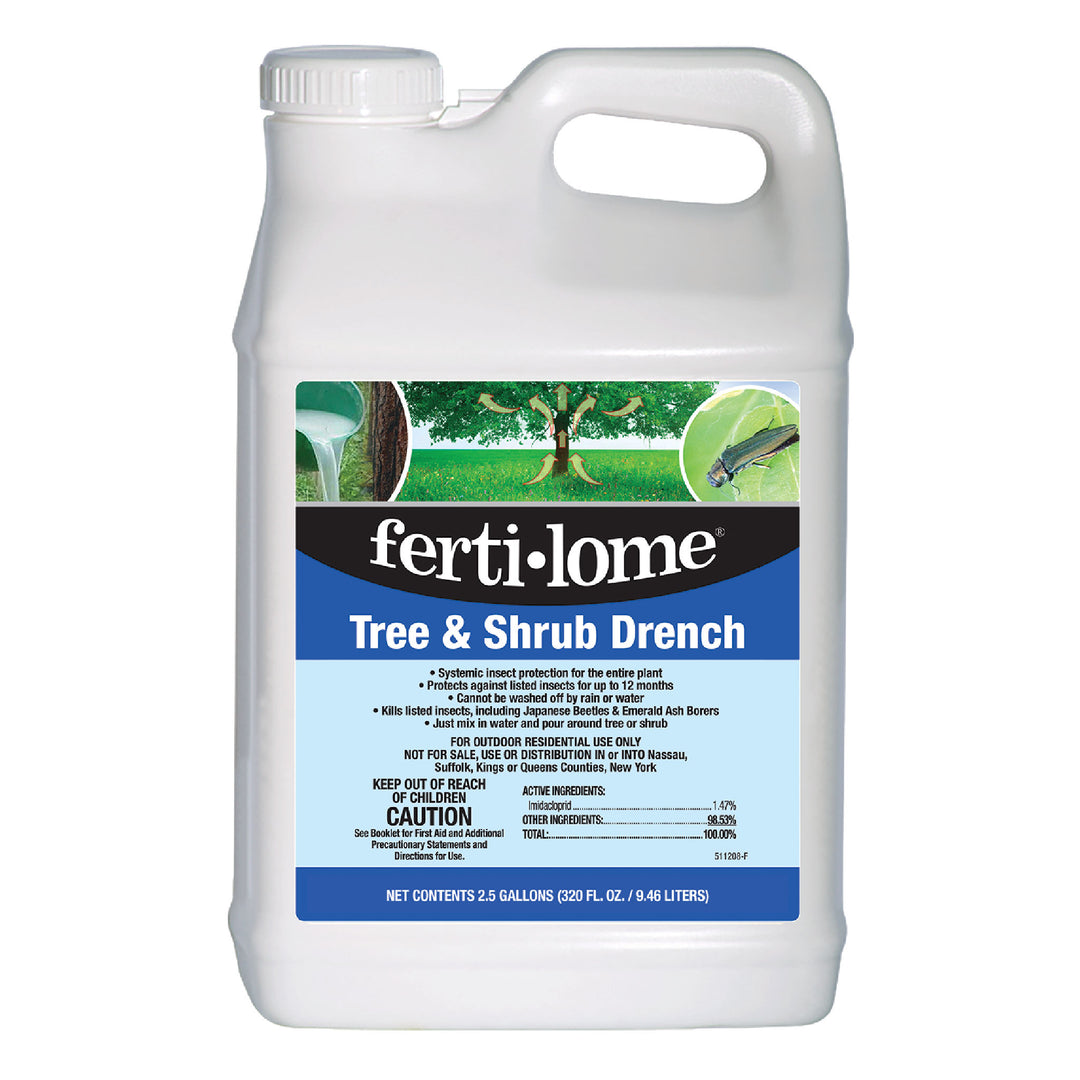
Natural options can be effective and pet-safe. Try these simple mixes.
- Vinegar spray. Mix one part white vinegar to three parts water. Spray leaves lightly and avoid long exposure to prolonged sun.
- Soapy water. Two teaspoons mild dish soap per quart of water kills small insects on contact.
- Essential oil blends. Ten drops peppermint or eucalyptus oil per quart of water repels ants and flies.
- Diatomaceous earth. Lightly dust base soil areas—this powder hurts soft-bodied insects but is safe when used correctly.
Test any spray on a small area first. Overuse of oils can leave residue and attract dust, which undermines your cleaning efforts.

Material choices and placement tips
The type of fake plant and where you put it matters. Make choices that reduce pests.
- Choose UV-resistant plastic or metal stems. These materials dry faster and hold less organic buildup.
- Avoid real soil bases outdoors. Use sealed foam or gravel to reduce habitat.
- Elevate planters. A few inches off the ground cuts crawling pest access.
- Keep plants away from compost, wood piles, and lights that attract insects.
- Rotate locations occasionally. Moving plants breaks up habit patterns for pests.
When I switched to sealed gravel bases for my balcony planters, I stopped finding ants under the pots within one month.

When to deep-clean, treat, or replace
Know when cleaning is enough and when replacement is smarter.
- Deep-clean when nests appear or residue is heavy. Use a stronger wash and brush.
- Treat with diatomaceous earth or targeted sprays for recurring infestations.
- Replace if mold, permanent staining, or structural decay remain after cleaning.
- Consider seasonal storage. Pack away delicate faux plants during high-pest months.
I replaced two sun-faded vines after repeated wasp nests. New ones with sealed bases cut those problems for good.

Personal tips from experience
Small routines beat rare big efforts. I learned this after letting dirt sit on a hanging wreath for a summer. Bugs moved in quickly. Since then I keep a weekly 5-minute wipe and a monthly rinse. The wreath looks new and insect-free now.
Try pairing a fast routine with one stronger action monthly. It is easy to do. It keeps your faux plants tidy and avoids surprises.
Frequently Asked Questions of How to keep bugs away from my fake plants outside
Can I use insecticide on fake plants?
Yes, but choose low-toxicity options and follow label directions. Prefer natural sprays first, and avoid heavy chemicals near people or pets.
How often should I clean outdoor fake plants?
Clean light dirt weekly and do a deeper wash monthly. Clean more often in rainy or pollen-heavy seasons.
Will essential oils damage fake plant materials?
Used diluted and sparingly, essential oils are usually safe. Test a hidden spot first to be sure there is no discoloration.
Are sticky traps useful for fake outdoor plants?
Sticky traps can catch flying or crawling pests near plants. Place traps away from visible decor to keep them out of sight.
How do I stop spiders from nesting in fake plants?
Regular shaking and wiping disrupt spider webs. Trim dense parts and keep plants spaced to reduce sheltered corners.
Is diatomaceous earth safe around pets?
Food-grade diatomaceous earth is generally safe if used lightly and kept dry. Avoid inhalation by applying carefully and storing out of reach.
Conclusion
Keeping bugs away from outdoor fake plants is simple when you use regular cleaning, smart placement, and mild repellents. Start with a quick weekly wipe, manage moisture, and use sealed bases or elevation to deny pests shelter. Try one new habit this week and watch the difference. If you found this helpful, subscribe for more DIY tips or leave a comment with your own trick.