Use dusting, gentle rinses, and occasional soak with mild soap or vinegar for deep cleaning.
I’ve cleaned hundreds of faux plants over the years, and I’ll walk you through exactly how do you clean fake plants so they stay fresh, safe, and realistic. I combine practical, tested methods with easy-to-follow steps for different materials—plastic, silk, and preserved foliage—so you can pick the best approach for your collection and get professional results at home. Read on to learn simple routines, deep-cleaning tricks, and maintenance tips that save time and protect your decor.
Why cleaning fake plants matters
Fake plants attract dust, grime, and sometimes mold in humid spots. Dirty foliage looks dull and can trigger allergies. A regular cleaning habit keeps colors bright, extends the life of the plants, and preserves your home’s air quality. Knowing how do you clean fake plants helps you avoid damage from harsh cleaners and prevents build-up that’s hard to remove later.

How do you clean fake plants: Step-by-step guide
Below are clear steps you can use for most faux plants. Repeat the quick steps weekly, and deep clean every few months.
-
Remove loose dust and debris
- Take the plant outside or over a sink.
- Gently shake to dislodge loose dust.
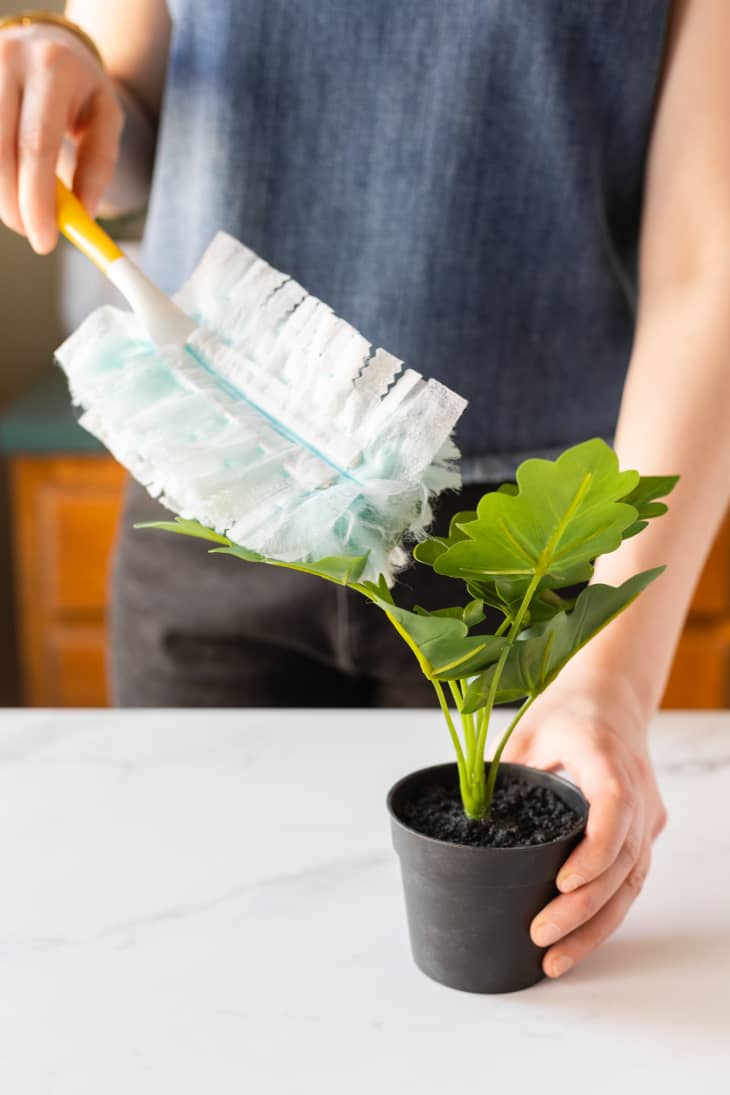
- Use a feather duster or a soft microfiber cloth to sweep leaves and stems.
-
Light cleaning for everyday upkeep
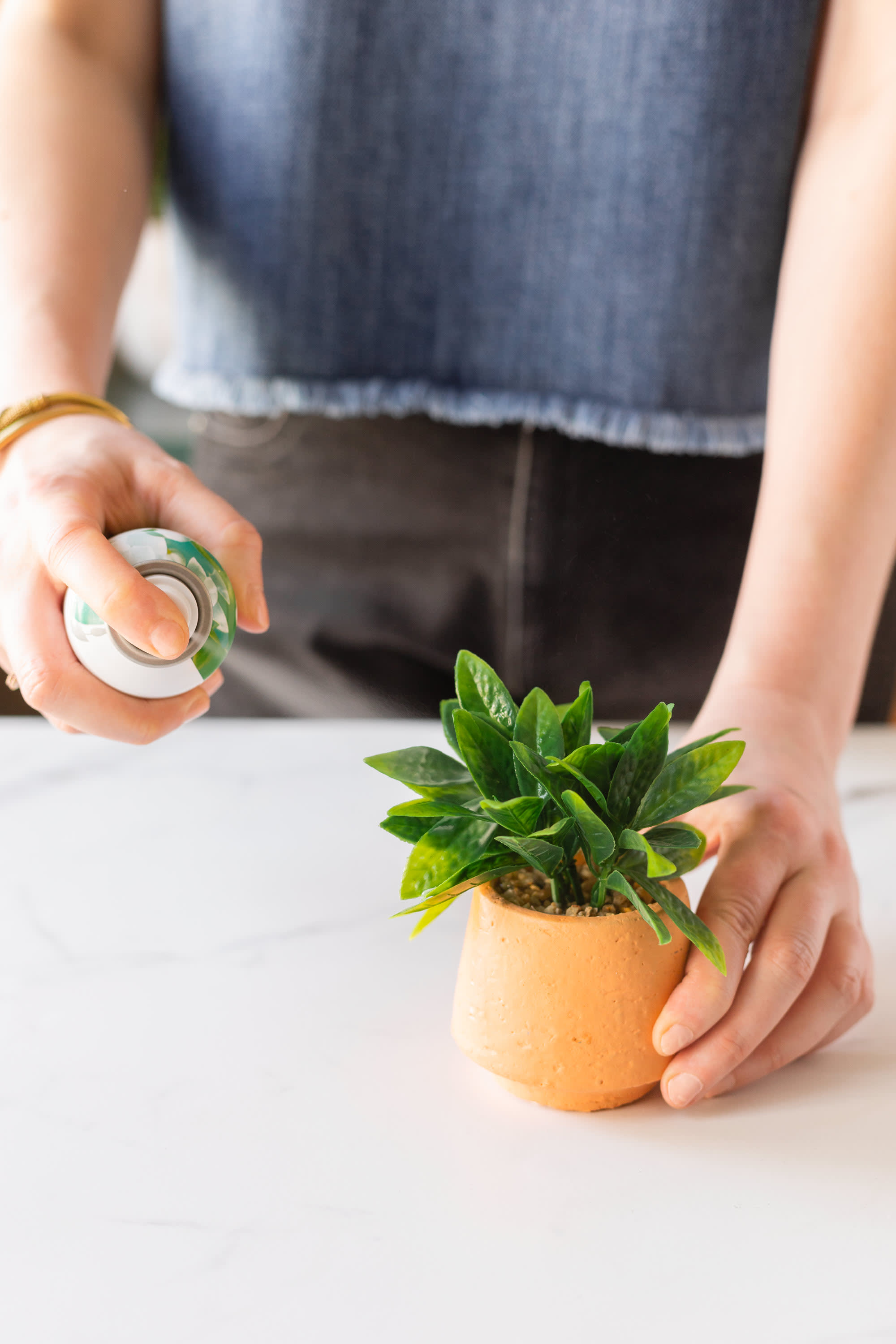
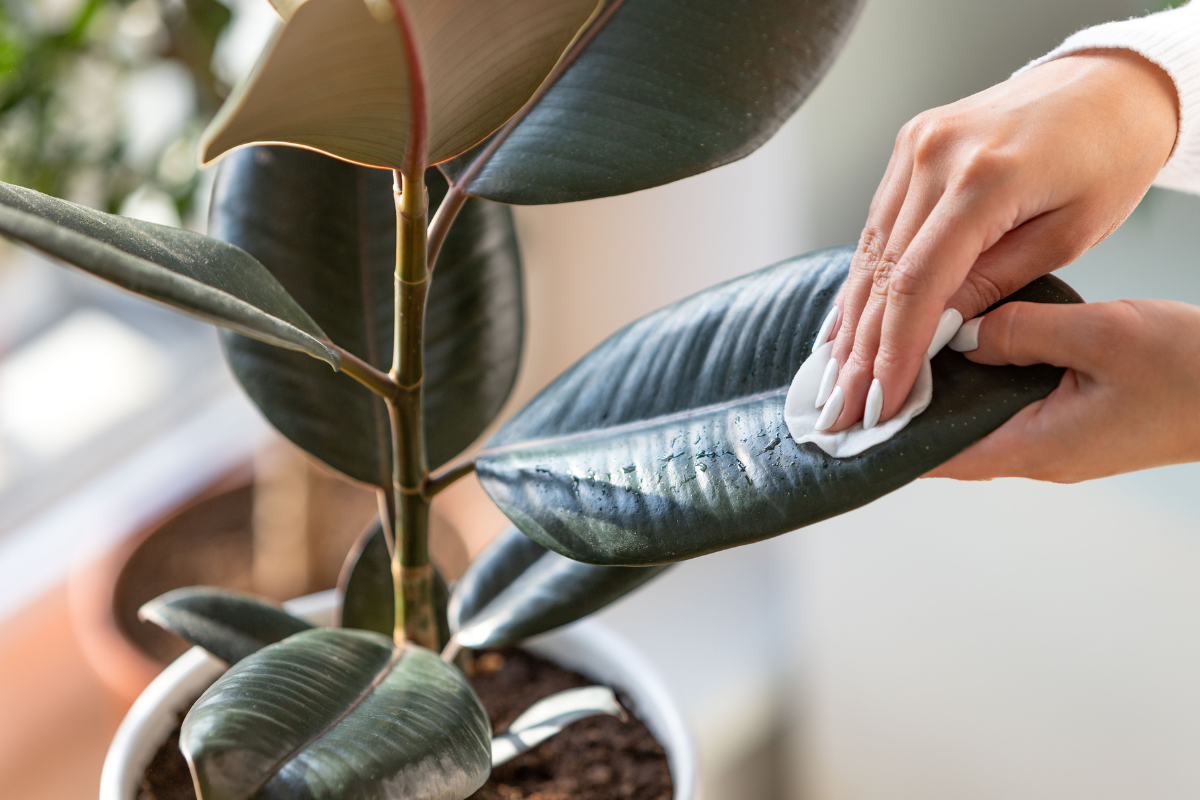
- Fill a spray bottle with water and mist leaves lightly.
- Wipe both sides of each leaf with a soft cloth.
- This prevents dust from settling and keeps surfaces bright.
-
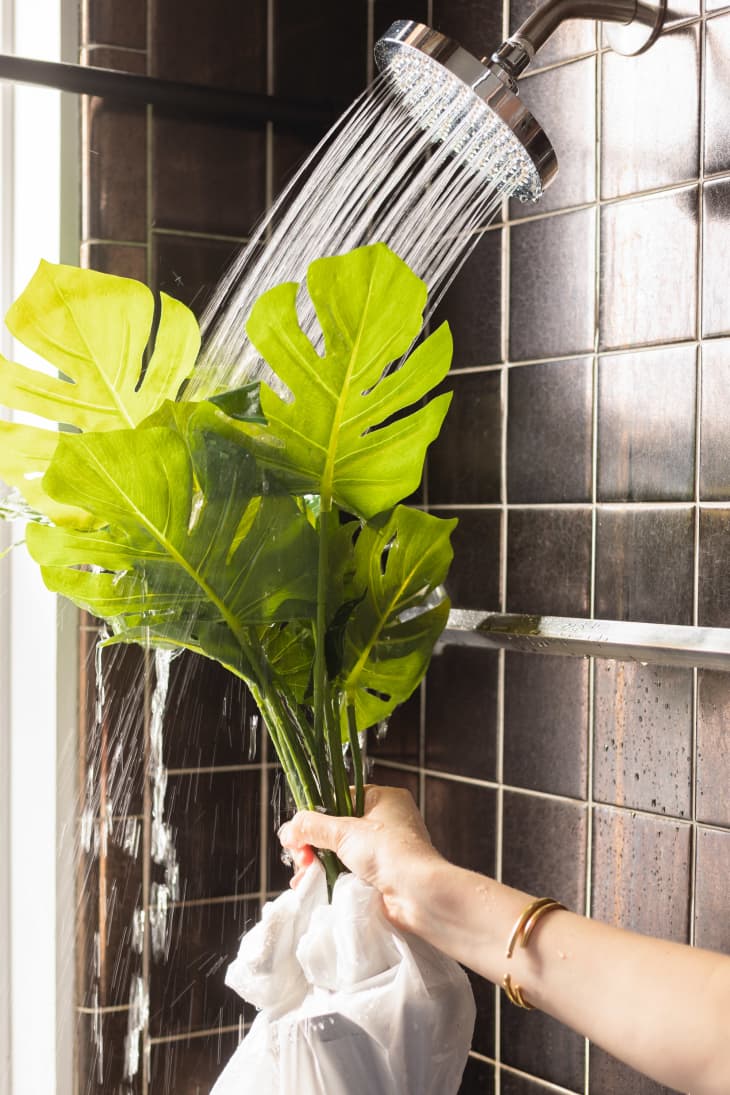
Washing plastic and rubber foliage
– Mix warm water with a few drops of mild dish soap.- Submerge plastic plants or rinse under a gentle stream.
- Use a soft brush for textured areas. Rinse with clean water and air-dry.
-
Cleaning silk and fabric plants
- Test a hidden area first for colorfastness.
- For light dust use a soft cloth or a hairdryer on cool to blow dust off.
- For deeper cleaning, mix one part white vinegar to three parts water and lightly mist the leaves, then gently wipe. Avoid soaking silk.
-
Deep-cleaning stubborn grime
- For mildew or stained synthetic plants, soak in a solution of one cup white vinegar per gallon of water for 10–15 minutes, then rinse thoroughly.
- For tough stains on completely plastic items, a tiny amount of bleach diluted heavily in water can be used cautiously—test first and rinse well.
-
Drying and reshaping
- Shake off excess water and pat with a towel.
- Reshape leaves and branches while damp so they dry in the right form.
- Air-dry in a warm, ventilated spot away from direct heat.
How do you clean fake plants depends on the material. Always start gentle and escalate only if needed. Use the right cleaner for plastic, silk, and preserved foliage to avoid discoloration or warping.
Types of faux plants and special care
Certain materials need unique care. Match the method to the type.
-
Plastic, PVC, and rubber foliage
- Very durable. Safe to rinse, wash, or soak.
- Use mild soap and warm water for deep cleaning.
-
Silk and fabric leaves
- More delicate. Avoid soaking unless labeled washable.
- Use vinegar-water sprays or compressed air for dust.
-
Preserved plants and natural stems
- Do not soak or use liquid cleaners.
- Gently dust and use a soft brush. If labeled, follow manufacturer care.
-
Foam or flocked foliage
- Clean by dusting or very light misting.
- Do not submerge; foam can trap water and deteriorate.
Knowing how do you clean fake plants by material prevents damage. When unsure, test a small hidden spot first.
Tools and supplies you'll need
Keep a small kit handy to make cleaning quick and efficient.
- Soft microfiber cloths
- Feather duster or paintbrush
- Spray bottle for water and cleaning mixes
- Mild dish soap
- White vinegar
- Soft toothbrush or small soft-bristled brush
- Compressed air canister for delicate items
- Towels for drying
These simple tools cover most tasks when you need to know how do you clean fake plants without buying specialty products.

Common mistakes to avoid
Avoid these errors to keep faux plants looking their best.
-
Using harsh chemicals without testing first
- Strong bleach or solvents can fade colors and melt plastic.
-
Soaking delicate silk or preserved plants
- Water can ruin glue, dye, or the shape of fabric leaves.
-
Skipping regular dusting
- Dust left to accumulate becomes harder to remove and makes plants look fake.
-
Using hot water on glued or painted parts
- Heat can loosen glue and strip paint.
-
Rushing drying
- Trapped moisture can cause mildew or odors.
Learning how do you clean fake plants means learning what not to do. These small mistakes are easy to avoid and save replacement costs.

Eco-friendly cleaning options
If you prefer green cleaning, these options work well and are gentle.
-
Plain water and microfiber cloth
- Effective for light dust and safe for most materials.
-
Vinegar solution
- One part white vinegar to three parts water cleans and disinfects without harsh chemicals.
-
Baking soda paste for stains
- Use sparingly on rigid plastic, then rinse well.
-
Reusable cloths instead of paper towels
- Better for the planet and gentle on leaves.
Using eco options shows how do you clean fake plants safely while reducing chemical exposure in your home.
Personal experience and practical tips
I once inherited a set of large faux plants that had sat in a storage unit for two years. They were coated in grime and looked ruined. I followed gentle washing for plastics, vinegar for mildew, and reshaped branches while drying. The result: renewed, natural-looking pieces that saved me hundreds of dollars.
Here are lessons I learned:
- Start with the gentlest method first. If dusting fixes it, don’t over-clean.
- Keep a small brush for crevices. It saves time and prevents buildup.
- Store away from direct sun to reduce fading.
- Maintain a routine: quick dust weekly, deeper clean quarterly.
These tips reflect real practice. They show how do you clean fake plants efficiently and protect your decor investment.

Frequently Asked Questions of How do you clean fake plants
How often should I clean fake plants?
Clean dust weekly with a duster or cloth. Do a deeper wash or vinegar clean every 2–3 months depending on location and dust levels.
Can I put fake plants in the dishwasher?
Only small, heat-safe plastic plants without glue or foam can go in a dishwasher on a gentle cycle. Test first and avoid heat-dry settings.
Is vinegar safe for all fake plants?
Vinegar mixed with water is safe for most plastics and many fabrics, but always test a hidden area on silk or dyed materials to prevent color loss.
How do I remove mildew from fake plants?
Soak plastic items in a diluted vinegar solution for 10–15 minutes, scrub gently, rinse well, and air-dry in sunlight if possible.
Will cleaning damage the glue or paint on faux plants?
Harsh solvents, hot water, and excessive scrubbing can loosen glue or remove paint. Use mild cleaners and test in an inconspicuous spot first.
Can I use a vacuum to clean fake plants?
Yes, use a vacuum with a brush attachment on low suction for sturdy plants. Keep distance to avoid pulling off delicate leaves.
Conclusion
Regular cleaning keeps your faux plants bright, safe, and long-lasting. Use gentle dusting for weekly care, mild soap or vinegar for deeper cleans, and match methods to the material to avoid damage. Start simple, test before using stronger solutions, and build a short routine that fits your home. Try one cleaning tip this week and watch your faux foliage transform—then share your results or questions below and subscribe for more practical home care advice.