Place outdoor-rated artificial stems into anchored foam or soil, secure, and protect with UV spray.
I have planted fake flowers outside for years, and I will walk you through every step of how to plant fake flowers outside with clear, tested methods. This guide blends hands-on tips, design ideas, and maintenance advice so your outdoor faux blooms look natural and last through weather and seasons. You will learn tools to use, mistakes to avoid, and simple tricks I learned the hard way to keep colors bright and stems secure.
Why plant fake flowers outside?
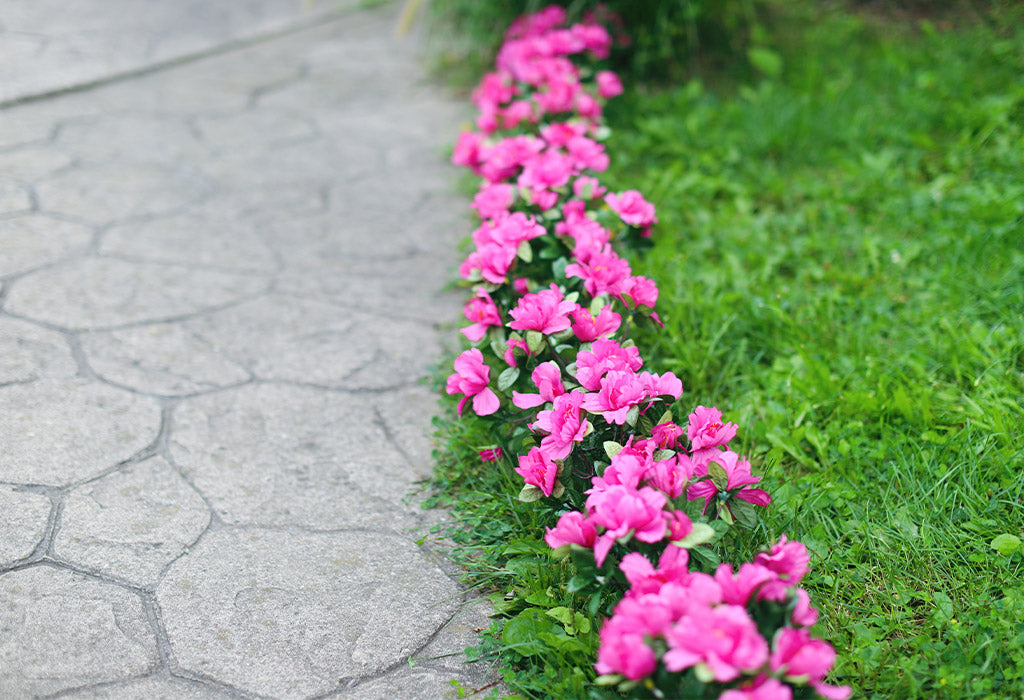
Many people want color with no upkeep. Fake flowers give steady blooms year-round. They are ideal where real plants struggle, like shady corners or hot patios. You can plant fake flowers outside to save time, avoid allergies, and keep a tidy yard with constant color.
Fake flowers are not all the same. Choose outdoor-rated materials. Cheap indoor silk will fade fast. I learned this after a season where my front bed looked washed out. Investing in UV-resistant stems made the difference.

Materials and tools you need
Use reliable gear. Here is a list that works well.
- Outdoor-rated artificial flowers with UV protection. Pick colors you love.
- Floral foam blocks or gravel-filled planter for stability.
- Long garden stakes or bamboo canes to hold stems upright.
- Horticultural wire and zip ties to anchor stems.
- Landscape fabric or potting soil for containers.
- UV-protectant spray and clear waterproof glue.
- Wire cutters, scissors, pliers, and gloves.
- Heavy planters, decorative rocks, or sand for weight.
Choosing good materials reduces maintenance. The right items make planting fake flowers outside easy and secure.

Step-by-step: how to plant fake flowers outside
Follow these steps to install faux blooms that look natural and stay put.
-
Site selection and prep
Choose sun, shade, or sheltered areas based on the look you want. Clean the space of debris. If using a flower bed, remove loose mulch where you will place stems. -
Prepare stems
Trim plastic or wired stems to fit your height needs. Bend wire ends to create small hooks. Group smaller stems into clusters for fuller looks. -
Secure anchors
Use garden stakes or bamboo canes for tall stems. Drive stakes firmly into soil or foam. Attach stems to stakes with horticultural wire or zip ties for wind resistance. -
Plant in foam or soil
For ground beds, push sturdy stakes into the earth and pack soil tight. For containers, fill with gravel or foam block and add potting soil around anchors. Place stems into the foam or around the stake and press firmly. -
Blend with live plants or mulch
Add small live plants, moss, or mulch around bases to hide foam and make the installation look natural. Use rocks or decorative bark near stems to add depth. -
Protect and seal
Spray UV protectant evenly over the flowers and stems. Apply clear waterproof glue at key joints for extra holding power. Let cure per product instructions. -
Final adjustment
Step back and reshape petals and leaves. Rotate or flop stems as needed to mimic natural growth.
Practice makes it easier. I start small the first time, then scale up. Planting fake flowers outside becomes quick after a couple of tries.

Design tips and placement ideas
Good design hides the fake look. Try these ideas.
- Use mixed heights to mimic real gardens. Tall stems in back, short ones in front.
- Mix faux flowers with low-maintenance live plants. This adds motion and scent.
- Place faux blooms near seating areas and entrances for impact.
- Use planters with real soil and top with moss to hide foam.
- Group same-color flowers for strong visual hits, and add a few contrasting blooms.
Think like a painter. Place color where the eye rests. I often map spots on paper first to avoid crowding. Planning saves time and improves appearance.

Maintenance and care for longevity
Faux flowers need care too. Regular upkeep keeps them bright and secure.
- Clean gently with a soft brush or damp cloth to remove dust and pollen.
- Reapply UV spray once or twice a year, especially after harsh sun or heavy rain.
- Tighten ties and replace broken stakes after storms.
- Store delicate pieces indoors for long winters if you live in harsh climates.
- Replace faded blooms as needed rather than letting them sit.
A little care extends life. I clean mine every month in spring and fall. It takes minutes and keeps colors crisp.
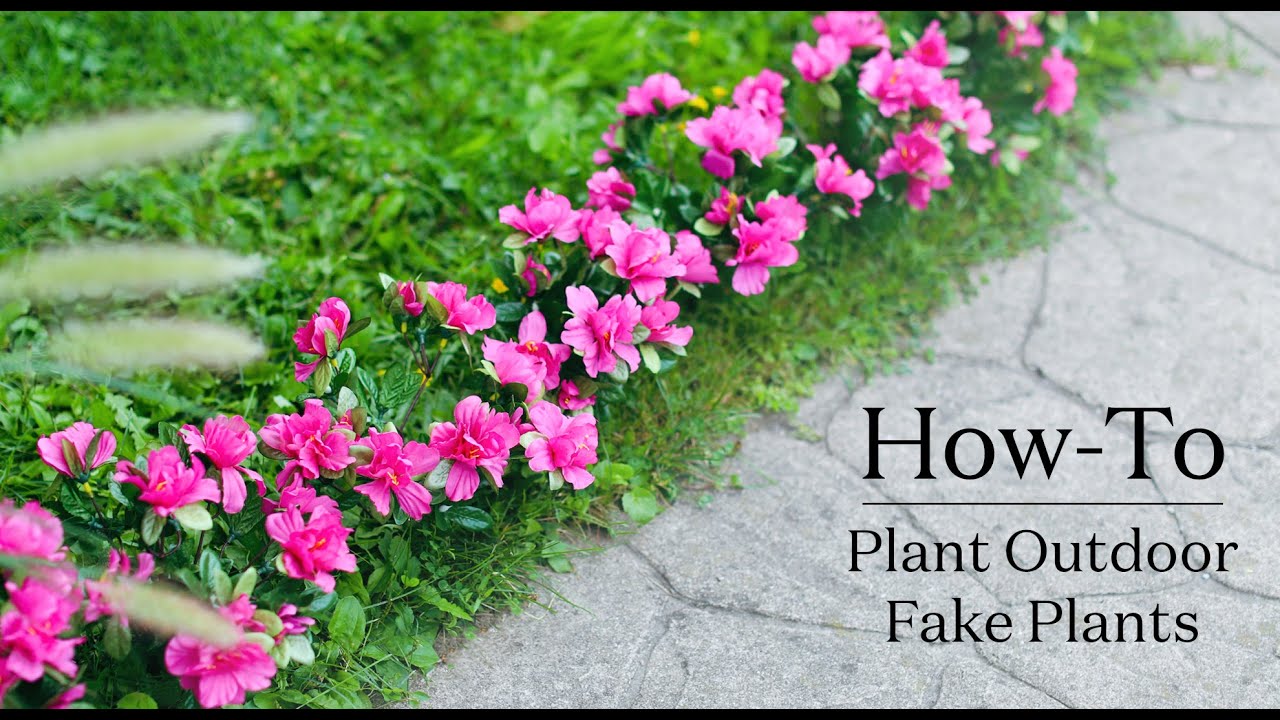
Troubleshooting common problems
Expect a few bumps. Here’s how to fix them.
-
Fading from sun
Apply UV-protectant spray and choose outdoor-rated flowers. Replace the most faded pieces after a couple of seasons. -
Wind damage
Use longer stakes and tie stems to anchors. Add weight to planters with rocks or sand. -
Plastic shine or fake look
Gently dust and slightly bend petals to create a more natural shape. Add real foliage or moss at the base. -
Water pooling in containers
Improve drainage with holes or add a layer of gravel. Elevate planters on blocks to let water escape. -
Theft or movement
Use discreet anchors and heavier pots. Secure with garden ties or outdoor cable locks when needed.
These fixes are simple. They keep your faux display attractive and durable.
Safety and environmental notes
Fake flowers can be safe when used responsibly. Use non-toxic paints and adhesives. Avoid small parts that children or pets could swallow. Recycle or repurpose old faux stems to reduce waste. If you remove old plastic, consider donating reusable pieces.
I once salvaged many stems to build a winter wreath. Repurposing saves money and reduces landfill waste.

Frequently Asked Questions of How to plant fake flowers outside
How long do fake flowers last outdoors?
Outdoor-rated fake flowers can last two to five years with proper UV protection and care. Lifespan varies with sun exposure and weather.
Can fake flowers be planted directly in the ground?
Yes, with strong stakes and secure anchors, you can plant fake flowers directly into soil. Use landscape fabric or foam for extra stability.
Will fake flowers fade in full sun?
Many will fade without UV-resistant materials or sprays. Choose UV-treated products and reapply UV protectant annually.
Are fake flowers safe for pets and kids?
Most are safe, but watch for small parts or toxic inks on cheaper items. Secure items so they cannot be chewed off and swallowed.
How do I make fake flowers look natural?
Mix heights, bend stems slightly, add live or dried foliage, and hide bases with moss or mulch. Small imperfections make them look real.
Do I need to remove fake flowers in winter?
In mild winters you can leave them, but in harsh climates it helps to store delicate pieces indoors to prevent cracking and fading.
Conclusion
Planting fake flowers outside gives you reliable color with little fuss. Follow the steps above on how to plant fake flowers outside, choose quality materials, and do small seasonal care. Try one small bed first to build confidence, and use the design tips to blend faux blooms with real elements. Share your results or questions below, subscribe for more garden tips, or leave a comment about your favorite faux-flower tricks.