You should cover food in the microwave using microwave-safe lids, paper towels, or parchment paper to prevent splatters. Mastering the simple act of covering your meal is the secret to perfectly reheated leftovers that stay moist and keep your appliance clean. Over my years in the kitchen, I have learned that the way you treat your food during the heating process determines whether you enjoy a succulent dish or a dry, unevenly heated mess. Learning how to cover food in microwave settings correctly prevents messy explosions and ensures even heat distribution, saving you from the dreaded chore of scrubbing burnt sauce off the walls of your machine.

Why Covering Food Matters
The primary reason to cover food is steam retention. When you microwave food without a lid, the moisture evaporates rapidly, which often leads to tough, chewy textures in proteins and dried-out edges in starches. By learning how to cover food in microwave environments, you create a trapped environment that gently steams the meal, keeping your pasta perfectly al dente and your chicken juicy.
Beyond texture, cleanliness is a major motivator for most home cooks. I once made the mistake of heating a bowl of tomato soup without a cover, and the result was a volcanic eruption of red splatters covering every interior surface. Understanding how to cover food in microwave routines acts as a protective barrier against these messy accidents. It also helps in achieving uniform temperature, as the trapped steam helps cook the top and center of the dish as effectively as the bottom.
Best Materials to Use
Not all covers are created equal, and choosing the right one is essential for safety and efficiency. You should always prioritize materials labeled as microwave-safe to avoid the risk of chemicals leaching into your meal. Here are the most reliable options I keep in my kitchen:
- Microwave safe glass or ceramic plates: These are excellent for covering bowls, acting as a weighted, heat-resistant lid that keeps steam trapped effectively.
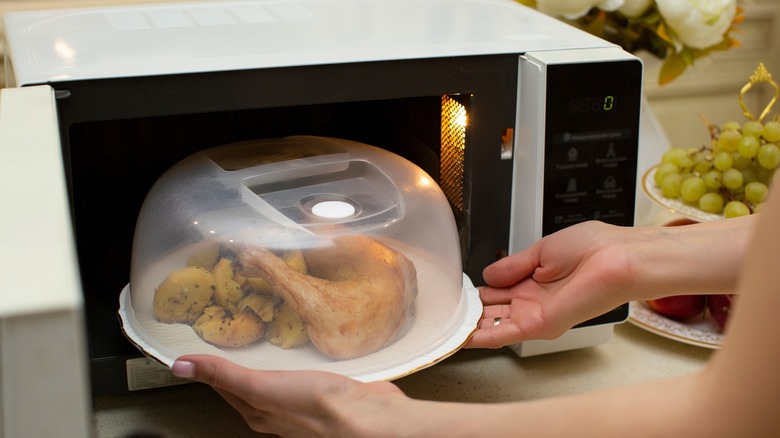
- Microwave safe plastic covers: These vented lids are specifically designed to handle high temperatures and feature adjustable vents to release excess pressure.
- Paper towels: A simple, disposable option that works wonders for preventing small splatters while allowing steam to escape, which prevents food from becoming soggy.
- Parchment paper: This is a great alternative to paper towels if you want to avoid contact with paper fibers, as it is non-stick and heat-stable for short bursts.
- Silicone covers: These are highly durable, flexible, and create an airtight seal on various container sizes, making them a sustainable choice for daily use.
Never use thin plastic wraps that are not specifically designated as microwave-safe, as they can melt directly into your food when they come into contact with hot surfaces. I always check for the stamp on the bottom of my containers before heating them. Learning how to cover food in microwave dishes properly often means avoiding common household materials like aluminum foil, which can cause dangerous arcing and damage your appliance.

Tips for Safe Microwave Heating
When figuring out how to cover food in microwave sessions, remember that ventilation is key to preventing accidents. If your cover is completely airtight, the buildup of steam pressure can cause the container to pop or leak. I always leave a small gap or use a vented cover to allow the excess steam to escape safely.
Another mistake to avoid is letting your cover touch the food directly, especially if the food has high fat or sugar content. These ingredients can reach temperatures high enough to melt plastic or burn paper towels. Always use a cover that sits above the food line. If you are reheating a large portion, pause the microwave halfway through to stir the food and reposition the cover. This simple practice ensures that your meal heats evenly from the center outward, which is the hallmark of a seasoned kitchen expert.

Frequently Asked Questions of how to cover food in microwave
Can I use aluminum foil to cover food in the microwave?
No, you should never use aluminum foil in the microwave because it can cause sparking and arcing. This is a fire hazard and can severely damage your microwave's interior and magnetron.
Why does my food explode when I microwave it?
Food explodes when steam builds up rapidly inside thick sauces or liquids without a way to escape. Using a ventilated cover helps release pressure and prevents the messy, high-pressure eruptions typical of heating stews or soups.
Is it safe to leave a paper towel over my bowl?
Yes, placing a paper towel over a bowl is a safe and effective way to catch splatters. Just ensure the towel is not touching the food directly and use a fresh piece for each heating session.
Does covering food make it cook faster?
Covering food helps it cook more evenly by trapping steam, which creates a more efficient heat transfer environment. While it might slightly speed up the process, its main purpose is to maintain texture and prevent mess.
What should I do if my plastic lid is not microwave safe?
If your lid is not labeled microwave safe, avoid using it entirely as it may melt or release harmful chemicals into your food. Opt for a ceramic plate or a microwave-safe paper towel instead to safely cover your meal.
Conclusion
Learning how to cover food in microwave appliances is an essential skill that saves time, keeps your kitchen clean, and dramatically improves the quality of your leftovers. By choosing the right materials and ensuring proper ventilation, you can transform the way you approach daily meal preparation. My personal advice is to keep a dedicated microwave-safe lid near your appliance so that using it becomes a habit rather than an afterthought. Start testing these methods today to see how much better your food tastes when moisture and heat are managed correctly. If you found these tips helpful, feel free to share this guide with a friend or leave a comment below about your favorite microwave hack.