To cover food in the microwave without plastic, use glass lids, ceramic plates, or damp paper towels.
Learning how to cover food in microwave without plastic is one of those simple kitchen shifts that makes a world of difference for your health and the environment. Over the years, I have transitioned my kitchen to be entirely plastic free, and I can tell you that the microwave is the easiest place to start. Many people do not realize that even heat resistant plastics can leach chemicals when exposed to high temperatures. By switching to natural materials, you protect your food from synthetic contaminants while keeping your appliance splatter free. Let me show you how to master this habit with ease and confidence.

Why You Should Stop Using Plastic Covers
Plastic is everywhere in our modern kitchens, but it is not always the best choice for reheating. When plastic wrap or thin containers are heated, they can release harmful substances into your meal. This is especially true for foods with high fat or sugar content, which absorb heat rapidly. I remember the first time I noticed a piece of plastic wrap melting onto a bowl of pasta; it was an eye opener. Since then, I have relied on safer alternatives that are better for my family and the planet.
Using non plastic covers also provides better ventilation. Unlike tight plastic wrap, materials like glass or ceramic allow steam to escape naturally, which prevents your food from becoming soggy or rubbery. You will find that your leftovers taste much fresher when you stop trapping that excess moisture. Plus, these options are reusable, which means you save money and reduce waste over time.
Top Alternatives to Plastic for Microwaving
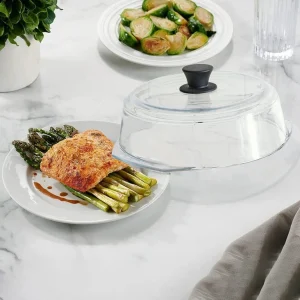
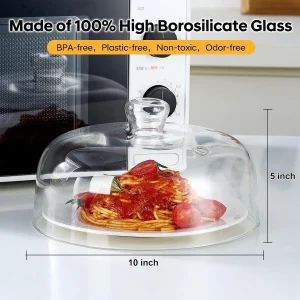
There are several effective ways to cover food in microwave without plastic. My personal favorite is using a dedicated microwave safe glass lid. These are durable, easy to clean, and fit perfectly over most standard bowls. If you do not have a dedicated lid, a simple dinner plate works just as well. Simply place the plate face down over your container to create a heat seal that holds in moisture while letting steam vent from the sides.
Another excellent method involves using parchment paper. Unlike wax paper, which can sometimes melt, high quality parchment paper is heat resistant and safe for short durations. If you are heating something quick, a damp paper towel is a classic trick. It creates a gentle steam effect that keeps grains like rice or quinoa from drying out. Just ensure your paper towel is free of any metallic patterns or synthetic dyes.

Practical Tips for Mess Free Reheating
One of the biggest concerns when you learn how to cover food in microwave without plastic is preventing messy splatters. Without a tight plastic seal, some people worry about sauce hitting the walls of the machine. I found that the best strategy is to keep a collection of different sized ceramic saucers and glass saucers handy. When you cover food in microwave without plastic using a ceramic plate, the weight of the plate often acts as a natural splash guard.
If you are heating soup or sauce, you can also place a small glass ramekin upside down inside the bowl before covering it with a larger plate. This trick helps distribute heat more evenly throughout the dish. I always recommend using a slightly larger cover than the bowl itself. This creates enough airflow to prevent pressure buildup, which is essential when you want to avoid a potential kitchen mess. By being mindful of the cover size, you ensure that your reheating process is efficient and clean.
Frequently Asked Questions of how to cover food in microwave without plastic
Is it safe to use paper towels as a cover in the microwave?
Yes, using plain, unprinted paper towels is safe for short reheating sessions. Ensure the paper towel is slightly damp to prevent it from drying out or catching fire.
Can I use a regular glass bowl to cover my food?
Absolutely, placing a glass bowl upside down over a plate is a highly effective way to cover food in microwave without plastic. Make sure the glass is heat tempered to avoid cracking under sudden temperature changes.
Are there any materials I should never put in the microwave?
Never use metal, aluminum foil, or any containers with metallic trim, as these can spark and damage your appliance. Always stick to glass, ceramic, or paper products that are clearly labeled as microwave safe.
Does covering food affect the cooking time?
Covering your food generally speeds up the process by trapping steam, which helps heat the food more consistently. You may want to check your meal a few seconds earlier than usual to avoid overcooking.
What is the best way to clean my non plastic covers?
Most glass and ceramic covers are dishwasher safe and can be cleaned alongside your regular dishes. If you use paper covers, simply compost them after each use to keep your kitchen sustainable.
Conclusion
Making the switch to plastic free alternatives for your microwave is a simple yet impactful step toward a healthier home. By choosing glass, ceramic, or paper, you avoid the risks of chemical leaching while enjoying perfectly reheated meals every time. Whether you are using a spare dinner plate or a dedicated glass lid, these methods prove that you do not need synthetic materials to keep your kitchen running smoothly. Start small by trying one of these alternatives today and notice how much better your food tastes. If you found these tips helpful, please share this guide with a friend or leave a comment below about your favorite way to cover food in the microwave.