Most fire extinguishers are good for about 5 to 15 years with proper maintenance.
I’ve inspected, serviced, and replaced hundreds of extinguishers in homes and businesses. This article explains how long are fire extinguishers good for by type, by maintenance routine, and by testing rules. Read on to learn clear steps to check, test, and replace extinguishers so yours work when you need them most.

How long are fire extinguishers good for? A clear overview
The simple answer depends on type and care. Portable dry chemical extinguishers commonly last 5 to 15 years. Stored-pressure water or CO2 units can last a similar time when serviced. How long are fire extinguishers good for changes with inspections, recharges, and hydrostatic tests. Regular checks extend service life and ensure performance.

Types of extinguishers and typical lifespans
Fire extinguisher life varies by type. Knowing the type helps answer how long are fire extinguishers good for in practice.
- Stored-pressure dry chemical
- Often rated 5 to 15 years with annual checks and maintenance.
- Cartridge-operated dry chemical
- Can last 10 to 20 years if cylinders are inspected and recharged.
- Carbon dioxide (CO2)
- Usually 5 to 15 years, but hoses and valves need periodic checks.
- Water and foam
- Typically 5 to 15 years; internal corrosion is the main risk.
- Clean agents (Halotron, FM-200)
- Often 5 to 15 years; check valves and seals during service.
How long are fire extinguishers good for will depend on manufacturing date, storage conditions, and service history. Keep records to track age and tests.

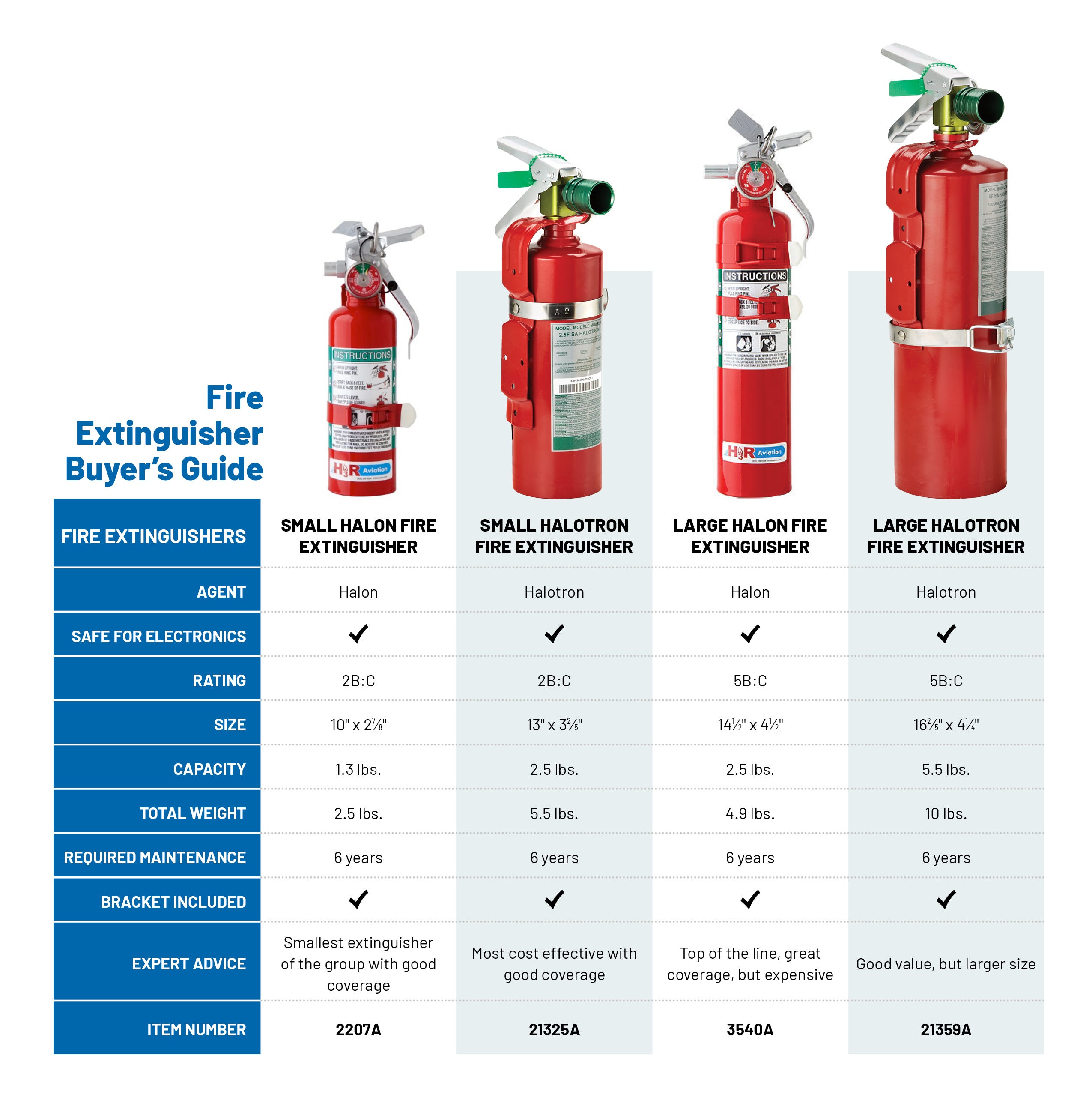
Labels, manufacture dates, and how to read them
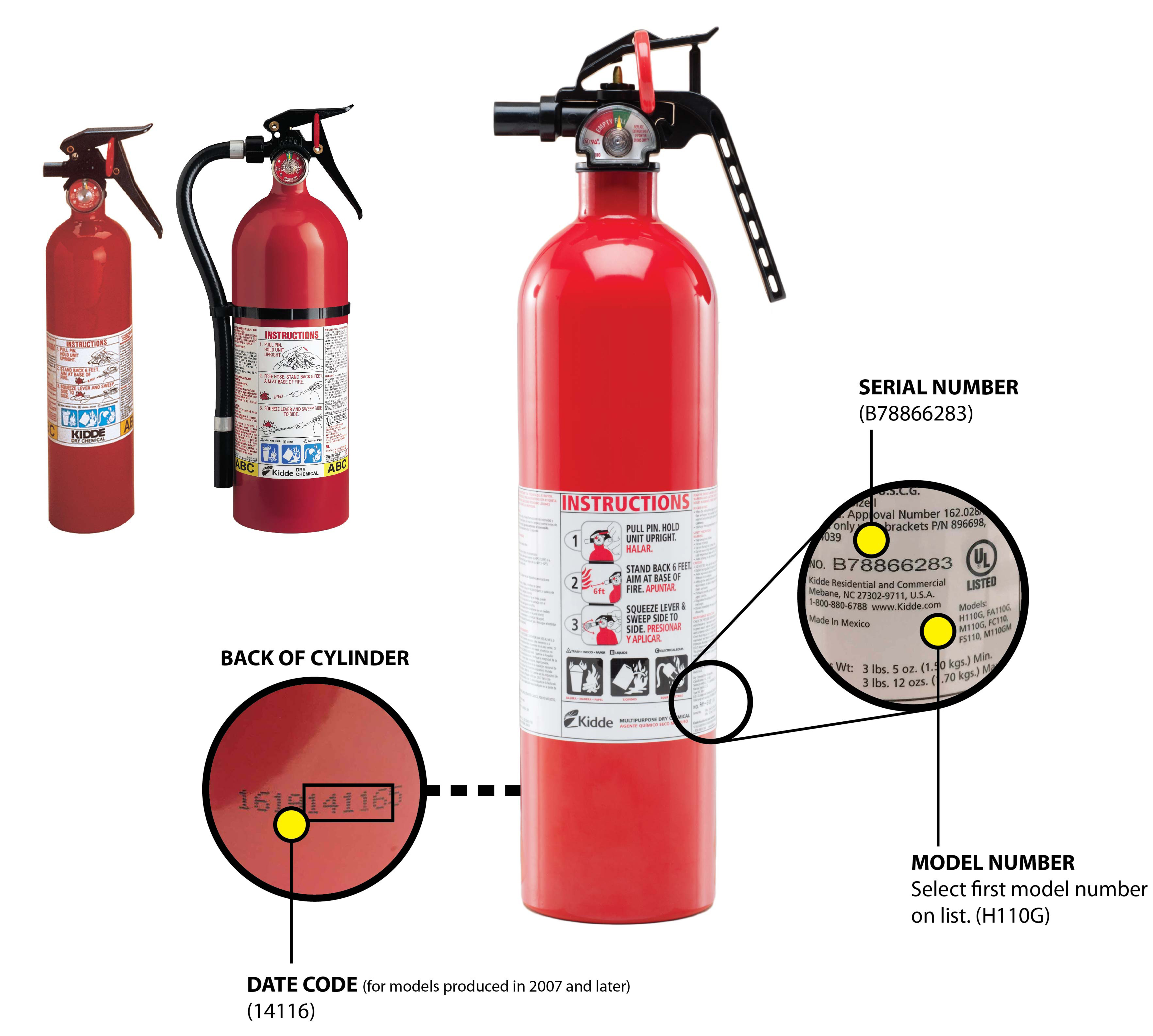
Most extinguishers display a date or serial code. This helps you know how long are fire extinguishers good for. Look for:
- Month and year stamped on the cylinder collar.
- A manufacturing code that your vendor can decode.
- Tags showing last inspection, recharge, or hydrostatic test date.
If the date is unclear, treat the unit as older and schedule an inspection. Accurate date reading makes replacement decisions simple.
Inspection, maintenance, and testing schedules
Routine care affects how long are fire extinguishers good for. Follow these basic steps.
- Monthly visual checks
- Confirm gauge shows proper pressure, pin and seal intact, and no visible damage.
- Annual maintenance
- A trained technician should do a hands-on check and record service.
- Recharge after use
- Any discharge, even partial, requires immediate recharge.
- Hydrostatic testing
- Metal cylinders usually need hydrostatic testing every 5 or 12 years depending on type.
- Professional servicing
- Keep service tags current to prove compliance and reliability.
Consistent maintenance preserves function. If you skip these tasks, how long are fire extinguishers good for drops significantly.
Signs an extinguisher is no longer good
You can often spot issues without special tools. Watch for these signs that answer how long are fire extinguishers good for in practice.
- Corrosion or rust on the cylinder or seams.
- A damaged hose, nozzle, or missing pressure gauge.
- A weight change that suggests moisture or leakage.
- Discharge problems during a monthly squeeze test by a pro.
- Expired service tags or missing inspection records.
If you see any of these, schedule a professional evaluation. Don’t rely on an extinguisher that looks compromised.
When to replace vs recharge vs hydrostatic test
Deciding what to do keeps your protection strong. This guides how long are fire extinguishers good for in real terms.
- Recharge after any use, even small discharges.
- Replace if the shell has severe rust, dents, or failed hydrostatic tests.
- Hydrostatic test when required by type and age—commonly every 5 or 12 years.
- Replace disposable plastic-bodied units when recommended by the manufacturer.
A professional technician can tell you whether to repair, test, or replace. Keep receipts and tags for clarity and safety audits.
Safe disposal and recycling
Old extinguishers need careful disposal. Knowing how long are fire extinguishers good for helps you plan disposal.
- Never throw a full extinguisher in the trash.
- Empty and depressurize only if you are trained.
- Take old units to a recycling center or hazardous waste facility.
- Some shops accept old cylinders and handle safe disposal.
Proper disposal is safe and often required by local rules. Ask your fire safety vendor for help if unsure.
My experience and practical tips
I once found an office with 20-year-old units. Labels were faded and gauges were stuck. After a professional check, several units failed hydrostatic tests. We replaced them and set up a tracking log. From that job I learned these tips that affect how long are fire extinguishers good for:
- Keep a simple spreadsheet or tag with dates for each extinguisher.
- Train staff to do quick monthly visual checks.
- Replace units that are older than manufacturer guidance, even if they look fine.
- Work with a certified service provider for annual inspections.
These small steps prevent big problems and keep your extinguishers reliable.
Cost considerations and budgeting for replacement
Budgeting helps you plan for replacement and service. The price matters for how long are fire extinguishers good for in practice.
- Basic home units are low cost but may need replacement sooner.
- Commercial-grade units cost more but often last longer with service.
- Factor in annual inspection fees and periodic hydrostatic testing.
- Replace several units at once to save on labor costs.
Plan a maintenance budget. It keeps your protection active and predictable.
Regulatory and insurance factors
Rules and insurance policies affect life expectancy. They shape how long are fire extinguishers good for from a compliance view.
- Local fire codes may require certain inspection intervals.
- Insurance carriers may demand service records for claims.
- Businesses often need tagged and logged inspections to meet standards.
Follow rules and keep records. This protects lives and lowers liability.
Frequently Asked Questions of how long are fire extinguishers good for
How long do household fire extinguishers last?
Most household extinguishers last 5 to 15 years. Proper upkeep and annual checks keep them reliable.
Do fire extinguishers expire?
They don't "expire" like food, but their useful life ends if not tested or if components corrode. Age, damage, and missed maintenance shorten lifespan.
When should I hydrostatically test an extinguisher?
Hydrostatic testing is usually every 5 or 12 years depending on type. A certified technician should perform the test and mark the date.
Can I keep using an extinguisher with a low gauge reading?
No. A low pressure gauge means it may not work. Get it recharged or replaced before relying on it.
Is recharging the same as replacing?
No. Recharging restores agent and pressure after use. Replacement is needed for failed hydrostatic tests, severe damage, or out-of-date units.
Final thoughts and next steps
Keeping extinguishers ready saves lives. Track manufacture dates, get annual service, and follow testing schedules. If you are unsure how long are fire extinguishers good for in your situation, schedule a professional inspection today. Take one small step now: check the gauge and tag on your nearest extinguisher, then set a reminder for annual service. Share this article, subscribe for more safety tips, or leave a comment about your extinguisher experience.