Authentic oriental rugs typically cost $500 to $20,000+, depending on size, age, and origin.
I’ve worked with collectors, interior designers, and families for years, buying and appraising rugs from bazaars to auction houses. If you’re wondering how much are oriental rugs and what drives those prices, this guide explains the real factors, typical price ranges, appraisal tips, and smart buying moves. Read on to get clear, practical answers you can use today.
How much are oriental rugs: pricing overview
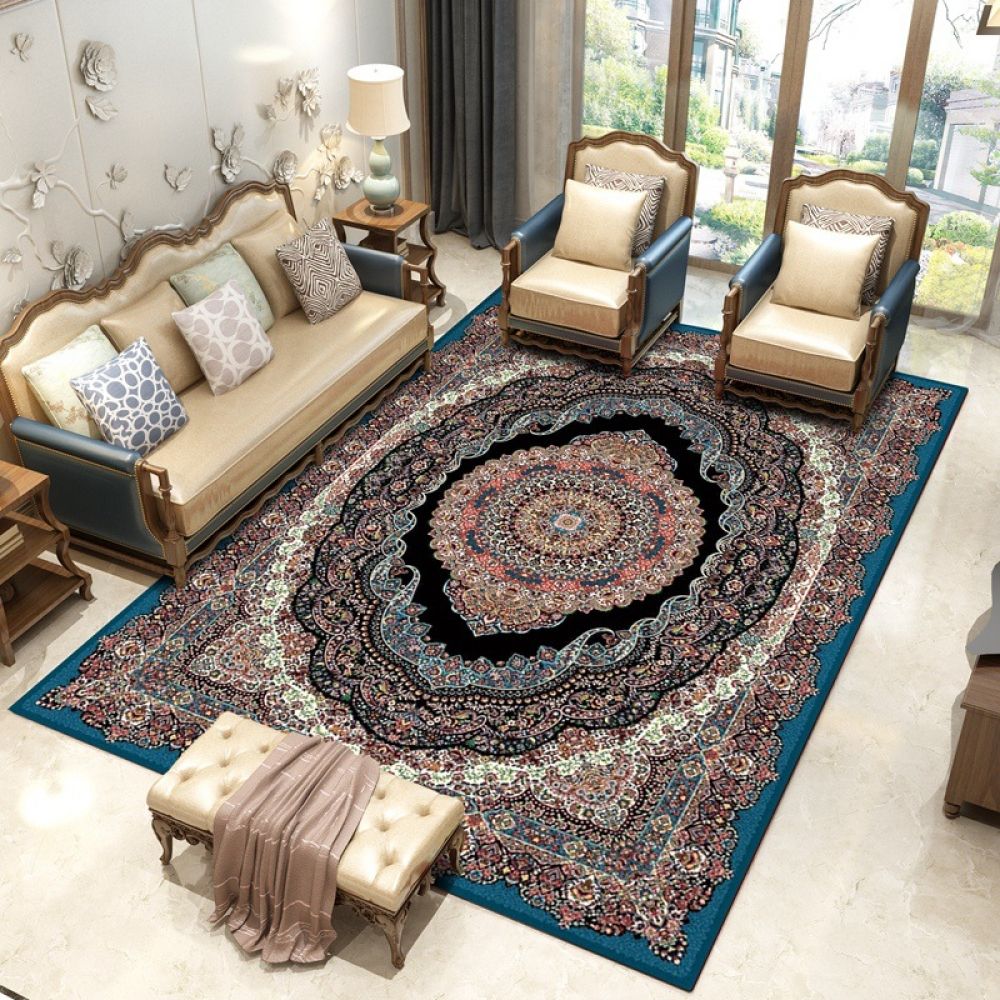
How much are oriental rugs depends on craft, material, size, origin, age, and condition. Handmade rugs with natural dyes and dense knots cost much more than machine-made or mass-produced pieces. Expect wide ranges: small, modern rugs can be a few hundred dollars while rare antique carpets can fetch tens or hundreds of thousands.
Key drivers that set prices
- Material: wool, silk, cotton, or blends greatly affect cost.
- Construction: hand-knotted is highest; hand-tufted and machine-made are lower.
- Origin: Persian, Turkish, Caucasian, and Chinese rugs have distinct pricing tiers.
- Age and rarity: antique and well-preserved tribal pieces are premium.
- Condition and restoration: damage or over-restoration cuts value.

Typical price ranges by type and origin
Here are practical ranges to know when you ask how much are oriental rugs. These are general and reflect market trends for common sizes.
General price bands
- Small machine-made area rug (2×3 to 4×6 feet): $50 to $600.
- Small hand-knotted rug (2×3 to 4×6 feet): $300 to $3,000.
- Medium hand-knotted rug (5×8 to 8×10 feet): $800 to $15,000.
- Large antique or high-end Persian rugs (9×12+): $5,000 to $100,000+.
- Silk rugs and finely knotted Persian masterpieces: $10,000 to several hundred thousand.
Price by common origins
- Persian (Iran): Often top-tier; many mid to high-end prices.
- Turkish and Caucasian: Broad range; good value in tribal pieces.
- Chinese: Can be lower for mass-produced; antiques may be costly.
- Indian and Pakistani: High-quality hand-knotted rugs at lower prices than Persian.

Factors that most influence how much are oriental rugs
Knowing these factors helps you evaluate a rug fast. I use them when checking a rug at market stalls or online listings.
Material and dye
- Wool is most common and durable.
- Silk raises price sharply due to sheen and labor.
- Natural dyes add value over synthetic dyes.
Knot density and technique
- Knots per square inch (KPSI) signals detail and time invested.
- Higher KPSI usually equals higher value, especially in Persian rugs.
Design, rarity, and provenance
- Unique patterns or known workshop provenance raise prices.
- Signed pieces or documented history add premium.
Condition and repairs
- Minimal, sympathetic restoration keeps value.
- Over-cleaning, large holes, or heavy repairs lower price a lot.
Market trends and demand
- Antique collecting trends and interior design cycles affect retail prices.
- Geographic demand also plays a role: metropolitan markets often pay more.
How to appraise and determine value when asking how much are oriental rugs
When I appraise a rug, I follow a quick checklist you can use too. This helps avoid costly mistakes.
Step-by-step quick appraisal
- Check the back for knots and foundation to confirm hand-knotting.
- Count knots in a small area to estimate KPSI.
- Identify materials by touch and sheen; silk feels smoother.
- Examine dyes under natural light to tell natural vs synthetic.
- Look for labels, signatures, or wear patterns that hint age.
Practical tips I learned
- Ask the seller for provenance and any restoration records.
- Compare similar pieces in galleries and auction results.
- If in doubt, get a professional written appraisal for insurance or sale.

Where to buy and how much are oriental rugs you can expect to pay
Your purchase channel affects price, authenticity risk, and return options. Each option suits different budgets and goals.
Buying options and what to expect
- Local rug shops: Mid to high prices but reliable expertise and return policies.
- Antique dealers and auctions: Good for rare finds; expect higher variability.
- Online marketplaces: Wide range and often lower prices; inspect return policy.
- Flea markets and bazaars: Chance of bargains; high risk without expertise.
My experience buying rugs
- I once found a village rug at a market for far below gallery price. I paid cash, inspected closely, and later sold it for a profit after gentle cleaning.
- When buying online, request extra photos and a condition report to avoid surprises.

How condition and maintenance affect long-term value
How much are oriental rugs over time depends on care. A well-cared rug can increase in value; a neglected one loses value fast.
Maintenance tips that preserve value
- Rotate rugs every few months to even wear.
- Use proper padding under area rugs to reduce friction.
- Vacuum gently and avoid beater bars on fringe.
- Refrain from DIY cleaning; use specialists for deep cleans.
Restoration tips
- Minor, tasteful restoration can protect value.
- Over-restoration or altering original design reduces collector interest.
Smart ways to save without compromising quality
If you want value without overspending when wondering how much are oriental rugs, try these tactics.
Saving strategies
- Buy slightly off-size rugs to save; trimming is doable but costly.
- Consider high-quality Afghan or Pakistani pieces as value alternatives.
- Shop end-of-season sales, estate sales, or auctions for bargains.
- Verify return policies and warranties for online purchases.
Negotiation tips
- Ask about provenance, time on the floor, and last asking price.
- Offer well-reasoned counteroffers based on condition or comparable sales.
Frequently Asked Questions of how much are oriental rugs
What factors most affect how much are oriental rugs?
Material, knot density, origin, age, condition, and rarity are the main factors. Market demand and provenance also play big roles.
Can a cheap oriental rug increase in value?
Yes, with proper care and if it gains collector interest, a rug can increase in value. However, mass-produced pieces rarely appreciate significantly.
How can I tell if a rug is hand-knotted or machine-made?
Look at the back: hand-knotted backs show clear, individual knots and slight irregularities. Machine-made rugs have uniform stitching and a woven backing.
Are antique oriental rugs always worth more than new ones?
Not always. Antique rugs in poor condition or heavily restored pieces can be worth less. Well-preserved antiques or rare tribal pieces tend to command higher prices.
Is it better to buy from a shop or online when asking how much are oriental rugs?
Both have pros and cons. Shops offer expertise and inspection; online gives variety and price options. Always verify return policies and request detailed photos.
How much should I budget for cleaning and maintenance?
Professional cleaning every 3–7 years can cost $200 to $1,000 depending on size and material. Regular preventive care and padding are low-cost ways to protect value.
Conclusion
Understanding how much are oriental rugs comes down to knowing materials, craft, origin, and condition. Use the price ranges, appraisal checklist, and buying tips here to make smarter choices. Start by inspecting any rug closely, ask for provenance, and learn a few red flags to avoid costly errors. If you found this guide useful, explore more resources, subscribe for updates, or leave a comment with the rug you’re considering — I’ll help you evaluate it.