Look for solid construction, real wood, dovetail drawers, and quality hardware—inspect closely.
As a furniture buyer and maker with years of hands-on experience, I know how to find a high quality dresser without getting fooled by pretty pictures. This guide breaks down the real signs of quality, step-by-step inspection tips, and smart buying strategies so you can pick a dresser that lasts. Read on for clear advice, practical checks, and the insider mistakes to avoid when hunting for a great dresser.

What defines a high quality dresser
A high quality dresser starts with materials and ends with fit and finish. Expect solid frames, durable drawer construction, and hardware that glides smoothly. Good joinery and a stable base tell you the piece was made to last.
Look for:
- Solid wood or high-grade plywood in the frame.
- Dovetail joints in the drawers.
- Full-extension or quality glides.
- Even finish with no blotches or drips.
When you know these markers, finding how to find a high quality dresser becomes much easier. Trust the structure, not just the looks.
Materials and construction to prioritize
Material choice determines longevity. Solid hardwood like oak, maple, or walnut is best. High-grade plywood veneered with real wood can be a good, lower-cost option. Avoid thin particleboard for key structural parts.
Important signs:
- Kiln-dried wood resists warping.
- Solid back panels add strength.
- Sturdy rails and center support prevent sagging.
- Evidence of glue plus mechanical fasteners for joints.
Understanding materials helps you judge value. Knowing how to find a high quality dresser means focusing first on what’s inside the piece, not just the outer veneer.
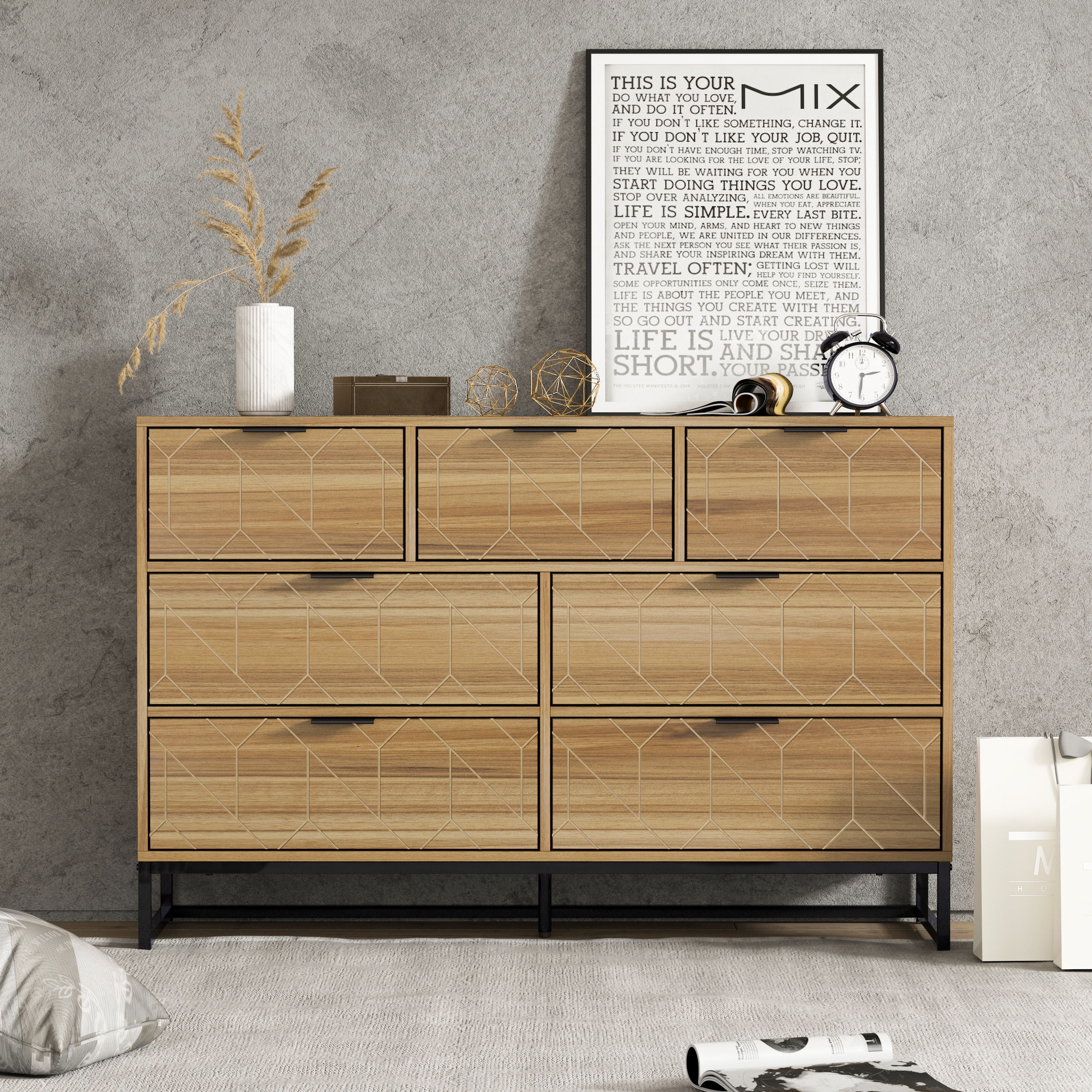
Drawer design and hardware
Drawers reveal a lot about quality. Well-made drawers slide smoothly and fit tightly. Cheap drawers wobble or stick.
What to check:
- Dovetail joints at drawer corners are a top sign.
- Solid wood or plywood drawer boxes are preferable.
- Full-extension slides let you use the full drawer depth.
- Soft-close mechanisms are nice but not necessary if strong glides are present.
- Metal drawer bottoms or reinforced plywood hold weight better than thin fiberboard.
Try each drawer in person if you can. This is one of the best ways to test how to find a high quality dresser.

Size, fit, and layout matters
A dresser must fit your room and your habits. Size and layout affect usability and appearance.
Measure for:
- Proper height for your bed and room scale.
- Drawer depth to hold folded clothes.
- Top surface strength if you place a TV or heavy objects.
- Clearance for doors and walkways.
A well-sized dresser looks balanced and makes daily tasks easier. Prioritize dimensions when learning how to find a high quality dresser.
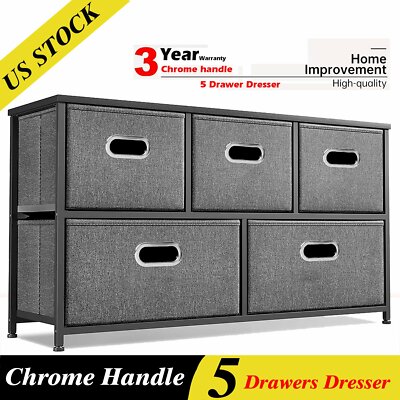
Finish and aesthetics — what to inspect
Finish protects the wood and impacts longevity. A good finish is even and well-applied. Cheap finishes show brush marks, bubbles, or thin spots.
Finish checklist:
- Consistent color and sheen across surfaces.
- No sticky or rough patches.
- Sealed edges at joints and drawer openings.
- Stain that highlights wood grain, not hides it.
Style should match your room, but durability and finish technique should guide your decision. This will help you match looks with lasting quality when you try to find a high quality dresser.
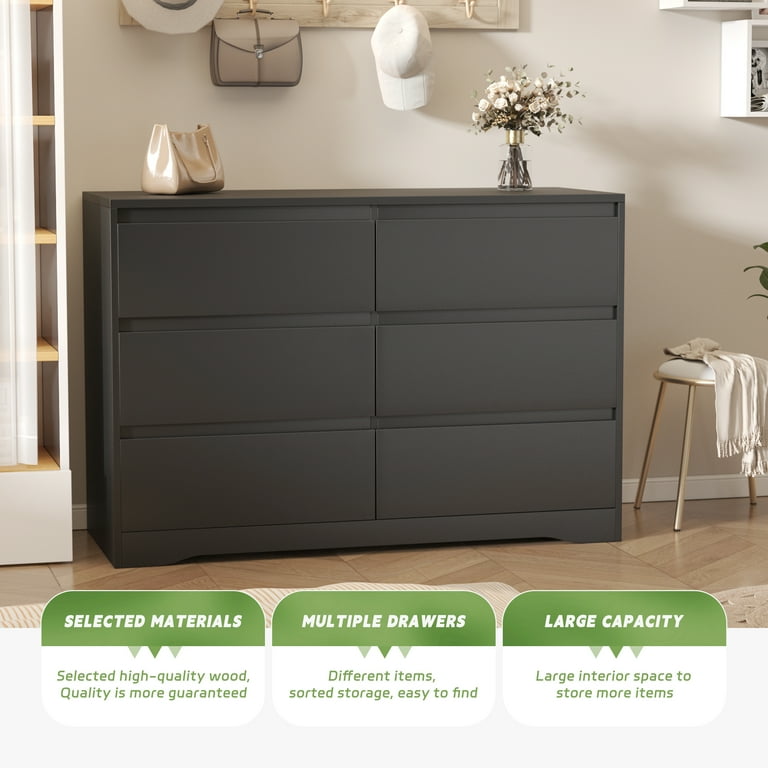
Where to buy and brand considerations
You can buy a high quality dresser from custom makers, reputable furniture stores, or trusted online retailers. Each has pros and cons.
Buy from:
- Local craftsmen for customization and repair support.
- Specialty furniture stores with clear material lists.
- Well-reviewed online retailers that show construction details.
Look for clear product specs, return policies, and warranty. These indicators help you safely learn how to find a high quality dresser.

Budget, value, and long-term cost
Higher price often equals better materials and workmanship, but value matters more than sticker price. A mid-range solid-wood dresser can outlast multiple cheap buys.
Consider:
- Cost per year of expected use.
- Repairability and replaceable hardware.
- Resale or heirloom potential.
When you factor longevity, you often save money. Use that mindset when searching for how to find a high quality dresser.

Inspection checklist: step-by-step when shopping
Use this quick inspection when you see a dresser in person or on detailed listings.
Walk-through:
- Open every drawer to test fit and glide.
- Inspect drawer corners for dovetail joints.
- Look under and behind for solid frame and back panel.
- Tap the surfaces to hear for hollow or thin areas.
- Check hardware tightness and alignment.
- Measure drawers and overall dimensions.
- Ask about wood species, kiln-drying, and finishes.
- Request photos of joinery or ask for assembly videos if buying online.
This checklist turns vague worries into clear tests. Follow it to confidently know how to find a high quality dresser.
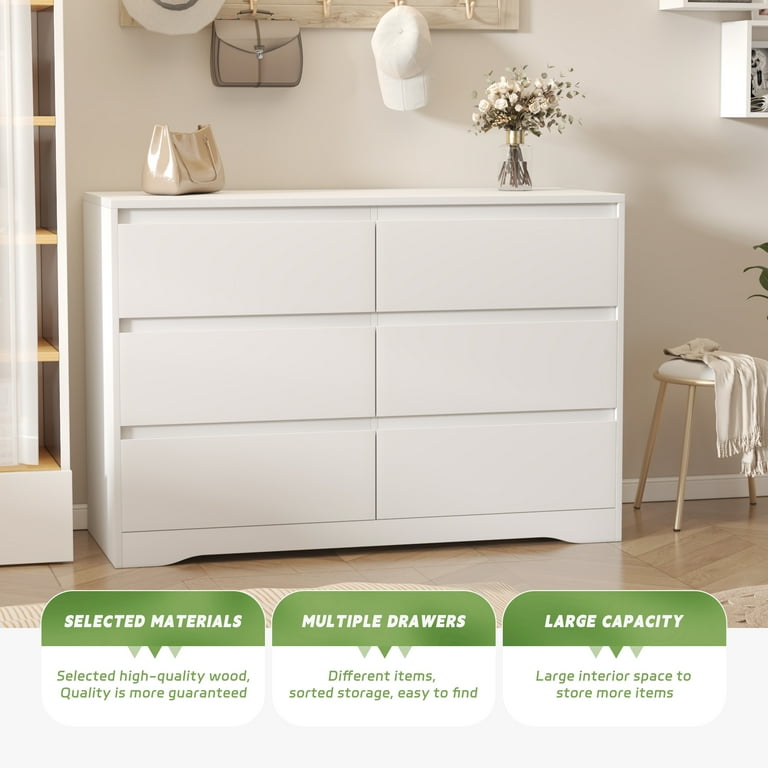
My experience, mistakes, and practical tips
I once bought a dresser that looked solid online but used thin particleboard in the drawers. It sagged in two years. From that, I learned to always ask for construction photos and drawer tests.
Practical tips I use:
- Ask the seller to open drawers on video before buying.
- Favor pieces with clear warranty terms.
- Consider refinishing options if the frame is strong but the finish is worn.
- If shipping, choose white-glove delivery to avoid damage.
These lessons come from buying, testing, and sometimes repairing dressers. They help you avoid common traps when learning how to find a high quality dresser.
Maintenance to extend a dresser’s life
A good dresser lasts decades with basic care. Small habits go a long way.
Maintenance steps:
- Use coasters and mats on the top surface.
- Avoid placing heavy items on open drawers.
- Tighten screws and hardware yearly.
- Clean gently with a soft cloth and mild cleaner.
- Control room humidity to prevent wood warping.
Good care protects your investment and keeps a high quality dresser looking new.
Frequently Asked Questions of how to find a high quality dresser
How can I tell if a dresser is made of solid wood?
Check visible edges, the back panel, and drawer boxes. Solid wood shows continuous grain and feels heavier than veneer or particleboard.
Are dovetail joints necessary for quality drawers?
Dovetail joints are a strong sign of quality and durability. They are not the only method, but they are a reliable indicator of good craftsmanship.
Is plywood better than solid wood for a dresser?
High-grade plywood is stable and resists warping, making it a good choice for large panels. Solid wood offers character and repairability; the best choice depends on use and budget.
Should I buy a dresser online or in-store?
Buy in-store to inspect construction and test drawers. Online can be fine if the seller shows detailed photos and offers a good return policy. Verify materials and warranty before buying.
How much should I expect to pay for a high quality dresser?
Expect to pay more for solid hardwood and expert joinery. A durable dresser often costs more upfront but saves money long-term by avoiding replacements.
Conclusion
Finding a lasting, well-made dresser comes down to materials, joinery, hardware, and honest inspection. Use the steps and checklist here to spot real quality and avoid short-lived pieces. Start by measuring your space, checking drawer construction, and asking clear questions about materials and finish. Take action now: measure your room, write a short buying checklist, and compare two solid options before you buy. If this guide helped, leave a comment with your top priorities or subscribe for more buying advice.