Use matte spray, cornstarch, or gentle washing to tone down fake plants’ glossy plastic look.
I’ve worked with home stylists and DIY decorators for years, and I know how obvious shine can ruin a good artificial plant. This guide on How to make fake plants look less shiny gives clear steps, tested tips, and the tools I use so your faux greenery looks natural and lived-in. Read on to get practical, low-cost fixes that work on vinyl, silk, and plastic leaves.

Why fake plants look shiny
Most fake plants are made from plastic, silk, or coated paper. Manufacturers add shine to mimic wet leaves and to protect materials. That glossy finish reflects light, which makes the plant look artificial.
Knowing why they shine helps you decide how to treat them. When you focus on texture and the surface finish, you get better results. How to make fake plants look less shiny starts with understanding material and finish.

How to make fake plants look less shiny: Preparation and testing
Prepare the plant before any treatment. A clean surface holds matte coatings better.
Steps to prepare
- Gently dust with a soft brush to remove loose dirt.
- Wash plastic or vinyl leaves with mild soap and water. Rinse and let dry.
- Test any product on a hidden leaf or edge first for colorfastness.
Why testing matters
- Some sprays darken color or sting glue. Testing saves time and avoids damage.
- When you test, you learn if you need a single treatment or a layered approach.
How to make fake plants look less shiny requires this careful prep. I once ruined a stem by skipping a test, so take this step seriously.

How to make fake plants look less shiny: Top methods
Here are practical, step-by-step methods. Pick one or combine two for best results.
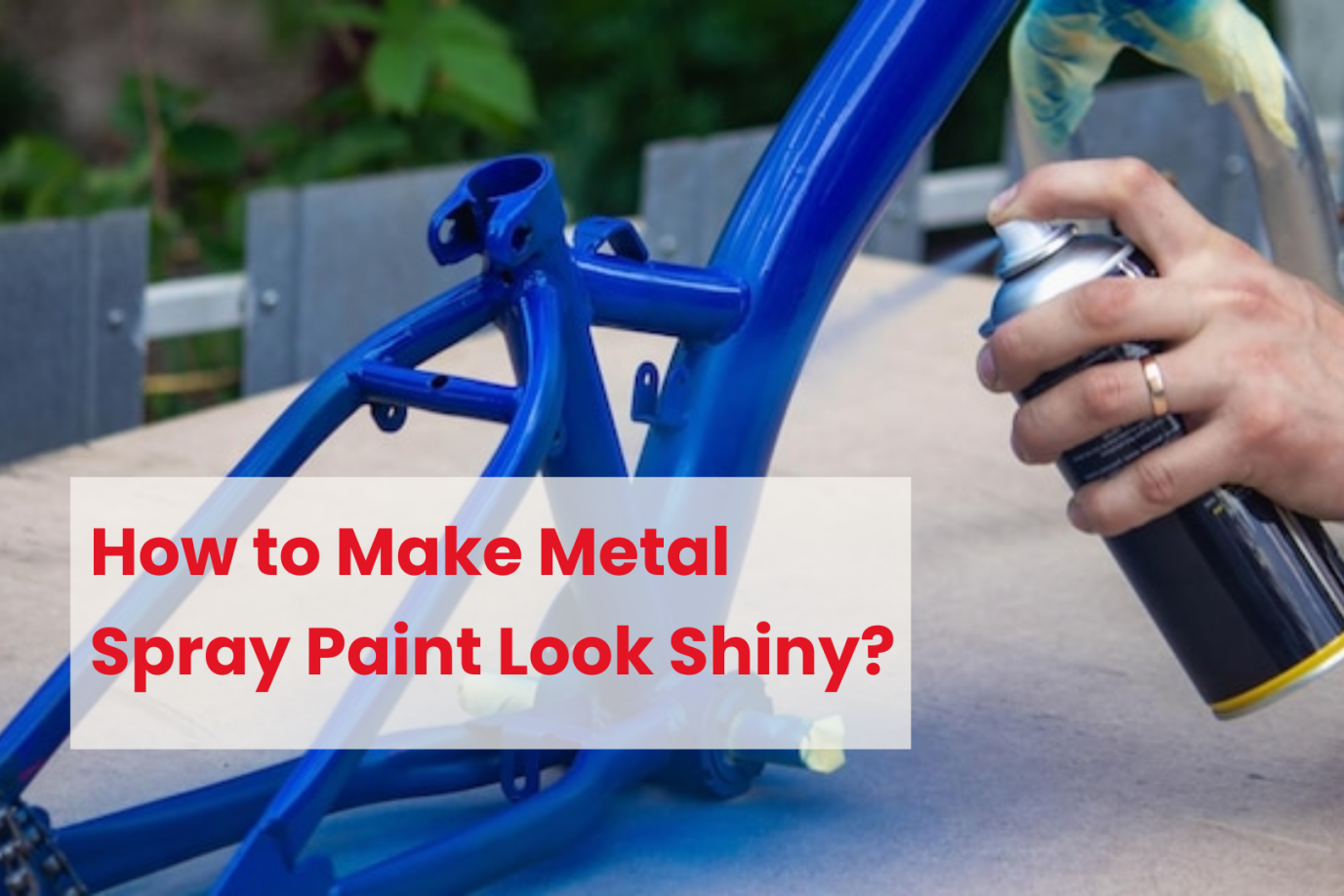
Use a matte clear spray
- Choose a matte acrylic or varnish spray labeled for plastics or fabric.
- Work in a ventilated area and hold the can 12–18 inches away.
- Apply light, even coats. Let dry between coats.
- Test for tackiness before reassembling the plant.
Cornstarch or baby powder dusting
- Lightly dust leaves with cornstarch or unscented baby powder.
- Gently brush off excess with a soft cloth.
- Repeat for persistent shine. This method is low-cost and reversible.
Mattifying with diluted matte hairspray
- Use hairspray sparingly to avoid stickiness.
- Spray from 12–18 inches and wipe excess with a cloth.
- This is a temporary fix that works for small areas.
Fabric dulling spray for silk plants
- Use a fabric-safe matte spray if leaves are cloth-based.
- Test for color change first. Fabric sprays keep fibers soft and cut shine.
Baking soda paste for very glossy plastic
- Mix baking soda with water to a thin paste.
- Rub gently on shiny spots, then rinse and dry.
- This slightly abrades the surface and reduces reflection.
Paint or sand tiny high-shine areas
- Very small glossy spots can be lightly sanded with very fine grit or painted with a matte-touch paint.
- Use a dry brush technique for paint to avoid solid color blocks.
Layering for the most natural look
- Clean first, then powder or dust, then spray a thin matte coat.
- This layered approach gives the best realism and durability.
How to make fake plants look less shiny is often about subtle layers, not one heavy coat. From my work, layered treatments last longest and look most natural.

Materials and tools to reduce shine
Collect these items before you start. They are inexpensive and easy to find.
Essentials
- Soft brush for dusting. A paintbrush or makeup brush works well.
- Mild dish soap and water for washing.
- Clean microfiber cloths for drying and buffing.
- Matte clear spray suitable for plastics and fabrics.
- Cornstarch or unscented baby powder for quick dulling.
Optional tools
- Fine-grit sandpaper for tiny plastic edges.
- Small paintbrush and matte acrylic paint for touch-ups.
- Gloves and mask for spray work.
- Cotton swabs for precise application.
Choosing the right tool depends on the plant material. How to make fake plants look less shiny becomes easier when you have the right supplies ready.
Common mistakes and pro tips for making fake plants less shiny
Avoid these pitfalls and use pro tips for better results.
Mistakes to avoid
- Using too much spray at once. This causes drips and uneven texture.
- Skipping a patch test. Color can change or glue can melt.
- Using oily products. Oils attract dust and make shine worse.
Pro tips
- Work in thin layers and let each dry fully.
- Use powder on textured leaves and matte spray on smooth leaves.
- Blend edges with a soft brush to avoid hard lines.
- Reapply lightly every 6–12 months for high-use decor.
From experience, skipping testing causes most problems. Follow these tips to make How to make fake plants look less shiny both safe and effective.
Before-and-after care and long-term maintenance
After you dull your faux plants, care extends their natural look. Simple routines keep them realistic.
Short-term care
- Dust weekly with a soft brush.
- Avoid placing plants under strong, direct light that highlights texture.
Long-term maintenance
- Reapply matte spray yearly if the plant lives outdoors or in a bright room.
- Store in a cool, dry place if you change seasonal decor.
- Clean gently after any spill to prevent residue buildup.
How to make fake plants look less shiny is also about keeping them that way. Regular, gentle maintenance preserves the effect.
Frequently Asked Questions of How to make fake plants look less shiny
What is the safest way to reduce shine on fake plants?
The safest method is to wash the plant, dust with cornstarch, and then apply a light coat of matte clear spray. Always test on an inconspicuous area first.
Can I use baby powder on silk plants?
Yes, baby powder works on many silk leaves, but use a very small amount and brush off excess to avoid a dusty look.
Will matte spray discolor my fake plants?
Some matte sprays can slightly change color. Test on a hidden leaf and choose a spray labeled safe for plastics or fabrics to reduce risk.
How often should I redo the mattifying treatment?
Reapply every 6–12 months, depending on light exposure and dust buildup. High-traffic spots may need touch-ups sooner.
Is sanding safe for plastic fake plants?
Light, very fine sanding on tiny glossy spots is safe if you are gentle. Avoid sanding floral fabrics, which can fray.
Conclusion
Reducing shine on faux foliage is simple with the right approach: clean, test, and use gentle matte solutions like powder and light clear sprays. Start small, layer treatments, and maintain the finish to keep your fake plants looking natural. Try one method this weekend and see how much more realistic your space feels. Share your before-and-after photos, subscribe for more decor tips, or leave a comment with your plant type and I’ll suggest the best approach.