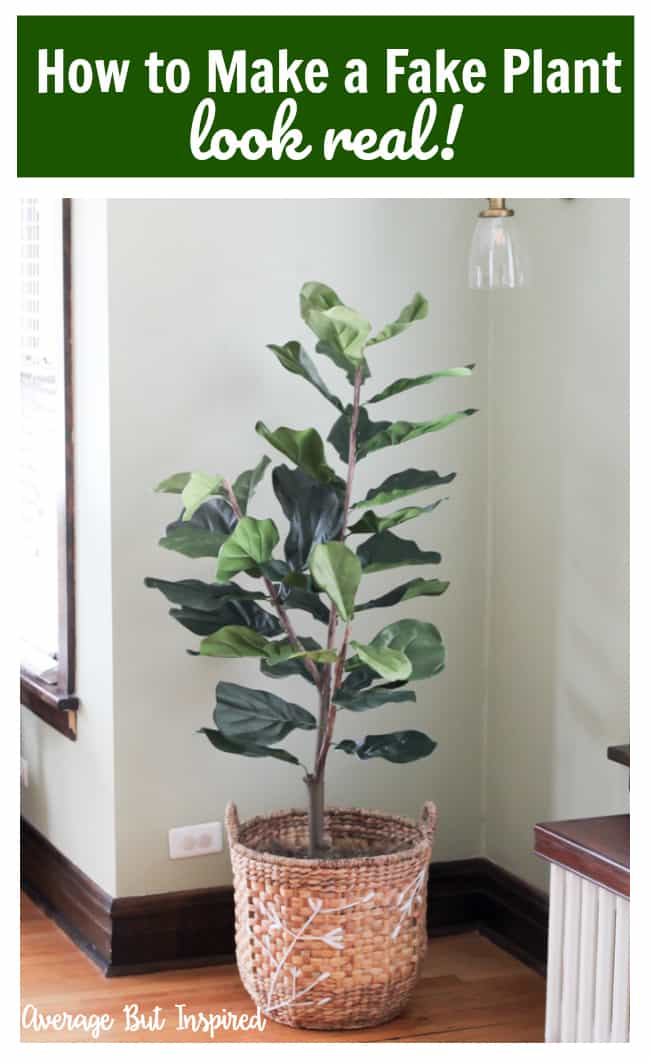
Use texture, scale, soil, matte finishes, and natural placement to sell realism quickly.
I've worked with home stylists and staged dozens of rooms, so I know what makes faux foliage read as real at a glance. This guide shows practical steps, pro tricks, and simple fixes to help you learn how to make fake plants look real. Read on for tested methods, tools, and styling secrets that turn plastic into convincing greenery.
Why choose faux plants and what realism adds
Fake plants save time and reduce worry. They are perfect for low-light rooms, busy schedules, and rental spaces. But cheap faux plants can look fake and weaken a room's vibe.
A well-styled faux plant can add life and calm without the work of care. If you want to know how to make fake plants look real, focus on texture, lighting, scale, and finishing touches. These elements create a natural look that tricks the eye.

Materials and tools you need
Gather a few simple items before you start. Good tools make subtle edits easier and faster.
- Scissors or wire cutters for trimming stems and stems' wires.
- Needle-nose pliers to bend or hide wires.
- Floral tape and floral wire to reshape branches and secure leaves.
- Hot glue and craft glue for small repairs.
- Matte spray or diluted matte Mod Podge to reduce shine.
- Potting soil, coco coir, or realistic soil mixes for top dressing.
- Sheet moss, pebble mix, or bark chips to hide foam and foam inserts.
- Spray paints in muted green, brown, and tan for tone correction.
- A toothbrush or small paintbrush to add speckles and dirt tones.

Step-by-step guide: How to make fake plants look real
Follow these steps in order. Work slowly and check from a distance as you go.
-
Inspect and repair
- Bend wires to fix droopy stems. Remove stray glue strings and cut frayed plastic leaves.
- Replace damaged branches if possible. A neat base makes later steps easier.
-
Soften stiffness
- Bend and twist stems to create natural curves. Group leaves at varied angles.
- Use floral tape to hold a bend. Do not over-bend. Slight curves read as real.
-
Tone down shine
- Spray a light mist of matte spray across leaves. Keep coats thin and even.
- Focus on glossy plastic areas. Let dry fully before touching.
-
Add realistic soil and base dressing
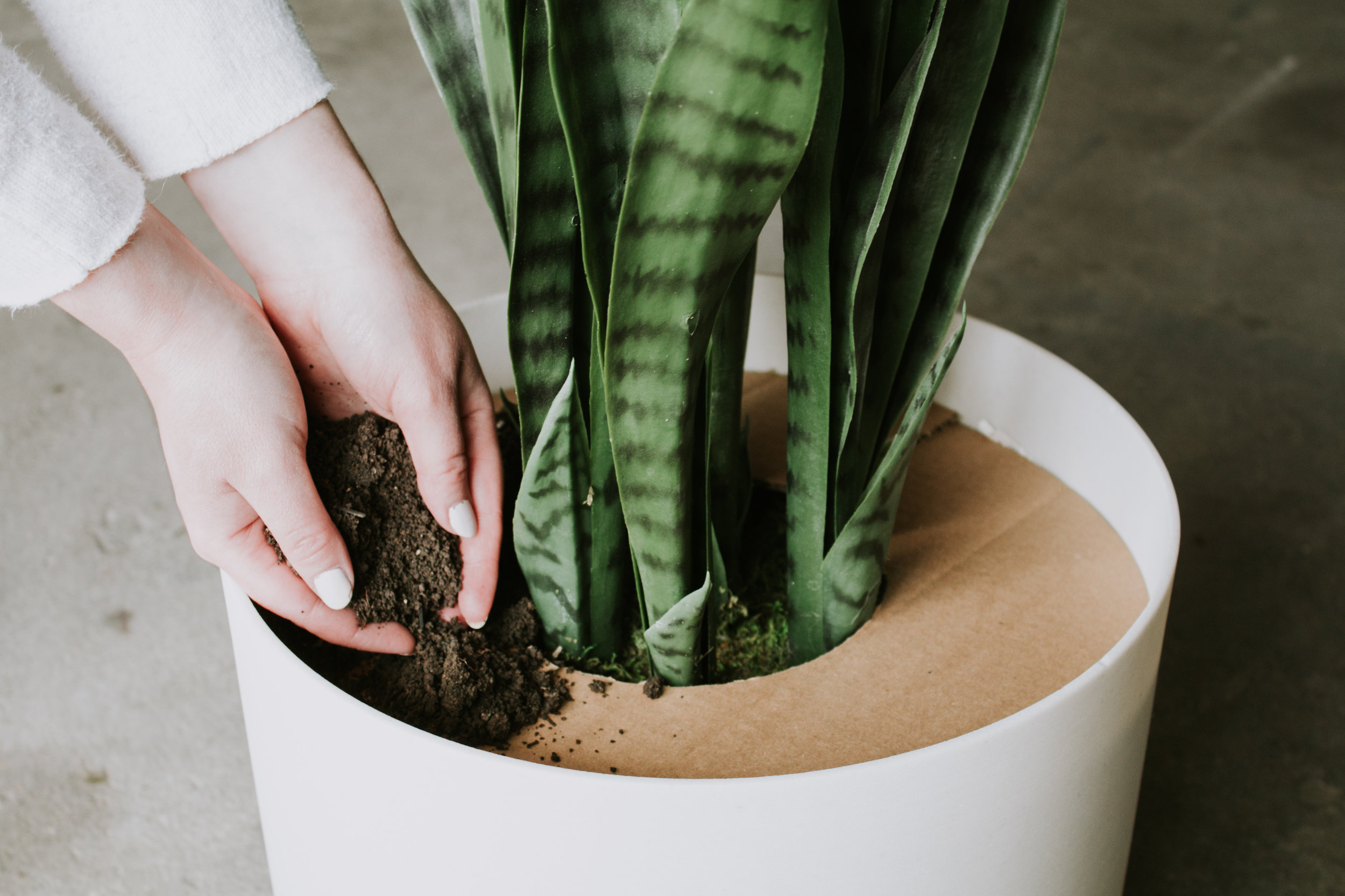
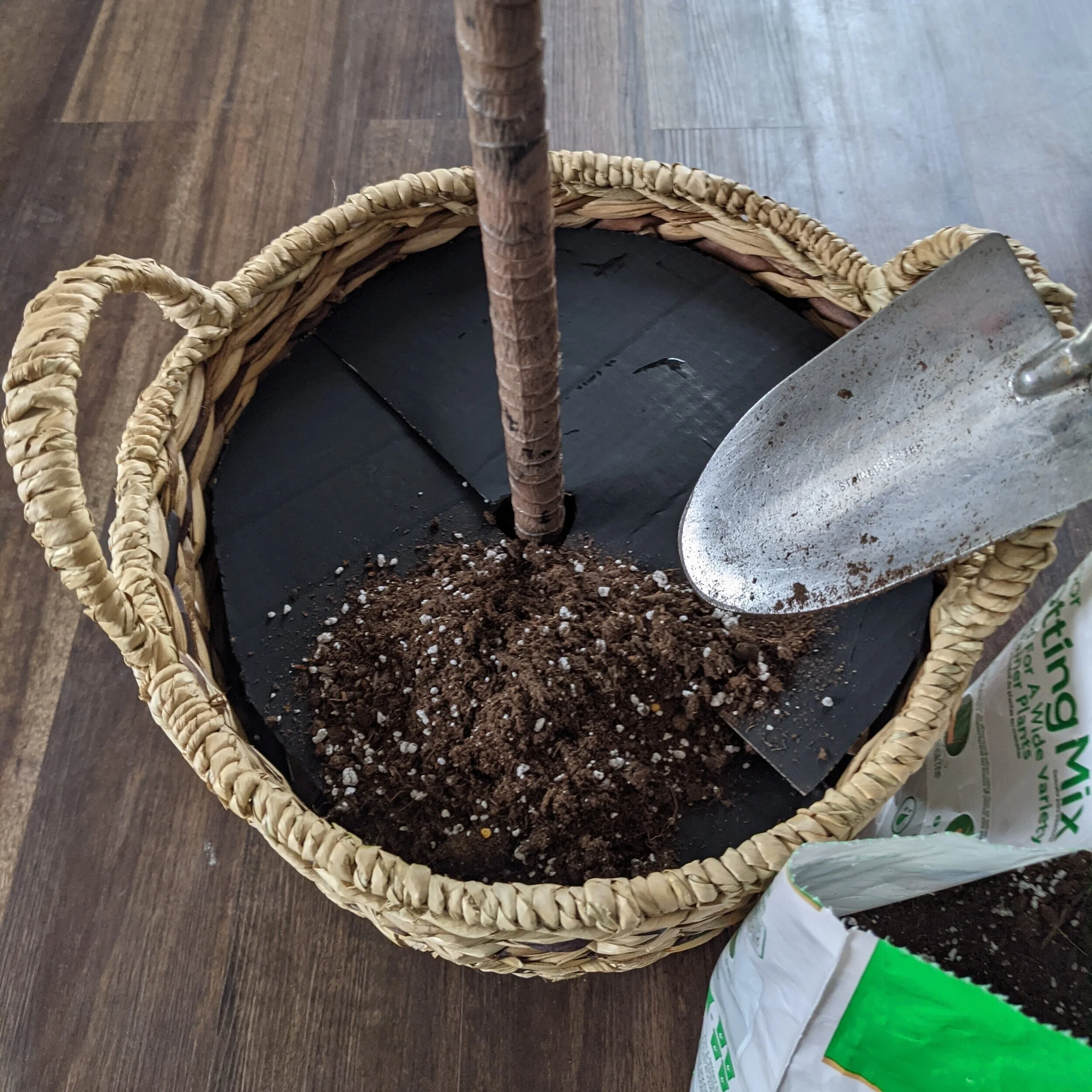
- Fill the pot with real soil, coco coir, or rocks to give weight.
- Top with sheet moss, bark chips, or pebbles. Small soil details help make fake plants look real.
-
Layer colors and texture
- Dab muted paint onto leaf edges and stems to add depth.
- Use a dry brush to add faint veins or brown specks where leaves naturally age.
-
Blend pot with the plant
- Use a pot that fits the plant’s size and style. Oversized plastic pots scream fake.
- Wrap the rim with moss, tape, or burlap to hide a plastic collar.
-
Place and group
- Position plants near light sources and pair them with real textures like wood or ceramic.
- Group different types and heights to create a natural vignette.
-
Final check
- Step back and view from multiple angles. Adjust leaf angles and dust.
- If it still reads fake, add tiny imperfections like a brown speck or a bent tip to mimic nature.
Styling and placement tips to sell realism
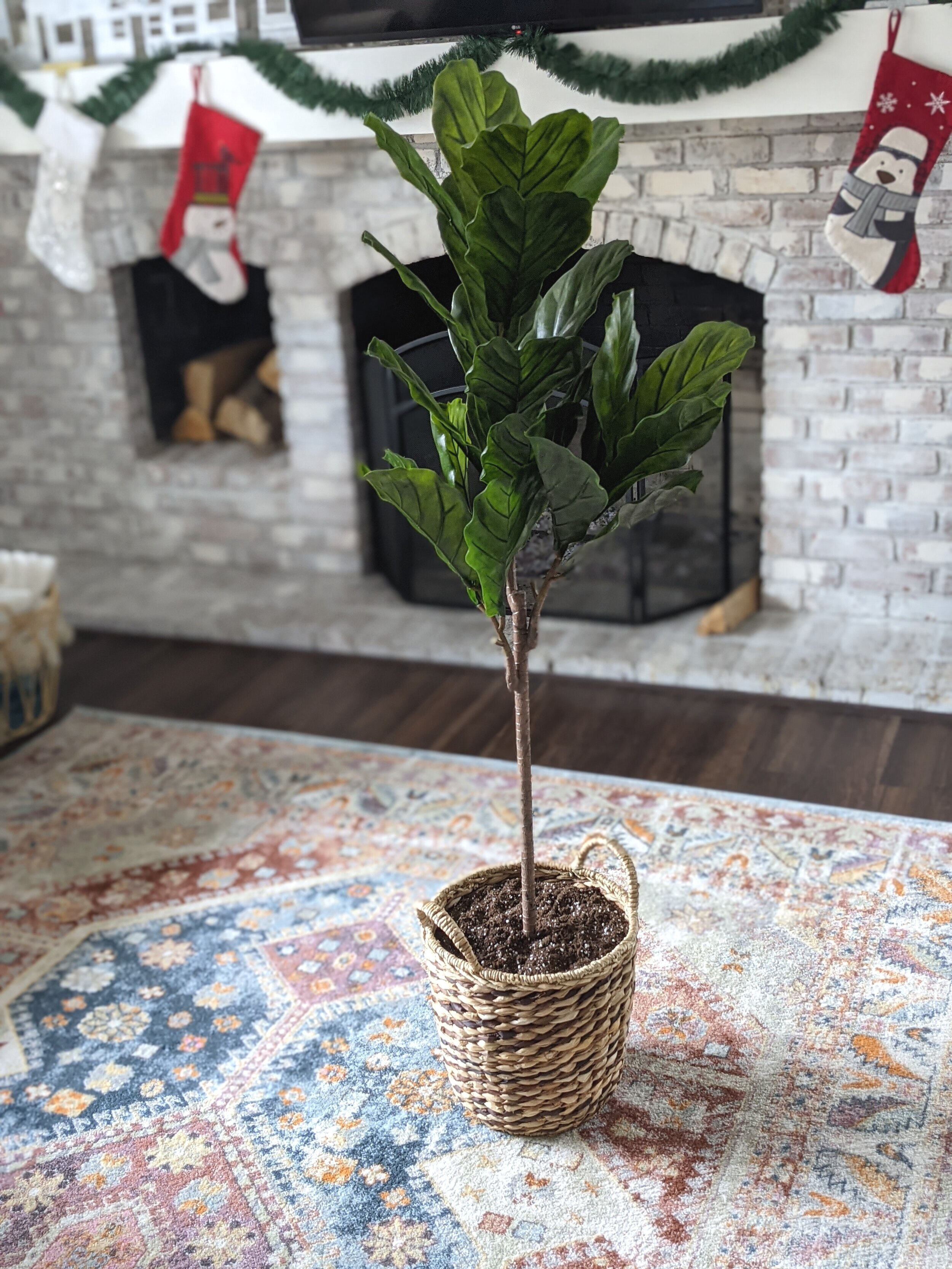
Placement and styling complete the illusion. Even a great faux plant needs context.
- Use natural light
- Place plants near windows or under soft lamps. Light shapes the leaves.
- Match scale
- Pair plant size with furniture size. A tall plant in a small room will look off.
- Group for variety
- Mix heights, leaf shapes, and pot textures. Varied groupings mimic nature.
- Add companion objects
- Put a watering can, a stack of books, or a small real planter nearby for authenticity.
- Consider negative space
- Leave some empty space around the plant so it doesn’t look like a fake focal point.

Care and maintenance to keep faux plants looking real
Faux plants still need attention. Small habits make a big difference.
- Dust weekly with a soft brush or microfiber cloth.
- Wash heavy grime with mild soap and water on fabric or silk leaves. Rinse and air dry.
- Reapply matte spray once or twice a year to fight sheen.
- Rotate plants so sun and dust affect them evenly.
Keeping faux plants fresh is part of making fake plants look real. Neglect will show as dust, flat colors, or crushed leaves.

Common mistakes and how to avoid them
Learn what to avoid from real projects and staging jobs.
- Choosing shiny plastic: Avoid glossy pieces. Matte finishes read as real.
- Wrong scale: Don’t match a huge plant to tiny furniture. Size mismatch looks staged.
- Perfect symmetry: Real plants have flaws. Randomize leaf positions and add small tears.
- Exposed foam or ugly bases: Always cover the pot collar and foam base with soil, moss, or stones.
- Over-painting: Light touches are best. Heavy paint makes leaves look fake.
Personal experience: small tests that made a big difference
I once staged a rental using only faux plants. The first two looked stiff and flat. I spent an hour on each applying the steps above. I bent stems, added soil dressing, and misted matte spray. Guests thought the plants were real for weeks. That taught me that small edits yield big realism.
A lesson learned: do one finishing touch at a time. Test in natural light as you go. If you overdo paint or bends, the plant can look worse than before.

Expert tips and finishing touches that pros use
These are the last 10 percent tricks that sell the look.
- Fringe leaf edges slightly with a seam ripper for natural texture.
- Add faint brown speckles on older leaves with a toothbrush.
- Use real twigs tucked into soil to anchor stems and add variety.
- Replace a single leaf with a real dried leaf for a mixed-media feel.
- Use heavy pots to anchor the plant so it sits naturally and does not tip.
Small details make the difference in how to make fake plants look real. The eye reads texture before it reads color.
Sustainability and ethical choices
Pick durable faux plants and reuse materials. Quality lasts longer and reduces waste.
- Choose plants made from recycled fibers or long-lasting silk.
- Reuse pots, soil, and moss from older arrangements.
- Repair instead of replace: replace single stems rather than the whole plant.
Choosing high-quality materials helps make fake plants look real longer and cuts down on waste.
Frequently Asked Questions of How to make fake plants look real
What is the fastest way to make a fake plant look real?
Lightly bend stems, reduce shine with a matte spray, and add soil or moss at the base. Step back and tweak leaf angles for a quick, natural look.
Can I use real soil with fake plants?
Yes. Real soil adds weight and visual texture. Use a liner or drainage layer if the fake planter cannot drain.
How often should I clean faux plants?
Dust them weekly and deep-clean every few months. Regular care keeps colors vibrant and prevents a plastic sheen.
Will spray paint ruin a faux plant?
A thin, matte spray is safe when used sparingly. Test in an unseen spot first and allow full drying between coats.
How do I make faux succulents look real?
Mix real sand and pebbles in the pot, vary shapes and colors, and add tiny chips of real dried leaves. Slight color variation sells the look.
Do faux plants look better in groups?
Yes. Groupings mimic how plants grow in nature and reduce the "single, staged" appearance. Mix sizes and pot textures for balance.
Conclusion
You can make fake plants look real with a few focused edits. Work on texture, tone, scale, and base details. Take time to bend stems, hide seams, add matte finishes, and style plants in natural groupings.
Try one plant first and use the steps above. Small, steady changes will teach you what works in your space. If you enjoyed these tips, try them on a plant today and share your results or questions in the comments.