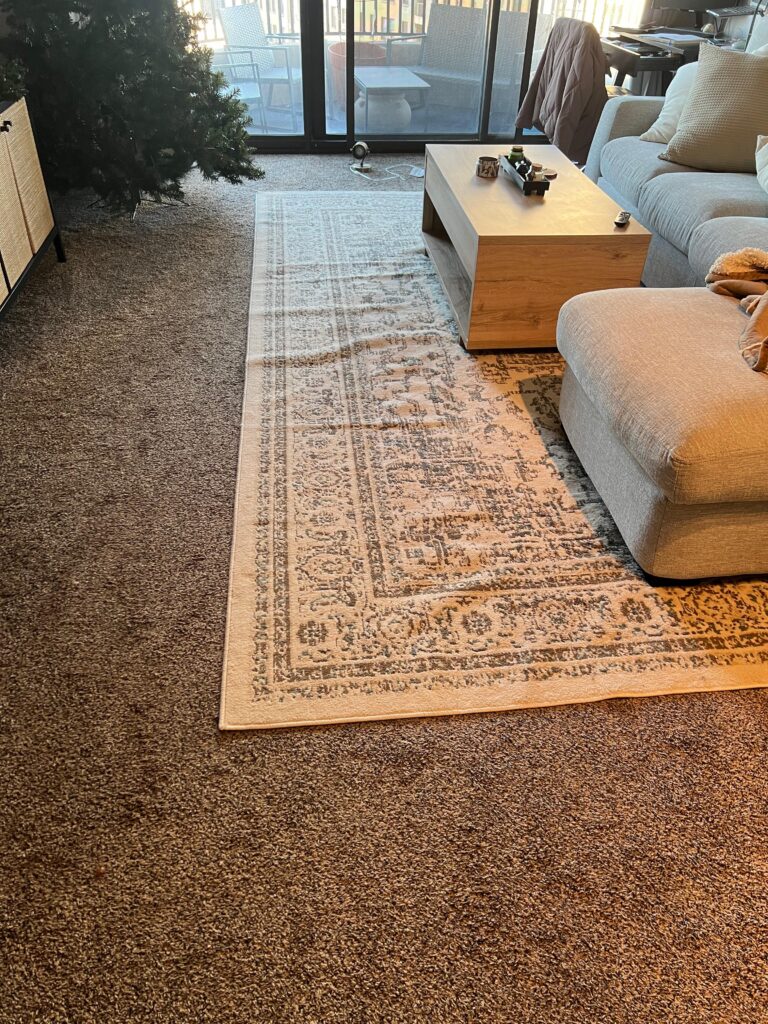
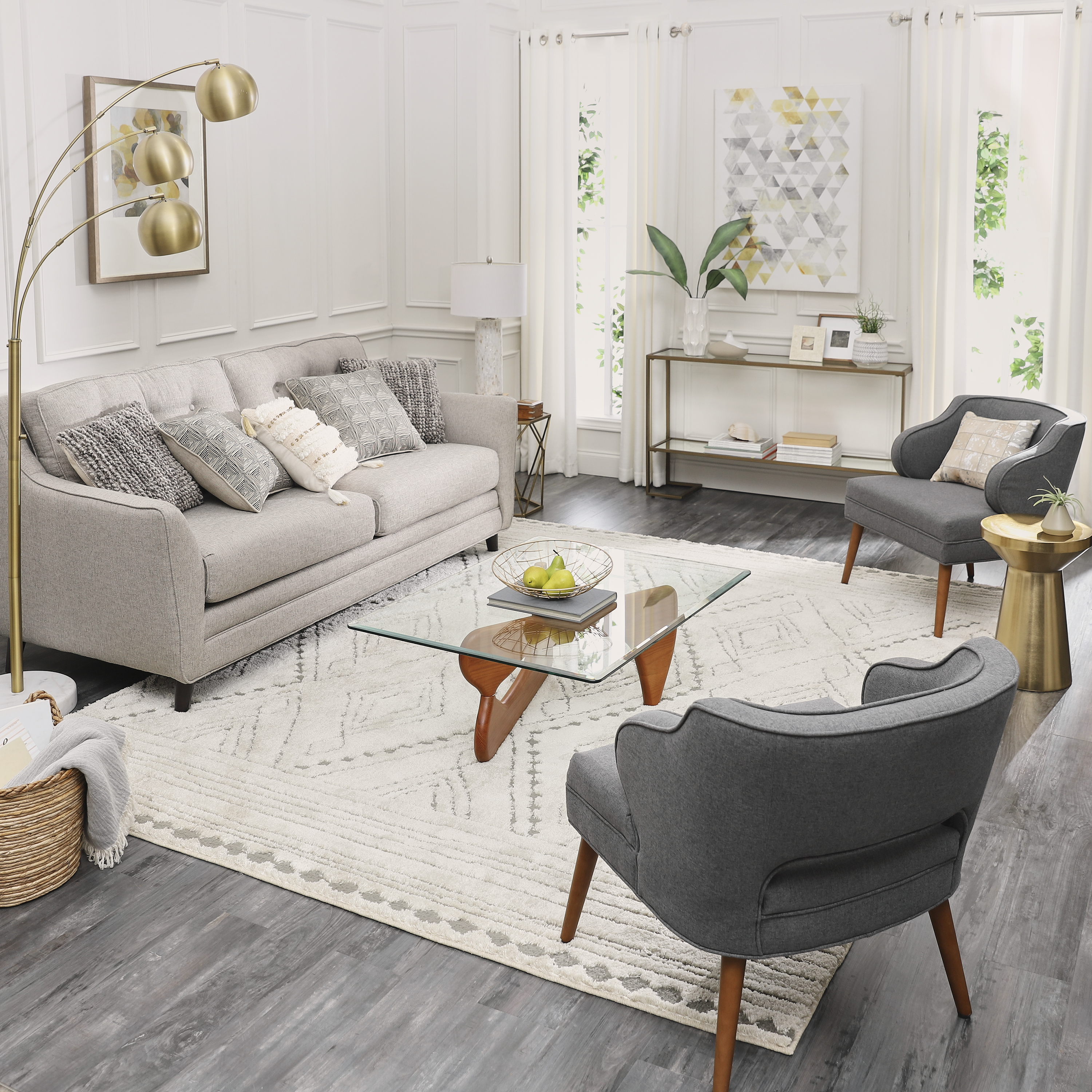
Place the rug so front legs of furniture sit on it, creating a unified seating area and balanced look.
I have placed dozens of rugs in homes, staged rooms for clients, and tested layouts in my own living room. This guide on how to place a living room area rug shows clear, practical steps you can use today. I cover measurements, common layouts, size rules, mistakes to avoid, and upkeep tips so you can place a rug that looks intentional and lasts for years.
:max_bytes(150000):strip_icc()/area-rug-under-couch-getty-0521-2000-364b7d2119a3482faa6863f72a8a1e16.jpg)
Why rug placement matters
A rug sets the mood, defines zones, and ties colors together. Learning how to place a living room area rug helps your room look larger, feel cozier, and function better. The right placement anchors furniture and prevents the space from feeling disconnected.
Common benefits of proper rug placement
- Creates a visual center for conversation areas.
- Protects floors under high-traffic zones.
- Adds warmth and texture to a room.
- Hides worn spots and unifies mixed furniture.
From staging to daily living, I’ve seen rooms transformed by changing rug placement. A small shift can make a sofa feel anchored or a room feel roomy. Think of the rug like a frame for your furniture.
Measure and choose the right size
Measure twice, buy once. Picking the correct rug size is the foundation of how to place a living room area rug.
Steps to measure
- Measure the seating area length and width.
- Measure furniture leg positions if you want legs on the rug.
- Note any architectural features like fireplace or built-in cabinets.
Size guidelines
- Large rooms: An 8×10 or 9×12 rug often works to fit all furniture legs on the rug.
- Medium rooms: A 6×9 rug can work with front legs on the rug and back legs off.
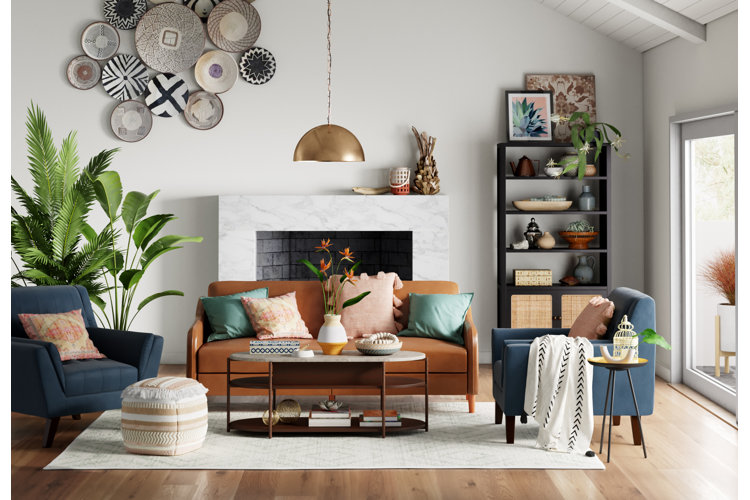
- Small rooms: A 5×8 rug or runner may be best, but leave a 12–18 inch border of floor visible.
My tip: Cut kraft paper to the rug size and place it on the floor. Move it around to test placement before buying. This method saves time and money.
Placement options and when to use them
There are three common approaches to how to place a living room area rug. Choose the one that fits room size and furniture layout.
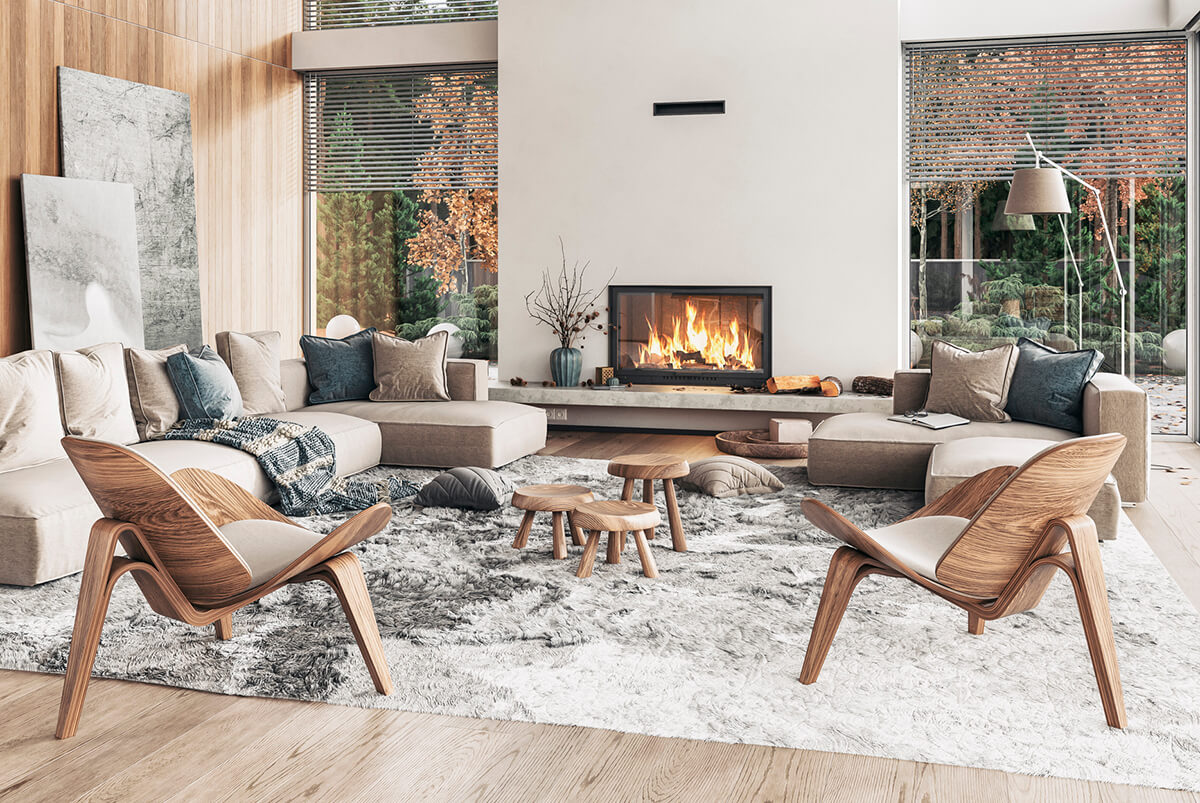
Option 1: All furniture legs on the rug
- Best for large rooms with ample floor space.
- Creates a cohesive, polished look.
- Use when you want a fully anchored seating area.
Option 2: Front legs on the rug
- Works well in medium rooms.
- Keeps the seating area connected while showing some floor.
- Most popular and flexible choice.
Option 3: Rug under coffee table only
- Good for tight spaces or when a rug is mainly decorative.
- Use a rug that leaves 18–24 inches of floor visible around furniture.
- Avoid if it makes the seating look disjointed.
When deciding how to place a living room area rug, test each option visually and physically by moving furniture slightly. Room flow and walking paths should not be blocked.

Placement by furniture layout
Different furniture layouts need different rug placements. Here are clear rules for common setups.
Sofa and loveseat facing each other
- Use a large rug to fit all front legs or a medium rug with front legs on it.
- Center the rug under the coffee table and align with seating.
Sectional sofa
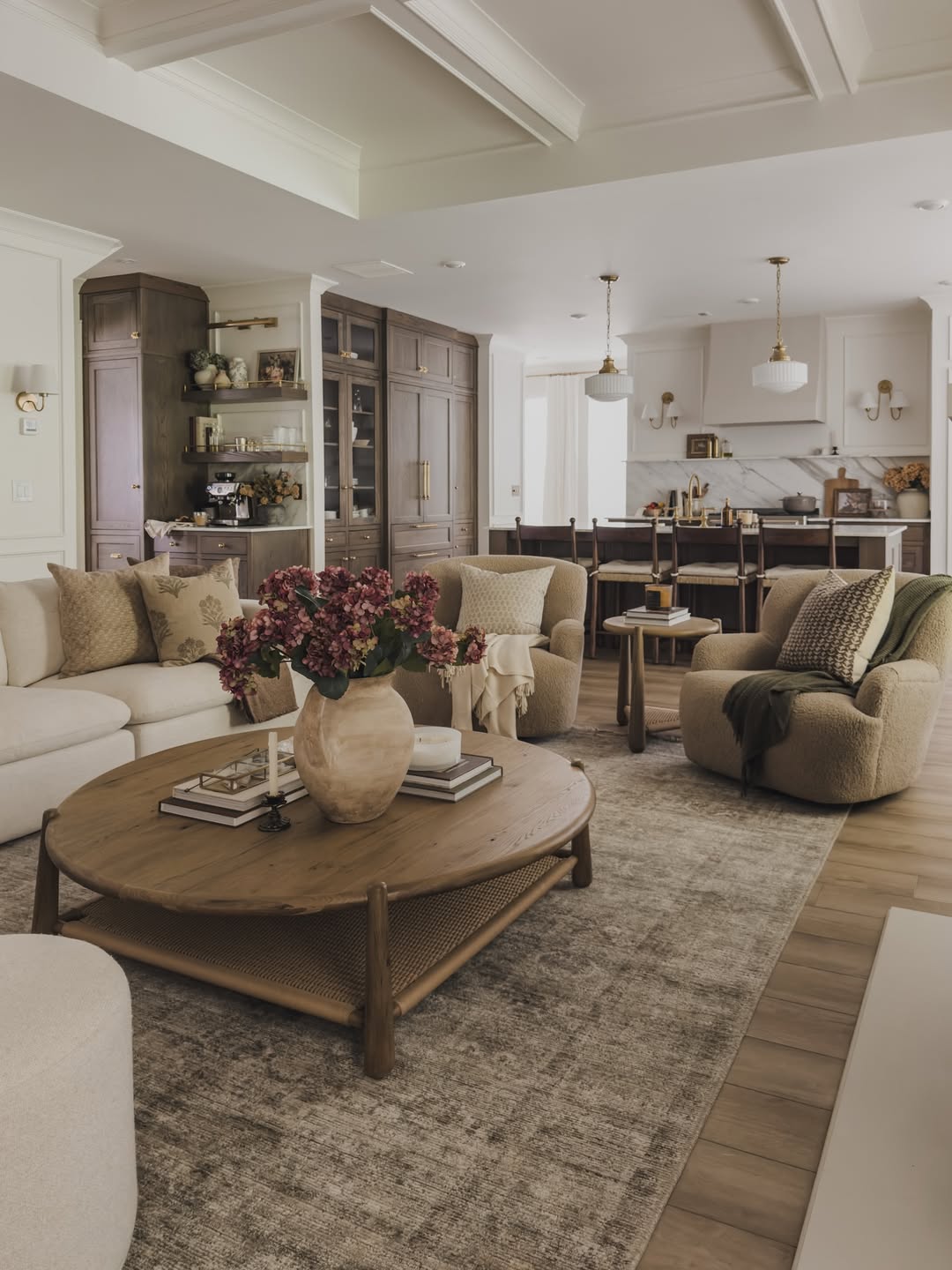
- If space allows, place the rug under the entire sectional.
- For L-shaped sectionals, an oversized rug that follows the shape works best.
Sofa against wall with chairs opposite
- Place rug so front legs of sofa and chairs are on the rug.
- Keep rug centered in the seating zone.
Floating furniture in the center of the room
- Choose a rug large enough that all furniture pieces sit fully on it.
- This creates a fully anchored island feel.
I once staged a living room with a bulky sectional on a too-small rug. Swapping to a larger rug that fit all legs instantly made the space feel intentional and high-end.

Practical tips and mistakes to avoid
Small choices make a big visual difference. Below are practical tips from hands-on experience.
Practical tips
- Leave 8–18 inches of floor visible along room edges for balance.
- Align rug pattern with room flow, not random angles.
- Use a non-slip pad to prevent movement and protect floors.
- Match rug tone to dominant colors for cohesion.
Common mistakes
- Buying a rug that’s too small for the seating area.
- Centering a rug oddly in a long room, creating visual imbalance.
- Skipping a rug pad and ending up with sliding rugs and scratches.
- Overcrowding the rug with too many small furniture pieces.
A rug pad is cheap but powerful. I learned this after a heavy coffee table left dents on a hardwood floor; the pad stopped the problem and improved comfort.
Material, style, and maintenance
Material affects look and care needs. Choose a material that fits lifestyle and traffic.
Material options and trade-offs
- Wool: Durable, naturally stain-resistant, feels plush; higher cost.
- Synthetic fibers: Affordable, low-maintenance, good for high-traffic areas.
- Cotton: Light, easy to clean, better for low-traffic spaces.
- Natural fibers like jute: Textured and casual; harder to clean.
Maintenance routine
- Vacuum weekly to reduce dirt and wear.
- Rotate the rug every 6 months for even fading.
- Spot clean spills immediately; follow care advice for the fiber.
- Professional deep clean annually for wool and high-end rugs.
If you have kids or pets, choose stain-resistant fibers and darker or patterned rugs. I recommend a wool blend for balance between luxury and durability.

Styling ideas and color tips
Rug choice can set tone quickly. Use these styling tips when deciding how to place a living room area rug.
Color and pattern tips
- Use a neutral base rug to let bold furniture pop.
- Choose a patterned rug to hide stains and add interest.
- For open floor plans, use rugs to define zones with complementary tones.
Layering rugs
- You can layer a smaller colorful rug over a neutral large rug.
- Layering adds texture and makes the seating feel curated.
- Keep textures balanced to avoid a cluttered look.
Personal note: I once layered a sisal under a low-pile patterned rug. The mix added warmth and protected floors while staying modern.
Frequently Asked Questions of how to place a living room area rug
How big should a rug be for a living room?
Aim so that your rug fits at least the front legs of main seating. For a cohesive look, choose a rug that leaves 8–18 inches of floor visible around the edges.
Should all furniture legs be on the rug?
Not necessarily. If your room is large, place all legs on the rug. In medium rooms, placing front legs on the rug creates balance while saving space.
How far should a rug go under a sofa?
Place the rug far enough under the sofa so the front legs sit on it. Typically 6–12 inches under the front legs works well, depending on the rug size.
Can I layer rugs in the living room?
Yes. Layering adds texture and protects floors. Use a larger neutral rug under a smaller patterned rug for depth.
Do I need a rug pad?
Yes. A rug pad prevents slipping, cushions the rug, and protects floors. Use a pad sized slightly smaller than the rug for best results.
How do I place a rug in an open-plan living room?
Use the rug to define the seating area and create a visual boundary. Match the rug size to the seating group so it feels like a distinct zone.
Conclusion
Placing a rug well changes how a living room looks and feels. Use measurements, pick the right size, and decide whether to put all furniture legs or just front legs on the rug. Add a pad, maintain the rug, and avoid common sizing mistakes. Try a kraft-paper test layout and adjust until the seating feels anchored and balanced.
Take action: measure your seating area today, test a rug shape with paper, and choose a pad to secure your pick. Share your before-and-after or ask a question below to get personalized advice.