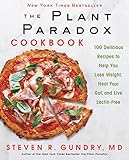
Yes — a practical lectin-free cookbook with approachable recipes that actually work.
You know the feeling: you clean up your diet, but bloating, brain fog, or stubborn weight won’t budge. You want real food that helps, not another fad. I picked up this cookbook when I needed simple, doable recipes that avoid lectins without turning meals into chores. It’s meant to make lectin-free eating realistic for busy weeks and friendly for family dinners.

Is The Plant Paradox Cookbook Good?
My short verdict: yes, for people curious about lectin-free cooking and looking for structure. The Plant Paradox Cookbook offers clear recipes, meal ideas, and explanations that make the program easy to follow. It’s not magic, but it helps you remove common irritants and replace them with tasty options. I used it during a two-week reset and noticed less bloating and clearer energy swings. Another time, I adapted a weeknight recipe to feed guests who don’t follow the plan — everyone enjoyed it, and no one missed the “off-limit” ingredients.
This book suits cooks who want guidance more than strict science. If you need clinical nutrition therapy for a severe condition, use it alongside a healthcare plan. For everyday cooks, it’s practical, clear, and inspiring.

My First Impression for The Plant Paradox Cookbook
The book arrived in good shape. The cover design is clean and modern. Inside, the layout is friendly: ingredient lists are simple and steps are short. The photos are appetizing. Materials feel like a standard trade paperback, solid and easy to handle.
My first attempt was a weekday dinner recipe. Prep was straightforward. I liked that many recipes use common pantry items and offer substitutions. Performance matched expectations: flavors were balanced and the recipes hit home. Emotionally, I felt relief — not overwhelmed. The approach makes lectin-free cooking feel doable, not punitive.

What Makes It Stand Out / Key Features
- Clear lectin-free guidance tied to practical recipes
- 100 recipes covering breakfast, lunch, dinner, and snacks
- Step-by-step instructions with readable ingredient lists
- Swap suggestions for common pantry items
- Focus on gut health and weight-friendly meals
- Photos that help set expectations for presentation and portion

What I Like
- Recipes are doable on weeknights and not overly fussy
- Many dishes yield family-friendly portions
- Good balance of protein, veg, and simple sides
- Practical substitution notes to fit pantry limits
- Readable tone — the author explains why choices matter
- Helpful for people who suspect lectins affect their digestion

What Could Be Better
- Not every recipe is budget-friendly; some call for specialty items
- Scientific claims could use more on-page citations for readers who want depth
- Some meat-heavy options may not suit strict vegetarians

My Recommendation
The Plant Paradox Cookbook is best for readers who want a practical path to lectin-free eating. If you’re trying to ease digestive issues, manage weight, or experiment with a new approach, this book helps you do that with tasty meals. I recommend it for home cooks who want structure and clear swaps. The Plant Paradox Cookbook pairs well with simple meal planning and a willingness to try a few new ingredients.
| Best for | Why |
|---|---|
| Busy weeknight cooks | Short steps and quick recipes that fit a schedule |
| People with mild digestive issues | Focus on removing lectins and soothing choices |
| Home cooks seeking meal variety | 100 recipes span tastes and textures |
Alternative Products You Can Consider
If you want different angles on healthy cooking, here are a few alternatives. Each brings its own strengths and style.
The Complete Mediterranean Cookbook — This one is best for people who want heart-healthy, easy meals with broad appeal. It’s less restrictive than lectin-free plans and focuses on whole grains, olive oil, and fish. If you want to emphasize longevity and flavor without cutting out entire food groups, this is a solid choice.
How Not to Die Cookbook — Best for readers who prefer plant-forward, evidence-based nutrition. It offers many whole-food, plant-based recipes and is heavy on nutrition science. It’s a good pick if you want to lower disease risk and eat more vegetables, though it doesn’t focus on lectins specifically.
The Whole30 Cookbook — Best for those who want a short-term reset and clear rules. Whole30 is strict for a month, with many compliant recipes that avoid processed foods and added sugar. It’s more of a strict elimination program than a long-term cookbook, but it’s useful if you want a defined reset.
| Product | Best For | Key Difference |
|---|---|---|
| The Plant Paradox Cookbook | Lectin-free meal plans and recipes | Focus on avoiding lectins with practical swaps |
| The Complete Mediterranean Cookbook | Heart-healthy, balanced meals | Emphasizes olive oil, grains, and fish over eliminations |
| How Not to Die Cookbook | Plant-forward, science-backed recipes | Strong nutrition focus; not lectin-specific |

Final Verdict: Which Should You Buy?
If your goal is to try lectin-free eating with approachable recipes, go with The Plant Paradox Cookbook. It balances flavor and structure. You’ll get practical swaps and meals that work on busy nights.
If you prefer broad, time-tested approaches like Mediterranean-style eating, choose a Mediterranean cookbook. For plant-forward science-based meals, choose the How Not to Die Cookbook. Each book serves a clear audience. The Plant Paradox Cookbook is best when you specifically want to explore lectin avoidance with real food that still tastes good.
FAQs Of The Plant Paradox Cookbook review
Is the cookbook suitable for beginners?
Yes. Recipes use common steps and clear instructions. If you can chop and sauté, you can follow most dishes.
Does this book include meal plans?
It offers ideas and structured recipes that make week planning easier. You’ll find suggested pairings and swaps to build meals.
Will this help with weight loss?
It can help, when used with portion control and overall healthy habits. The focus on whole foods and reduced inflammatory foods can support weight goals.
Are there vegetarian options?
There are some vegetarian recipes, but many recipes include meat or fish. Vegetarians may need to adapt a few dishes.
Is the science credible?
The book presents a specific view on lectins. It’s useful for experimenting, but consult your clinician for chronic conditions or strict medical guidance.