Most dressers need one to two quarts of paint to cover two coats.
I’ve painted dozens of dressers and refinished furniture for a living. This guide on how much paint for dresser explains the math, real-world examples, and pro tips you can use today. You will learn how to measure, calculate, choose paint, and avoid common mistakes so your dresser looks great and you don’t buy too much or too little.
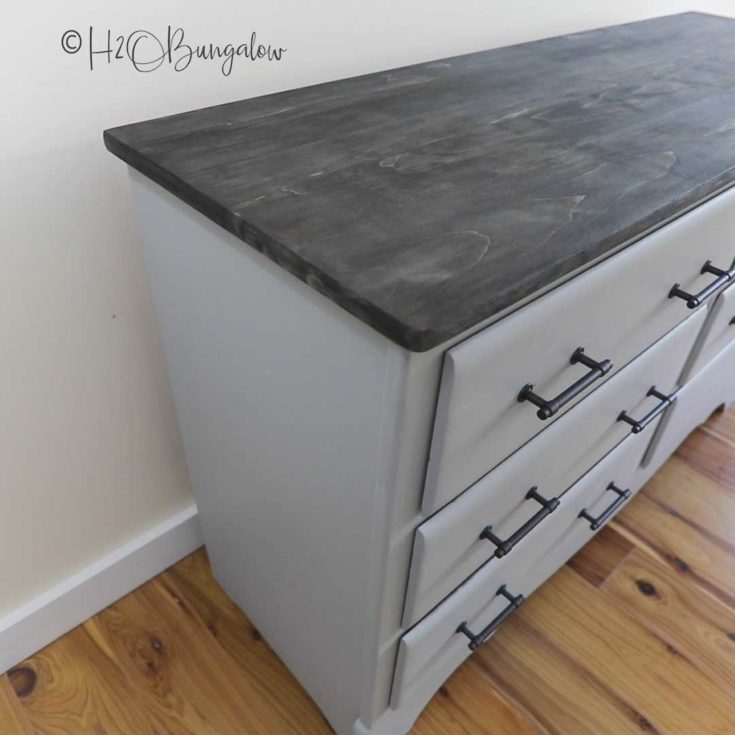
How much paint do you need for a dresser?
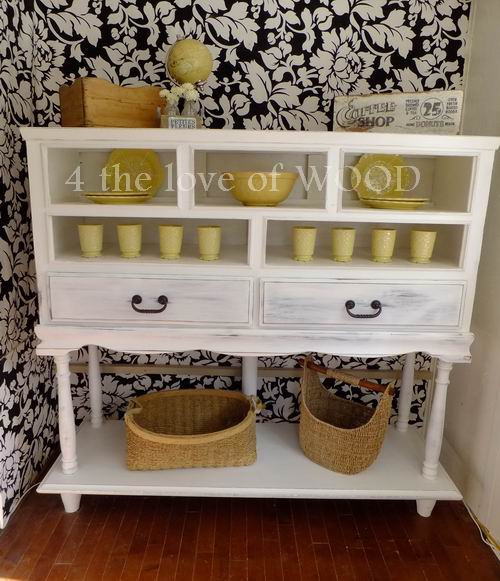
A typical small to medium dresser usually needs one quart for two coats. A larger dresser often needs one to two quarts, and very large or ornate dressers may need a gallon. Coverage depends on paint type, finish, and whether you use primer. When you ask how much paint for dresser, think about surface area, number of coats, and waste from sanding or touch-ups.
Key coverage numbers to remember:
- Most latex and acrylic paints cover about 350 to 400 square feet per gallon.
- One quart covers roughly 88 to 100 square feet, depending on brand and finish.
- Primer often covers similarly but may require an extra coat on raw wood.
If you plan two coats plus primer on raw wood, expect to use more paint. For a typical 6-drawer, medium dresser, count on one quart for primer and one quart for two finish coats. This is a practical baseline for how much paint for dresser.
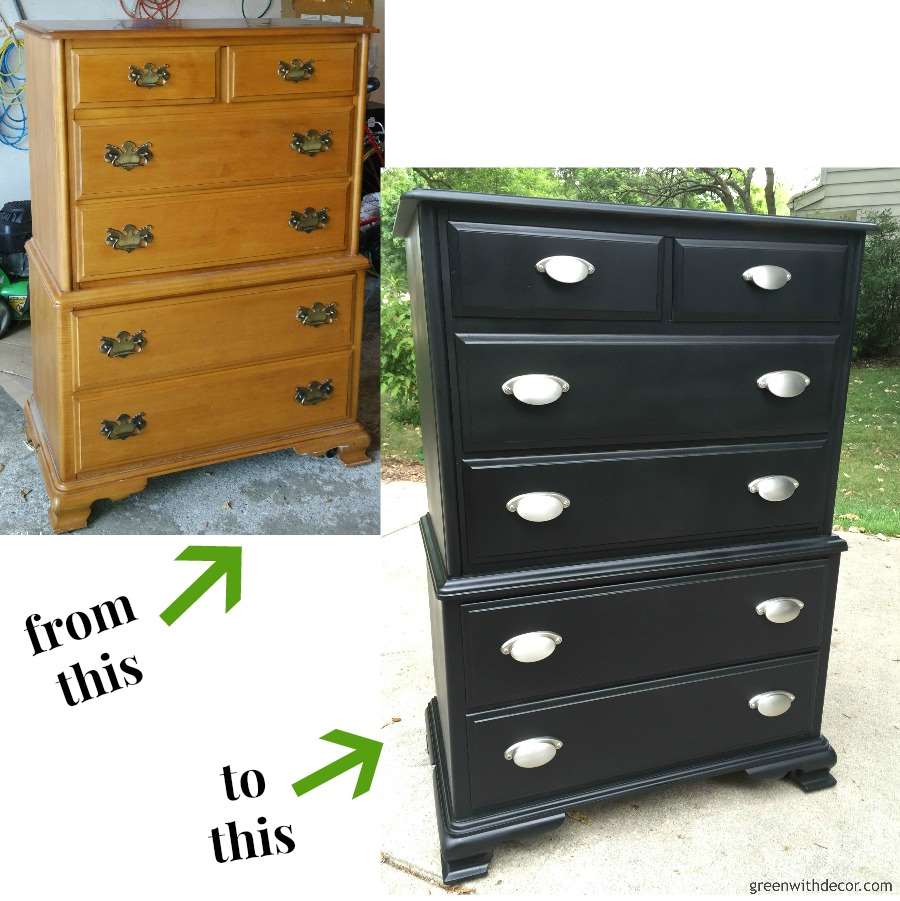
How to measure and calculate paint needed
Measure the dresser like a small room. Measure each face: top, sides, drawer fronts, and any exposed trim. Add the square footage together to get total surface area. Subtract any large open areas like mirror openings or drawer gaps if they are significant.
Example calculation for a medium dresser:
- Top: 48 inches by 18 inches = 864 sq in (6 sq ft)
- Two sides: 30 by 18 inches each = 1080 sq in total (7.5 sq ft)
- Six drawer fronts: average 48 by 6 inches total = 288 sq in (2 sq ft)
- Total roughly 15.5 sq ft
Convert to square feet and divide by coverage per quart or gallon. If one quart covers about 90 sq ft, then 15.5 sq ft ÷ 90 = 0.17 quart. Allow for two coats and primer, then multiply by 3, giving about 0.5 quart. Round up to one quart to account for mistakes. This shows a simple way to determine how much paint for dresser.
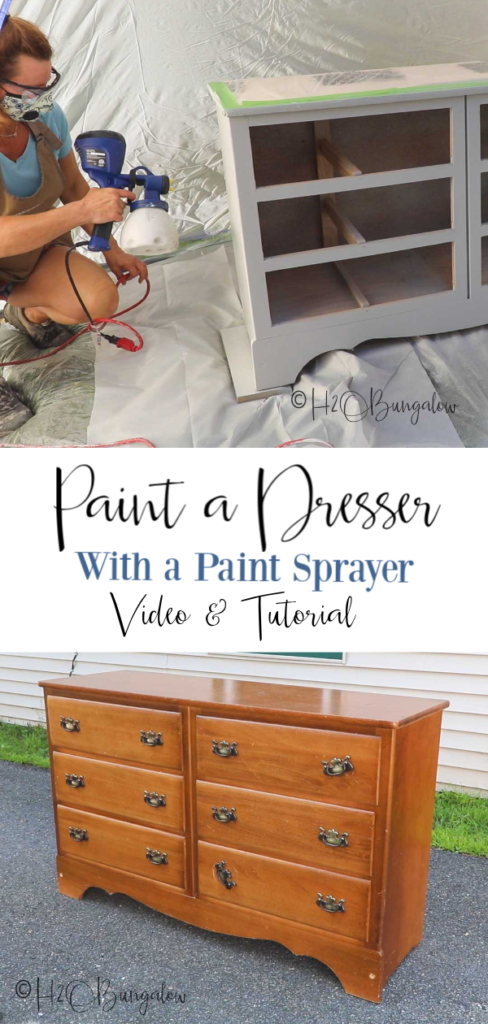
Choosing the right paint type and finish
Pick a paint that fits use and durability needs. For dressers, consider eggshell, satin, or semi-gloss finishes for easy cleaning and low wear. Chalk paint is popular for a matte, vintage look and often needs less prep. Oil-based paints offer durability but require longer dry times and stronger solvents.
Coverage varies by paint type:
- Latex and acrylic: about 350–400 sq ft per gallon.
- Chalk paint: slightly less coverage, often 300–350 sq ft per gallon.
- Oil-based: similar to latex in coverage but needs fewer coats for some surfaces.
When deciding how much paint for dresser, check the label for coverage and always round up. If you choose a specialty finish, buy a little extra for touch-ups later.
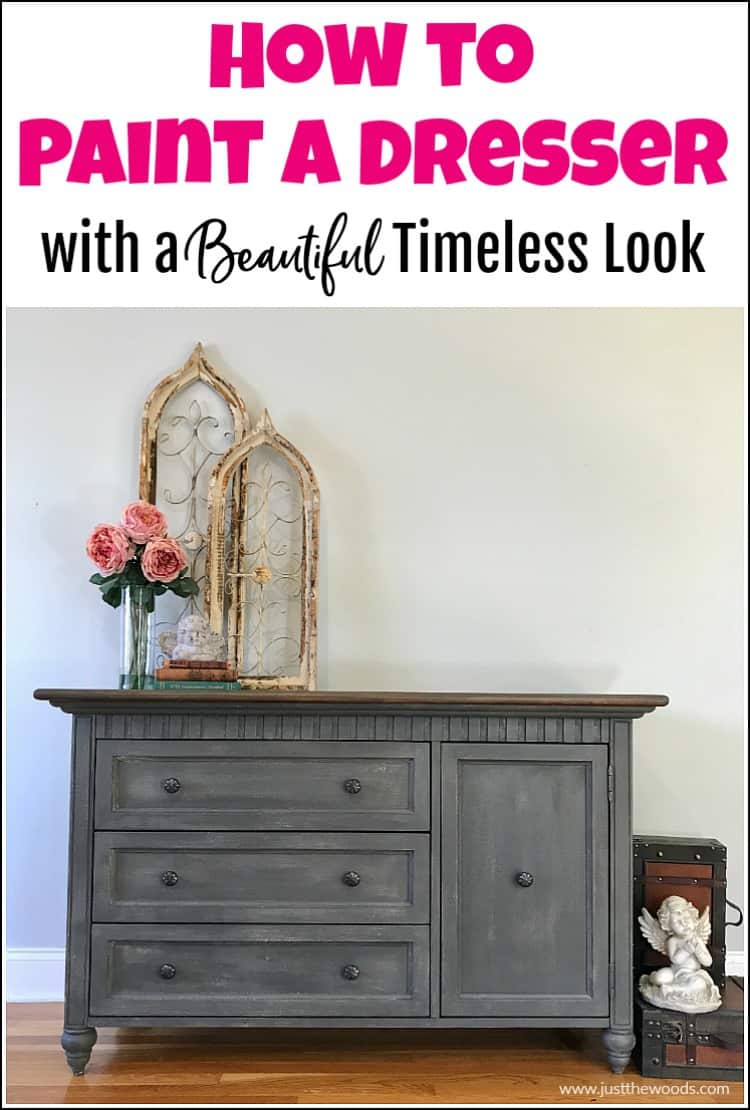
Prep, tools, and number of coats
Good prep saves paint. Sanding, cleaning, and priming improve coverage and adhesion. Prime raw wood or stained wood to avoid bleed-through and to reduce topcoat usage. Use a deglosser or light sand for previously painted glossy finishes.
Essential tools and tips:
- Brushes and mini rollers: rollers speed coverage on flat panels.
- Good quality brush for trim to avoid brush marks.
- Drop cloths, tack cloth, painter’s tape, and sandpaper grits 120–220.
- Apply thin even coats. Thin coats dry faster and use less paint overall.
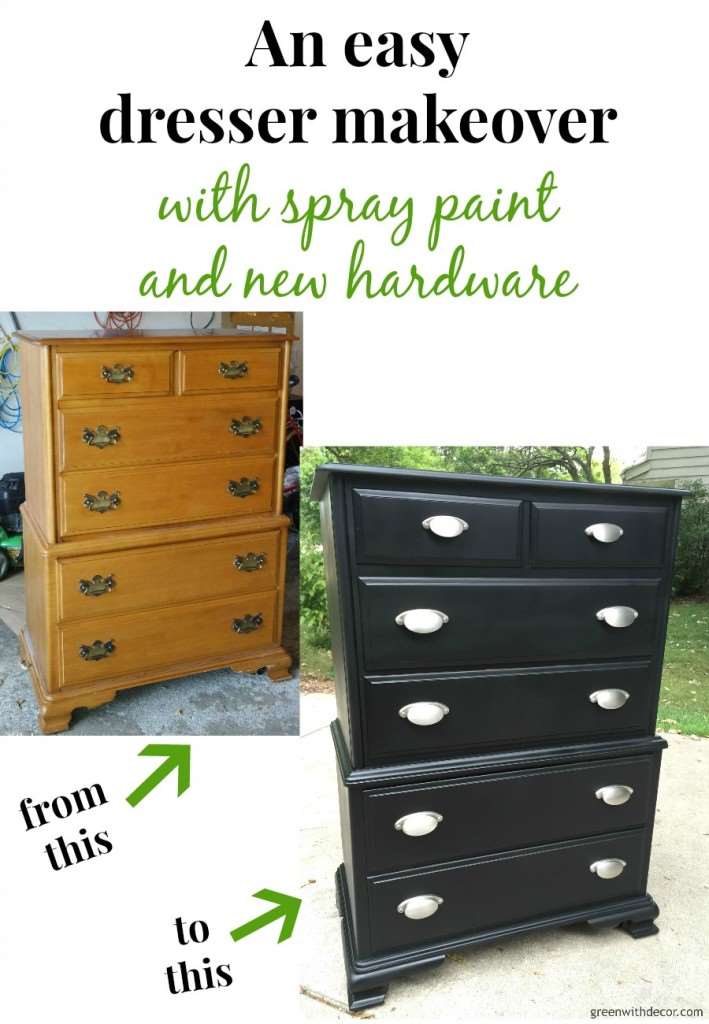
Most dressers look best with primer plus two topcoats. That means plan paint amounts for three thin coats when calculating how much paint for dresser.
Real-world tips and lessons learned
I once underbought paint for a dresser and had to match a second can later. The result didn’t match perfectly. Lesson learned: always keep a small leftover container for touch-ups. I also learned that one heavy coat can look worse than two thin coats. Thin coats hide flaws better and conserve paint over time.
Practical tips from my experience:
- Buy one quart more than calculated for safety.
- Label the leftover paint with project name and date.
- Test color and finish on a hidden spot before starting.
These small steps prevent common problems and make planning how much paint for dresser simple.
Cost estimate and buying guide
Prices vary by brand and finish. Expect to pay about $15–$40 per quart for standard interior paint. Chalk paint or specialty paints cost more. Primer usually costs $10–$25 per quart.
Estimated costs:
- Small dresser: one quart primer + one quart paint = $30–$80 total.
- Medium dresser: one quart paint (no primer needed) = $15–$40.
- Large dresser: one gallon paint = $45–$120.
Buy quality paint if you want longevity. Spending a bit more can save repainting later. When planning how much paint for dresser, include price, tools, and primer in your budget.
Frequently Asked Questions of how much paint for dresser
How much paint does a small dresser need?
A small dresser typically needs one quart for two coats and primer if the wood is raw. If you only need a refresh, one quart can be enough.
Will one quart cover a large dresser?
One quart may cover some large dressers for one coat, but plan one to two quarts for two coats. Very large or ornate dressers may need a gallon.
Do I need primer before painting a dresser?
You should prime raw wood, stained wood, or glossy surfaces to ensure adhesion and reduce the number of topcoats. Primer often improves final finish and can reduce total paint used.
Does paint type change how much I need?
Yes. Chalk paints and textured paints often cover less per quart than quality latex or acrylic paints. Check the label for coverage estimates.
Can I save leftover paint for touch-ups?
Yes. Store leftover paint in airtight containers and label them. Leftover paint is helpful for matching color later and for small touch-ups.
How many coats give the best finish?
Two topcoats over a primer give the most durable and even finish. One thick coat rarely looks as good as two thin coats.
Should I buy a whole gallon to save money?
If your calculated need is close to a gallon or you have multiple pieces, buying a gallon is often more cost effective and ensures a color match. For a single small dresser, a quart is usually enough.
Conclusion
You now know how to measure, calculate, and choose paint so you waste less and get great results. Most projects use one to two quarts for a typical dresser, and counting primer and two thin coats gives the best finish. Use the measuring steps, buy a little extra, and save leftovers for touch-ups. Try the math on your dresser, pick a good paint, and start your project with confidence. Share your results or ask questions in the comments and subscribe for more practical DIY tips.