Baking soda, vinegar, and fresh air remove most musty odors from an antique dresser fast.
I’ve worked with vintage furniture for years and helped many owners learn how to get smell out of antique dresser pieces without harming finishes or value. This guide covers why old dressers smell, safe cleaning steps, natural treatments, and prevention. Read on for practical, tested methods that protect your wood and restore a fresh scent.
Why antique dressers smell
Old dressers trap odors in wood, fabric liners, and joints. Organic matter, smoke, mildew, or pet urine can soak into pores and leave a lingering smell. Understanding where odor hides helps you target cleaning and avoid damaging the finish. Learning how to get smell out of antique dresser pieces starts with finding the source and choosing gentle methods.

Prep and safety steps
Test in an inconspicuous spot before any treatment. Finishes, shellac, and old varnish can react to liquids and solvents. Remove all drawers, hardware, and any liners or paper. Work in a well-ventilated area and wear gloves and a mask if using strong cleaners. These prep steps keep your efforts safe and effective when you try to get smell out of antique dresser surfaces.

Step-by-step cleaning methods
Start with the gentlest approaches and move to stronger ones only as needed. Here are staged steps to get smell out of antique dresser interiors and exteriors.
1) Airing and sunlight
- Remove drawers and let them air in shade or indirect sunlight for several hours to two days.
- Place cardboard under drawers to avoid direct moisture contact.
Airing often reduces mild musty smells quickly.
2) Vacuum and brush
- Use a soft brush attachment to remove dust and debris from corners and grooves.
- Vacuum drawer interiors and underside of the dresser.
This clears odor carriers and prepares surfaces for treatments.
3) Baking soda treatment
- Sprinkle baking soda into drawers or place open boxes of baking soda inside for 48–72 hours.
- Wipe out remaining powder and vacuum.
Baking soda absorbs odors without harming finishes and is a key first-line method to get smell out of antique dresser drawers.
4) White vinegar wipe
- Mix equal parts water and white vinegar. Lightly dampen a soft cloth and wipe interior surfaces.
- Rinse with a cloth dampened in plain water and dry immediately.
Vinegar neutralizes many odors; it evaporates fast and won’t harm most finishes when used sparingly.
5) Activated charcoal and odor absorbers
- Place activated charcoal sachets or odor-absorbing pouches inside drawers for a week.
- Replace or recharge as needed.
Charcoal is powerful for persistent smells and safe for long-term use.
Natural odor absorbers and treatments
Natural solutions are safe and gentle for antiques. Try one or combine methods depending on severity.
- Baking soda: Place in bowls or sprinkle in drawers for 48–72 hours.
- Activated charcoal: Use sealed pouches that can be left for longer-term absorption.
- Coffee grounds: Place in shallow, covered cups to mask and absorb odors for a few days.
- Fresh citrus peels: Put peels in drawers for a day to add a fresh scent, then remove to avoid oils staining wood.
- Cedar blocks or sachets: Provide a pleasant smell and natural insect resistance; avoid direct prolonged contact with delicate finishes.
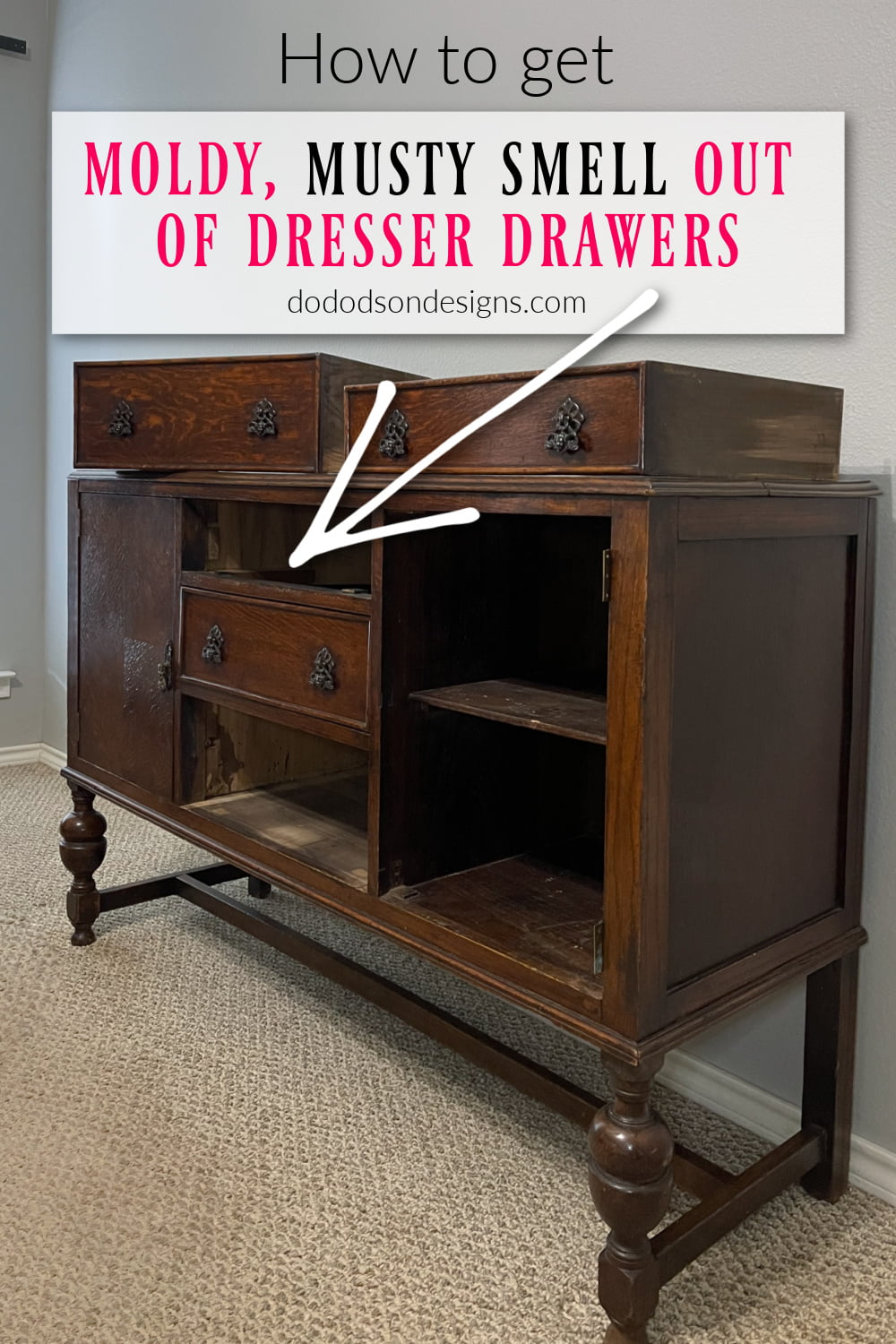
Deep-cleaning stubborn smells
When light methods fail, move to targeted deep cleaning. Work slowly and always test first.
- Enzyme cleaners: Use a small amount on a cloth for organic stains like urine or sweat. Blot; do not saturate. Enzymes break down odor-causing molecules safely when used as directed.
- Oxygen-based cleaners: For unfinished or robust interiors, oxygen cleaners can lift deep-set stains. Rinse thoroughly and dry fast.
- Professional refinishing: If odor has soaked into the wood itself and cannot be removed, a light sanding and re-sealing by a pro may be the only solution. This alters the finish and can impact value, so consult an appraiser if the piece is collectible.
Deep methods help when standard steps to get smell out of antique dresser interiors are insufficient.

Preventing future odors
Prevention is cheaper and easier than deep cleaning. Use these habits to keep your antique smelling fresh.
- Keep drawers dry and avoid storing damp items.
- Use breathable storage like cotton bags rather than plastic.
- Rotate contents regularly to air wood and fabrics.
- Place cedar blocks or activated charcoal sachets in drawers year-round.
- Avoid storing food, damp clothing, or shoes in antique dressers.

Materials and products to avoid
Some products are too harsh for antique finishes and can cause damage or discoloration.
- Avoid bleach and ammonia: These strip finishes and weaken wood fibers.
- Avoid petroleum solvents: They can dissolve shellac and old varnish.
- Avoid oil soaps on sensitive woods: They can leave residues that attract dust.
When in doubt, test on a hidden spot or consult a conservator before using strong cleaners to get smell out of antique dresser surfaces.

Personal experiences, mistakes, and tips
I once bought a century-old dresser that smelled like a damp basement. I tried strong cleaners first and created a cloudy, streaked finish that required professional touch-up. Lesson learned: start gentle. I now always begin with airing, baking soda, and charcoal. For small urine spots, enzyme cleaner on a cloth worked well when blotted—never soaked. When working on valuable pieces, I seek a conservator’s advice early to protect patina and provenance.

Frequently Asked Questions of how to get smell out of antique dresser
What if the smell returns after cleaning?
Smells can return if moisture or the source remains. Repeat odor absorption (baking soda or charcoal) and check for hidden spills or mold behind linings.
Can I use essential oils to mask the smell?
Essential oils mask odors temporarily but do not remove them. They may leave oils that attract dust; use sparingly and place on sachets instead of direct wood contact.
Is it safe to sand the inside of the drawers?
Light sanding can remove surface-soaked odors but may change appearance. Sand very lightly and refinish with a compatible sealer only if you accept possible value changes.
How long does it take to get smell out of antique dresser with baking soda?
Baking soda often reduces odors in 48–72 hours. For stronger smells, leave it for a week and replace the soda midway.
When should I call a professional conservator?
Call a conservator if the piece is valuable, smells of chemical or mold that might affect health, or when cleaning risks damaging original finishes or patina.
Conclusion
Restoring fresh scent to a vintage piece is a blend of patience, gentle methods, and targeted treatments. Start with airing and odor absorbers, progress to vinegar or enzyme cleaners if needed, and reserve sanding or refinishing for last. Take small tests, protect finishes, and prefer natural absorbers like baking soda and charcoal. Try these steps, and you’ll likely get smell out of antique dresser pieces without harming their character. If this guide helped, leave a comment, subscribe for more furniture care tips, or share a photo of your restored dresser.