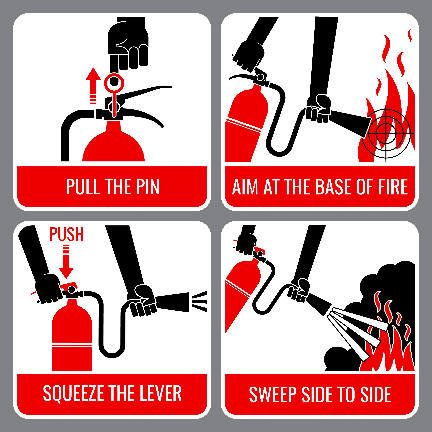
Pull the pin, aim low, squeeze the handle, and sweep the base of the fire.
I have taught and used fire extinguishers in homes and workplaces for years, and this guide shows exactly how to use a fire extinguisher safely and confidently. I combine hands-on experience, clear step-by-step instructions, and practical tips to help you decide when to act, what extinguisher to choose, and how to avoid common mistakes. Read on to get a calm, usable plan for emergencies that puts safety first.
Why knowing how to use a fire extinguisher matters
Knowing how to use a fire extinguisher can save lives and limit damage. Small fires can get out of hand in seconds. Having the skill to respond can keep you and others safe until help arrives. This skill also reduces panic. Practice builds confidence, and confidence improves outcomes.

Types of extinguishers and what they fight
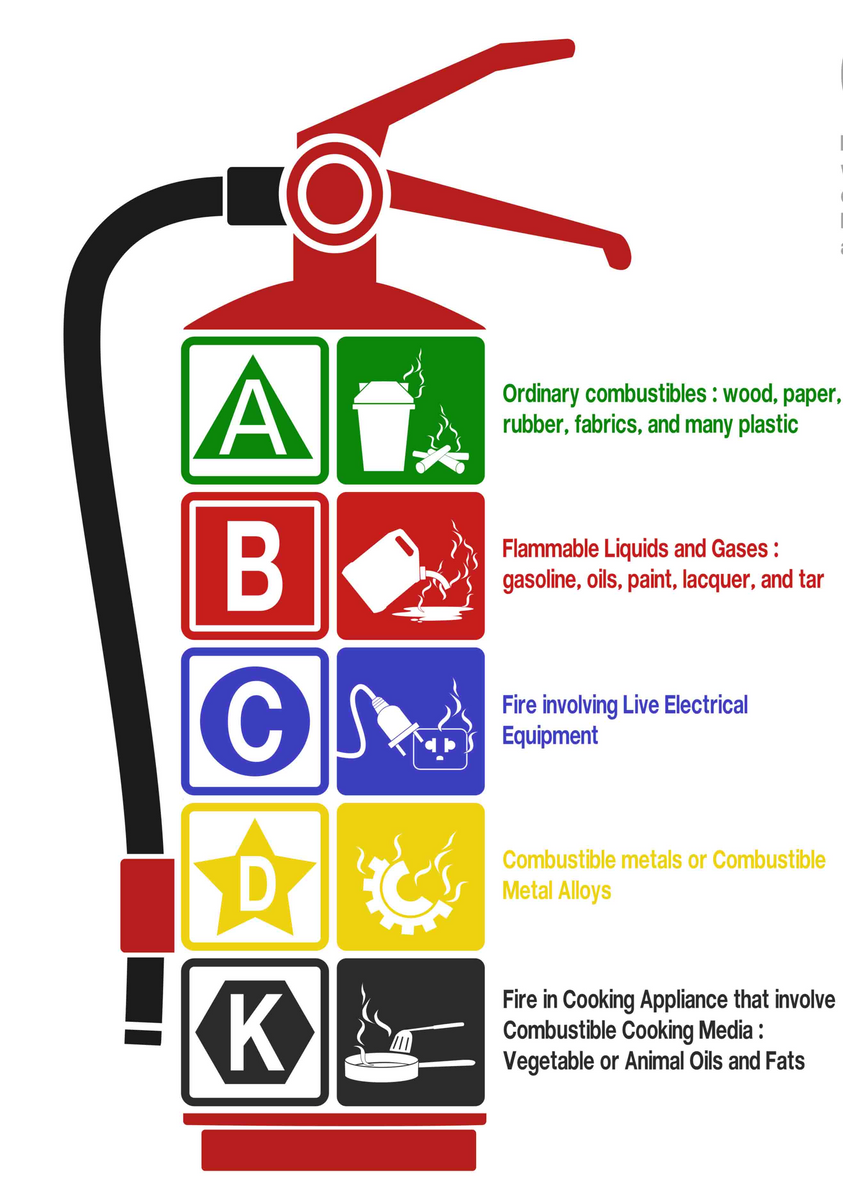
Choose the right tool before you learn how to use a fire extinguisher. Using the wrong type can spread a fire or cause injury. Here are common classes and typical agents.
- Class A — For wood, paper, cloth, and ordinary combustibles. Usually water or foam.
- Class B — For flammable liquids like grease, gasoline, and oil. Often foam, CO2, or dry chemical.
- Class C — For energized electrical fires. Use CO2 or dry chemical rated for electrical hazards.
- Class D — For combustible metals. Use dry powder specific to the metal type.
- Class K — For kitchen grease and cooking oils. Use wet chemical extinguishers designed for kitchens.
Labeling can vary by country. Always read the extinguisher label before use. Knowing which extinguisher fights which fire is a key part of how to use a fire extinguisher safely.
When to attempt to use a fire extinguisher
Not every small fire should be fought. Use this short checklist before you try to put a fire out.
- The fire is small and contained.
- You have a clear escape route behind you.
- You have an appropriate extinguisher nearby.
- You are not breathing heavy smoke or exposed to heat.
- Someone has called emergency services or you can call after you try.
If any item fails, evacuate and wait for firefighters. Safety comes first when learning how to use a fire extinguisher.
How to use a fire extinguisher — step-by-step (PASS)
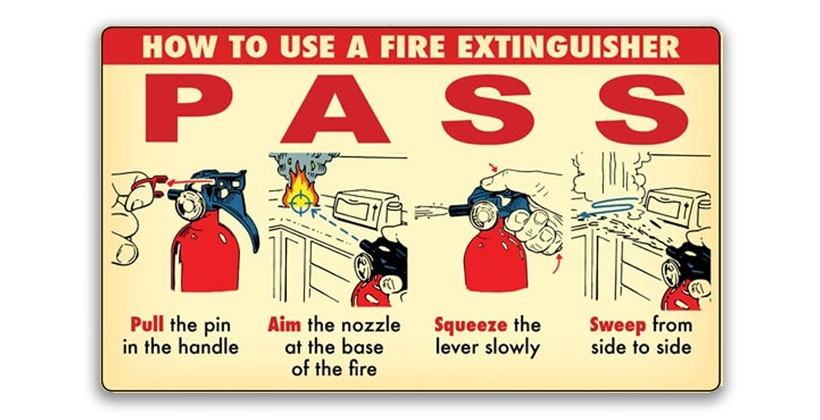
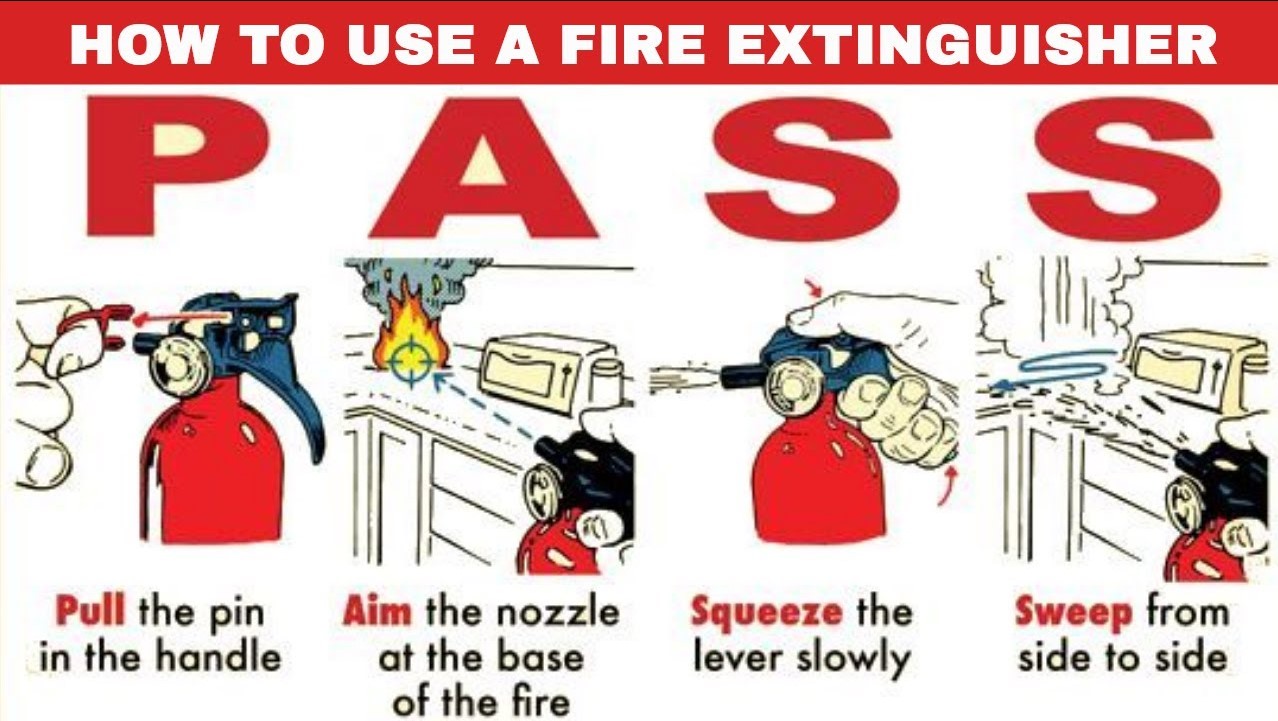
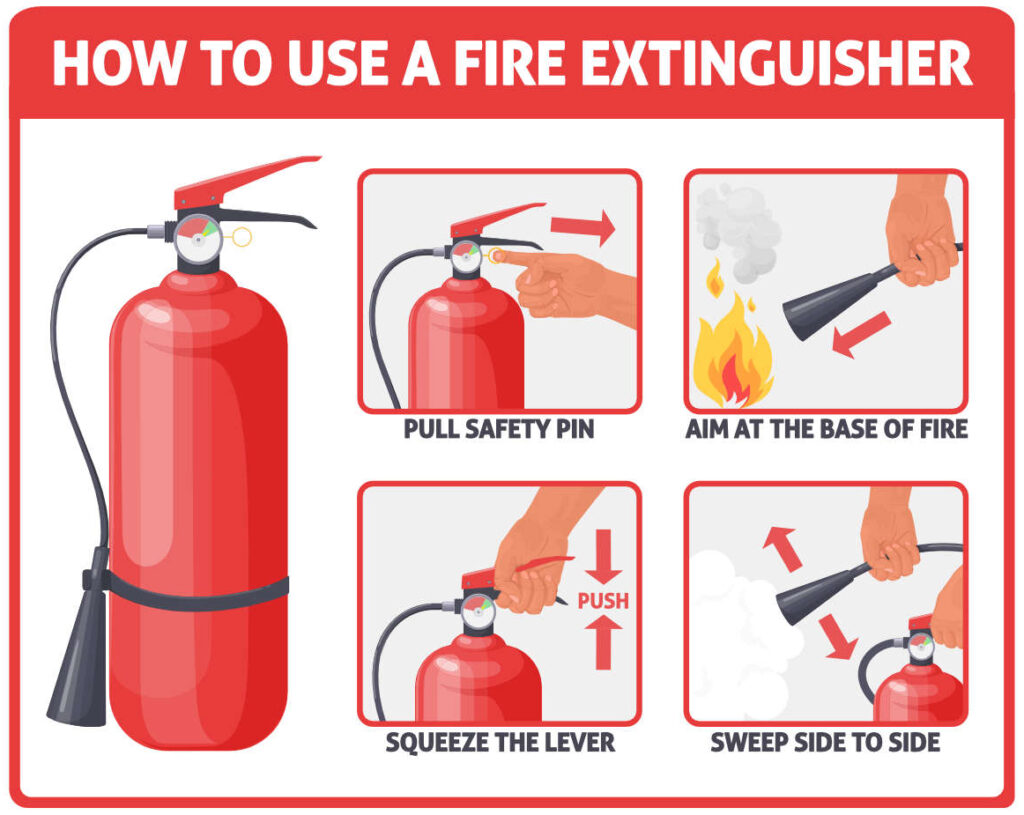
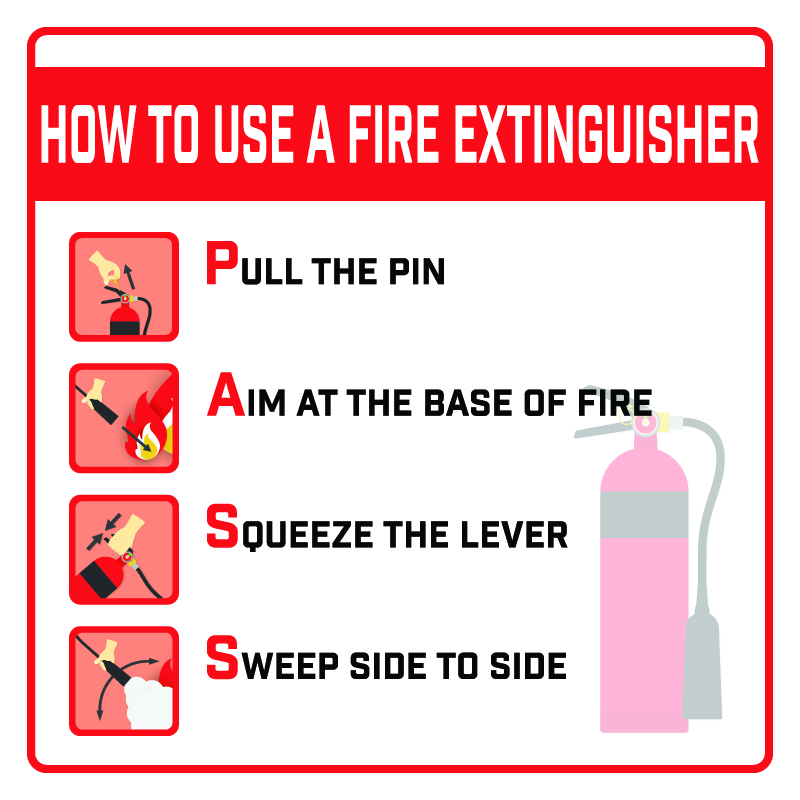
Use a clear method to act fast. The PASS method is simple and effective for how to use a fire extinguisher.
- Pull the pin. This unlocks the operating lever.
- Aim low. Point the nozzle at the base of the fire, not the flames.
- Squeeze the handle. Apply steady pressure to release the agent.
- Sweep side to side. Move slowly across the base until the fire goes out.
- Watch for re-ignition. If the fire flares up, repeat the sweep or evacuate.
Keep about 6 to 8 feet from the fire at first. Move closer after the flames drop. If the extinguisher is empty and the fire still burns, back away and let professionals handle it. Practicing the PASS steps helps when you need them most.
Common mistakes and how to avoid them
Avoid these errors when you learn how to use a fire extinguisher.
- Trying to fight a large or fast-moving fire. This is dangerous.
- Using the wrong extinguisher on oil or electrical fires. This can worsen the situation.
- Standing too close or too far while aiming. Practice distance during drills.
- Not checking the pressure gauge or inspection tag. A dead extinguisher is useless.
- Failing to turn off power or fuel sources when possible. Removing the fuel stops the fire from growing.
I once tried to tackle a small stovetop grease fire with a water-based unit. The fire spread instantly. I stopped, evacuated, and called the fire department. That mistake taught me to always check the extinguisher class and to keep a Class K or dry chemical unit near cooking areas.
Maintenance, inspection, storage, and replacement
A well-maintained extinguisher works when you need it. Follow these simple steps.
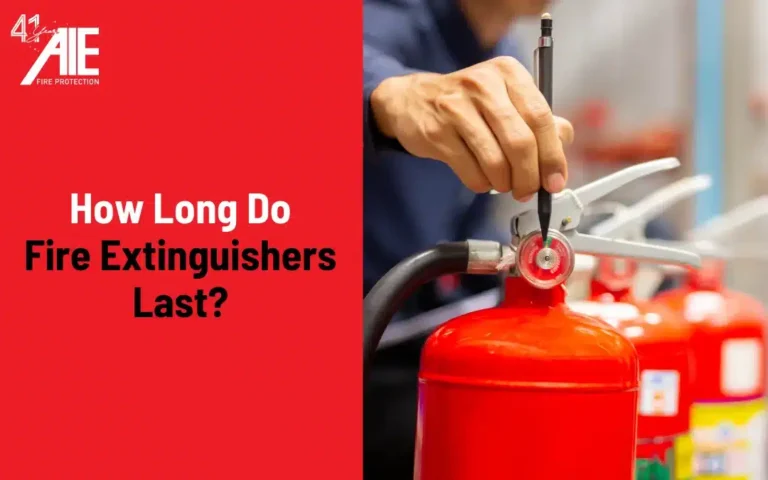
- Inspect monthly. Check the pressure gauge, safety pin, and for visible damage.
- Service annually. Have a certified technician perform a professional check every year.
- Replace or recharge after any use, even partial discharge.
- Store where it is easy to reach and where it won't freeze or corrode.
- Mount at eye level or in a clearly visible bracket. Label the location for quick access.
Record inspections and service dates. Knowing how to use a fire extinguisher is only useful if the unit is ready to work.
Training, drills, and practice recommendations
Practical practice builds muscle memory. Hands-on training helps you learn how to use a fire extinguisher calmly.
- Take a certified fire extinguisher training class. Instructors give live practice and feedback.
- Conduct workplace drills that include locating and using extinguishers.
- Practice PASS on training units or during supervised demonstrations.
- Review extinguisher types and locations with family or coworkers annually.
- Simulate escape routes and communication during a drill.
From my experience leading drills, people who practice once a year respond faster and with less fear. Make drills brief and focused. Repetition makes the actions natural in an emergency.
Legal and workplace requirements
Many workplaces must follow rules for extinguisher placement, inspection, and training. Fire codes vary by region. Employers often must provide training and maintain records. Check local regulations for exact requirements. A compliant program improves safety and reduces liability.
Frequently Asked Questions of how to use a fire extinguisher
What is the easiest method to remember how to use a fire extinguisher?
Remember PASS: Pull, Aim, Squeeze, Sweep. These four steps are simple to recall and apply under pressure.
Can I use a fire extinguisher on a grease fire?
Use a Class K extinguisher or a suitable dry chemical. Never use water on a grease fire; water can spread the flames.
How close should I stand when using a fire extinguisher?
Start about 6 to 8 feet away and move closer as the flames shrink. Stay aware of your escape route.
How often should fire extinguishers be inspected?
Do a visual check monthly and a professional service annually. Recharge or replace after any use.
Is it safe to use an extinguisher on electrical fires?
Yes, but only use extinguishers rated for Class C or non-conductive agents like CO2 or dry chemical. Turn off power if it is safe to do so.
Conclusion
Learning how to use a fire extinguisher gives you the tools to act safely in a small emergency. Know your extinguisher types, follow PASS, and practice regularly. Inspect and service units so they work when needed. Start a simple drill with family or coworkers this week to build confidence. If you found this helpful, leave a comment, share your experience, or subscribe for more safety guides.