Choose a wall key holder by matching size, capacity, materials, style, and mounting.
If you want a clean entryway and fewer frantic key hunts, you need a plan. This guide shows you how to select key holder for wall with clear steps, real examples, and pro tips. I’ll walk you through sizes, materials, style, safety, and smart features so you can pick once and enjoy daily peace.
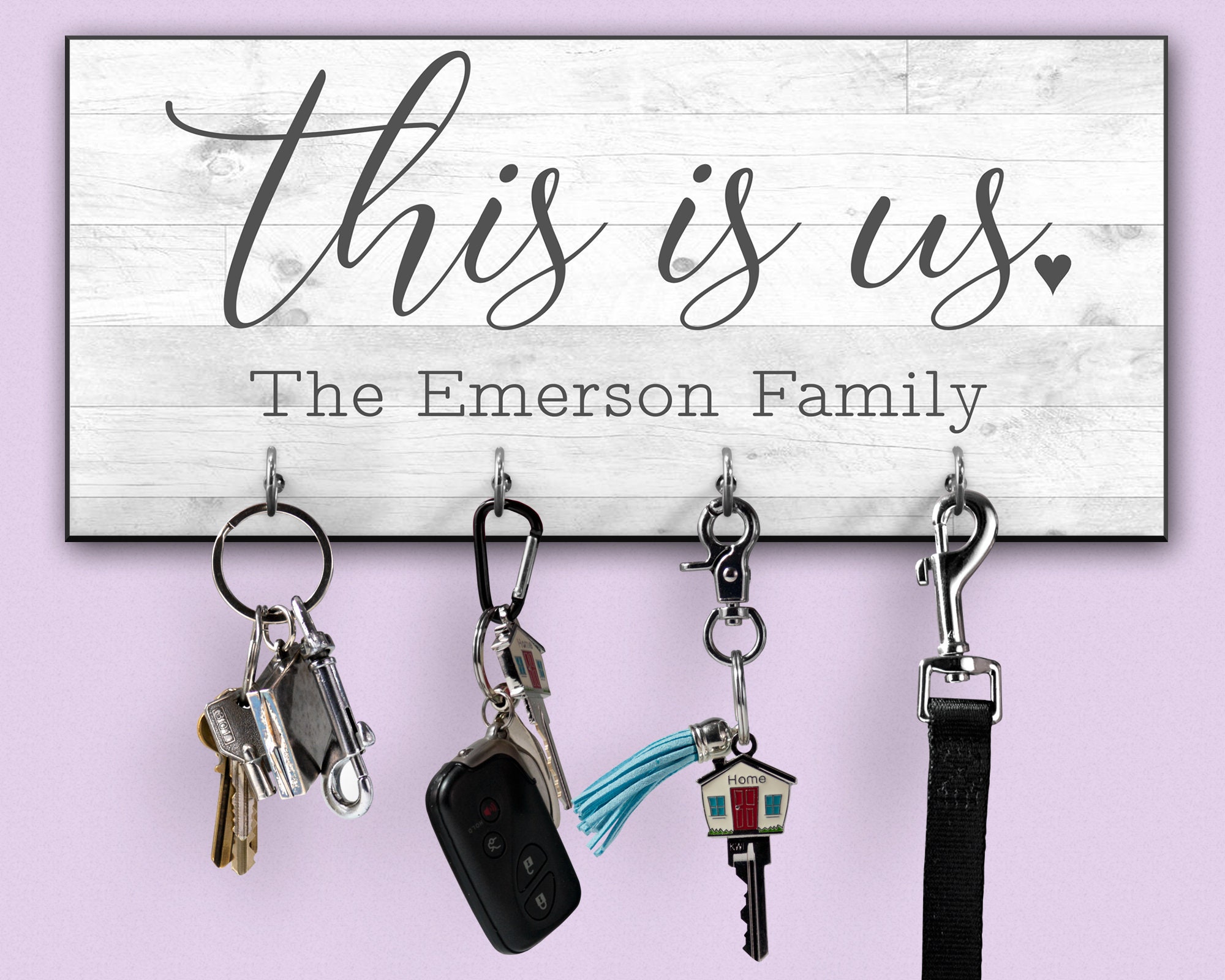
Start with space, traffic, and users
Before you buy, map the spot. Stand in your entry, hallway, or mudroom. Note the nearest door, the light, and how people move. This context shapes how to select key holder for wall with confidence.
Use these steps:
- Measure width and height where the key holder will live
- Check door swings so hooks do not block or get hit
- Note who uses it daily, like kids or guests
- Count your current key sets and add two extra hooks for growth
If you live with kids, keep hooks lower. For rentals, choose removable mounting or use stud-friendly screws with care. This early scan makes how to select key holder for wall simple and practical.

Get the right size and capacity
Size affects comfort and clutter. A holder that is too small feels messy. Too large looks odd and wastes space.
Match size to use:
- Studio or condo: 8–12 inches wide, 4–6 hooks
- Family home: 12–18 inches wide, 6–10 hooks
- Shared house or office: modular rail systems with 8–20 hooks
Look for a shallow depth if your hall is narrow. Add a tray for fobs or headphones if you tend to empty pockets there. When learning how to select key holder for wall, capacity is your anchor metric.

Choose materials that last
Material affects looks, strength, and upkeep. It also sets the tone at your door.
Good options:
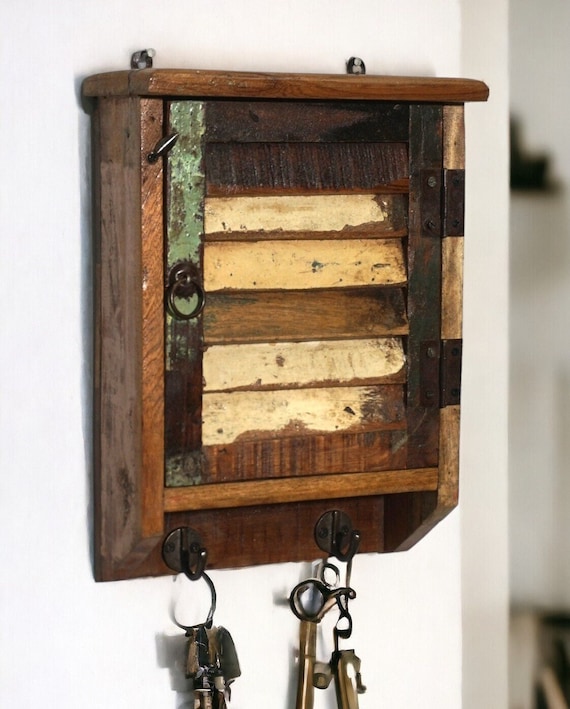
- Solid wood: warm, sturdy, easy to repair; oak and walnut age well
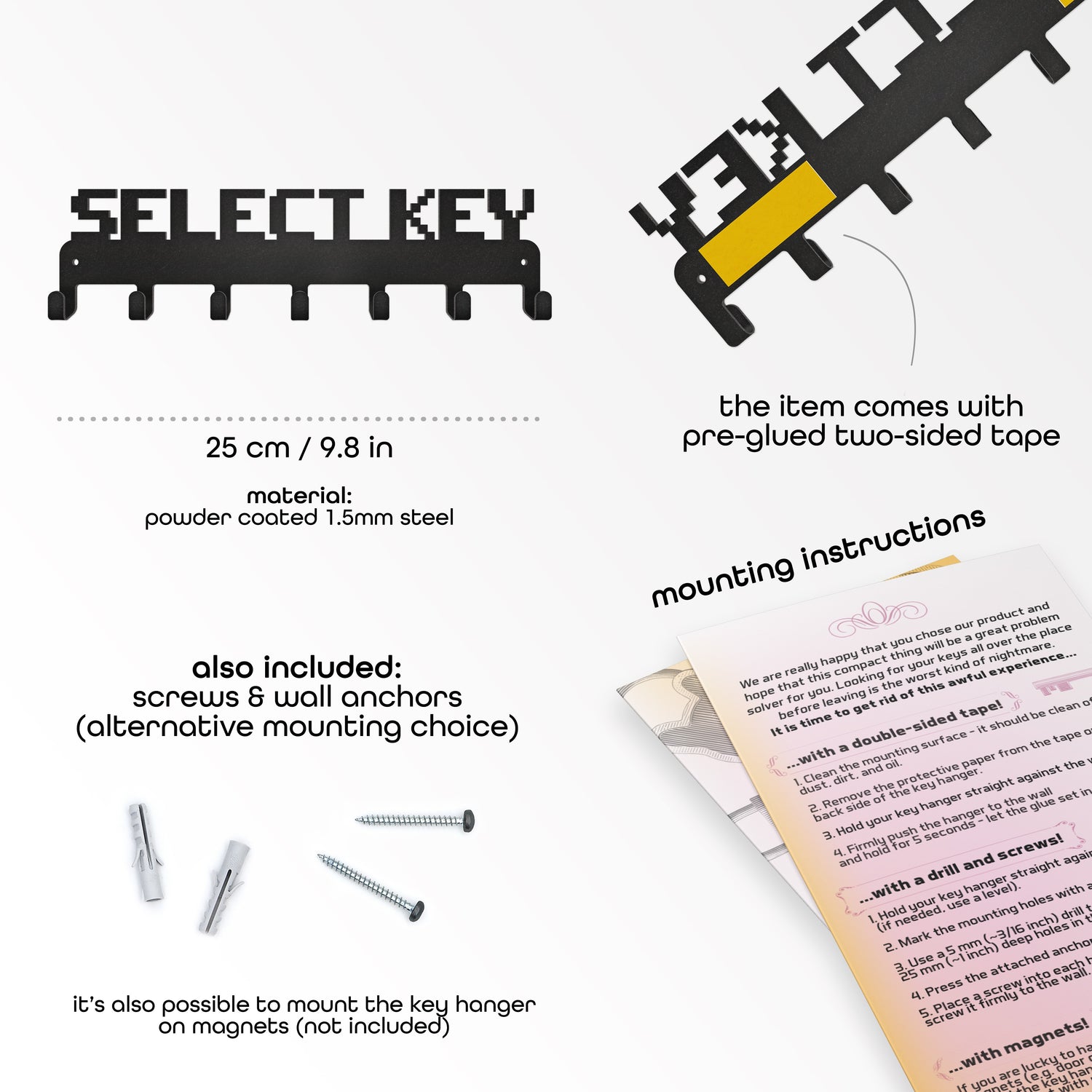
- Metal: slim profile, high strength; powder-coated finishes resist chips
- Bamboo: eco-friendly, light, modern look
- ABS or acrylic: low-cost, light, clean feel
Match moisture to material. For humid spots near a door, pick sealed wood or powder-coated metal. Check load rating if you hang heavy fobs. I learned the hard way that thin MDF bowed within months. A better choice saved me time and money. Keep this in mind when deciding how to select key holder for wall.

Style that fits your home
Think of the key holder as jewelry for your wall. It should echo your decor rather than fight it.
Pair styles:
- Modern spaces: matte black metal, clean lines
- Rustic or farmhouse: distressed wood, brushed brass hooks
- Industrial: raw steel, reclaimed wood
- Minimal: white or natural wood, hidden hardware
Match hardware finishes to your door handle or light fixture for cohesion. Neutral colors age well across trends. If you care about prints or text, choose subtle labeling so it stays timeless. A small shift in style can elevate how to select key holder for wall from a quick buy to a smart design move.
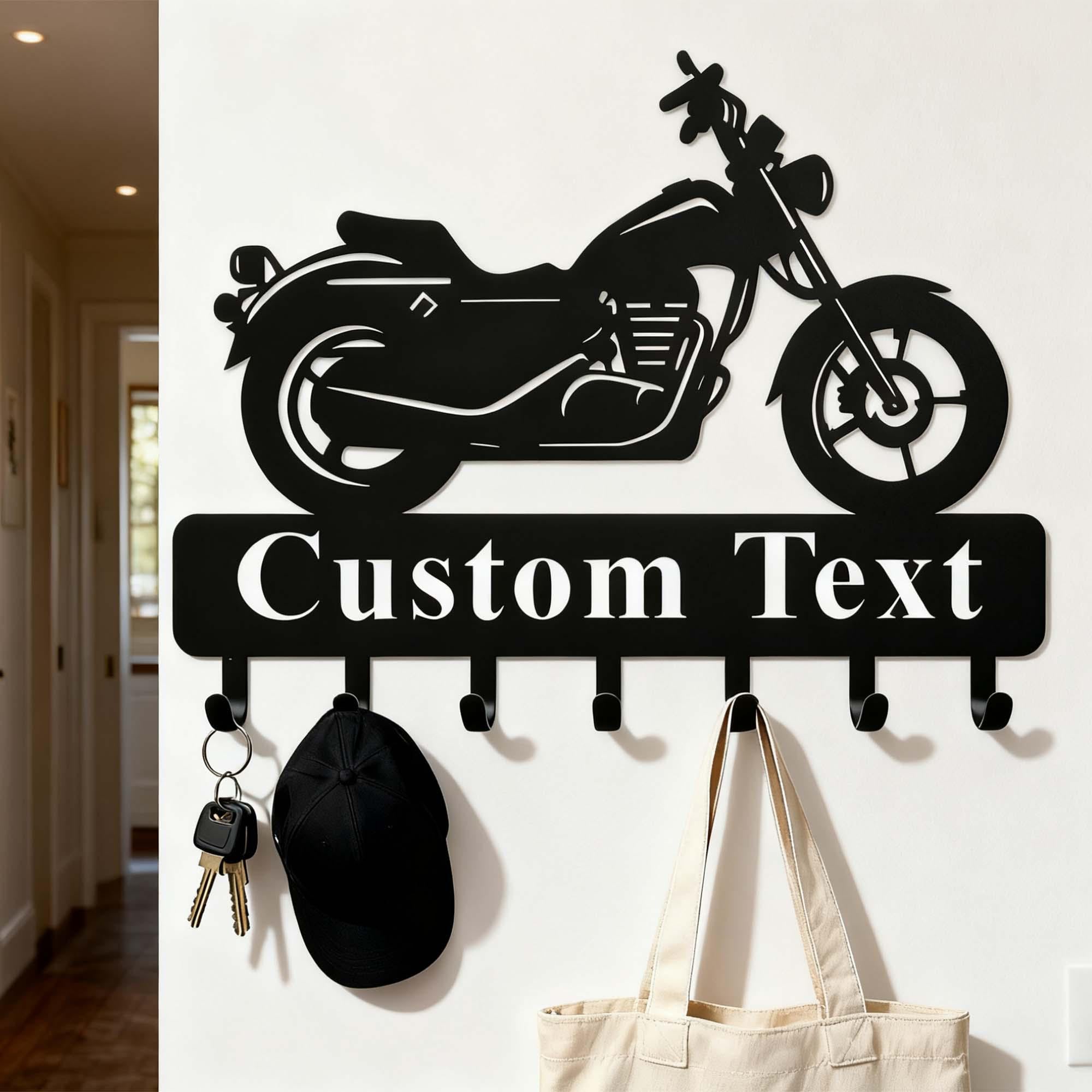
Focus on features that reduce clutter
A key holder can be a tiny command center. Pick features that stop daily mess, not add to it.
Helpful add-ons:
- Shelf or tray for wallets, sunglasses, and mail
- Dedicated slot for car fobs so they do not fall
- Magnet strip for loose metal items
- Label tabs for shared homes to reduce mix-ups
- Small whiteboard or cork patch for reminders
Smart habits help too. One hook per key set keeps order. When thinking about how to select key holder for wall, function should beat novelty every time.

Install it safely and at the right height
Mounting makes or breaks daily use. Safe mounting also protects walls and avoids mishaps.
Follow these tips:
- Ideal height: 55–60 inches from the floor to the top of the holder
- Find studs; if none, use the correct drywall anchors
- Level the holder before drilling; mark both holes
- For renters, consider adhesive strips rated for weight, or lean a narrow rail on entry furniture
Check the hook rating if you hang bags or leashes. Keep sharp edges away from child-height zones. This part of how to select key holder for wall is not glamorous, but it is crucial.

Budget smart and think sustainability
You do not need to overspend. A fair budget depends on materials and features.
Price cues:
- Entry-level: simple metal bars or plastic units; functional and light
- Mid-range: solid wood, metal hooks, small shelf; best value for most homes
- Premium: handmade hardwood, brass hardware, modular systems
Look for low-VOC finishes, FSC-certified wood, and recycled metals if you care about footprints. Durable choices cost more upfront but save over time. This mindset helps when you plan how to select key holder for wall with long-term value.
Keep it working with simple routines
A great system fails without habits. Build small rituals so you never lose keys again.
Easy practices:
- Do a weekly two-minute reset of the tray and hooks
- Label spare hooks for guests or house sitters
- Keep a backup set in a different room for emergencies
- Limit the holder to daily use keys only
I keep a small note behind the holder with important numbers. It is low-tech and always there. Routines turn how to select key holder for wall into daily calm.
Common mistakes to avoid
Avoid these pitfalls to save cash and stress.
- Buying on looks only and ignoring capacity or mounting needs
- Choosing weak adhesive hooks for heavy fobs or bags
- Placing it behind a door where it gets bumped
- Picking rough hooks that snag fabric or scratch fobs
- Skipping measurements and ending with awkward proportions
These slip-ups are common. Keep them in mind as you decide how to select key holder for wall.
Frequently Asked Questions of how to select key holder for wall
What height should a wall key holder be?
Aim for 55–60 inches from the floor to the top of the holder. This works for most adults and keeps it in easy reach.
How many hooks do I need?
Count your daily key sets, then add two extra hooks. This gives room for guests, new keys, or a spare car fob.
Which material is best for humid entryways?
Powder-coated metal or sealed hardwood works well. They resist warping and rust and are easy to clean.
Can I install a key holder in a rental without damage?
Yes, use high-strength adhesive strips designed for weight. Choose a lighter holder and follow the removal instructions to avoid wall marks.
What features help reduce clutter the most?
A shelf or small tray and labeled hooks keep things tidy. A magnet strip and a small mail slot help control daily pile-ups.
Conclusion
You now know how to select key holder for wall with skill. Measure your space, match size and capacity, pick sturdy materials, and install it right. Add smart features and simple routines, and you will never waste time hunting keys.
Make your next five minutes count. Choose a holder that fits your home and your habits. Ready for more? Subscribe for weekly home organization guides, or drop a comment with your space and I’ll help you pick the perfect match.