Pick a rug that anchors your furniture, leaves walking space, and fits your room proportions.
I’ve spent years advising homeowners and testing rugs in real rooms, so I know what works. This guide on how to choose the right size area rug will walk you through simple measurements, room-by-room rules, furniture placement tips, and mistakes to avoid. Read on for clear steps and real-life advice to make your next rug feel like it was made for your space.

Why rug size matters
The right rug ties a room together. A rug that is too small looks like an afterthought. A rug that is too large can overwhelm the space.
Picking the right size can also improve traffic flow and protect floors. Learning how to choose the right size area rug helps you set mood, scale, and comfort in a room. This matters whether you rent or own.
Measure your space: a step-by-step method
Measure the full room first. Note wall-to-wall length and width in inches or feet.
Measure furniture groupings next. For living rooms, measure the sofa length and the distance between furniture legs. For dining rooms, measure the table length and width and add chair clearance.
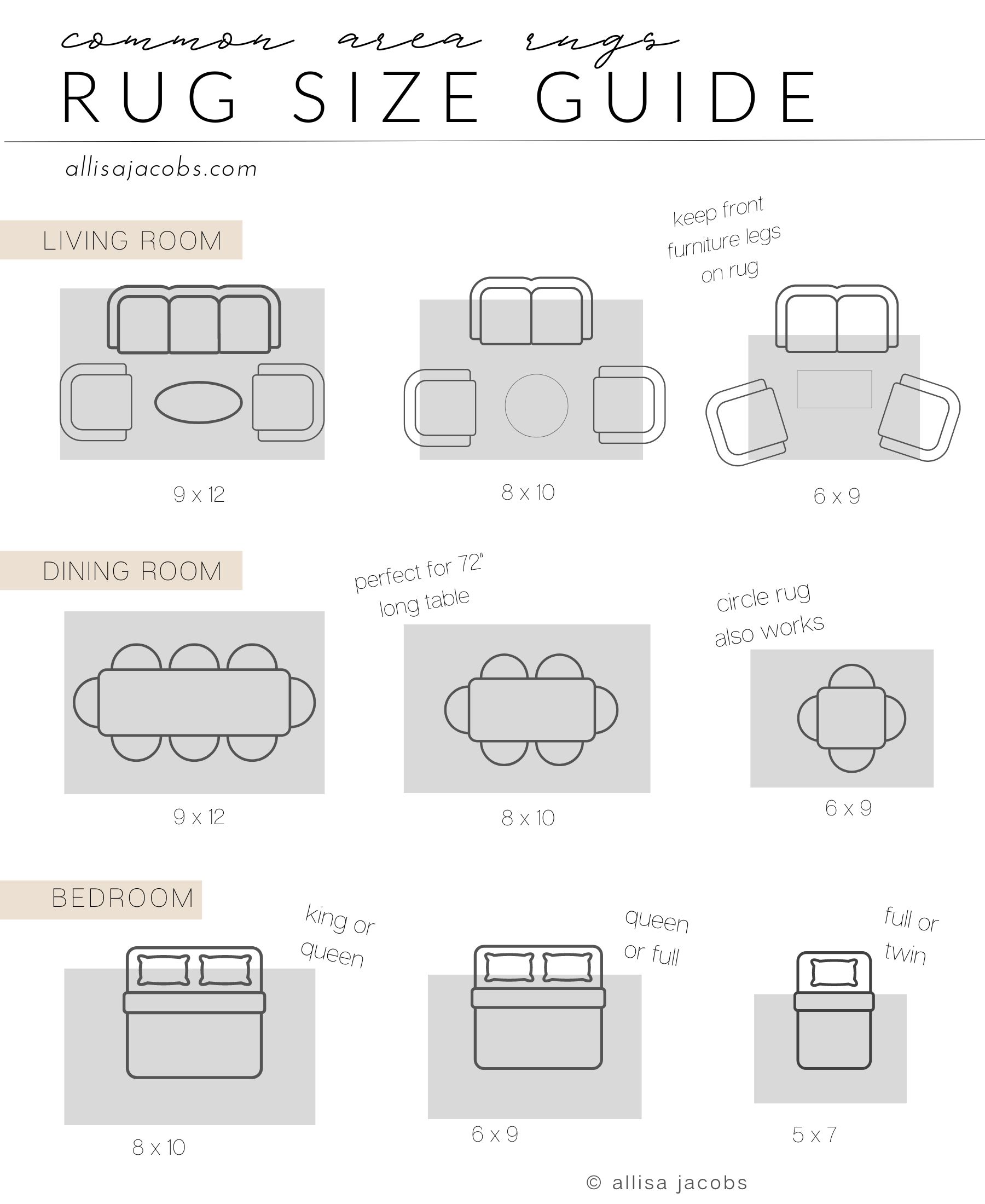
Use simple math to pick rug sizes. Common rug sizes include 5×8, 8×10, 9×12, and runners. Compare your measurements to these sizes to see what fits best when you are learning how to choose the right size area rug.
Room-by-room rug size guide
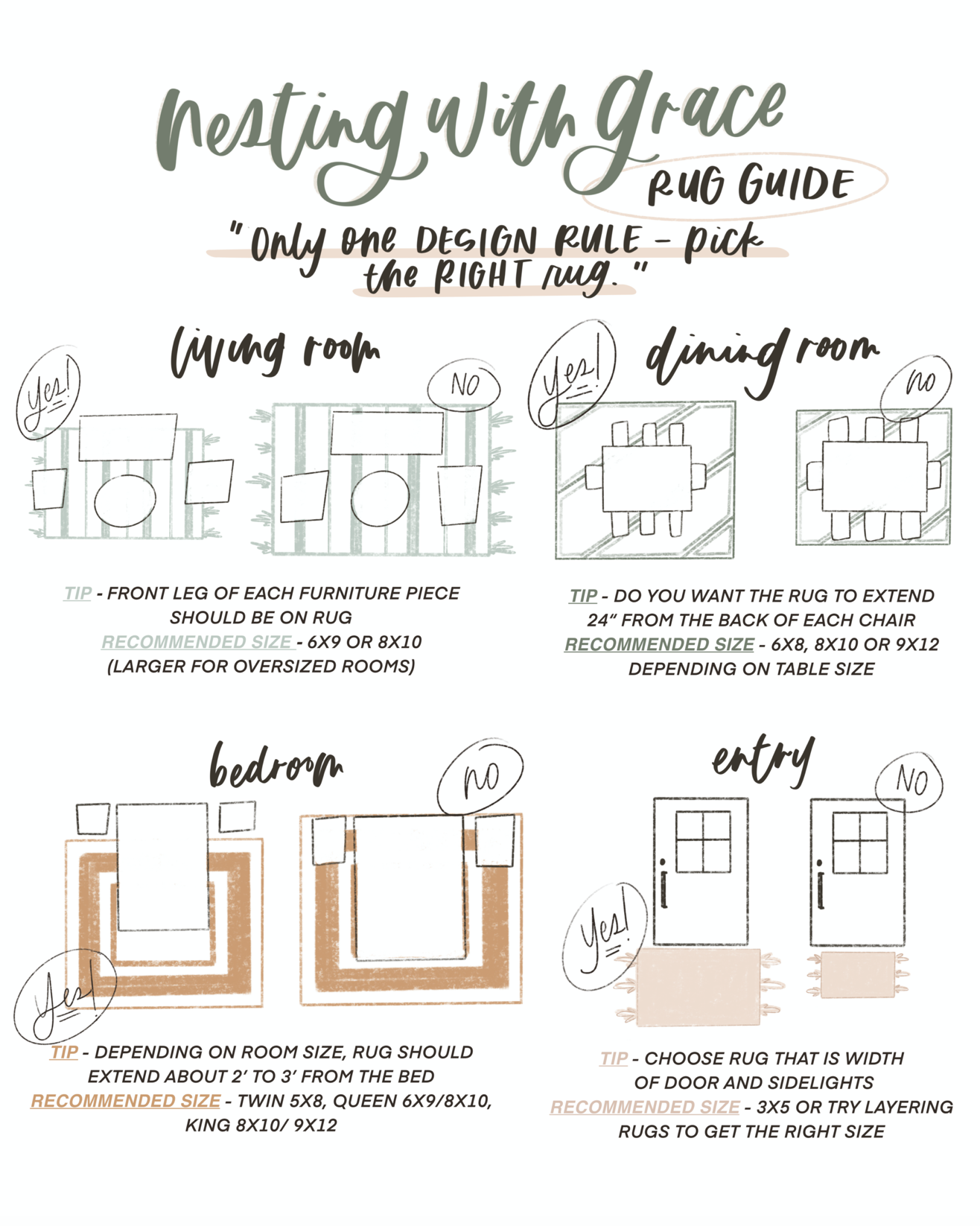
Living room
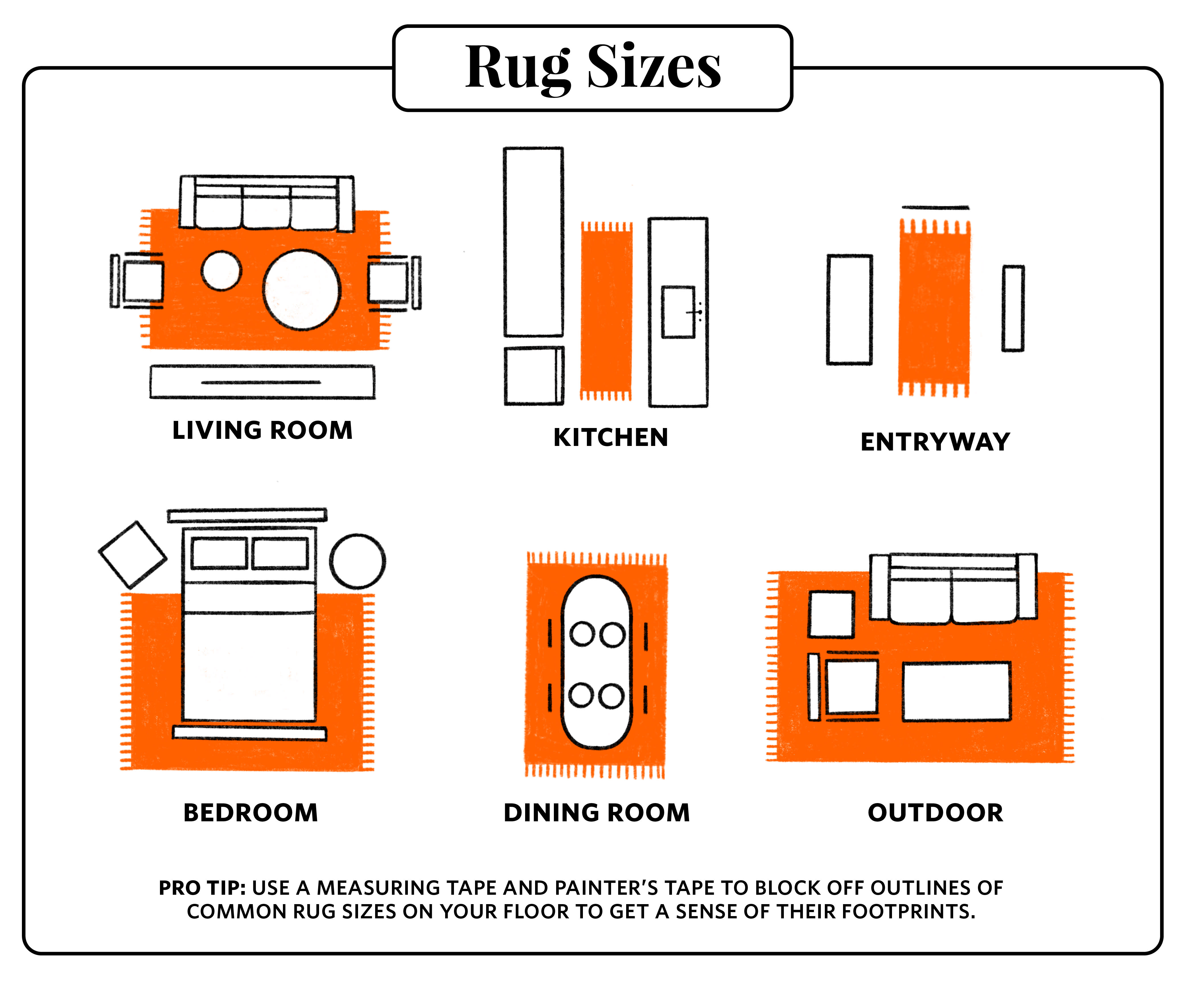
Aim for an 8×10 or larger if space allows. Place front legs of sofas and chairs on the rug to create a unified seating area. If your room is small, a 5×8 rug under the coffee table can work if all furniture sits off the rug.
Dining room
Choose a rug that extends 24 inches beyond each side of the table. This allows chairs to move without catching the rug. For round tables, keep the same rule—add about two feet of clearance.
Bedroom
Place a rug under the bed that extends at least 18–24 inches beyond the sides and foot. For king beds, common sizes are 8×10 or 9×12. For smaller beds, a runner on each side can work, but I prefer at least one large rug for visual warmth.
Hallways and entryways
Use a runner that leaves 6–12 inches from the walls for a balanced look. Think of runners as guides that pull you into the home and protect high-traffic areas.
These room rules help you plan how to choose the right size area rug based on common uses and traffic patterns.
:max_bytes(150000):strip_icc()/right-size-area-rug-for-bedroom-350698-8615a8f66ae846159199c384040de351.png)
Furniture placement rules that always work
- Anchor all seating with at least the front legs on the rug to create cohesion.
- For sofas facing each other, choose a rug that fits under both sofas and the coffee table.
- Let dining chairs stay on the rug even when pulled out; factor this in when choosing rug size.
- For beds, place the rug so it peeks out from the sides and foot to frame the bed.
These simple placement rules make spaces feel balanced and intentional. Following them makes it easier to judge how to choose the right size area rug.

Common mistakes and how to avoid them
- Choosing a rug by instinct only. Measure first and visualize the layout.
- Buying a rug that stops under furniture legs. This breaks visual flow.
- Overlooking scale. A patterned rug can feel busy in a small room.
- Not accounting for chair movement in dining rooms. Chairs should remain on the rug when pulled out.
I once bought a rug that was two feet too small for my living room. It felt off for months. Measuring first would have saved time and money. Learn from that: measure, mock up, then buy.

Practical tips: measuring, visualizing, and trying rugs at home
- Use painter’s tape to mark rug edges on the floor. Stand back and live with it for a day.
- Cut cardboard to rug dimensions to test placement and scale.
- Take photos from different angles to compare options. Photos reveal scale better than memory.
- Consider removable rug pads to change feel without buying multiples.
From my experience, marking the floor with tape solved more doubts than any online calculator. These small tests make it easy to decide how to choose the right size area rug for your space.
Materials, pile, and how they affect perceived size
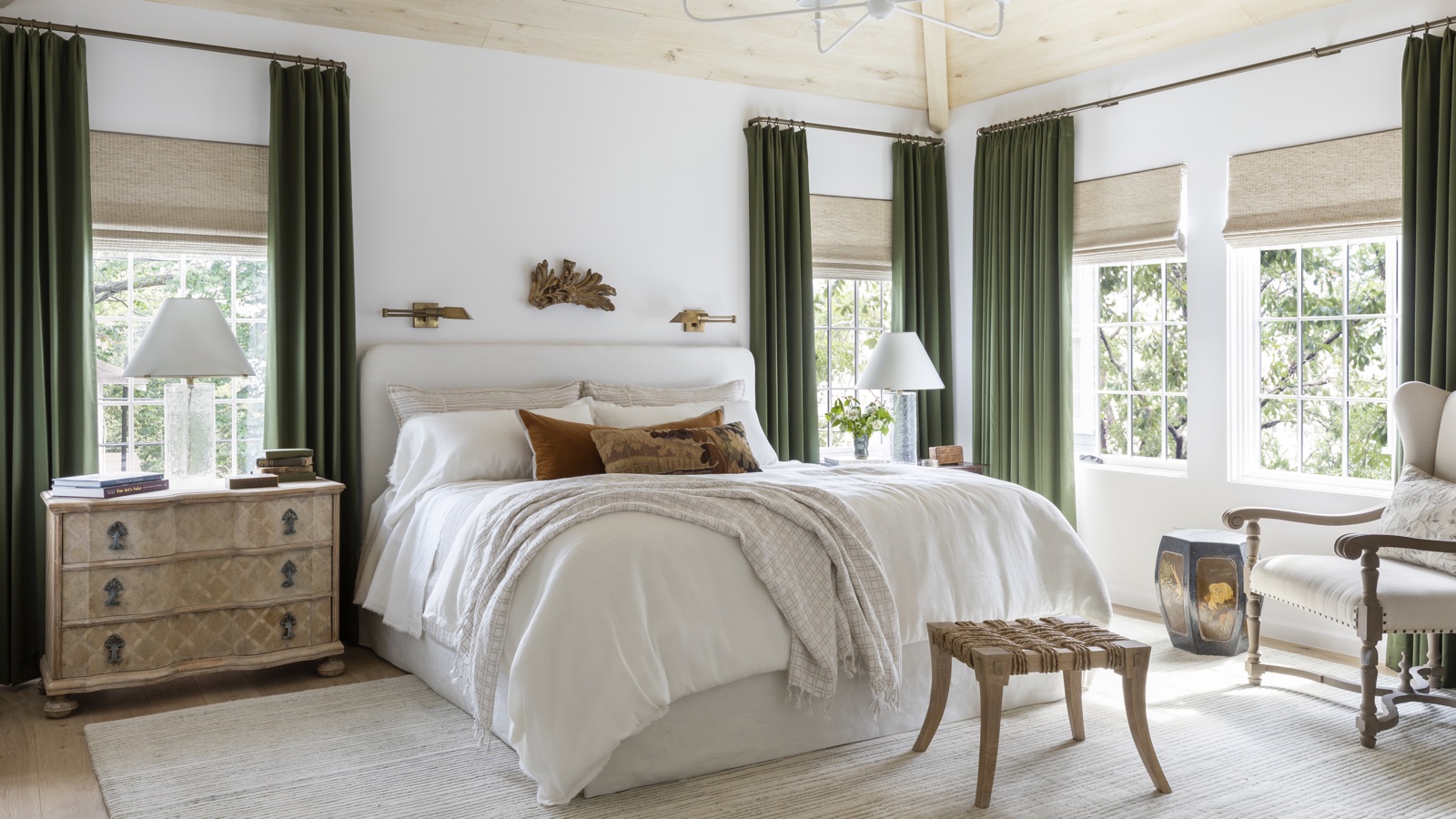
Low-pile rugs make rooms feel larger because they sit close to the floor. High-pile or shag rugs add warmth but can shrink perceived space. Flatweave rugs can help open a room visually.
Material affects durability and cleaning more than size, but pile alters how the rug reads next to furniture. When choosing how to choose the right size area rug, think about how the rug’s texture will interact with light and furniture in your room.

Budgeting, returns, and online shopping tips
- Measure carefully before shopping to avoid returns and extra costs.
- Order swatches first to check color and texture under your light.
- Check return policies and shipping costs—rugs can be costly to ship back if the size is wrong.
Buying online is fine if you verify measurements and test with tape. That approach will help you make smarter choices about how to choose the right size area rug without costly mistakes.
Frequently Asked Questions of how to choose the right size area rug
How do I decide what size rug to get for my living room?
Measure your seating area and choose a rug that fits under front legs of major pieces or one large enough to contain the whole seating group. Aim for balance between furniture and empty floor.
Can a rug be too big for a room?
Yes. If a rug touches all four walls, it may make the room feel smaller and disconnected from the walls. Keep a visible border of floor around the rug for better proportion.
What is the best rug size for dining tables?
Add about 24 inches on each side of the table so chairs stay on the rug when pulled out. This rule works for rectangular and round tables alike.
Should bedroom rugs go under the bed completely?
For most beds, the rug should extend 18–24 inches beyond the sides and foot to frame the bed. A full rug under the bed works well for larger rooms and adds luxury.
How do I visualize rug placement before buying?
Use painter’s tape or cut cardboard to the rug size and place it on the floor. Live with the mockup for a day to check traffic and sightlines.
Can I layer rugs, and does size matter?
Yes, layering can add texture and define zones. Use a larger base rug and a smaller accent rug on top so edges show and the layout reads intentional.
Conclusion
Choosing the right rug comes down to clear measurements, furniture anchoring, and simple tests like tape or cardboard. Use the room rules and placement tips here to pick a rug that fits your space and lifestyle. Take one small action today: measure a room and mark a rug size with tape to see how it feels. If this guide helped, try it and share your results or questions below—I'd love to hear what you choose.