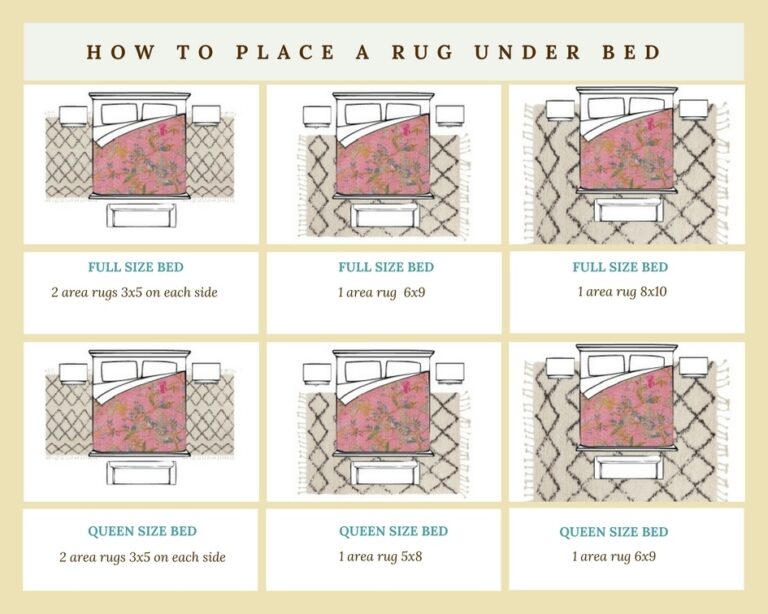
Anchor the rug under the bed so at least the front legs of the bed sit on it.
I’ve placed rugs in dozens of bedrooms and trained my eye to balance scale, comfort, and flow. This guide explains how to place an area rug in bedroom step by step. You’ll learn layout rules, size choices, visual tips, and real-world mistakes to avoid. Read on to make your bedroom feel bigger, cozier, and more polished.
:max_bytes(150000):strip_icc()/right-size-area-rug-for-bedroom-350698-8615a8f66ae846159199c384040de351.png)
Why rug placement matters
Rug placement sets the tone for the whole room. A well-placed rug adds warmth, anchors the bed, and ties furniture together. Poor placement makes a room feel small or unbalanced.
Think of a rug as a frame for your bed and the furniture around it. When you know how to place an area rug in bedroom, the space looks intentional and calm. This is true whether the room is small or large, modern or classic.
:max_bytes(150000):strip_icc()/organize-bedroom-julie-soefer-1219-168792590d5843cebfeaba38748cbcce.jpg)
Common rug sizes and layout options
Choosing the right size is the first step when learning how to place an area rug in bedroom. Standard rug sizes and practical layouts work best for most rooms.
- 8×10 or 9×12 feet: Fits under a king bed with nightstands. Leaves even space on each side.
- 6×9 or 8×10 feet: Works well under queen beds. Front legs and a comfortable border sit on the rug.
- 5×8 feet: Best for full or twin beds or as bedside runners. Place so feet land on the rug.
- Runners: Use along one side of the bed or at the foot for narrow rooms.
- Layered rugs: Small rug on a larger neutral rug adds texture and pattern.
When you arrange furniture, imagine a visual triangle or rectangle that the rug will hold. That helps you decide which size and layout to use.
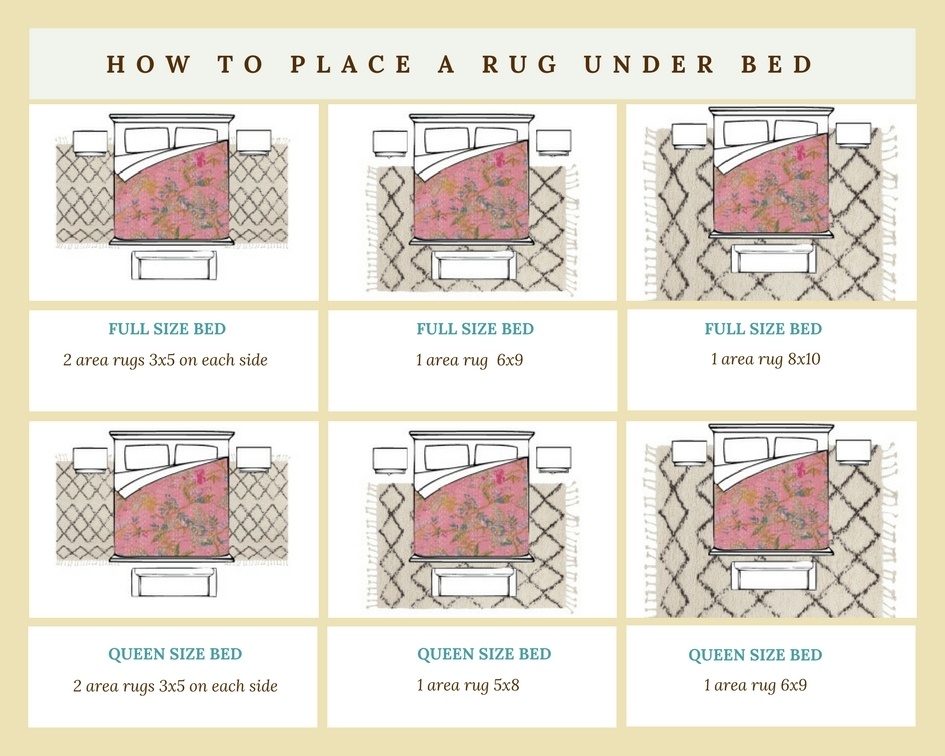
Step-by-step guide: how to place an area rug in bedroom
Follow these steps for a clean, balanced look. Each step helps you avoid common errors.
- Measure the room first
- Measure floor length and width. Note where doors open and windows sit.
- Mark the bed size and nightstand widths on paper or with tape.
- Pick the rug size
- For a king bed, aim for 8×10 or 9×12. This lets the rug extend beyond the sides.
- For a queen bed, 8×10 often works. A 6×9 can work in tighter rooms.
- For a full or twin bed, 5×8 or a runner may be best.
- Decide the placement rule
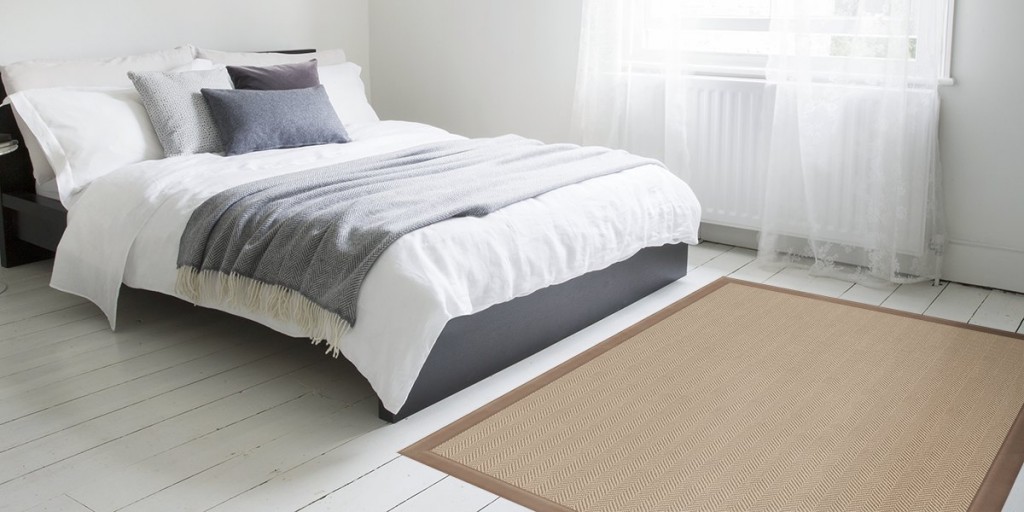
- Primary rule: Place the rug so the bed’s front legs rest on it. This is the most flexible and visually pleasing rule for beds of all sizes.
- Alternative rule: In large rooms, place the entire bed and nightstands on the rug for a layered look.
- Small rooms: Use a runner on each side or a rug that covers the lower two-thirds of the bed length.
- Test with tape or paper
- Use masking tape or kraft paper to outline the rug on the floor. Walk around it to see traffic flow and balance.
- Position furniture and adjust
- Center the rug under the bed. Make sure there’s equal space on both sides.
- Check that nightstands sit fully or partially on the rug for a cohesive look.
- Secure and style
- Add a rug pad to stop slipping and protect floors.
- Tuck a throw or bench at the foot of the bed if needed to anchor the look.
Repeat these steps when rearranging to keep things balanced and safe.
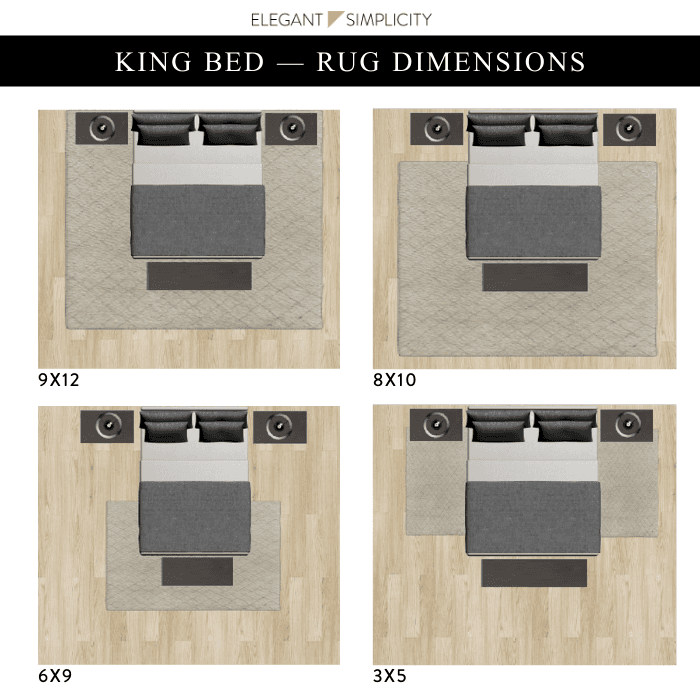
Placement by bed size and room layout
Different bed sizes and layouts need slightly different approaches to how to place an area rug in bedroom. Here are clear rules by setup.
- King bed in a large room
- Use a 9×12 or larger. Place rug so it runs under the bed and nightstands. This makes a grand, cohesive feel.
- Queen bed in a medium room
- Use an 8×10. Place the rug under the lower two-thirds of the bed so the front legs sit on it.
- Full or twin in a small room
- Use a 5×8 or runner. Place rug under the lower third or along the side for soft feet when you rise.
- Floating bed (no wall behind)
- Place a rug under the entire bed area so floor under bed isn’t stark.
- Off-center room features
- If a door or window interrupts the layout, use smaller rugs or runners to maintain flow without blocking openings.
These simple rules make the process repeatable and low stress.

Rug styles, materials, and care
Style and material affect comfort and maintenance when you place a rug in your bedroom. Choose based on use, feel, and cleaning needs.
- Wool rugs
- Durable and soft. Good for high-traffic rooms and long-term value.
- Cotton rugs
- Lightweight and easy to clean. Best for casual bedrooms.
- Synthetic rugs
- Stain-resistant and often budget-friendly. Good for kids or pets.
- Natural fiber rugs (jute, sisal)
- Textured and eco-friendly. Use in low-moisture bedrooms.
- Pile height and pattern
- Low pile is easier to place under furniture. High pile feels plush but can be hard under nightstand legs.
- Care tips
- Use a rug pad to stop slipping and to protect floors.
- Rotate the rug yearly to even wear.
- Spot clean spills fast and follow maker care instructions.
Choosing the right material will make the rug last longer and feel better underfoot.
:max_bytes(150000):strip_icc()/SPR-queen-bed-rug-size-5080061-hero-69a538911fd141f7b8f6b471111e602f.jpg)
Personal tips, mistakes to avoid, and lessons learned
I’ve moved rugs in many rooms and learned what works. Here are tips from real projects.
- Test with tape first
- I once bought a 9×12 without testing. It swallowed the room. Now I always lay out tape first.
- Use a rug pad every time
- Once I skipped a pad and the rug slid. It’s a small cost for safety and shape.
- Keep a border at least 18 inches
- Rooms feel cramped if the rug edge hits walls tight. Leave breathing room around edges.
- Match scale to furniture
- Tiny rugs under large beds look wrong. Big rugs under small beds feel wasteful.
- Layer with intent
- A small patterned rug on a large neutral base can add life without chaos.
These practical tips save money and time during setup.
Frequently Asked Questions of how to place an area rug in bedroom
How far under the bed should the rug go?
Place the rug so the front two-thirds of the bed sits on it, with the front legs on the rug. For large rooms, you can place the entire bed and nightstands fully on the rug.
Can a rug be smaller than the bed?
Yes. If space is tight, use a runner or small rug at the foot or sides of the bed so feet hit a soft surface when getting up.
Should nightstands sit on the rug?
Ideally, yes. Having nightstands partially or fully on the rug creates balance and keeps furniture anchored.
Do I need a rug pad under my area rug?
Always use a rug pad. It prevents slipping, adds cushion, and extends rug life while protecting your floor.
How do I choose a rug size for a king bed?
Aim for at least an 8×10 or 9×12 under a king bed. This gives even borders and room for nightstands when placed properly.
Is it okay to layer rugs in the bedroom?
Layering is fine and stylish. Use a larger neutral base rug and a smaller patterned rug on top to add texture and color.
Conclusion
Place the rug to anchor the bed, balance the room, and add comfort. Use simple rules: measure, test with tape, choose the right size, and set the bed’s front legs on the rug. Small choices make a big visual difference.
Try one layout this weekend. Test with tape first, add a pad, and step back to see the balance. If you liked these tips, leave a comment, share your rug photo, or subscribe for more room-by-room guides.