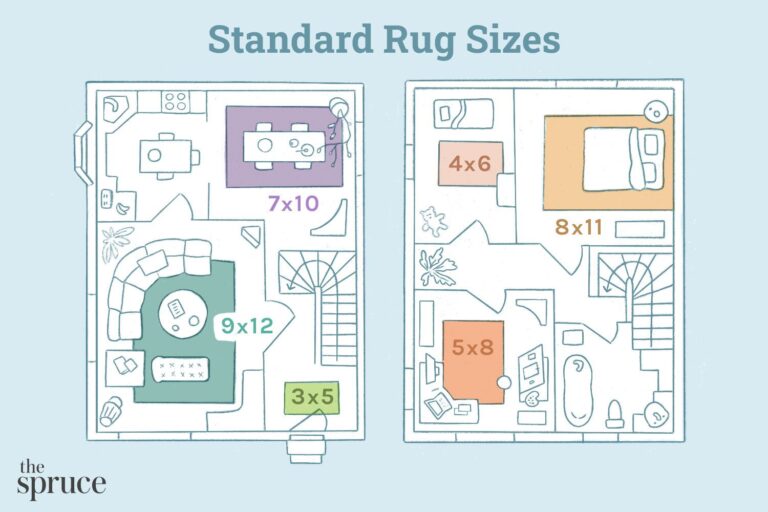
The best way to place an area rug in a bedroom is to center it under the bed, with enough rug extending beyond the sides and foot to create a soft landing. For most U.S. bedrooms, an 8-by-10-foot rug works well under a queen bed, while a 9-by-12-foot rug usually suits a king bed. Smaller rooms may need a rug placed at the lower two-thirds of the bed or a pair of runners along the sides.
The right layout depends on your bed size, room shape, furniture, door swing, and walking space. Measure before you buy, and use a rug pad to keep the rug flat and reduce slipping.
The Best Area Rug Placement for a Bedroom
Place the rug so the bed sits on it in a balanced way. In the most common layout, the rug runs across the width of the bed and extends from under the nightstands to beyond the footboard or foot of the bed.
A good placement should do three things:
- Give you a soft surface when you get out of bed.
- Connect the bed and nearby furniture into one visual group.
- Leave doors, drawers, and walkways clear.
For many bedrooms, the rug should extend about 18 to 24 inches beyond each side of the bed. It should also extend at least 12 to 24 inches beyond the foot of the bed when space allows. These are design guidelines, not strict rules. A smaller room may need less exposed rug.
Place the rug under the bed and nightstands
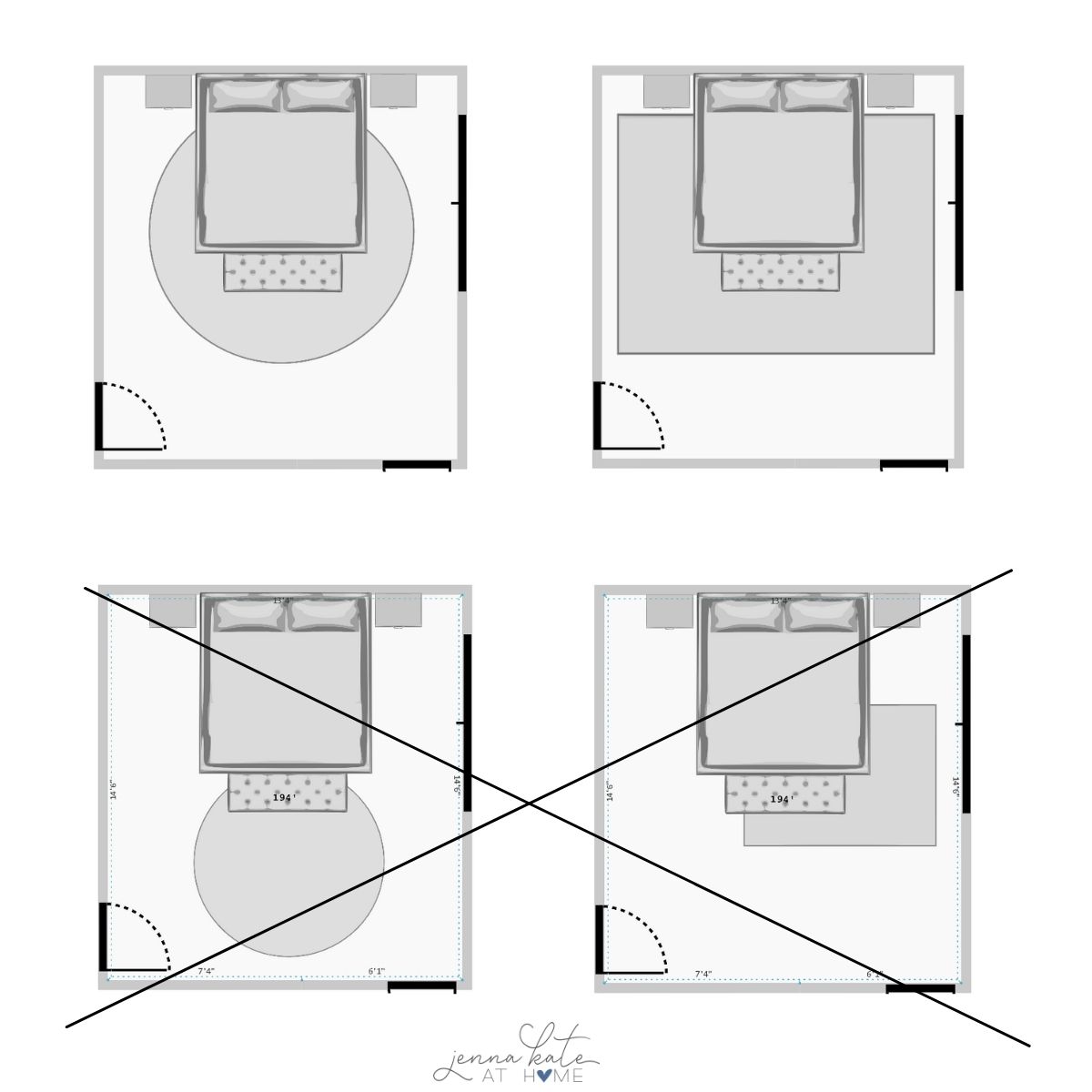
A large rug looks most complete when the bed and both nightstands rest on it. The rug should be centered with the bed rather than centered with the room if those points differ.
This layout works well in a large primary bedroom. It creates one clear zone around the bed and helps the room feel calm and organized.
Leave the legs of the nightstands on the rug when possible. If the rug is too short to reach the nightstands, place it under the lower two-thirds of the bed instead of stopping just behind the nightstands.
Place the rug under the lower two-thirds of the bed
This is one of the most useful options for a smaller room. Slide the rug under the bed from the foot, allowing it to begin around the lower third of the mattress or bed frame.
The rug does not need to reach the headboard. It should still extend beyond both sides of the bed and past the foot. This arrangement uses less material while keeping the main walking areas soft.
Avoid placing a large rug only at the foot of the bed
A rug placed only at the foot can look disconnected from the bed. It may also create a narrow strip that slides or curls.
This position can work if the rug is large enough to sit under the lower part of the bed. If it does not reach under the bed at all, use a runner or small accent rug instead.

Choose the Right Rug Size for Your Bed
Choose the rug size by starting with the bed, then checking the room's clearances. A rug that looks large in a store may feel small once it sits under a bed and furniture.
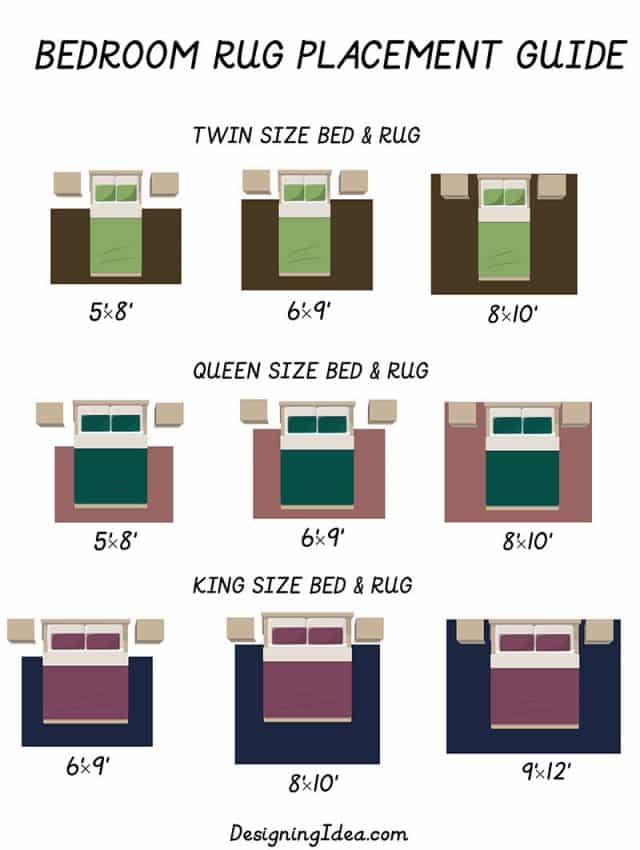
The table below gives common starting points for U.S. bed sizes. Exact fit will depend on the room and the placement style.
| Bed size | Mattress size | Common rug starting point | Best use |
|---|---|---|---|
| Twin | 38 by 75 inches | 5 by 8 feet | Lower two-thirds placement or a small room |
| Full | 54 by 75 inches | 6 by 9 feet or 8 by 10 feet | Lower two-thirds placement or full bed zone |
| Queen | 60 by 80 inches | 8 by 10 feet | Most standard bedroom layouts |
| King | 76 by 80 inches | 9 by 12 feet | Bed plus nightstands in a larger room |
| California king | 72 by 84 inches | 9 by 12 feet | Long room or wide bed zone |
These sizes are starting points, not fixed requirements. Furniture, wall placement, and door locations may change the best choice.
Queen bed rug placement
An 8-by-10-foot rug is a common choice for a queen bed. Place the 10-foot side across the bed. This usually gives enough rug on both sides and at the foot.
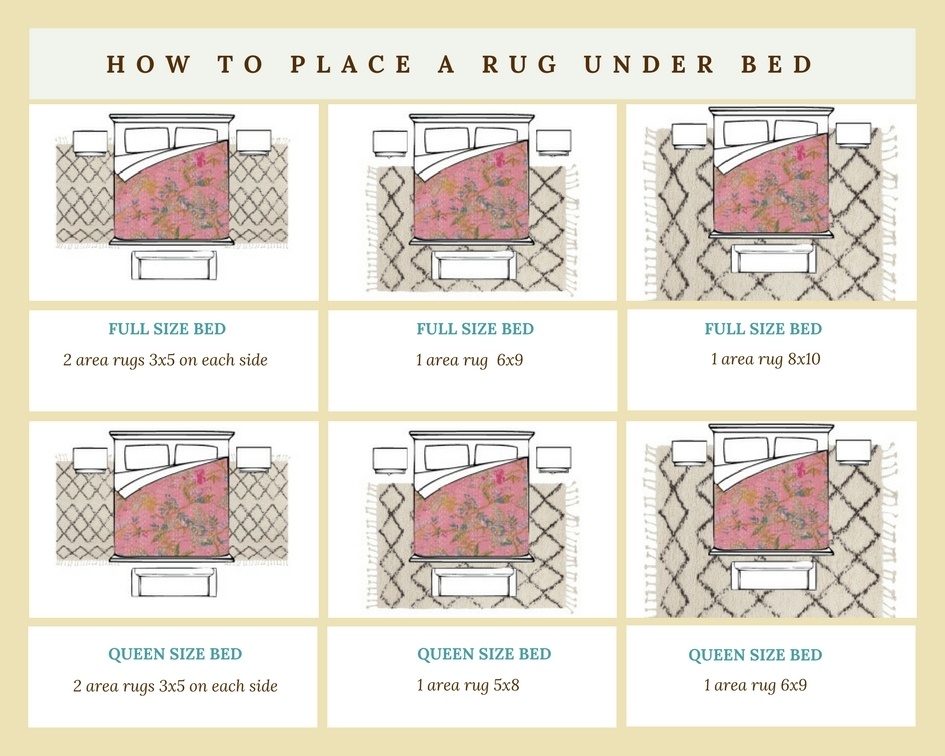
If the room is narrow, place the rug under the lower two-thirds of the bed. A 6-by-9-foot rug may work, but check that it extends beyond both sides of the mattress or frame.
King bed rug placement
A 9-by-12-foot rug often gives a king bed enough coverage for the nightstands and foot area. Place the 12-foot side across the bed.
In a very large bedroom, a 10-by-14-foot rug may create a stronger visual center. Make sure the rug does not block a door or crowd a dresser.
Twin and full bed rug placement
A twin bed can use a 5-by-8-foot rug placed under the lower two-thirds. A 6-by-9-foot rug may work under a full bed, especially in a guest room.
For two twin beds, one large rug can unite the beds if the room is wide enough. Another option is one runner beside each bed.

How to Place a Rug Under a Bed: Step-by-Step
Use this process before moving heavy furniture. It helps you test the layout without damaging the rug or floor.
1. Measure the room
Measure the wall where the bed sits, the distance to the opposite wall, and the clear width of each walkway. Also measure doors, closets, dressers, and nightstands.
Record the measurements in inches or feet. Do not rely on the room's estimated size.
2. Mark the rug area
Use painter's tape to outline the rug on the floor. Keep the tape inside the planned rug edges so you can see the actual usable area.
For example, outline an 8-by-10-foot rectangle beneath a queen bed. Walk around it and open nearby drawers and doors.
3. Check the bed and furniture position
Move the bed into place over the taped area. Check whether the rug would sit under the nightstands, under the lower bed section, or only beside the bed.
The rug should look centered with the bed. Equal side exposure usually looks more balanced than equal distance from every wall.
4. Check door and drawer clearance
Open the bedroom door, closet door, and dresser drawers. A thick rug can stop a door from opening fully.
If a door catches on the rug, move the rug, choose a lower-pile style, or use a smaller size. Do not leave a rug edge where it can catch a foot.
5. Add a rug pad
Place a rug pad beneath the rug on hard flooring. Choose a pad made for the floor type, such as hardwood, laminate, vinyl, or tile.
The pad should be slightly smaller than the rug. This keeps the edges from showing and helps the rug lie flat.
6. Center and flatten the rug
Position the rug, then smooth it from the center toward the edges. Follow the care instructions for removing folds.
Do not place heavy furniture on a rug that still has raised corners. Give the rug time to flatten, or use the method recommended by the manufacturer.
Bedroom Rug Layouts for Different Room Types
The best layout changes with the room's size and use. A guest room may need a smaller rug than a primary bedroom, even when both have queen beds.
Large primary bedroom
Use a 9-by-12-foot rug under a king bed or an 8-by-10-foot rug under a queen bed. Let the rug reach under the nightstands when possible.
This layout creates a clear bed zone. It also gives you a warm surface on both sides of the bed.
Small bedroom
Use the lower two-thirds method. This keeps the rug under the bed while reducing the amount of floor it covers.
A 5-by-8-foot rug may suit a twin bed. A 6-by-9-foot or 8-by-10-foot rug may suit a full or queen bed, depending on the room's width.
Bedroom with a dresser at the foot of the bed
Leave enough space between the rug edge and the dresser for drawers to open. Do not let the rug create a raised barrier in the main walkway.
If the rug must extend under the dresser, check whether the furniture sits level. Uneven support can cause drawers or doors to operate poorly.
Bedroom with two beds
For two twin beds, use one large rug under both beds if the room can support at least 18 inches of visible rug around the main edges. This creates a shared design zone.
If one large rug would make the room crowded, use two matching runners. Place one runner beside each bed, keeping both aligned.
Bedroom with a bed in a corner
A full-size rug may not sit evenly under a bed placed against two walls. Use a runner along the open side or place a smaller rug near the foot.
Avoid forcing a large rug into a narrow corner. A rug that bunches against the wall can become a trip hazard.
Alternatives to a Large Rug Under the Bed
A large area rug is not the only good choice. Runners and smaller rugs can work better in compact rooms or rooms with unusual layouts.
Use runners on both sides of the bed
Place one runner along each open side of the bed. The runners should be long enough to cover the main stepping area.
Matching runners create symmetry. Different rugs can work too, but keep a shared color, pattern, or texture so the room does not look busy.
Use one runner on the open side
If one side of the bed sits against a wall, place a runner along the open side. This gives you a soft landing without covering the entire floor.
A runner may also work beside a twin bed, in a narrow guest room, or where a door limits the rug size.
Use a small rug at the foot
A small rug at the foot of the bed can add color and texture. It works best when it is wide enough to relate to the bed and does not block the walkway.
Anchor the rug with a nonslip pad. A loose small rug can move more easily than a large rug under furniture.
Use two small rugs beside the bed
Two small rugs can frame the bed when a large rug is not practical. This works best with matching shapes and similar spacing on both sides.
Keep the rugs flat and away from door swings. Small rugs should not overlap in a way that creates a raised seam.

Common Bedroom Rug Placement Mistakes
Most rug problems come from poor scale, blocked movement, or an unstable edge. Test the layout with painter's tape before you buy.
Choosing a rug that is too small
A rug that barely extends beyond the bed may look unbalanced. It may also fail to cover the areas where you step out of bed.
If your budget or room size limits the rug, use the lower two-thirds layout or runners instead of trying to make a small rug look like a full-size bed rug.
Centering the rug on the room instead of the bed
The bed is usually the main visual anchor. A rug that is centered with the room but not the bed can look crooked.
Center the rug with the bed first. Then check whether the exposed rug looks reasonably even around the room.
Ignoring the rug's thickness
A thick rug can interfere with doors, drawers, and furniture legs. This is especially common near closets and bedroom doors.
Measure the rug and pad together. Check the combined height before final placement.
Leaving the edge in a walkway
A rug edge in a high-traffic path can curl, slide, or catch a toe. Keep edges flat and place a pad beneath the rug on hard floors.
Move the rug if people naturally step on the edge when entering or leaving the room.
Using the wrong rug material for the room
Bedroom rugs face foot traffic, dust, and occasional spills. High-pile rugs feel soft but can be harder to vacuum and may hold more debris.
Low-pile or medium-pile rugs are often easier to clean. Choose a washable option only if the care label supports machine washing and the size fits your washer.

How to Keep a Bedroom Rug Safe and Clean
A safe rug should stay flat, remain stable, and allow normal movement around the room. Inspect it after placement and again after cleaning.
Use a rug pad that fits both the rug and floor. A pad can reduce sliding and help protect the floor, but it must be compatible with the flooring manufacturer's care guidance.
Vacuum according to the rug's care label. Use lower suction or a suitable attachment for delicate fibers. Treat spills quickly by blotting rather than rubbing, and follow the manufacturer's cleaning directions.
Check the rug edges from time to time. Replace or repair a pad if it shifts, becomes brittle, or no longer holds the rug in place. If the rug develops permanent ripples, move heavy furniture away and follow the maker's flattening instructions.

Quick Decision Guide
Use this simple guide when choosing a bedroom rug layout:
- Large room with a queen bed: Choose an 8-by-10-foot rug under the bed and nightstands.
- Large room with a king bed: Start with a 9-by-12-foot rug.
- Small room with a queen bed: Place an 8-by-10-foot rug under the lower two-thirds, or use side runners.
- Twin bed: Start with a 5-by-8-foot rug.
- Bed against a wall: Use a runner on the open side or a small rug at the foot.
- Door or dresser blocks the rug: Choose a thinner rug, a smaller rug, or a runner.
- Hard floor: Use a compatible nonslip rug pad.
- Carpeted floor: Test the rug for movement and choose a pad made for carpet if needed.
FAQs About Placing an Area Rug in a Bedroom
Should the rug go under the bed or in front of it?
The rug usually looks best under the bed because it connects the bed to the rest of the room and provides a soft landing. If the room is too small, place the rug under the lower two-thirds of the bed or use runners beside it.
How far should a bedroom rug extend past the bed?
Aim for about 18 to 24 inches beyond each side of the bed and 12 to 24 inches beyond the foot when the room allows. Smaller rooms may need less exposed rug.
Should nightstands sit on the rug?
Yes, if the rug is large enough and the nightstands remain level. If the rug cannot reach the nightstands, place it under the lower two-thirds of the bed instead.
Can you put an area rug on carpet in a bedroom?
Yes, but the rug may shift or form ripples. Use a rug pad designed for carpet, and avoid pads that can stain or damage the carpet fibers.
Should a rug be wider than the bed?
Usually, yes. A rug that extends beyond both sides of the bed looks more balanced and gives you a softer landing area. The amount of extra width depends on the room and rug size.
Conclusion
To place an area rug in a bedroom, center it with the bed, choose a size that extends beyond the sides and foot, and check every door, drawer, and walkway. Use an 8-by-10-foot rug as a starting point for a queen bed and a 9-by-12-foot rug for a king bed. In smaller rooms, use the lower two-thirds placement or runners beside the bed.
Start with painter's tape before buying. If the taped outline allows clear movement and looks balanced around the bed, the final rug should fit the room well.