Use a Class C or ABC fire extinguisher, cut power only if safe, evacuate, and call 911.
Knowing how do you extinguish an electrical fire can prevent a small fault from becoming a life-threatening emergency. The key is to avoid water, keep your distance, and act only when the fire is small and you have a clear escape path. This guide explains the safest steps, the right extinguisher, common mistakes, and when to leave immediately.
What Is an Electrical Fire?
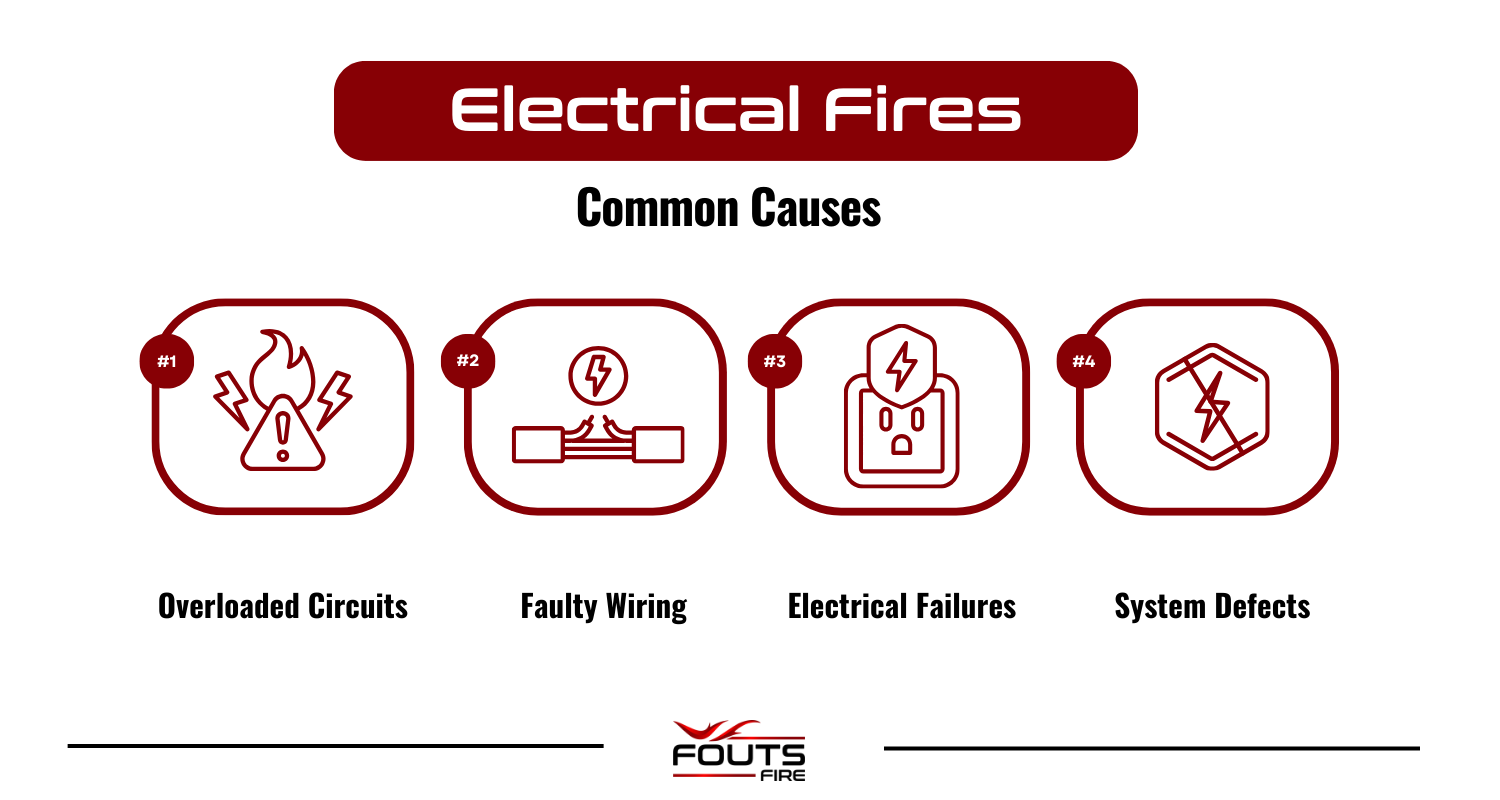
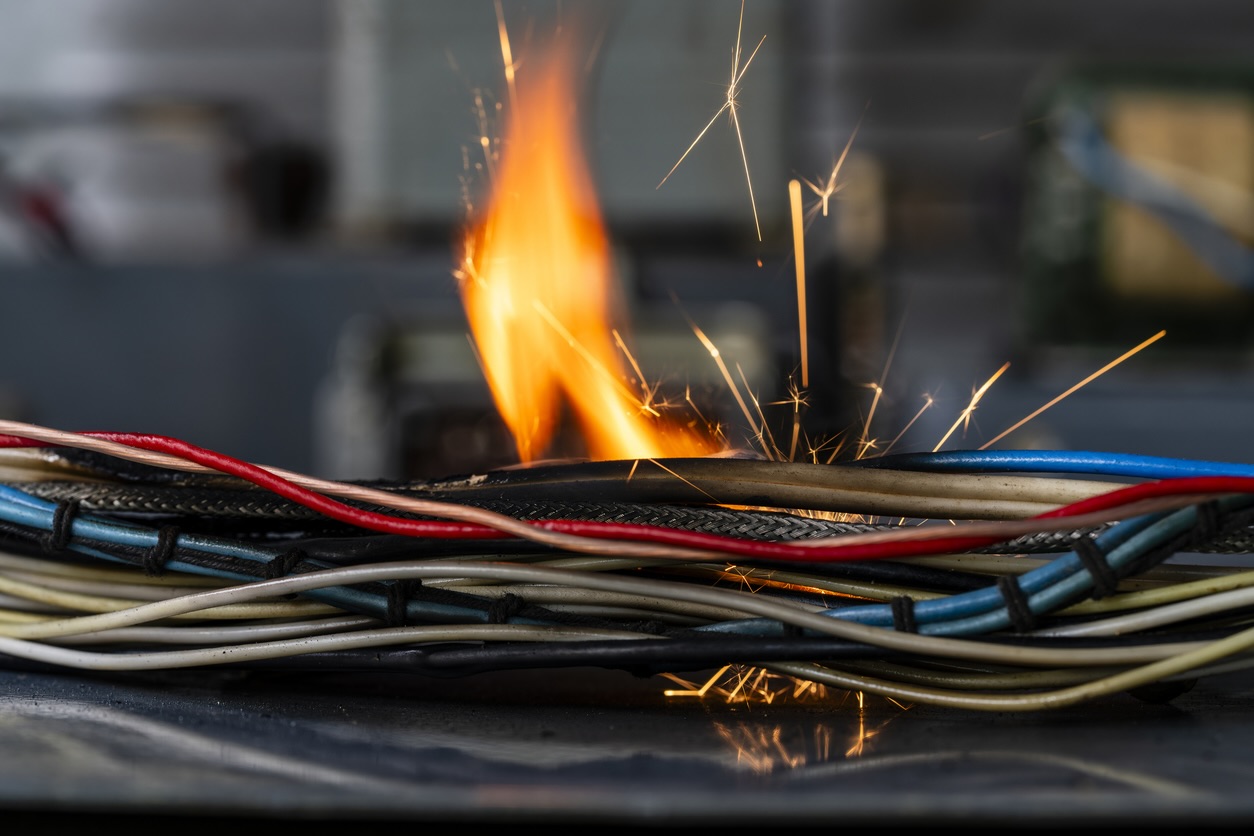
An electrical fire starts when current creates too much heat. This can happen inside wiring, outlets, appliances, power strips, circuit panels, or charging equipment.
Common causes include:
• Overloaded outlets or power strips
• Damaged cords and exposed wires
• Loose electrical connections
• Faulty appliances
• Short circuits
• Old or poorly repaired wiring
• Batteries, chargers, and lithium-ion devices that overheat
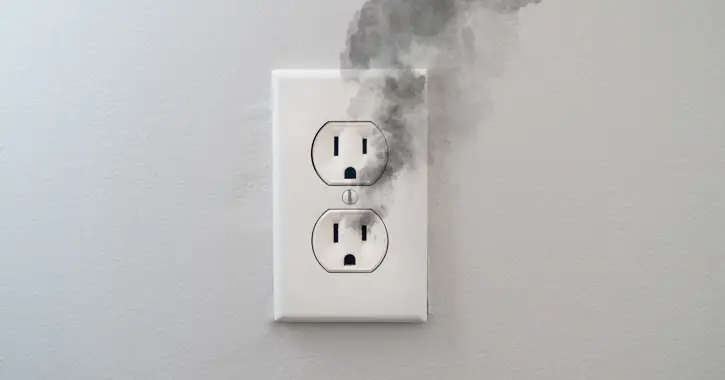
Electrical fires may begin with a buzzing sound, a burning plastic smell, flickering lights, sparks, smoke, or a warm outlet. However, some fires start without warning, so treat smoke from an electrical device as a serious hazard.
The fire may also remain hidden inside a wall or appliance. Putting out visible flames does not always remove the danger. Live electricity can continue to produce heat and start another fire.
How Do You Extinguish an Electrical Fire Safely?
If you are asking how do you extinguish an electrical fire, start with personal safety rather than the fire itself. A small fire may be manageable, but a growing fire can spread within seconds.
Follow these steps:
- Alert everyone nearby and tell them to leave.
- Call 911 from a safe location.
- Turn off power at the circuit breaker only if you can reach it without passing through smoke, flames, or water.
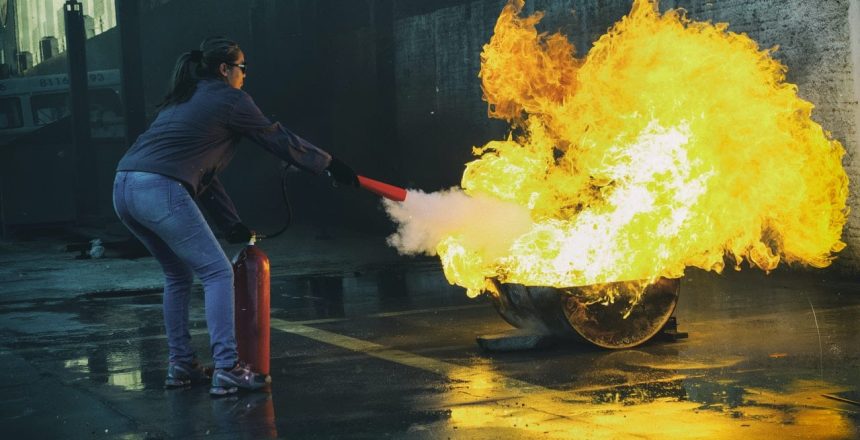
- Use a Class C or ABC fire extinguisher if the fire is small and you have a clear exit.
- Stand several feet away and aim at the base of the flames.
- Leave at once if the extinguisher does not stop the fire quickly.
- Close the door behind you if possible, but do not lock it.
- Wait outside for firefighters and do not reenter.
Never put yourself between the fire and your exit. A fire extinguisher is a tool for an early-stage fire, not a reason to stay inside a dangerous room.
The PASS Method
The PASS method is a simple way to use a portable extinguisher:
• Pull the pin.
• Aim the nozzle at the base of the fire.
• Squeeze the handle.
• Sweep from side to side.
Keep watching the area after the flames go out. If the fire returns, leave immediately. Hidden heat can reignite nearby materials.
Which Fire Extinguisher Should You Use?
For most household electrical fires, use a Class C extinguisher or a multipurpose ABC extinguisher. Class C extinguishers are designed for energized electrical equipment. ABC extinguishers can handle ordinary combustibles, flammable liquids, and electrical equipment.
Check the label before using an extinguisher. It should clearly show that it is suitable for electrical fires.
Common extinguisher types include:
• Class C: Designed for energized electrical equipment.
• ABC dry chemical: A common home option for several fire types, including electrical fires.
• Carbon dioxide: Often used around electrical equipment because it does not leave dry chemical residue.
• Clean agent: Used for sensitive electronics in some workplaces and equipment rooms.
Avoid using an extinguisher that is not rated for electrical fires. A suitable extinguisher should also be large enough for the risk but light enough for you to control.
Store extinguishers where they are easy to reach. Do not hide one behind boxes or place it inside a locked cabinet unless the cabinet is designed for quick access.

Why You Must Never Use Water on an Electrical Fire
Water conducts electricity. If the equipment is still energized, water can carry current toward you and cause severe shock or death.
Water can also spread burning oil or damage electrical components. Even if the flames appear to disappear, the water may create more hazards around outlets, appliances, and wet floors.
Do not use:
• A bucket of water
• A wet towel
• A damp blanket
• A water-based extinguisher not rated for electrical fires
• A hose or spray bottle
Only use water after firefighters confirm that power is off and the area is safe. Even then, electrical damage may remain inside walls or equipment.
How Do You Extinguish an Electrical Fire Without an Extinguisher?
People often ask how do you extinguish an electrical fire when no extinguisher is nearby. The safest answer is usually to shut off power if you can do so safely, evacuate, and wait for firefighters.
For a very small fire, removing the power source may stop the fire. For example, you may unplug a smoking appliance only if the plug, cord, outlet, and floor are dry and you can reach them without touching flames or smoke. If the outlet is sparking or the cord is damaged, do not touch it.
Never try to smother an electrical fire with clothing, paper, or other household items. These materials can ignite and may bring you too close to the flames.
If a small appliance is burning, do not carry it outside. Moving it can spread flames, expose you to live current, or cause burns. Leave the room and let trained responders handle it.
When Should You Leave Immediately?
Some fires are too dangerous for a portable extinguisher. Evacuate without trying to fight the fire if:
• Flames are taller than a small wastebasket fire.
• Smoke is thick, dark, or spreading quickly.
• The fire is inside a wall, ceiling, panel, or appliance.
• You hear popping, buzzing, or explosions.
• The circuit breaker will not trip or cannot be reached safely.
• You do not have the correct extinguisher.
• You feel heat through a door.
• You have no clear exit.
• Anyone has trouble breathing or moving.
Smoke is often more dangerous than the flames. Stay low if smoke is present, but do not crawl through a smoke-filled room looking for an extinguisher. Get outside and call 911.
Tell firefighters what was burning, where the electrical panel is, and whether anyone may still be inside. Do not return for pets, phones, documents, or other items until officials say it is safe.
What To Do After an Electrical Fire
Learning how do you extinguish an electrical fire does not end when the flames disappear. The area still needs professional inspection.
Take these steps after the emergency:
• Keep everyone away from the damaged area.
• Do not turn the power back on.
• Do not touch burned outlets, wires, appliances, or circuit panels.
• Do not remove damaged covers or insulation.
• Have a licensed electrician inspect the system.
• Replace damaged smoke alarms and carbon monoxide alarms.
• Report the damage to your insurance company if needed.
• Dispose of damaged appliances through proper local services.
A breaker that resets does not prove that the wiring is safe. Heat may have damaged insulation inside a wall. An electrician can test the circuit and check for hidden damage.
Firefighters may also use thermal cameras or other tools to look for hot spots. Wait for their approval before entering a fire-damaged space.
How to Prevent an Electrical Fire
Prevention is easier than learning how do you extinguish an electrical fire during a crisis. Small maintenance steps can reduce many common risks.
Use these habits at home:
• Replace cords that are cracked, frayed, crushed, or warm.
• Do not overload outlets or extension cords.
• Plug high-wattage devices directly into a wall outlet.
• Keep heaters away from curtains, bedding, and furniture.
• Stop using outlets that spark, buzz, smell hot, or feel loose.
• Keep chargers on hard surfaces, not beds or couches.
• Use the charger made for the device when possible.
• Keep electrical equipment dry.
• Unplug small appliances when you leave home if the manufacturer allows it.
• Have an electrician inspect old or frequently tripping circuits.
Power strips do not create more electrical capacity. They only provide more places to plug in. A strip packed with heaters, cooking devices, or other high-load equipment can overheat.
Keep a smoke alarm on every level and outside sleeping areas. Test alarms each month and replace them according to the manufacturer’s instructions.
Electrical Fire Safety in Kitchens, Garages, and Bedrooms
Different rooms have different electrical risks. In kitchens, grease, water, heat, and appliances often share a small space. Keep cords away from hot surfaces and never use an appliance with a damaged cord near a sink.
Garages may contain power tools, extension cords, fuel, paint, and other flammable materials. Keep electrical equipment clean and dry. Store flammable liquids away from sparks, heaters, and chargers.
Bedrooms and living rooms often contain charging devices, lamps, computers, televisions, and power strips. Do not charge devices under pillows or blankets. Heat can build up and damage batteries or nearby fabric.
The same answer applies across these rooms when people ask how do you extinguish an electrical fire: protect yourself, cut power only when safe, use a rated extinguisher for a small fire, and leave when conditions are unsafe.
Common Mistakes to Avoid
Many dangerous responses happen because people act quickly without identifying the hazard. Avoid these mistakes:
• Throwing water on the flames
• Touching a smoking appliance
• Pulling a plug through smoke or fire
• Using the wrong extinguisher
• Standing too close to the fire
• Fighting a fire without an escape route
• Resetting the breaker repeatedly
• Reentering the building after evacuation
• Assuming a small flame means a small danger
• Waiting too long to call 911
A common lesson from fire-safety training is that people often focus on saving property first. That instinct is understandable, but belongings can be replaced. A safe exit matters more than a television, appliance, or computer.
A Simple Electrical Fire Action Plan
Create a plan before an emergency occurs. Every person in the home should know two ways out of each sleeping area and the outdoor meeting point.
Your plan should include:
- The location of the main electrical panel.
- The location of Class C or ABC extinguishers.
- The home address for emergency calls.
- Two escape routes from each floor.
- A meeting place outside.
- A plan for children, older adults, and pets.
- A rule that no one reenters after evacuation.
Practice the plan at least twice a year. Teach children that fire extinguishers are for adults and that smoke alarms mean leave now.
If you live in an apartment, learn the building’s alarm and evacuation procedures. Never use an elevator during a fire unless emergency officials specifically direct you to do so.
Frequently Asked Questions About How Do You Extinguish an Electrical Fire
Can you use a fire extinguisher on an electrical fire?
Yes, use a Class C or ABC extinguisher for a small electrical fire. Keep a clear exit behind you, aim at the base of the flames, and leave if the fire does not stop quickly.
Can baking soda put out an electrical fire?
Baking soda may help with a very small grease fire, but it is not a dependable choice for an energized electrical fire. Use a properly rated extinguisher and call 911 instead of relying on a household powder.
Should you unplug an appliance that is on fire?
Only unplug it if you can do so without touching flames, smoke, water, or damaged parts. If there is any doubt, leave the area, shut off power from a safe location, and wait for firefighters.
What is the best extinguisher for a home electrical fire?
A multipurpose ABC extinguisher is a practical choice for many homes because it covers several common fire types, including energized electrical equipment. A Class C extinguisher is also suitable for electrical fires.
Can an electrical fire restart after it goes out?
Yes, hidden heat can remain in wiring, walls, insulation, or appliances. Do not restore power or reenter the area until firefighters and a licensed electrician say it is safe.
What should you do if an electrical outlet is smoking?
Move away, warn others, and call 911 if there are flames or spreading smoke. Turn off the circuit only if the breaker is easy to reach without passing through danger, and do not touch the outlet.
Conclusion
Knowing how do you extinguish an electrical fire starts with one rule: protect people before property. Never use water, keep a safe exit, use only a Class C or ABC extinguisher for a small fire, and evacuate when smoke or flames grow.
Check your smoke alarms, keep a rated extinguisher accessible, and learn where your electrical panel is located. Share this guide with your household, practice your escape plan, and contact a licensed electrician when wiring or appliances show warning signs.