DIY home decor ideas with waste materials turn everyday leftovers into useful, stylish, and eco-friendly pieces.
With a little planning, bottles, cardboard, jars, fabric scraps, cans, and old furniture can become beautiful home accents. I have tested many DIY home decor ideas with waste materials, and the best results often come from simple projects that use basic tools, safe finishes, and a clear design plan. This guide shares creative ideas, practical steps, common mistakes, and smart ways to make your home feel personal without spending much.
Why Try DIY Home Decor Ideas With Waste Materials?
DIY home decor ideas with waste materials help you save money and reduce household waste. Instead of sending useful items to the trash, you can give them a second life as storage, lighting, wall art, or furniture.
These projects also add character to a room. A store-bought item may look nice, but a handmade piece often carries a story. An old jar from a family dinner or a wooden crate from a local market can make your space feel warm and personal.
The main benefits include:
• Lower decorating costs
• Less waste sent to landfills
• More creative freedom
• Useful storage solutions
• A chance to practice design and craft skills
• Unique decor that does not look mass-produced
However, not every waste item is safe or suitable for every project. Check the material, clean it well, and think about how the finished item will be used.

Best Waste Materials for Home Decor
The best materials are clean, strong, and easy to work with. Before starting, collect items that match your home style and project needs.
Glass Jars and Bottles
Glass jars work well as vases, candle holders, bathroom storage containers, and desk organizers. Small jars can hold cotton swabs, spices, buttons, or craft supplies.
Clean the glass with warm, soapy water. Remove labels by soaking them first. For a smooth finish, wipe away sticky glue with a small amount of cooking oil or rubbing alcohol.
Cardboard Boxes
Strong cardboard can become drawer dividers, wall shelves, photo frames, and decorative storage boxes. Use several layers when you need extra strength.
Cardboard works best in dry areas. It may soften in bathrooms, kitchens, or damp basements unless you seal it with paint, paper, or a protective coating.
Tin Cans
Empty food cans can become pencil holders, planters, utensil cups, or small lanterns. Sand the rim carefully after washing the can.
Always cover sharp edges. You can use strong tape, folded fabric, or a safe edge trim. Never leave a cut metal rim exposed.
Old Fabric and Clothing
T-shirts, jeans, curtains, and worn towels can become pillow covers, braided rugs, baskets, wall hangings, or table runners.
Fabric adds softness to a room. It also lets you bring color and pattern into your space without buying new textiles.
Wooden Crates and Pallets
Wooden crates can become shelves, side tables, shoe storage, or plant stands. Old boards can make signs, picture frames, and rustic wall art.
Check wood for mold, pests, nails, stains, and chemical treatment. Do not use unknown wood for food surfaces or children’s furniture.
Plastic Containers
Plastic tubs and bottles can become planters, organizers, drawer bins, or simple lampshade parts. Choose sturdy containers that do not bend or crack easily.
Avoid heating plastic or placing it near candles, stoves, and hot bulbs. Heat can cause melting and may release unwanted fumes.

15 Creative DIY Home Decor Ideas With Waste Materials
These DIY home decor ideas with waste materials suit bedrooms, kitchens, living rooms, offices, and small apartments. Pick one project that matches your skill level.
1. Glass Jar Herb Planters
Turn clean glass jars into a small indoor herb garden. Add pebbles, soil, and herbs such as basil, mint, or chives.
Place the jars near a bright window. Add small labels made from cardboard or old wooden sticks for a finished look.
2. Tin Can Desk Organizers
Paint empty cans in one color or cover them with fabric scraps. Use them to store pens, brushes, scissors, makeup tools, or kitchen utensils.
Group three cans together with strong glue or a strip of recycled wood. This creates a useful desk station with a balanced shape.
3. Cardboard Drawer Dividers
Cut cardboard strips to fit inside a drawer. Create small sections for socks, jewelry, tools, or kitchen items.
Cover the dividers with wrapping paper, old maps, or leftover wallpaper. This simple project can make a messy drawer feel calm in minutes.
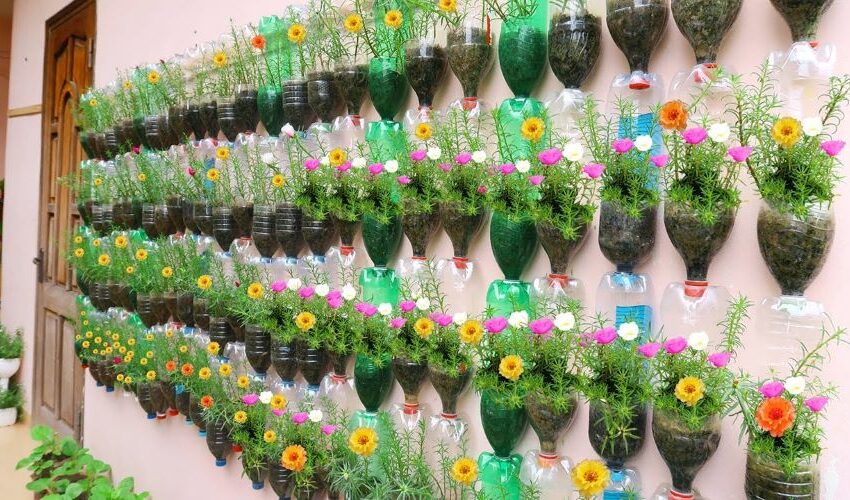
4. Plastic Bottle Hanging Planters
Cut the top from a clean plastic bottle and smooth the edge with tape. Paint the outside and add drainage holes to the base.
Hang the planters with strong cord. Use them for trailing plants, herbs, or small flowers. Keep them away from very hot windows and open flames.
5. Old T-Shirt Cushion Covers
An old cotton shirt can become a no-sew cushion cover. Place the pillow inside the shirt, tie the sleeves behind it, and tuck in the extra fabric.
For a cleaner finish, cut and sew the fabric into a simple envelope cover. This works well with shirts that have bold prints or meaningful designs.
6. Wine Cork Bulletin Boards
Glue wine corks inside an old picture frame. Arrange them in rows or create a pattern.
Use the board for notes, photos, shopping lists, or children’s artwork. A thin cork board works best for light pins and paper.
7. Egg Carton Wall Art
Cut the cups from cardboard egg cartons and shape them into flowers. Paint them in soft colors and attach them to a canvas or old frame.
This idea works well in children’s rooms, craft spaces, and spring displays. Use low-temperature craft glue and supervise children during the project.
8. Old Window Frame Photo Display
An old window frame can become a photo collage. Clean the frame, remove loose paint, and add twine across each opening.
Clip photos to the twine with small wooden clips. This creates a personal wall feature without needing expensive frames.
9. Denim Pocket Organizer
Cut pockets from old jeans and sew or glue them onto a fabric panel. Hang the panel near a desk, entryway, or craft table.
Use the pockets for mail, chargers, keys, scissors, or remote controls. Denim is strong and adds a relaxed texture.
10. Mason Jar Candle Holders
Wrap a clean jar with wire, lace, or a strip of old fabric. Add a battery-powered tea light for a soft glow.
Battery lights are safer than open flames, especially near fabric, paper, children, and pets. If you use a real candle, keep the jar on a stable, heat-safe surface.
11. Cardboard Tube Wall Storage
Save paper towel and wrapping paper tubes. Cut them into equal lengths and glue them inside a box or frame.
Use the sections to store cables, ribbons, pens, or small craft tools. Paint the tubes before assembly for a more polished design.
12. Wooden Spoon Wall Hooks
Old wooden spoons can become decorative hooks. Bend them carefully only if the wood is flexible, or attach them flat to a board with the handles facing outward.
Use them for lightweight items such as scarves, keys, or kitchen towels. Add wall anchors if the project will hold more weight.
13. Bottle Cap Mosaic Art
Collect bottle caps in similar colors. Arrange them into flowers, letters, animals, or geometric patterns on a board.
Use strong adhesive and keep the artwork away from areas where young children may pull off small pieces. This project creates bright, playful wall decor.
14. Recycled Book Page Art
Use damaged books, old calendars, or outdated magazines for framed art. Fold, cut, or layer the pages into simple shapes.
Avoid using rare, valuable, or borrowed books. A plain frame and careful spacing can make the paper look like modern artwork.
15. Crate Coffee Table
Join two or four sturdy wooden crates to form a small coffee table. Sand every surface and add casters or short legs if needed.
Use a flat board on top for a smooth surface. Seal the wood to protect it from spills, but test the finish on a hidden area first.
How to Make Waste Material Decor Look Stylish
Good DIY home decor ideas with waste materials need more than glue and paint. A simple design plan helps the finished piece look intentional.
Start with a color palette. Choose two main colors and one accent color. For example, white, natural wood, and green can create a calm look.
Next, repeat one material or shape. If your room has wood frames, a wooden crate shelf may fit better than a bright plastic project. Repeated textures help different handmade items work together.
Use these design tips:
• Sand rough wood before painting
• Clean glass and metal before adding finishes
• Use thin coats of paint instead of one thick coat
• Hide glue marks with trim, ribbon, or a final paint layer
• Keep patterns simple in small rooms
• Match the finish to the room’s use
• Leave some materials natural when they already look attractive
One lesson I learned from testing DIY home decor ideas with waste materials is that restraint often looks better than decoration overload. A plain jar with one painted stripe can look more modern than a jar covered in many colors and stickers.

Step-by-Step Project: Recycled Jar Organizer
This small project is easy, useful, and suitable for many rooms.
Materials
• Three clean glass jars
• One old wooden board or thick cardboard panel
• Paint or adhesive paper
• Strong glue or screw clamps
• Sandpaper
• Labels or small paper tags
• Clear protective finish, if needed
Instructions
-
Wash and dry the jars completely.
-
Sand the wooden board until the surface feels smooth.
-
Paint the board or cover it with paper.
-
Arrange the jars with equal space between them.
-
Mark each jar position.
-
Attach the jars with suitable clamps or strong adhesive.
-
Add labels for items such as cotton, pencils, brushes, or spices.
-
Allow the project to cure fully before using it.
Do not carry the organizer by the jars. Hold the board with both hands. This small habit reduces stress on the glue and prevents breakage.
Tools and Supplies to Keep at Home
You do not need a large workshop for most DIY home decor ideas with waste materials. A small craft kit can handle many projects.
Useful supplies include:
• Scissors
• Craft knife
• Cutting mat
• Ruler
• Sandpaper
• Nontoxic craft paint
• Paintbrushes
• Strong craft glue
• Wood glue
• Measuring tape
• Screwdriver
• Small clamps
• Masking tape
• Safety glasses
Choose glue based on the material. Paper glue will not hold a heavy wooden shelf. Hot glue is useful for light decor, but it may soften in high heat.
Work on a protected surface. Keep a damp cloth nearby for spills, and clean tools soon after use.
Safety Tips for Recycled Home Decor
Safety should come before appearance. Waste materials can have sharp edges, hidden mold, old coatings, or weak points.
Follow these basic rules:
• Wear safety glasses when cutting, drilling, or sanding
• Use gloves when handling sharp metal or rough wood
• Work in a well-ventilated area when painting or using adhesives
• Keep craft knives pointed away from your body
• Let paint and glue cure before using the item
• Do not use cracked glass for storage or lighting
• Avoid sanding old paint unless you know it is safe
• Keep small parts away from young children and pets
• Use battery-powered lights near paper and fabric
• Secure heavy wall decor with proper anchors
Older homes may contain paint with lead. If you are unsure about an old painted item, avoid sanding it and seek local safety guidance. A beautiful project is not worth a health risk.
Common Mistakes to Avoid
Many failed projects come from rushing the preparation stage. Cleaning, measuring, and testing can prevent most problems.
Skipping Surface Preparation
Paint will peel from greasy glass, dusty wood, or damp cardboard. Clean and dry every surface before adding color or glue.
Using the Wrong Adhesive
A weak adhesive can cause shelves, handles, and decorations to fall. Check whether the glue suits glass, metal, wood, fabric, or plastic.
Ignoring Weight Limits
A cardboard shelf may hold decorations but fail under books. Test the strength before placing valuable or heavy items on it.
Adding Too Many Details
Extra paint, beads, ribbons, and patterns can make a piece look busy. Start with a simple design, then add only what improves the result.
Failing to Seal the Finish
Projects used in kitchens, bathrooms, or entryways may need protection from moisture and stains. Choose a compatible sealant and follow the product directions.
In my own projects, the biggest mistake was once skipping a test patch on an old wooden frame. The finish reacted with the paint and created a cloudy surface. Testing a hidden corner first would have saved time and materials.
How These Projects Support Sustainable Living
DIY home decor ideas with waste materials support reuse, which is higher on the waste hierarchy than recycling. Reuse keeps an item in service and avoids some of the energy needed to process it into a new material.
Still, upcycling is not automatically sustainable. Buying new paint, glue, tools, and decorations for every project can reduce the benefit. The most responsible approach is to use what you already have and buy only what the project truly needs.
Choose durable results over quick crafts. A strong storage box used for years is more valuable than a decoration that breaks after one week.
You can make projects more sustainable by:
• Choosing water-based finishes when suitable
• Reusing leftover paint
• Repairing items instead of replacing them
• Donating useful materials you cannot use
• Avoiding single-use craft kits
• Designing decor that can be repaired or changed
• Recycling leftover materials correctly
How to Choose the Right Project for Your Home
The best project solves a real need. Look around your room and note what feels unfinished, crowded, or wasteful.
If your entryway is messy, create a key holder or pocket organizer. If your desk is crowded, make a can organizer or cardboard divider. If your walls feel empty, try a frame collage or bottle cap mosaic.
Consider these questions:
• What item do I already have?
• Where will the finished piece go?
• How much weight must it hold?
• Will it face water, heat, or sunlight?
• Can I clean and repair it later?
• Does it match my current colors?
• Do I have the tools to make it safely?
This approach makes DIY home decor ideas with waste materials more useful. Instead of creating random objects, you build pieces that support your daily life.
Frequently Asked Questions About DIY Home Decor Ideas With Waste Materials
What are the easiest DIY home decor ideas with waste materials?
Glass jar planters, tin can organizers, cardboard drawer dividers, and fabric cushion covers are easy choices. They need few tools and can often be finished in one afternoon.
How can I decorate my home with waste materials without making it look messy?
Use a limited color palette and repeat similar shapes or textures. Keep some materials natural, and display a few strong pieces instead of covering every surface.
Which waste materials are safest for home decor?
Clean glass, plain cardboard, untreated wood, cotton fabric, and washed metal cans are common choices. Avoid unknown coatings, moldy items, cracked glass, and materials with sharp edges.
Can I use plastic bottles for indoor decor?
Yes, plastic bottles can become planters, organizers, and light decorative pieces. Keep them away from heat, open flames, hot bulbs, and areas where they may bend or release odors.
How do I make recycled decor last longer?
Prepare the surface well, use the correct adhesive, and add a suitable protective finish. Store or place each item according to its limits, especially when it involves cardboard, fabric, or wood.
Are DIY home decor ideas with waste materials good for renters?
Yes, many projects are renter-friendly. Choose freestanding decor, removable hooks, tabletop organizers, and lightweight wall art instead of permanent changes.
How can children help with recycled home decor projects?
Children can sort materials, paint safe surfaces, add paper decorations, and help plan colors. Adults should handle knives, drills, hot glue, glass cutting, and strong chemicals.
Conclusion
DIY home decor ideas with waste materials can turn ordinary leftovers into useful and attractive pieces. Jars can become planters, cans can organize supplies, cardboard can improve storage, and old fabric can add warmth.
The best projects begin with safe materials, clear measurements, simple colors, and a real need in your home. Start with one small item, learn from the process, and improve your skills as you go. Share your favorite project, explore more reuse ideas, and let your home tell a more personal story.