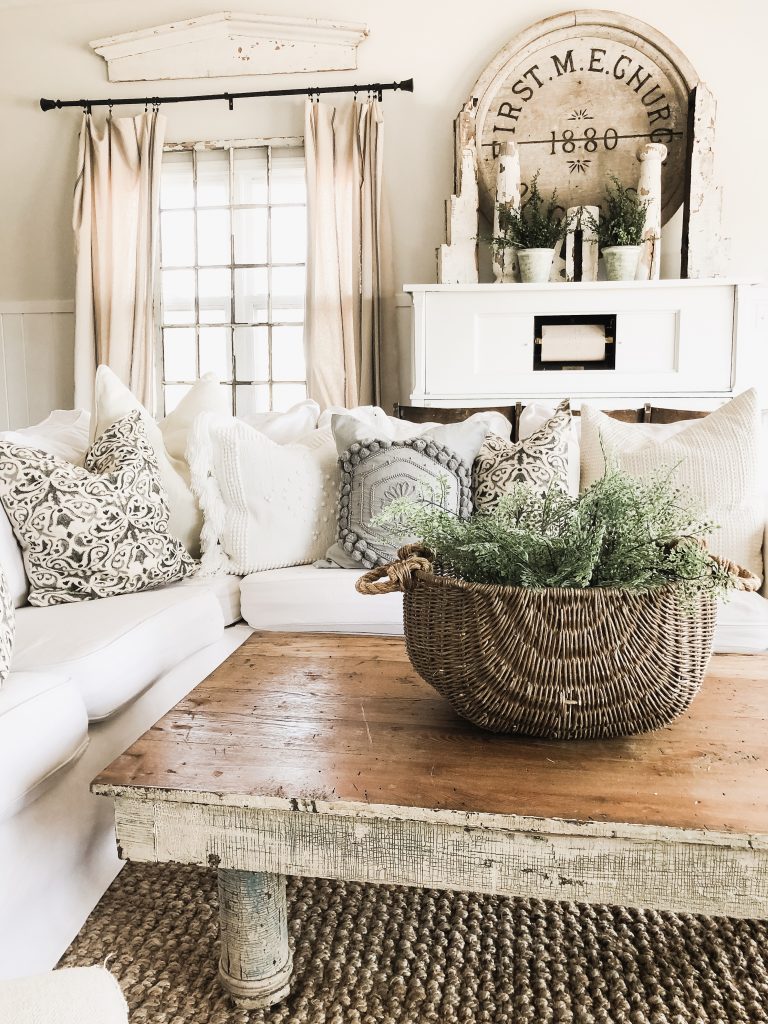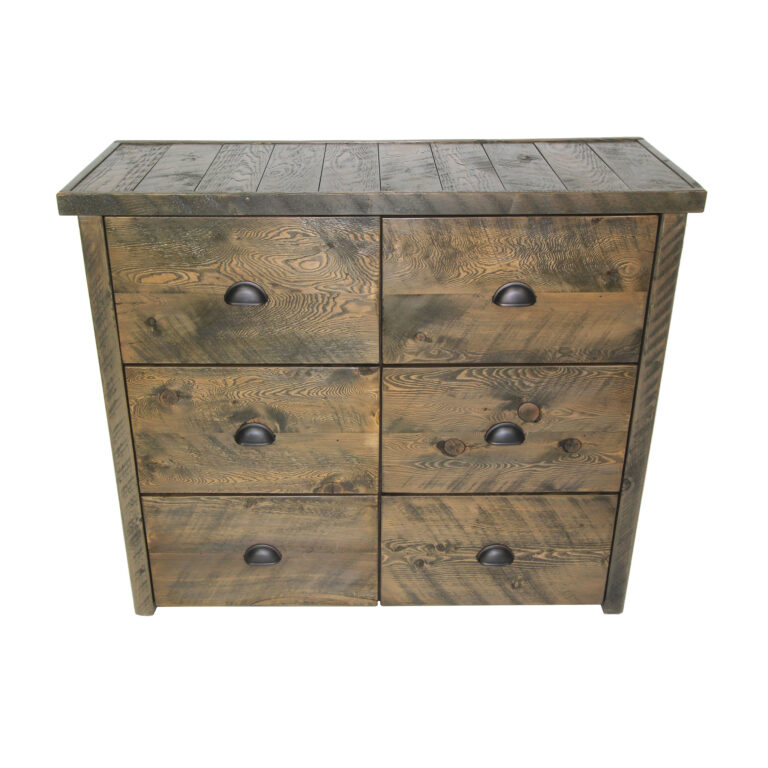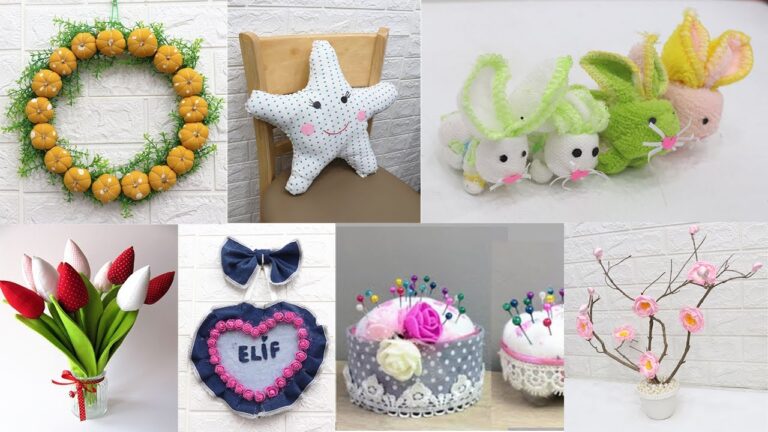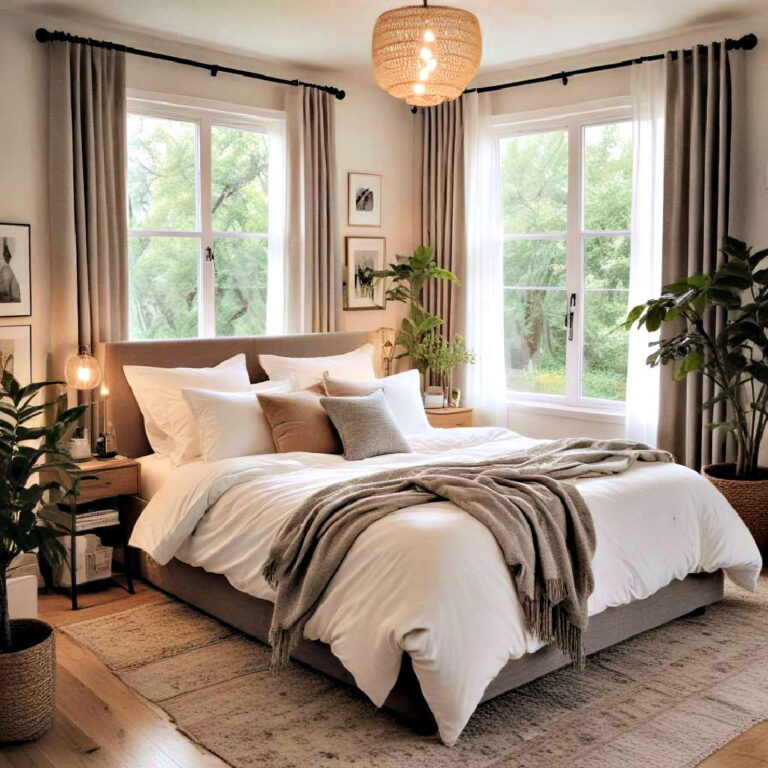
The how should I decorate my room quiz matches your space with colors, layouts, furniture, and decor that fit your style.
Decorating a room can feel exciting, but it can also feel confusing. There are endless colors, furniture styles, themes, and Pinterest ideas to choose from. The how should I decorate my room quiz makes the process easier by turning your taste, needs, and habits into a clear decorating direction. This guide explains how the quiz works, how to use your result, and how to create a room that feels both stylish and comfortable.

What Is the How Should I Decorate My Room Quiz?
The how should I decorate my room quiz is a short style quiz that helps you discover the best design direction for your space. It may ask about your favorite colors, daily routine, room size, storage needs, lighting, and preferred furniture.
Your answers can point to a room style such as:
• Minimalist
• Cozy cottage
• Modern
• Boho
• Industrial
• Scandinavian
• Vintage
• Coastal
• Maximalist
• Nature-inspired
The quiz is not a strict rulebook. Think of it as a helpful map. It gives you ideas when you are unsure where to start.
A good quiz connects your personal style with practical needs. For example, someone who loves calm colors and clean surfaces may enjoy a Scandinavian room. Someone who prefers rich colors, plants, and layered fabrics may feel more at home in a boho space.
The best how should I decorate my room quiz should balance appearance and function. A beautiful room is still frustrating if it has poor lighting, no storage, or an uncomfortable layout.
How the Quiz Helps You Find Your Room Style
Room style is more than a color palette. It includes the way your space feels, works, and supports your daily life.
The how should I decorate my room quiz often studies several design areas.
Color preferences
Color affects the mood of a room. Soft blues and greens may create a calm feeling. Warm beige, cream, and terracotta can make a room feel welcoming. Black, white, and gray often create a clean and modern look.
Your favorite color does not need to cover every wall. You can use it in pillows, art, curtains, or a small accent wall.
Furniture taste
Some people prefer simple furniture with straight lines. Others like curved shapes, wood details, or vintage pieces. Your furniture choices help define the room style more than small decorations do.
A quiz may ask whether you prefer:
• Clean and simple furniture
• Soft and rounded furniture
• Natural wood
• Metal details
• Antique or thrifted pieces
• Large statement furniture
Daily habits
Your room should support the way you live. If you read often, you may need a reading lamp and a comfortable chair. If you study in your room, you need a useful desk and focused lighting.
This is one reason the how should I decorate my room quiz can be useful. It looks beyond trends and connects design with real habits.
Comfort level
Some people like open space and few objects. Others feel happier with blankets, books, photos, plants, and personal items nearby.
Neither choice is wrong. The goal is to create a room that feels like yours, not a showroom that looks perfect but feels cold.
Popular Room Styles You May Get
A room quiz may suggest one main style or combine two styles. Mixed styles can create a more personal result.
Minimalist room
A minimalist room uses simple shapes, a limited color palette, and less visual clutter. It does not mean your room must be empty.
Try:
• One or two main colors
• Furniture with clean lines
• Closed storage
• A few useful decorations
• Clear walking space
Minimalism works well for people who feel calm when their space looks tidy.
Cozy room
A cozy room feels warm, soft, and inviting. It often uses layered textures, warm lighting, and comfortable furniture.
Try adding:
• Soft blankets
• Area rugs
• Warm white bulbs
• Curtains
• Cushions
• Framed photos or art
This style is ideal if your room is a place to rest, watch movies, read, or relax.
Boho room
Boho rooms often include natural materials, plants, patterns, and handmade details. The look can feel relaxed and creative.
Useful elements include:
• Woven baskets
• Rattan furniture
• Green plants
• Patterned pillows
• Earthy colors
• Wall hangings
Avoid buying every boho item at once. A few natural textures usually look better than a crowded mix.
Modern room
Modern rooms often use smooth surfaces, simple shapes, and a balanced color scheme. White, gray, black, beige, and wood tones are common.
A modern room may include:
• Streamlined furniture
• Simple artwork
• Hidden storage
• Metal or glass details
• One strong accent color
Modern design works best when the room still includes soft details. A rug, curtain, or fabric chair can stop the space from feeling too hard.
Vintage room
Vintage rooms use older-looking pieces, classic colors, and decorative details. You do not need expensive antiques to create this look.
Try:
• Thrifted frames
• A secondhand dresser
• Floral or patterned fabric
• Brass details
• Classic lamps
• Old books or collected objects
The key is balance. Pair one vintage piece with simple modern items so the room feels collected rather than dated.
Scandinavian room
Scandinavian design often combines light colors, natural wood, simple furniture, and useful storage. It can make a small room feel brighter and more open.
Common choices include:
• White or pale walls
• Light wood
• Soft gray textiles
• Simple artwork
• Natural light
• Functional furniture
This style is useful for people who like calm spaces with warmth and order.

How to Use Your Quiz Result
Your quiz result is a starting point. You do not need to copy a complete room from a website or store.
Use these steps to turn the result into a real plan.
1. Write down the main style
Start with the style name from your result. Then list three words that describe it.
For example:
• Scandinavian: light, calm, useful
• Boho: natural, creative, relaxed
• Modern: clean, balanced, simple
• Cozy: warm, soft, inviting
These words will guide your choices when you shop.
2. Choose a simple color palette
Select one main color, one supporting color, and one accent color.
For example:
• Main color: warm white
• Supporting color: light wood
• Accent color: sage green
A color palette helps your room feel connected. You can use the accent color in small items instead of painting the whole room.
3. Measure before buying
Measure the room, walls, doors, windows, and large furniture. Keep the measurements in your phone so you can check them while shopping.
This small step prevents many common mistakes. A dresser that looks perfect online may block a door or make a narrow room feel crowded.
4. Plan the room layout
Place the largest pieces first. This usually means the bed, desk, wardrobe, sofa, or dresser.
Keep clear paths around the room. Many interior designers recommend leaving enough space to walk comfortably between key furniture pieces. The exact amount depends on the room, but comfort should guide the final choice.
5. Add lighting in layers
One ceiling light is rarely enough. Use at least two or three types of lighting when possible.
• General lighting brightens the whole room.
• Task lighting helps with reading, studying, or getting ready.
• Accent lighting adds warmth and mood.
A bedside lamp, desk lamp, and small floor lamp can change the feeling of a room without major renovation.
6. Add personal items last
Decorate after the main layout works. Add art, photos, books, plants, mirrors, and small objects that have meaning.
This approach helps you avoid clutter. Your room should tell your story, but every item does not need to be displayed at once.

How to Decorate a Room on a Budget
You do not need a large budget to follow the result of a how should I decorate my room quiz. Good design often comes from smart editing, not expensive shopping.
Start with what you already own. Move furniture, change the layout, wash textiles, and remove items that no longer serve you. A new arrangement can make the room feel different in one afternoon.
Use these low-cost ideas:
• Rearrange furniture
• Change pillow covers
• Add a secondhand mirror
• Frame printed art
• Use baskets for storage
• Paint one small wall
• Add low-cost plants
• Replace harsh bulbs with warm bulbs
• Use removable wallpaper for a small area
• Refresh old furniture with new handles
Thrift stores and local resale groups can be useful for lamps, frames, tables, and solid wood furniture. Check the condition before buying. Avoid pieces with strong odors, water damage, unstable legs, or signs of pests.
One lesson many people learn is that buying small decor too early can waste money. Choose large furniture and lighting first. Then fill the room slowly.

Common Mistakes to Avoid
Even a helpful quiz cannot prevent every design problem. Watch for these mistakes.
Following trends too closely
A trendy room may look good online but stop feeling personal after a few months. Use trends as inspiration, not as a complete plan.
Ignoring room function
A room should support sleep, study, dressing, hobbies, or relaxation. Place comfort and movement before decoration.
Using too many colors
Many colors can make a small room feel busy. A simple palette creates a calmer background for personal items.
Buying furniture without measuring
Always check width, depth, height, and door clearance. Also measure elevators, stairways, and hallways if the item is large.
Blocking natural light
Tall furniture near a window can make the room darker. Keep windows open when possible, and use mirrors to reflect light rather than block it.
Creating visual clutter
Open shelves can look attractive, but they require regular editing. Use baskets, drawers, and cabinets for items you do not want to see every day.
Forgetting texture
A room with only hard surfaces may feel cold. Add a rug, curtains, bedding, cushions, or woven materials to create comfort.
Choosing style over safety
Secure tall furniture to the wall when needed. Keep cords tidy, avoid blocking exits, and follow product instructions for lamps and heaters.

A Simple Room Makeover Plan
You can complete a basic makeover in stages. This helps you control spending and avoid rushed choices.
Day one: Clear and study the room
Remove trash, laundry, and items that do not belong. Notice where natural light enters and how you move through the room.
Day two: Edit your belongings
Keep items that you use, love, or need. Store, donate, recycle, or discard the rest.
Day three: Test the layout
Move furniture into a few different arrangements. Take photos from the doorway and from the bed or desk.
Day four: Set the color plan
Choose your wall color, textile colors, and accent shade. Look at samples during both daylight and evening light.
Day five: Improve lighting
Replace harsh bulbs if needed. Add task lighting near your bed, desk, mirror, or reading chair.
Day six: Add texture
Bring in a rug, blanket, curtains, cushions, or natural materials. Use texture to make the room feel finished.
Day seven: Add personality
Display favorite photos, art, books, collections, or souvenirs. Leave some empty space so the room can breathe.
This process is flexible. A small room may need only a weekend, while a larger room may take several weeks.

How Accurate Is the How Should I Decorate My Room Quiz?
The how should I decorate my room quiz can suggest a useful style, but it cannot fully understand your space. Its result depends on the questions, your honesty, and the quality of the quiz.
Online quizzes also have limits. Some are made for entertainment and may recommend products or trends. Others may simplify your taste into one label. Use the result as guidance, then compare it with your room size, budget, climate, lifestyle, and comfort needs.
A strong result should make you think, “That feels like me.” If it does not, take the quiz again or combine parts of two styles.
For example, you might like modern furniture but warm boho textures. That combination can become a modern boho room. Personal style does not need to fit inside one box.

How to Choose Decor That Lasts
Good decorating is not only about the first impression. It is also about how the room feels after months of use.
Choose durable basics for items you use every day. A sturdy bed frame, comfortable mattress, reliable desk, and useful storage are usually better investments than fragile decorative pieces.
For colors and decor, choose items that can change with your taste. Pillow covers, art prints, small lamps, and accessories are easy to replace.
Before buying, ask:
• Will I still like this in a year?
• Does it serve a purpose?
• Can I clean and maintain it?
• Does it fit the room measurements?
• Does it match at least two other items?
• Is the price fair for the quality?
This simple check can reduce impulse purchases. It also helps you create a room that feels intentional rather than filled with random finds.
Frequently Asked Questions About the How Should I Decorate My Room Quiz
What is the best how should I decorate my room quiz?
The best quiz asks about your taste, room function, colors, furniture, budget, and daily habits. It should offer ideas rather than claim that one style is the only correct choice.
Can a room quiz tell me exactly what to buy?
No. A quiz can suggest colors, furniture types, and decor ideas, but you still need to measure your room and set a budget. Use the result as a planning tool, not a shopping list.
What if I get a room style I do not like?
You can ignore the result or use only the parts that feel right. Many people enjoy a blend of styles, such as modern cottage, cozy minimalist, or boho Scandinavian.
How can I decorate a small room after taking the quiz?
Choose furniture that serves more than one purpose, use vertical storage, and keep the walking path clear. Light colors, mirrors, and layered lighting can also help the room feel more open.
Should my bedroom match the rest of my home?
It does not need to match perfectly. Use one shared color, material, or design detail to create flow while allowing your bedroom to have its own personality.
How often should I retake a room decor quiz?
You can retake it when your lifestyle, home, or taste changes. It is normal for your style to develop as you move, study, work, or collect new items.
Conclusion
The how should I decorate my room quiz can help you turn vague ideas into a clear design plan. Start with your lifestyle, choose a simple palette, measure carefully, plan the layout, and add comfort before small decorations.
Your room does not need to look like a magazine. It should help you rest, focus, create, and feel at home. Take the quiz, keep the ideas that feel true to you, and begin with one small change today. Share your favorite room style or makeover idea in the comments, and explore more decorating guides for practical inspiration.