Old clothes can become rugs, pillows, curtains, baskets, wall art, and other useful home accents.
Home decor ideas using old clothes offer a simple way to save money, reduce textile waste, and add personal style to your space. With basic sewing, cutting, or tying skills, worn shirts, jeans, sweaters, and scarves can gain a fresh life. This guide shares practical projects, design tips, safety advice, and lessons from real upcycling so you can create decor that looks warm rather than homemade in a messy way.
Why Try Home Decor Ideas Using Old Clothes?
Old clothing often has more value than we think. A soft T-shirt can become cushion filling, while sturdy denim can turn into a storage basket or floor mat. Even small fabric scraps can add color to a plain room.
Home decor ideas using old clothes also support a more thoughtful lifestyle. Reusing fabric keeps useful material in circulation and reduces the need to buy new decor for every seasonal change.
The best part is the story behind each item. A quilt made from children’s shirts, for example, can hold memories that no store-bought blanket can match.
Benefits include:
• Lower decorating costs
• Less textile waste
• More personal and meaningful rooms
• A chance to practice sewing and craft skills
• Custom colors, patterns, and sizes
• Useful storage and comfort items
A study of household textile waste in the United States has shown that millions of tons of textiles enter the waste stream each year. Reusing clothing at home cannot solve the entire waste problem, but it is a practical step that makes a visible difference.
Prepare Old Clothes Before Decorating
Good preparation makes home decor ideas using old clothes easier and safer. Start by sorting clothing into groups based on fabric type, color, condition, and size.
Wash every item before cutting it. Use a mild detergent, and make sure the fabric is fully dry. This removes body oils, dust, and odors that may become trapped inside pillows, rugs, or stuffed items.
Check each piece for damage. Avoid fabric with mold, strong chemical odors, or deep stains that cannot be removed. Clothing exposed to pests or contaminated water should not be used for indoor decor.
Create four simple piles:
• Soft fabrics, such as cotton shirts and pajamas
• Strong fabrics, such as denim, canvas, and heavy twill
• Stretch fabrics, such as leggings and knitwear
• Small scraps, buttons, zippers, and trims
Remove parts that may cause problems. Cut away rusty zippers, sharp metal pieces, loose hooks, and scratchy labels. Keep buttons and zippers only when you know they will be safely enclosed or used as decoration.
Measure your space before starting. A fabric basket that looks small on a table may take up too much room on a shelf. Planning prevents waste and helps each project fit your home.

Easy Home Decor Ideas Using Old Clothes
You do not need advanced skills to begin. Choose one small project, such as a pillow cover or coaster set, before attempting a large quilt or rug.
1. Make a Memory Quilt
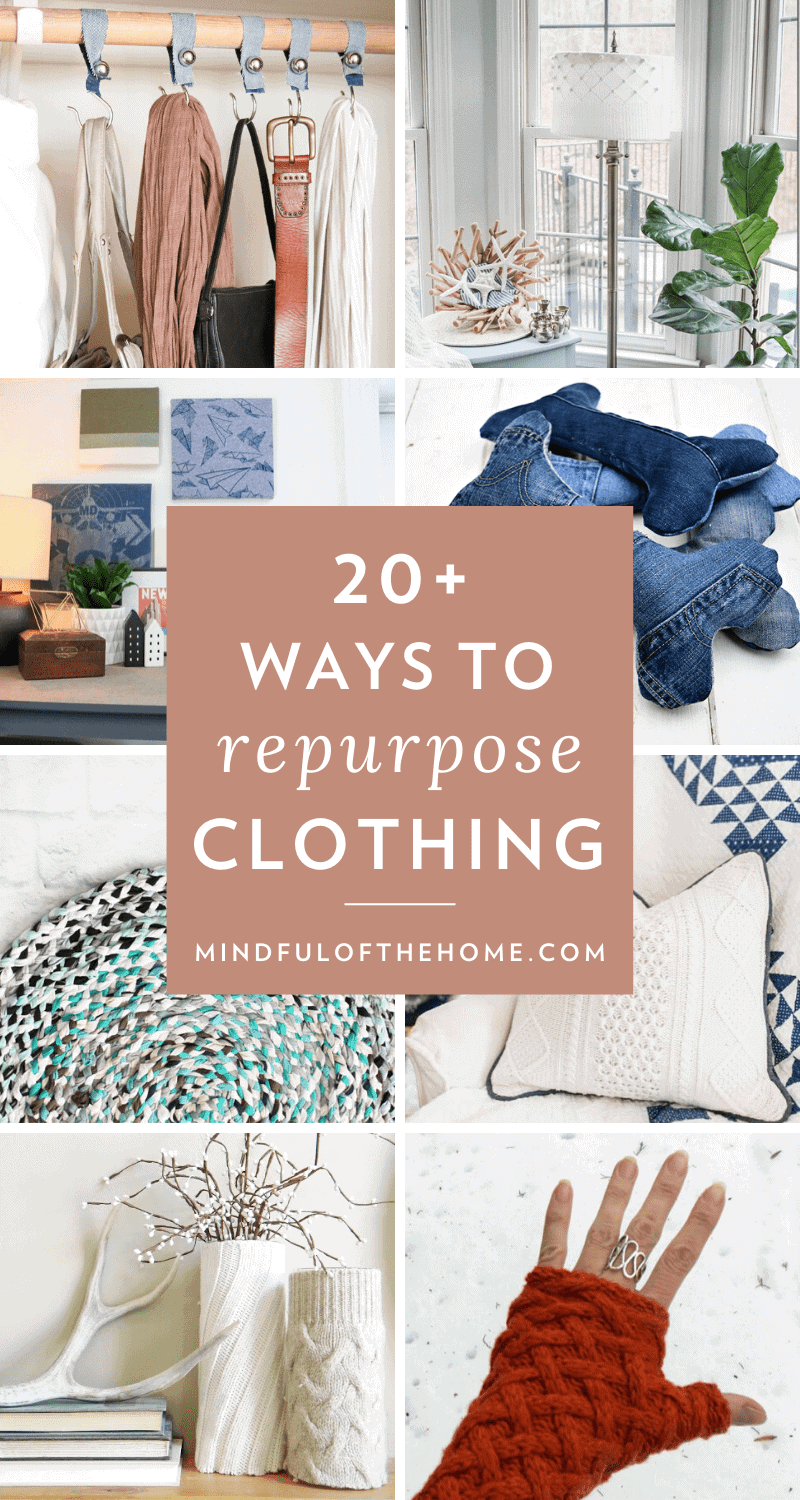
A memory quilt is one of the most meaningful home decor ideas using old clothes. Cut squares from T-shirts, baby clothes, sports jerseys, or old uniforms. Join them with plain cotton fabric to create balance.
T-shirt fabric is soft but stretchy. Place lightweight fusible interfacing behind each shirt panel before cutting. This helps the pieces hold their shape and makes sewing much easier.
Use the quilt as a bed cover, sofa throw, picnic blanket, or wall hanging. If you have little sewing experience, arrange the panels and ask a local quilt shop or tailor to assemble them.
2. Sew Simple Pillow Covers
Pillow covers are fast, useful, and easy to change. Use flannel shirts for a cozy winter look, denim for a casual room, or colorful cotton shirts for a child’s space.
An envelope-style cover needs no zipper. Cut one front piece and two overlapping back pieces. Sew around the edges, turn the cover right side out, and add the pillow insert.
Mix fabrics with similar weight. Pairing thin silk with heavy denim can create uneven seams and poor wear. For a neat finish, use a hidden insert and keep the most interesting part of the clothing on the front.
3. Create a Braided T-Shirt Rug
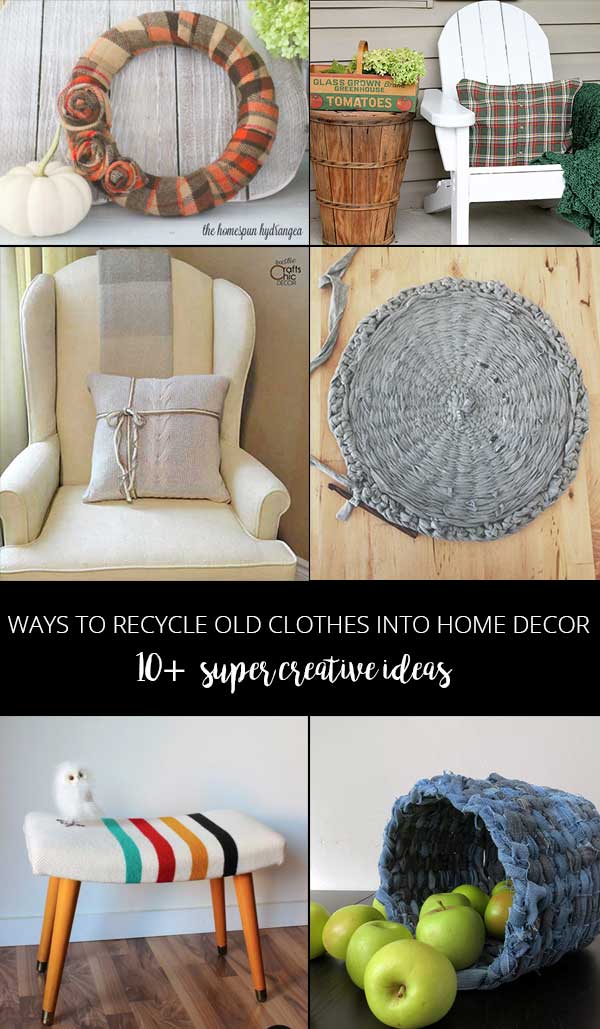
Old T-shirts work well for a soft braided rug. Cut each shirt into long strips, stretch the strips gently, and braid three strands together. Coil the braid into a circle or oval, then stitch the rows together.
Use a strong thread and keep the braid firm but flexible. A loose braid may create gaps, while an overly tight braid can curl.
Place a nonslip rug pad beneath the finished rug. Do not use a fabric rug near a stove, fireplace, or other heat source.
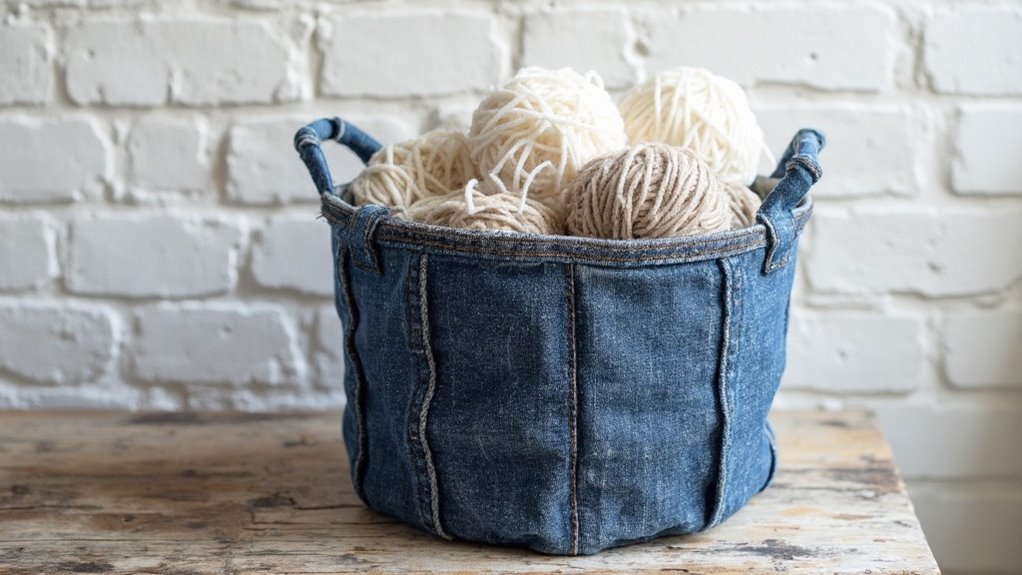
4. Turn Jeans Into Storage Baskets
Denim is one of the strongest materials for upcycled home accessories. Cut away the legs of old jeans and use the pockets for small storage.
You can sew denim panels into a basket for books, toys, craft supplies, or towels. Add a lining from an old cotton shirt to soften the inside. For extra strength, insert cardboard or a washable plastic canvas between the layers.
Keep the original pockets on the outside. They are useful for remote controls, pens, glasses, or charging cables.
5. Make Fabric Coasters
Fabric coasters protect tables and use very little material. Cut several equal squares from cotton clothing, place two pieces together, and sew around the edge.
Add a thin layer of felt or an old towel between the fabric pieces. This gives the coaster more body and helps absorb small spills.
Use scraps from shirts with different patterns for a cheerful set. Make each coaster slightly different, but repeat one color so the group still looks planned.
6. Build a Patchwork Wall Hanging
A patchwork wall hanging can bring color to a plain wall without the cost of framed art. Combine denim, flannel, cotton, and small embroidered sections.
Keep the design simple. Strips, squares, triangles, and color blocks are easy to arrange. Attach the finished fabric to a wooden dowel, branch, or embroidery hoop.
Avoid hanging heavy fabric from a weak nail. Use a wall anchor that matches the weight of the finished piece.
7. Make a Rag Wreath
A rag wreath is a simple seasonal decoration. Cut old clothes into strips and tie them around a wire or foam wreath form.
Choose colors for the season:
• Red, orange, and brown for fall
• White, silver, and blue for winter
• Pastel shirts for spring
• Bright cotton scraps for summer
Add a fabric bow, wooden sign, or dried flowers. Keep the wreath away from candles, heaters, and outdoor rain unless the fabric is weather-resistant.

Room-by-Room Decorating Ideas
Home decor ideas using old clothes can work in almost every room. The key is to match the fabric with the room’s needs.
Living Room
Use old sweaters to make soft pillow covers. A thick knit can also wrap a plain vase, plant pot, or storage box.
Create a denim remote-control caddy that hangs beside the sofa. Sew several jean pockets onto a long fabric panel, then attach the panel to the arm of a chair or the side of a table.
For a calm look, choose fabrics within one color family. Too many unrelated prints may make the room feel busy.
Bedroom
Turn sentimental clothing into a quilt, headboard cover, or decorative pillow. Soft cotton is comfortable and easy to wash.
Old scarves can become a lightweight canopy or curtain tie. Make sure the fabric does not block vents, cover lights, or create a tripping hazard.
You can also cover a corkboard with fabric scraps. Use it to display notes, photographs, or small accessories.
Kitchen
Use old denim or thick cotton for potholders, placemats, and utensil holders. Add heat-resistant batting to potholders and oven mitts.
Do not use unknown synthetic fabric near high heat. Some synthetic fibers can melt, shrink, or release unpleasant fumes. Natural cotton is often a better choice, but every fabric should be tested carefully.
Old shirts can also become washable produce bags. Use a tightly woven fabric and strong seams so the bag can carry its contents safely.
Bathroom
Small cotton towels, T-shirts, and flannel pieces can become washable cleaning cloths. Cut them into squares and finish the edges with a zigzag stitch if they fray.
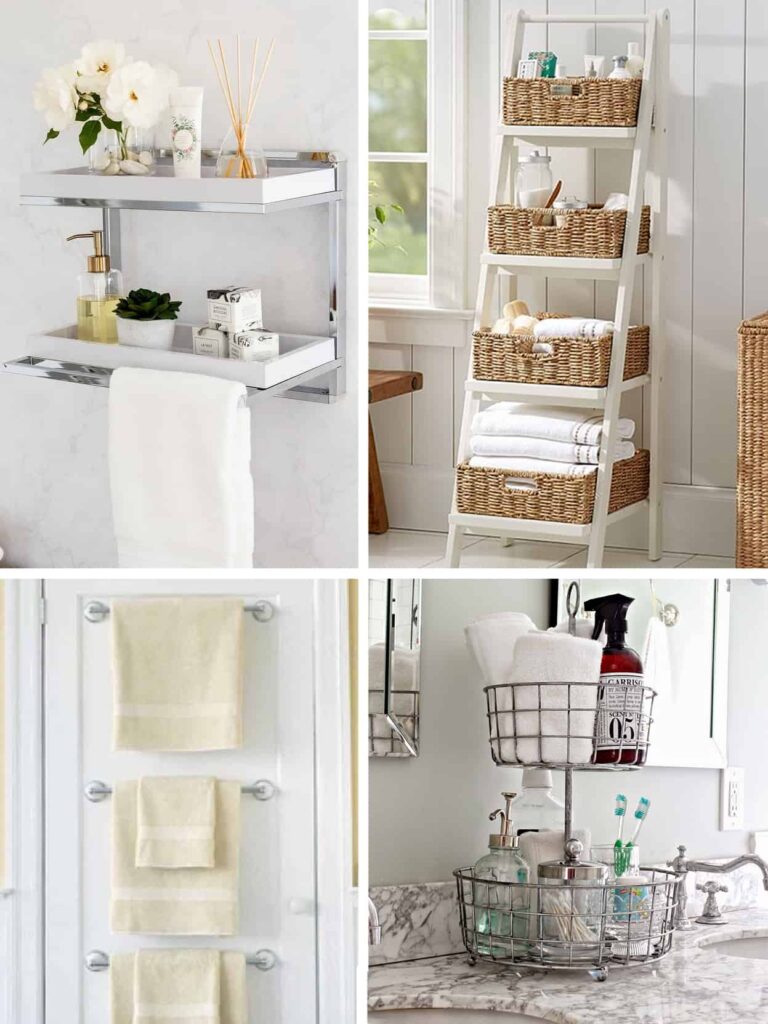
Use fabric baskets to hold extra toilet paper, hair tools, or rolled washcloths. Keep the basket away from standing water so it does not stay damp.
Entryway
Make a wall organizer from an old jacket or several pairs of jeans. Keep the pockets and attach the fabric to a sturdy backing board.
This organizer can hold keys, sunglasses, gloves, pet leashes, and mail. Place it near the door so the storage solves a real daily problem.

Design Tips for a Polished Look
The difference between attractive upcycled decor and clutter often comes down to planning. Home decor ideas using old clothes look more professional when they share a clear color, shape, or texture.
Use one of these design plans:
• Monochrome: Choose several shades of one color
• Complementary: Pair colors opposite each other, such as blue and orange
• Neutral base: Use denim, cream, gray, or black with small bright accents
• Memory-focused: Keep logos, prints, or labels that carry personal meaning
Repeat a fabric at least twice in the room. For example, use the same old blue shirt for a pillow border and a small basket lining. Repetition helps handmade pieces feel connected.
Vary texture with care. Smooth cotton, rough denim, and soft fleece can work well together, but too many heavy fabrics may make a room feel crowded.
Keep the shape clean. Straight seams, even edges, and careful pressing can make a simple project look much more refined. An iron is often one of the most useful tools in fabric upcycling.
Before sewing, lay the pieces on the floor or table. Take a photo from a distance. The photo can reveal color problems that are easy to miss when you work close to the fabric.

Basic Tools and Techniques
Most home decor ideas using old clothes require only simple tools. You may already have many of them at home.
Useful supplies include:
• Sharp fabric scissors
• Measuring tape or ruler
• Sewing machine or hand-sewing needles
• Strong polyester thread
• Fabric chalk or washable marker
• Straight pins or fabric clips
• Iron and ironing board
• Seam ripper
• Fusible interfacing
• Nonslip rug backing
Learn a few basic techniques:
-
Press fabric before cutting. Wrinkles can change measurements.
-
Cut with the grain when possible. This helps prevent twisting.
-
Use a longer stitch for thick denim and a shorter stitch for light cotton.
-
Backstitch at the start and end of seams.
-
Trim bulky corners before turning a project right side out.
-
Test the stitch on a scrap first.
When working with stretchy fabric, avoid pulling it through the machine. Let the feed dogs move the fabric. A ballpoint needle may also help with knit material.
If you do not sew, choose no-sew methods. Tie strips around a wreath form, use fabric glue for light decor, or wrap fabric around cardboard and secure it on the back. Fabric glue is not always washable, so read the product label before using it on items that need frequent cleaning.
Common Mistakes to Avoid
Some home decor ideas using old clothes fail because the fabric is not suited to the project. A thin shirt may look lovely but tear when used as a basket handle.
Avoid these common mistakes:
• Skipping the washing step
• Mixing fabrics with very different stretch levels
• Using weak thread on heavy projects
• Making rugs without nonslip backing
• Adding loose buttons to items used by babies or toddlers
• Using flammable fabric near heat
• Ignoring color balance
• Making large projects before testing a small sample
I once made a fabric basket from lightweight cotton without adding support. It looked fine at first, but the sides collapsed after a few days. Adding interfacing or a firm lining would have solved the problem.
Another lesson is to avoid saving every scrap. Keep only fabric that is clean, useful, and large enough for a planned project. Too many scraps can create clutter instead of reducing it.
Be realistic about time. A large quilt may take many evenings. A coaster set or pocket organizer can give you a quick win and help you build confidence.
How to Care for Upcycled Fabric Decor
Care depends on the original material and the new item. Read the care label when it is still attached, but remember that mixed fabrics may need gentler treatment.
Wash removable covers before they become heavily soiled. Use cold or warm water, and avoid high heat if the project contains elastic, printed designs, or synthetic fabric.
For rugs and baskets, vacuum or shake out dust often. Spot-clean stains with mild soap and test the solution on an unseen area first.
Follow these care tips:
• Air-dry delicate projects when possible
• Avoid bleach unless the fabric label permits it
• Store fabric decor in a dry, clean place
• Repair loose seams early
• Check rugs and mats for worn nonslip backing
• Keep fabric away from open flames and strong heat
Decor made from old clothes may not last as long as factory-made products. That is not a failure. It simply means the item needs inspection and occasional repair, just like a favorite pair of jeans.
Frequently Asked Questions About Home Decor Ideas Using Old Clothes
What are the easiest home decor ideas using old clothes?
Pillow covers, fabric coasters, rag wreaths, and denim organizers are among the easiest projects. They require little fabric and can often be completed with basic sewing or no-sew methods.
Can old T-shirts be used to make a rug?
Yes, old T-shirts can be cut into strips and braided or woven into a soft rug. Add a nonslip backing and keep the rug away from heat sources.
How do I make old clothes look stylish in my home?
Use a limited color palette, repeat key colors, and keep the shapes simple. Pressing fabric and finishing the edges neatly can make handmade decor look polished.
Are old clothes safe to use for kitchen decor?
Clean cotton clothing can work for placemats, pot holders, and utensil holders when it is thick enough and properly layered. Avoid unknown synthetic fabrics near high heat because they may melt or burn.
What old clothing is best for a memory quilt?
Cotton T-shirts, flannel shirts, denim, baby clothes, and sports jerseys can work well. Stretchy T-shirt fabric usually needs fusible interfacing to prevent distortion.
Can I make home decor using old clothes without sewing?
Yes, you can tie fabric strips, wrap cloth around boxes, use fabric glue for light decorations, or create no-sew wreaths. Check the adhesive label because some fabric glues are not washable or suitable for heavy use.
How should I clean fabric made from old clothes?
Use the gentlest cleaning method suitable for the most delicate fabric in the project. Spot-test cleaning products, avoid harsh bleach, and air-dry items when heat may damage elastic or printed designs.
Conclusion
Home decor ideas using old clothes can turn forgotten fabric into useful, meaningful pieces. T-shirts can become rugs and pillows, jeans can become baskets and organizers, and small scraps can add color through coasters, wreaths, and wall art.
Start with clean fabric, choose a project that matches its strength, and test your design before making several items. A small project can teach you more than a large plan, and simple details such as neat seams, balanced colors, and safe materials make a big difference.
Look through your closet today and choose one item with good fabric or special memories. Try one of these home decor ideas using old clothes, then share your finished project or favorite upcycling tip with others.