Sort newborn clothes by size and use, then place daily essentials in easy-to-reach, safe drawers.
Learning how to organize a newborn dresser can make busy days feel much calmer. With the right drawer plan, you can find a clean onesie, diaper, or burp cloth in seconds, even during a late-night feeding. This guide combines practical nursery experience, safety advice, and simple storage methods that grow with your baby.
Why Organizing a Newborn Dresser Matters
A newborn dresser is more than a place to store clothes. It can become the main work station for diaper changes, outfit changes, and midnight care. When each item has a clear home, you spend less time searching and more time caring for your baby.
Babies also grow fast. Many newborn outfits fit for only a few weeks, while some babies skip newborn sizes completely. A smart system keeps small clothes visible without allowing larger sizes to crowd the drawers.
Good organization also supports safety. The U.S. Consumer Product Safety Commission recommends anchoring dressers and other furniture to the wall to help prevent tip-over accidents. A tidy dresser makes it easier to keep heavy items low and unsafe objects out of reach.
The best system should be:
• Simple enough to maintain with one hand
• Flexible as your baby grows
• Easy to see at a glance
• Safe for adults and children
• Based on how your family uses the nursery
Prepare the Dresser Before You Organize It
Before learning how to organize a newborn dresser, start with an empty, clean piece of furniture. Remove every item from the drawers and place everything on the floor or on a clean bed. This helps you see what you have and prevents forgotten clothes from taking up useful space.
Wipe the dresser with a soft, damp cloth. Follow the care instructions for the finish. Avoid strong scents or harsh cleaners near baby clothing, since newborn skin can be sensitive.
Next, check the dresser itself. Make sure the drawers open smoothly and do not stick. Inspect the handles, screws, back panel, and legs. If the dresser includes a changing pad, follow the manufacturer’s instructions and use the required safety strap.
Before using the dresser, anchor it securely to the wall. Do not place a television, heavy lamp, or large decoration on top. Keep the top surface clear enough for safe, quick access.
Create four sorting piles:
• Clothes your baby can wear now
• Clothes for future sizes
• Seasonal or special outfits
• Items to donate, return, or store elsewhere
This step is often where parents discover they have more clothes than they need. In my experience, new families commonly receive several outfits in the same size but lack simple daily basics. Keep the practical pieces first.
How to Organize a Newborn Dresser Step by Step
The easiest way to organize a newborn dresser is to assign each drawer one clear purpose. Avoid mixing diapers, socks, pajamas, and shirts in one crowded space. A focused drawer saves time and reduces mess.
1. Measure the drawers
Measure the inside width, depth, and height of each drawer. This helps you choose bins that fit without wasting space. Leave a little room around each bin so the drawer can open and close with ease.
2. Choose useful drawer dividers
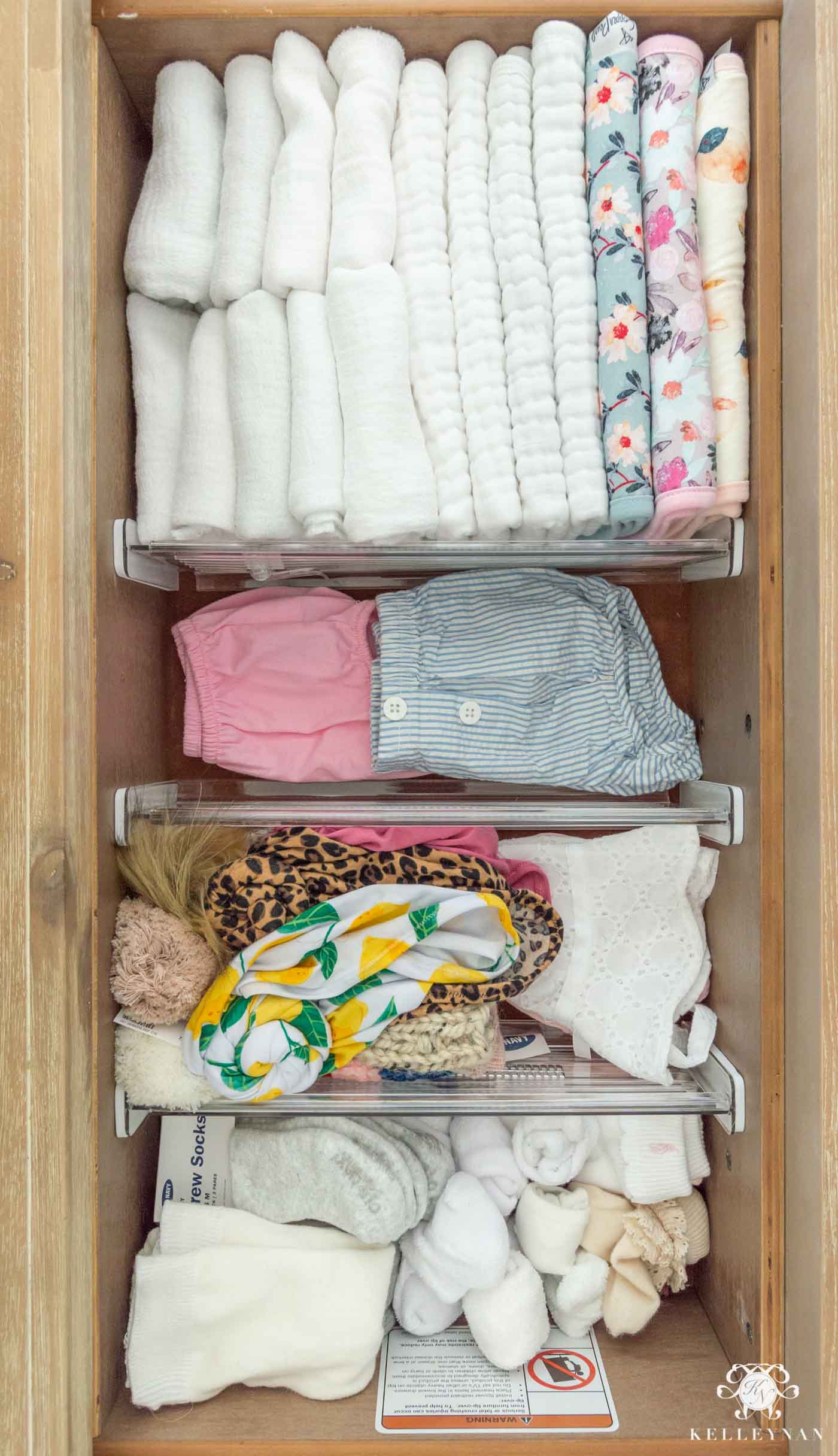
use small, washable bins or adjustable dividers. Fabric, plastic, or bamboo organizers can work well. Choose products with smooth edges and no loose parts.
Do not overfill the bins. If clothes are packed tightly, you may forget what is underneath. A drawer should open like a small menu, not feel like a stuffed suitcase.
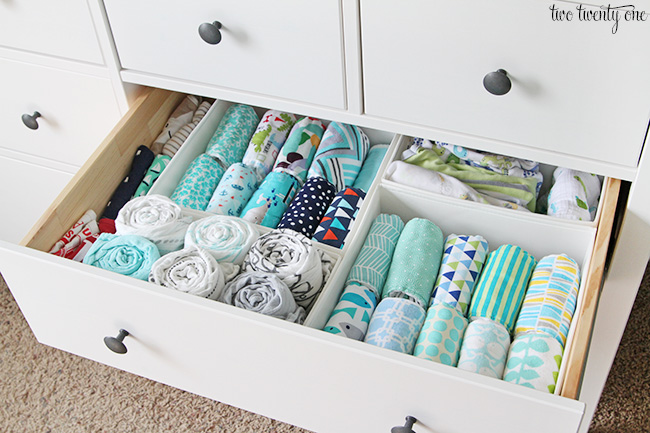
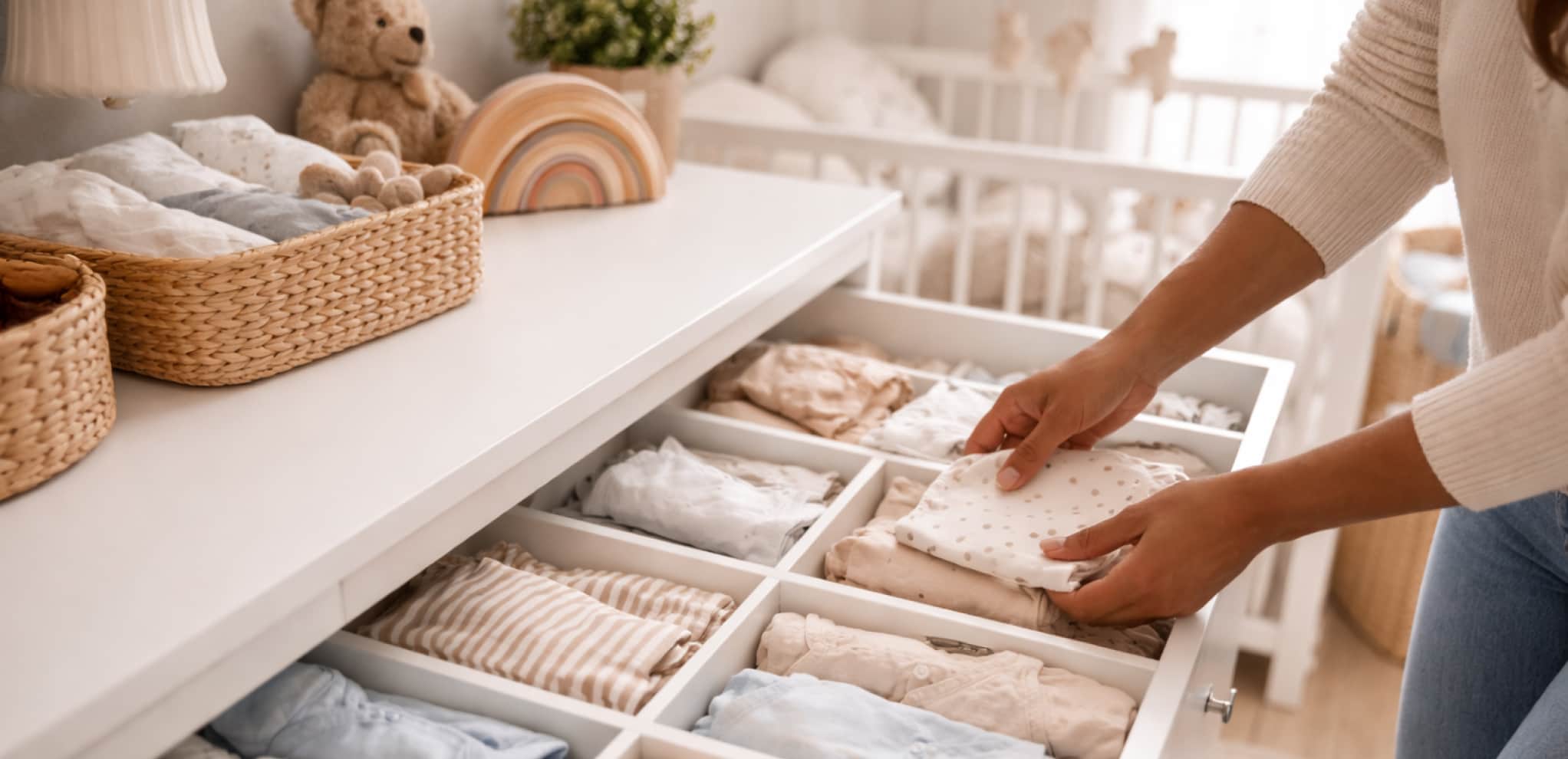
3. Fold clothes in rows
Fold clothes so the front edge faces upward. This method lets you see every item without lifting a stack. It works well for:
• Bodysuits
• Sleepers
• Pants
• Burp cloths
• Swaddles
Rolling clothes can save space, but folding is often easier for tiny items. Test both methods and choose the one that helps you find things fastest.
4. Use labels
Labels are helpful, especially when another caregiver helps with laundry. Use simple words such as “Sleepers,” “Bodysuits,” “Socks,” and “Diapers.”
If you plan to move items as your baby grows, use removable labels. You can also add a size label, such as “Newborn” or “0 to 3 Months.”
5. Keep daily items at waist height
Place the items you use most in the middle drawers. These may include bodysuits, sleepers, diapers, wipes, and burp cloths. Keep items used less often in lower drawers.
Do not place heavy items in the top drawer. Lower drawers are a better choice for blankets, towels, or extra diaper supplies.
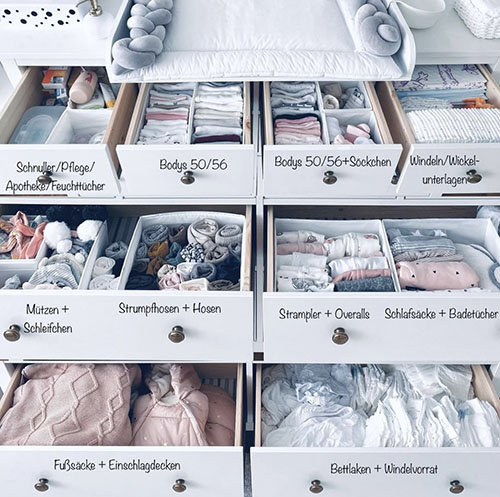
The Best Newborn Dresser Drawer Layout
There is no single perfect layout for every nursery. The best newborn dresser organization depends on the dresser size, your changing area, and your daily routine.
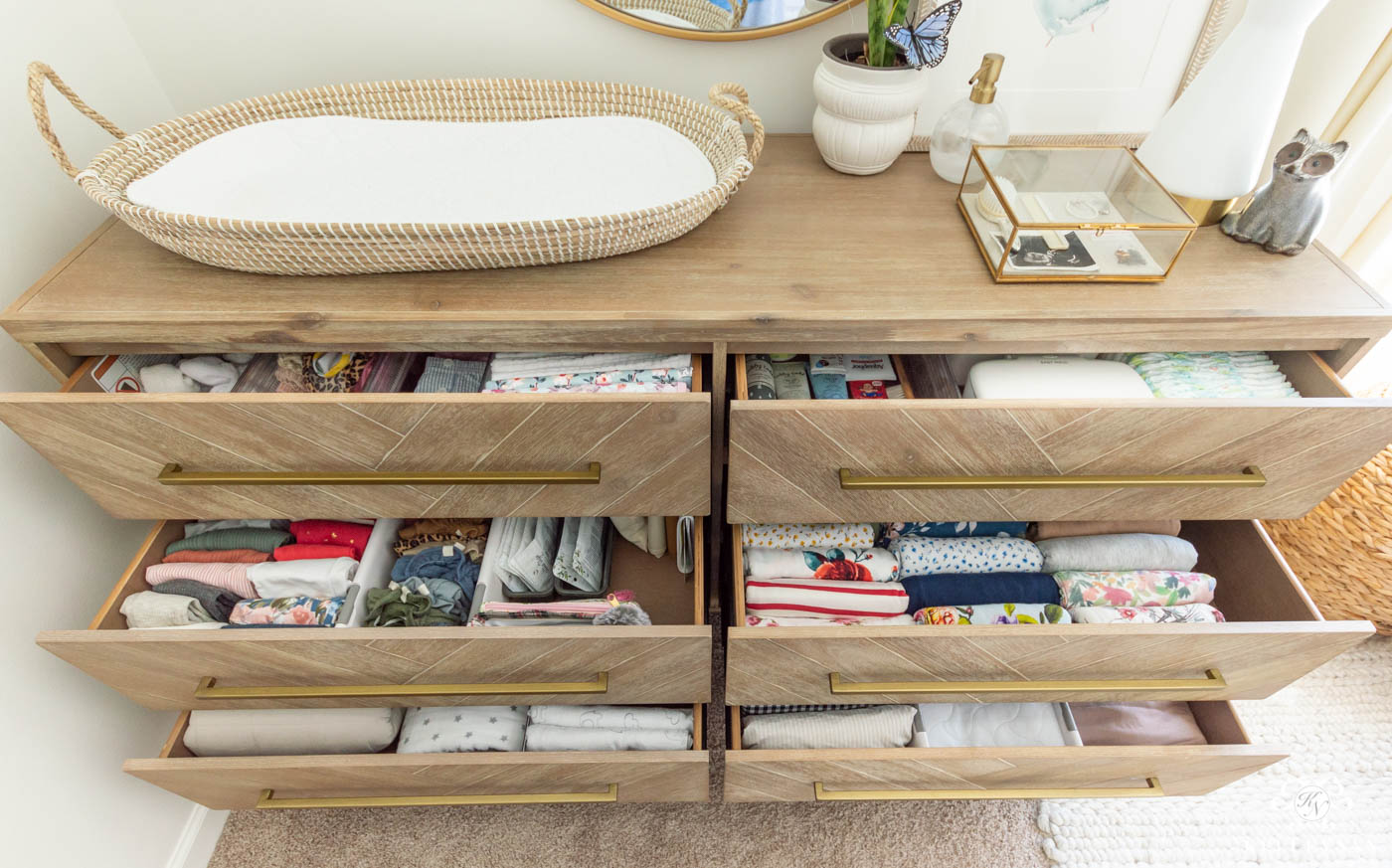
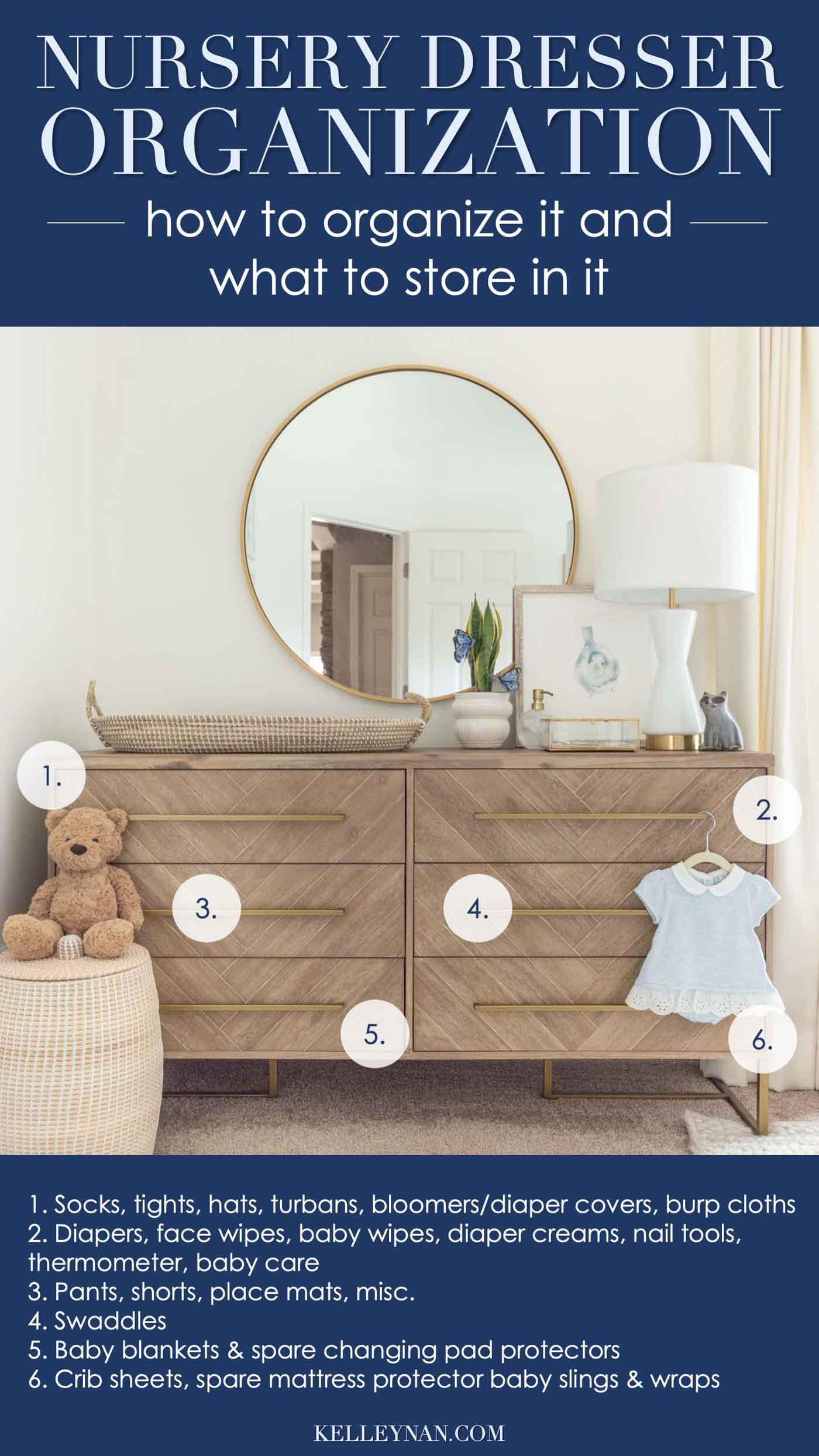
Here is a practical six-drawer layout:
Top drawer: small daily essentials
Use the top drawer for light items that you need often. Good choices include:
• Socks
• Scratch mittens
• Hats
• Bibs
• Hair bows
• Small burp cloths
Keep this drawer neat and light. Avoid storing medicines, creams, or anything that could spill near clothing unless it is secured and kept away from children.
Second drawer: bodysuits and shirts
Store short-sleeve and long-sleeve bodysuits here. Separate them with a divider if you have many of both types.
Place the most-used size in front. Move larger sizes to the back or to a separate drawer.
Third drawer: sleepers and pajamas
Newborn sleepers are often used every day, especially during the first months. Keep zipper sleepers together and place them in an upright row.
Zippered sleepers are usually quicker during nighttime changes than outfits with many small snaps. Keep two or three easy options near the front.
Fourth drawer: pants and outfits
Use this drawer for pants, leggings, sweaters, and simple daytime outfits. Keep complete outfit sets together when possible.
You can place a shirt inside folded pants to create a ready-to-wear set. This small habit can save time on rushed mornings.
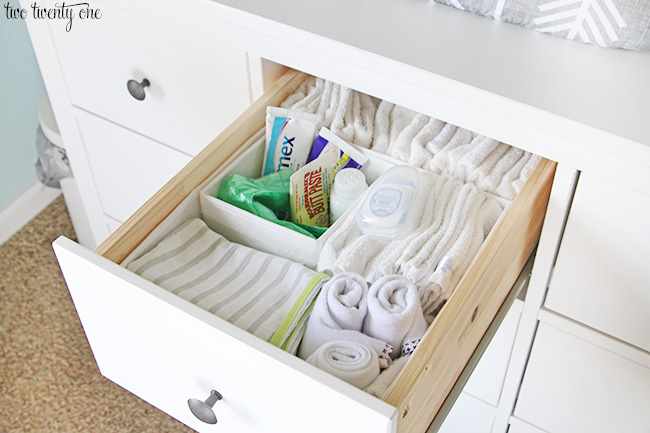
Fifth drawer: diapers and changing supplies
If the dresser is used near a changing station, store diapers, wipes, diaper cream, and disposable bags in a separate drawer. Keep everything within adult reach but away from the baby’s grasp.
Never leave a baby alone on a changing surface, even for a moment. The American Academy of Pediatrics advises keeping one hand on the baby and having supplies ready before beginning a diaper change.
Bottom drawer: blankets and future sizes
The bottom drawer works well for heavier items and clothes your baby will use later. Store receiving blankets, sleep sacks, towels, and larger clothing here.
Avoid putting too many thick blankets in one drawer. Bulky items can reduce air flow and make the drawer hard to open.
How to Sort Baby Clothes by Size
Size labels are not always consistent. One brand’s newborn outfit may fit like another brand’s 0 to 3 month outfit. Use the label as a starting point, but also judge the garment by its actual fit.
Sort clothes into simple groups:
• Newborn
• 0 to 3 months
• 3 to 6 months
• 6 to 9 months
• Seasonal or special use
Do not put every future size into the active dresser. Keep only the current size and the next size nearby. Store larger clothes in labeled bins or a closet shelf.
Check the dresser every two to four weeks. Babies can outgrow clothes quickly, especially during growth spurts. Remove anything tight, stained, damaged, or uncomfortable.
A useful rule is to keep three clothing categories:
• Wear now
• Wear soon
• Store for later
This approach prevents the common mistake of filling every drawer with clothes that will not fit for months.
What to Store on Top of a Newborn Dresser
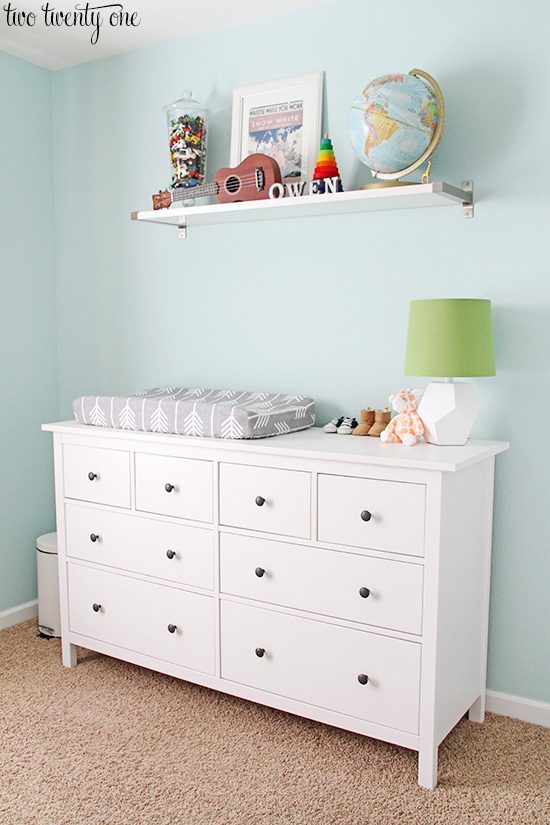
A dresser top should stay simple and safe. If you use it as a changing station, place only the items needed for a diaper change.
Useful items may include:
• A changing pad made for the dresser
• A secured diaper caddy
• A small container for clean burp cloths
• A washable changing pad cover
Avoid candles, glass containers, heavy decorations, cords, and small objects. Never place powders, medicines, or lotions where a baby could reach them.
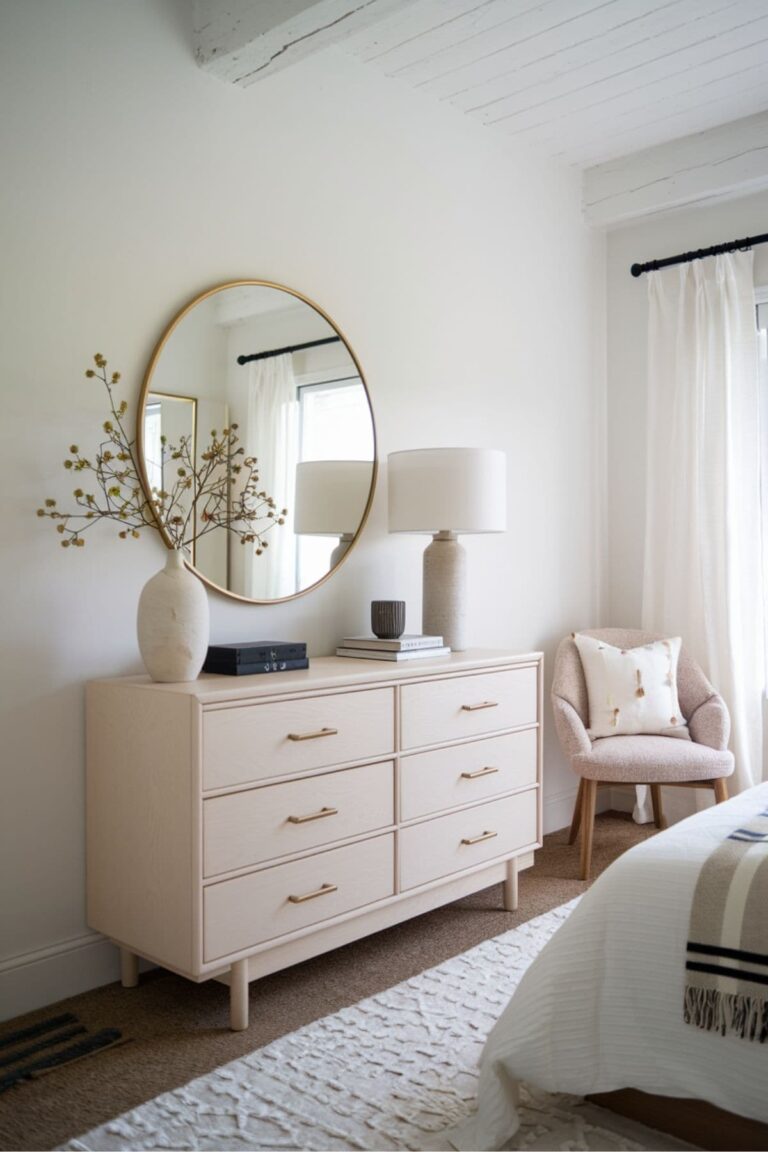
A wall mirror, framed art, or shelf above the dresser can look attractive, but it must be installed securely. Follow weight limits and use proper hardware for the wall type.
From helping families set up nurseries, I have learned that a clear dresser top is easier to use than a beautifully crowded one. Babies need care, not decoration, and open space makes quick changes much less stressful.

Newborn Dresser Safety Tips
Safety should guide every part of newborn dresser organization. A dresser can tip if a child climbs, pulls on a drawer, or reaches for an object. Anchor the furniture to a wall, and check the anchor from time to time.
Keep these safety rules in mind:
• Anchor the dresser to a wall stud or use an approved anti-tip kit
• Keep heavier objects in lower drawers
• Close drawers when they are not in use
• Use a changing pad only as directed by the manufacturer
• Keep one hand on your baby during changes
• Keep medicines, creams, scissors, and small items out of reach
• Do not place a car seat, bouncer, or infant on top of the dresser
• Keep cords away from the changing area
• Check for recalls on the dresser and changing accessories
The top drawer should not become a medicine cabinet. Even products made for babies can be harmful if swallowed or used incorrectly. Store medicine in a locked location, separate from ordinary baby supplies.
Also watch for clothing hazards. Remove loose buttons, broken snaps, long strings, and decorative pieces before placing clothing in the dresser. Follow the care label, and stop using items that show damage.
How to Keep the Dresser Organized
The best newborn dresser organization system is one you can maintain when you are tired. Build a short reset into your laundry routine. When clean clothes come out of the dryer, sort them by type before putting them away.
Try this five-minute reset:
-
Remove clothes that no longer fit.
-
Return each item to its labeled drawer.
-
Match loose socks and mittens.
-
Move stained or damaged clothing to a repair or donation bag.
-
Wipe the drawer if lint or dust has collected.
Keep a small basket near the dresser for clothes that no longer fit. This prevents them from returning to the active drawers. When the basket is full, decide whether to donate, sell, recycle, or save the items.
Ask other caregivers to follow the same layout. A simple label system helps grandparents, babysitters, and partners put things back in the correct place.
Common Newborn Dresser Organization Mistakes
Even a well-planned dresser can become difficult to use. Most problems come from too many items, unclear categories, or a layout that does not match your routine.
Avoid these common mistakes:
• Keeping every size in the main drawers
• Stacking clothing so high that the bottom items disappear
• Mixing clean and worn clothing
• Storing heavy blankets in the top drawer
• Using deep bins that hide tiny clothes
• Keeping diaper supplies far from the changing area
• Adding too many decorative items to the dresser top
• Forgetting to remove clothes that no longer fit
One mistake I often see is organizing by clothing style instead of daily use. A drawer full of fancy outfits may look neat, but it does not help during a 2 a.m. diaper change. Keep practical basics closest to the changing area and save special outfits for a less-accessed space.
Remember that organization is not permanent. Your baby’s needs will change from newborn clothes to crawling outfits, then to toddler clothing. A flexible system is more useful than a perfect-looking one.
Frequently Asked Questions About How to Organize a Newborn Dresser
What should go in the top drawer of a newborn dresser?
Place small, light items that you use often in the top drawer. Socks, mittens, bibs, hats, and burp cloths are good choices.
How many newborn clothes should be kept in the dresser?
Keep enough clothing for several days of changes, such as five to eight bodysuits and a few sleepers. Store extra and future-size clothing elsewhere so the active drawers stay easy to use.
Should diapers go in the newborn dresser?
Yes, diapers can go in a dresser drawer if the dresser is near the changing area. Keep diapers and wipes in a separate, organized section, and always keep one hand on your baby during changes.
How do you organize baby clothes by size?
Separate clothing into newborn, 0 to 3 months, 3 to 6 months, and larger sizes. Keep the current size and the next size in the dresser, while storing later sizes in labeled bins.
Is it safe to use a newborn dresser as a changing table?
It can be safe only when the dresser and changing pad are designed and installed for that use. Follow the manufacturer’s instructions, anchor the dresser to the wall, and never leave a baby alone on the changing surface.
How often should you reorganize a newborn dresser?
Review the drawers every two to four weeks during the early months. Remove clothing that no longer fits and adjust the layout as your baby’s routine changes.
Conclusion
Knowing how to organize a newborn dresser helps you create a calmer, safer nursery. Sort clothing by size and use, keep daily items at a comfortable height, store heavy items low, and anchor the dresser securely to the wall.
Start with one drawer today instead of trying to change the whole nursery at once. Use clear labels, leave room to grow, and adjust the system as your baby changes. Explore more nursery safety and baby-care resources, and share your favorite dresser organization tip in the comments.