Most new area rug wrinkles relax with time, gentle reverse rolling, light heat, or safe floor weights.
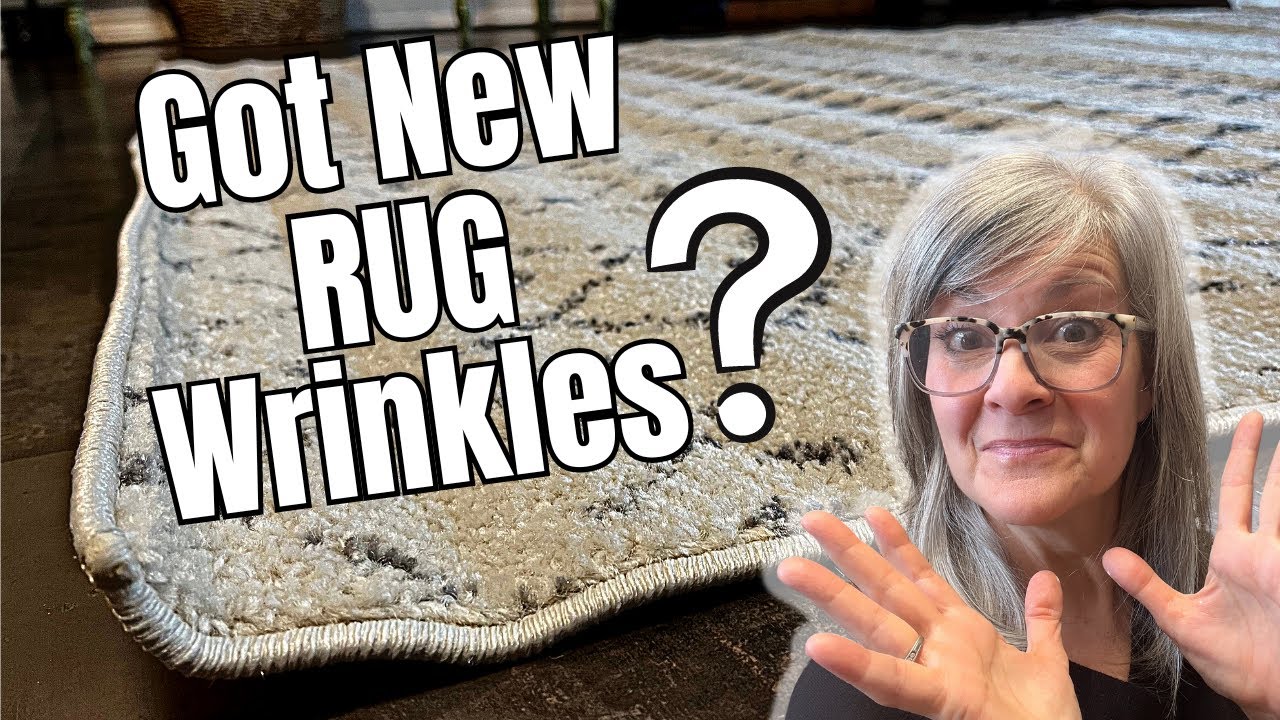
A new rug can arrive with ripples, creases, or curled edges after being rolled tightly for shipping. Knowing how to get wrinkles out of new area rug fibers without causing damage is the key. This guide explains safe methods for wool, cotton, synthetic, and natural-fiber rugs, plus common mistakes that can make wrinkles worse.

Why New Area Rugs Get Wrinkles
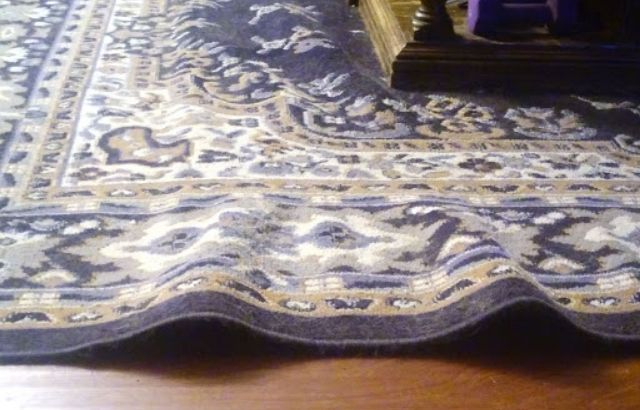
Most rug wrinkles form during packing, storage, and shipping. The rug stays rolled for days or weeks, so its backing and fibers develop a temporary memory. Temperature changes during transport can also make the backing contract or expand.
A rug may show several types of folds:
• Ripples across the center
• Raised seams or lines
• Curled corners
• Buckled edges
• Waves caused by an uneven backing
In most cases, these marks are not permanent. Learning how to get wrinkles out of new area rug material starts with identifying whether the problem is a simple shipping crease or a deeper backing issue.
Temporary creases versus rug defects
Temporary creases usually soften when the rug lies flat. They often improve within a few days or weeks. A rug defect may remain in the same place, feel stiff, or return soon after each smoothing attempt.
A damaged backing can also cause buckling. This may happen when the backing shrinks at a different rate from the face fibers. If the rug continues to wrinkle after careful treatment, contact the seller before trying stronger methods.

Let the Rug Relax Flat
The safest first method is also the simplest. Place the rug on a clean, dry floor and allow it to relax naturally. Many new rugs flatten when their fibers adjust to the room.
Follow these steps:
-
Unroll the rug fully.
-
Place it with the pile facing up.
-
Smooth the surface with your hands.
-
Keep furniture away from the rug for the first day.
-
Allow it to rest flat for 24 to 72 hours.
Open windows or use gentle air circulation if the room feels damp. Avoid placing the rug in direct, strong sunlight for long periods. Too much heat can fade dyes, dry natural fibers, or damage latex and rubber backing.
When people ask how to get wrinkles out of new area rug products, I usually suggest waiting before using heat. Patience often solves the problem without adding risk.
Reverse Roll the Rug
Reverse rolling is one of the best ways to remove stubborn curls. It gently trains the rug to bend in the opposite direction from its shipping roll.
To reverse roll safely:
-
Find the direction of the original curl.
-
Roll the rug loosely in the opposite direction.
-
Keep the pile facing inward if the manufacturer allows it.
-
Do not bend or crush the corners.
-
Leave the rug rolled for 30 minutes to two hours.
-
Unroll it and lay it flat again.
Do not tie the rug tightly. Tight pressure can create new creases or leave marks in the pile. If the rug has a delicate pile, roll it around a clean tube instead of making a tight hand roll.
Reverse rolling works well for synthetic rugs and many low-pile wool rugs. It needs more care with jute, sisal, seagrass, silk, and rugs with a fragile backing.
Use Safe Floor Weights
Light, even weight can help press small ripples flat. This method works best after the rug has rested flat for several hours.
Place clean, smooth objects over the wrinkled areas. Good options include:
• Flat books covered with clean cloth
• Lightweight storage boxes
• Clean pillows with a firm surface
• Wide furniture legs with protective pads
Spread the weight across a wide area. Do not use one heavy object on a small crease. That can flatten the pile unevenly or leave a visible dent.
Keep the weight in place for 24 to 48 hours. Check the rug from time to time. Remove the objects if the rug develops a new mark, if the pile looks crushed, or if the backing feels damp.
This method is a gentle part of how to get wrinkles out of new area rug surfaces, especially when the rug has light waves rather than deep folds.
Try Gentle Steam With Care
Steam can relax some rug fibers, but it is not safe for every material. Always check the care label first. If the label says “do not steam,” skip this method.
For a steam-safe rug:
-
Set the steamer to a low or gentle setting.
-
Test a hidden corner.
-
Hold the steamer above the rug instead of pressing it into the pile.
-
Move slowly across the wrinkle.
-
Keep the rug flat while it cools and dries.
-
Improve air flow in the room.
Never soak the rug. Excess moisture can cause mildew, dye bleeding, odor, backing separation, or shrinkage. Natural fibers such as jute and sisal are especially sensitive to water.
Do not steam rugs with unknown dyes, loose fibers, paper backing, or delicate embellishments. A professional rug cleaner is the safer choice for valuable or handmade rugs.
Use a Clothes Dryer Only When the Label Allows It
Some small, washable rugs can go in a dryer. Most large area rugs cannot. A dryer may damage latex, rubber, adhesive, fringe, or a nonwoven backing.
Check the care label before using any dryer. If the label permits drying:
• Use the lowest heat setting.
• Add clean dryer balls or towels if recommended.
• Remove the rug while it is still slightly damp.
• Lay it flat to finish drying.
Never place a large rug in a dryer if it is too heavy for the machine. Wet rugs become much heavier, and the extra weight can damage both the rug and the appliance.
For most full-size area rugs, air drying flat is safer than machine drying. This is an important limitation when learning how to get wrinkles out of new area rug materials.
Fix Curled Corners
Curled corners can create a trip hazard. They also make the entire rug look uneven. Start by rolling the corner backward for a short time, then lay it flat.
You can also place a clean, flat weight on the corner. A corner protector or rug corner gripper may help hold it down while the material relaxes.
Avoid folding the corner sharply. A hard fold can break the backing and leave a permanent line. Do not use tape directly on the rug unless it is made for rugs and approved for that material.
If the rug sits on a hard floor, a quality rug pad can help hold the surface in place. Choose a pad designed for the floor type, such as hardwood, tile, or laminate.
Use a Rug Pad After the Wrinkles Relax
A rug pad does not always remove existing wrinkles by itself. However, it can help prevent new movement after the rug becomes flat.
A good rug pad should:
• Fit slightly inside the rug edges
• Match the rug and floor type
• Provide steady grip without sticking
• Allow air to move under the rug
• Avoid staining or damaging the floor
Do not use shelf liner, plastic sheets, or random foam as a substitute. These materials may trap moisture, discolor floors, or make the rug slide.
Wait until the rug is mostly flat before installing the pad. A pad placed under a badly wrinkled rug may hold the waves in place rather than solve them.
Methods to Avoid
Some popular online tricks can cause more harm than good. Strong heat, water, and pressure are not universal solutions.
Avoid these methods unless the care label or a trained professional approves them:
• Ironing the rug directly
• Pouring hot water over wrinkles
• Leaving the rug in intense sunlight for hours
• Using a hair dryer on high heat
• Spraying household cleaners on the crease
• Folding the rug sharply
• Placing heavy furniture on a small wrinkle
• Pulling hard on the corners
An iron can melt synthetic fibers or create shiny, flattened spots. High heat may also damage the backing. Water can cause natural fibers to shrink or release dye.
A common mistake is trying several methods at once. Use one gentle method, inspect the rug, and give it time to respond.
How to Get Wrinkles Out of Different Rug Materials
The best method depends on the rug fiber, backing, dye, and construction. A low-cost polypropylene rug may tolerate more handling than a hand-knotted wool rug.
Wool rugs
Lay wool rugs flat and let them relax. Reverse rolling and light floor weights are usually safer than direct heat. Use steam only when the care label permits it.
Cotton rugs
Many cotton rugs flatten well with air drying and gentle moisture. Do not assume that every cotton rug is washable. Shrinkage and color bleeding are still possible.
Polyester and polypropylene rugs
These synthetic rugs often respond well to reverse rolling and light weight. Avoid high heat because synthetic fibers can soften, melt, or become shiny.
Jute, sisal, and seagrass rugs
Keep these natural-fiber rugs dry. Use flat resting, careful reverse rolling, and a rug pad. Avoid steam, soaking, and strong household cleaners.
Silk and antique rugs
Do not experiment with heat or water. Place the rug flat and contact a qualified rug professional if wrinkles remain.
Understanding the fiber is a major part of how to get wrinkles out of new area rug products safely. When the material is unclear, use the gentlest option.
A Practical Three-Day Plan
A simple schedule can make the process easier.
Day one
Unroll the rug and place it pile-side up on a clean floor. Smooth it by hand, remove packaging, and let it rest. Keep strong heat and furniture away.
Day two
Check the creases. If they remain, try a loose reverse roll for up to two hours. Unroll the rug and place light, wide weights over stubborn ripples.
Day three
Inspect the rug again. If the care label allows it, use gentle steam on a hidden test area. If the rug still buckles, photograph the problem and contact the seller.
This plan keeps the process controlled. It also gives you evidence if the rug has a manufacturing or backing problem.
When to Contact the Seller or a Professional
Contact the seller when the rug remains badly wrinkled after several days of flat resting and gentle treatment. Ask about return rules before using steam, water, or cleaning products. Some retailers may reject a return if the rug shows heat or chemical damage.
A professional rug cleaner may be needed when:
• The rug is handmade or antique
• The rug has silk, viscose, or delicate fibers
• The backing is separating
• Colors bleed during a test
• The rug smells musty after moisture exposure
• The rug forms deep, repeating waves
Take clear photos in natural light. Include the full rug, close-ups of the wrinkles, the label, and the original packaging if available.
Professional help costs more, but it can prevent a small crease from becoming permanent damage. This is especially important for expensive rugs.
Common Mistakes and Lessons Learned
One frequent mistake is rushing straight to high heat. People see a wrinkle and treat it like a shirt crease, but a rug has several layers. Its pile, backing, adhesive, and foundation may react in different ways.
Another mistake is using heavy furniture too soon. A sofa can hide a wrinkle while pressing it into the rug. It may also make later correction harder.
A safer approach is simple:
• Start with time and a flat surface.
• Use reverse rolling for gentle correction.
• Add light, even weight.
• Test heat or moisture in a hidden spot.
• Stop if the rug changes color, texture, or shape.
These steps reflect a practical lesson in how to get wrinkles out of new area rug materials: gentle care is usually more effective than force.
Frequently Asked Questions
How long does it take for a new area rug to flatten?
Many rugs improve within 24 to 72 hours. Thick rugs, wool rugs, and rugs shipped in tight rolls may need one to three weeks.
Can I iron a wrinkled area rug?
Do not iron an area rug directly. High heat can melt synthetic fibers, flatten the pile, damage the backing, or create shiny marks.
Will putting furniture on a rug remove wrinkles?
Furniture may hold a rug down, but heavy pressure can create dents or trap existing waves. Use light, wide weights first, and avoid placing narrow furniture legs on a crease.
Can I use a steamer on a new area rug?
Only use steam if the care label allows it and the rug passes a hidden-area test. Keep the steamer above the rug, use low heat, and allow the rug to dry fully.
Does a rug pad remove wrinkles?
A rug pad helps prevent slipping and may support a rug after it becomes flat. It usually will not remove deep shipping creases on its own.
What should I do if my rug still has wrinkles after a week?
Check the backing and care label, then contact the retailer. Persistent waves may point to backing shrinkage, poor construction, or shipping damage.
Is it safe to put a new area rug in the dryer?
Only washable rugs with a label that approves machine drying should go in a dryer. Large rugs and rugs with rubber, latex, adhesive, or delicate backing should not be machine dried.
Conclusion
Most new rug wrinkles are temporary and improve with calm, careful treatment. Let the rug rest flat first, then try reverse rolling, light floor weights, or approved gentle steam. Always check the material and care label before using heat or moisture.
If the rug stays badly buckled, do not keep forcing it. Document the issue and contact the seller or a rug-care professional. Use these steps today, and share your rug-care experience or explore more home-care guides for practical advice.