Choosing the right cabinet material is one of the biggest decisions in a kitchen remodel. Cabinets face daily wear from cooking, cleaning, moisture, heat, and constant opening and closing. The material inside your cabinets plays a major role in how long they last.
When homeowners ask what is the best material for kitchen cabinets, I usually start by looking at lifestyle, budget, and expected use. A busy family kitchen may need stronger materials than a small guest kitchen that gets occasional use.
After reviewing many kitchen projects, I have found that there is no single perfect material for every home. The best choice balances strength, appearance, maintenance, and cost.
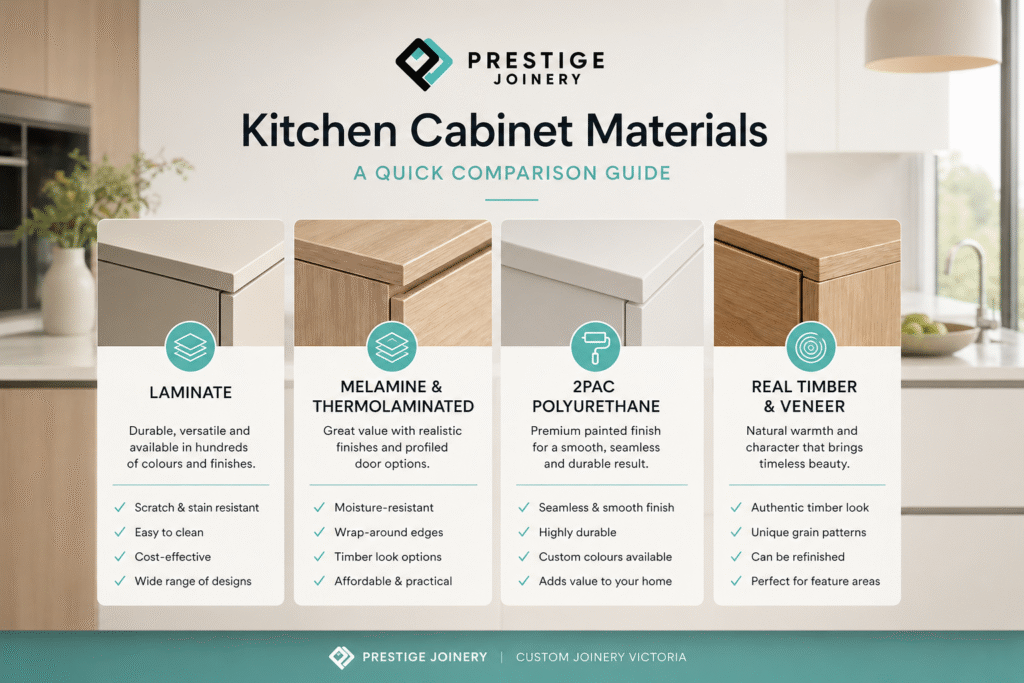
Understanding What Makes a Kitchen Cabinet Material Good
Before deciding what is the best material for kitchen cabinets, it helps to understand the qualities that matter most. Good cabinet materials should handle daily stress, resist damage, and maintain their appearance for many years.
A cabinet is more than its outer finish. The box, doors, drawers, and hardware all work together. A beautiful surface cannot make up for a weak cabinet structure.
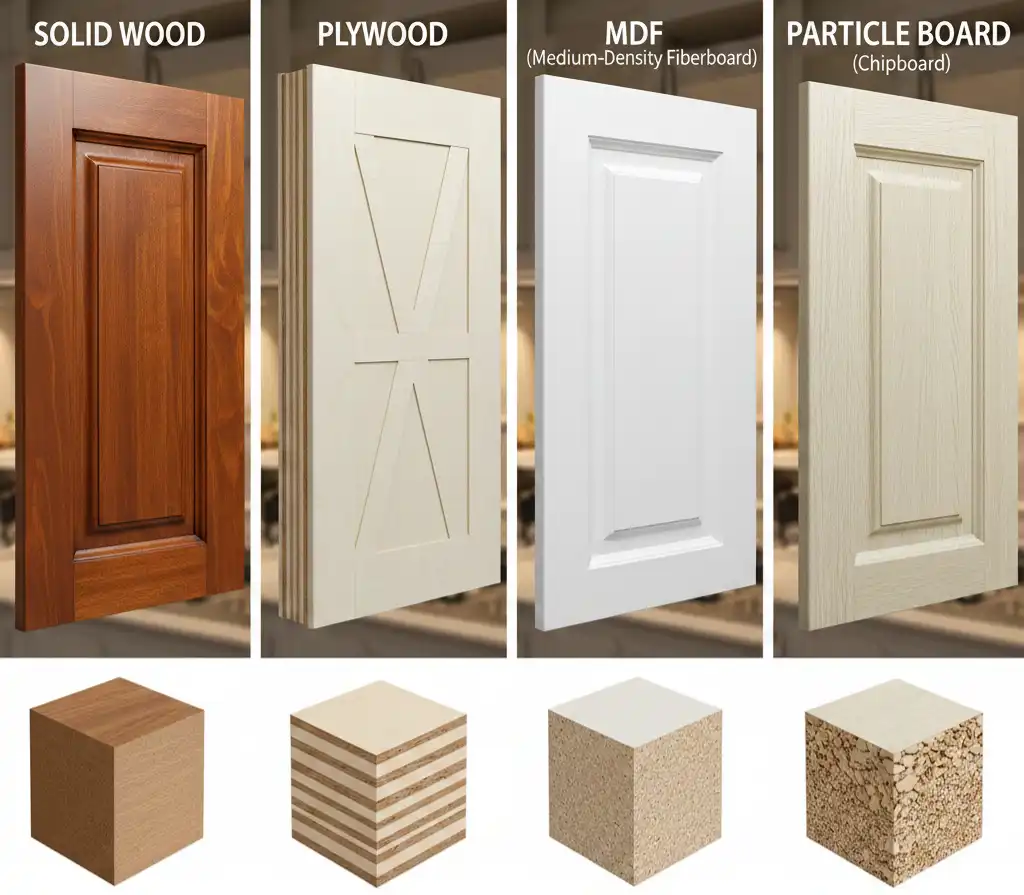
- ✦ Durability
Strong materials resist dents, warping, cracking, and damage from regular kitchen activities.
- ✦ Moisture resistance
Kitchen cabinets should handle humidity, spills, and occasional water exposure without swelling or breaking down.
- ✦ Appearance
The material should match your preferred style, from traditional wood designs to modern smooth finishes.
- ✦ Value
The best cabinet material gives you a good balance between upfront cost and long-term performance.
Plywood: The Best Overall Material for Kitchen Cabinets
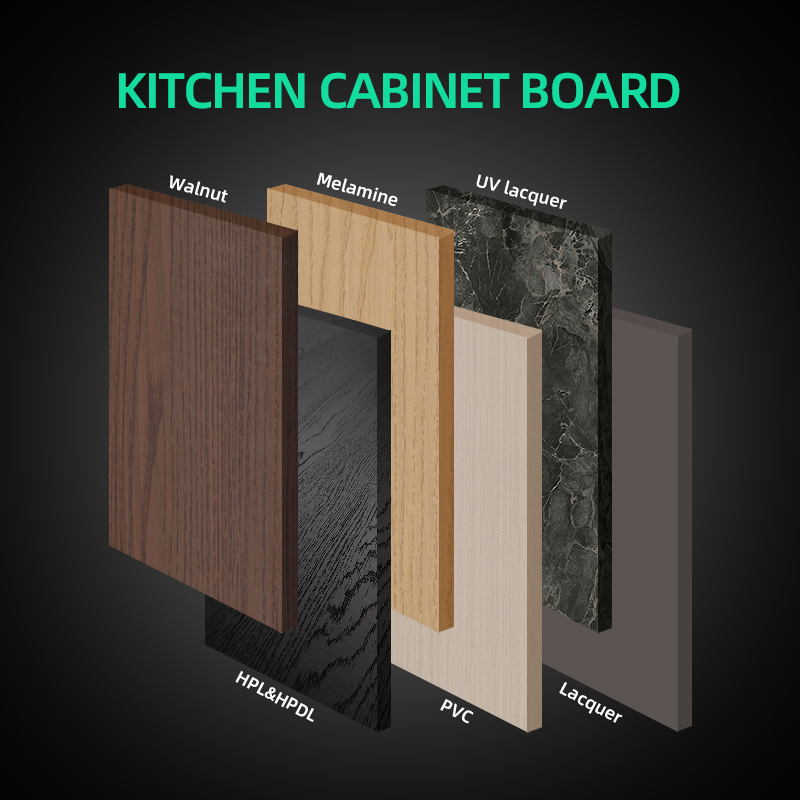
For many homeowners, plywood is the answer to what is the best material for kitchen cabinets. It is made by layering thin sheets of wood together, creating a strong and stable panel.
Plywood cabinets perform well in American kitchens because they can handle temperature changes and moisture better than many lower-cost materials. They are also lighter than solid wood, which helps with installation.
In my experience, plywood offers the best mix of quality and price for most kitchen renovations. It gives homeowners professional results without reaching the highest price levels.
- ✦ Advantages
Plywood is strong, durable, moisture resistant, and holds screws well for cabinet assembly.
- ✦ Limitations
High-quality plywood can cost more than MDF or particle board options.
Why plywood works well for busy kitchens
Daily kitchen use creates stress on cabinet joints and shelves. Plywood stays stable under this pressure and is less likely to sag when compared with weaker materials.
For families who cook often, store heavy cookware, or plan to stay in their home for many years, plywood is a reliable investment.
Solid Wood Cabinets: A Classic Premium Choice
Solid wood has been used for kitchen cabinets for generations. It offers natural beauty, unique grain patterns, and a warm appearance that many homeowners love.
When people ask what is the best material for kitchen cabinets for a luxury or traditional kitchen, solid wood is often considered. However, it needs proper care because natural wood can expand and contract with changes in humidity.
Wood cabinets can be refinished several times, which helps them remain attractive for decades.
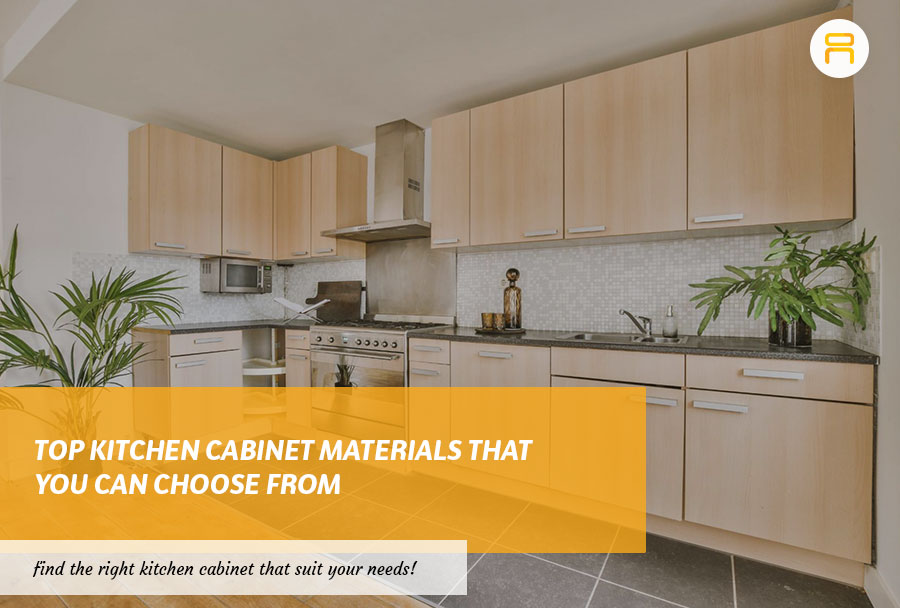
- ✦ Best features
Solid wood provides natural beauty, strength, and the ability to repair or refinish surfaces.
- ✦ Things to consider
Solid wood usually costs more and requires protection from moisture and extreme humidity.
MDF Cabinets: A Smooth and Affordable Option
Medium-density fiberboard, known as MDF, is made from compressed wood fibers. It creates a very smooth surface that works well with painted cabinet doors.
MDF is a popular choice for modern kitchens because it does not have natural wood grain that can show through paint. It offers a clean look at a lower price than solid wood.
When choosing what is the best material for kitchen cabinets on a budget, MDF can be a practical option, especially for homeowners who want painted finishes.

- ✦ Benefits
MDF provides a smooth finish, consistent texture, and affordable pricing.
- ✦ Weakness
Standard MDF can swell when exposed to significant moisture unless it has moisture-resistant treatment.
Particle Board and Laminate: Budget-Friendly Cabinet Choices
Particle board is made from compressed wood particles and is often found in affordable cabinet systems. It can work well for homeowners with a limited budget.
Laminate cabinets use a protective surface layer over a core material. They are easy to clean and available in many colors and patterns.
These materials may not match the lifespan of plywood or solid wood, but they can still be useful for rental homes, starter kitchens, or temporary upgrades.

- ✦ Particle board
A low-cost option that works best in dry areas and with careful use.
- ✦ Laminate
A practical finish that offers easy cleaning and many design choices.
When budget materials make sense
Not every kitchen requires premium materials. A homeowner planning a short-term stay may prefer saving money for other improvements.
The key is choosing a material that matches your needs instead of paying for features you may not use.
How to Choose the Best Kitchen Cabinet Material for Your Home
The answer to what is the best material for kitchen cabinets depends on your personal situation. A family kitchen, apartment kitchen, and luxury remodel may all need different solutions.
Think about how often you cook, how much storage you need, and how long you want your cabinets to last. These details help you avoid choosing only based on appearance or price.
- ✦ Consider your budget
Set a realistic budget and compare materials based on long-term value, not only initial cost.
- ✦ Think about maintenance
Choose materials that fit your cleaning habits and lifestyle.
- ✦ Match your design
Select a material that supports your preferred kitchen style and finish.