A cozy reading corner turns any small space into a calm retreat for books, rest, and quiet time.
The best cozy reading corner ideas combine comfort, soft light, smart storage, and personal style. Whether you have a full room, an empty bedroom corner, or a sunny spot beside a window, a few thoughtful choices can create a space that feels warm and inviting. This guide shares practical layouts, budget tips, design lessons, and comfort details that help a reading nook work in real life.
What Makes a Reading Corner Feel Cozy?
A cozy reading corner is a small, dedicated space designed for reading and relaxing. It usually includes a comfortable seat, good lighting, a place for books, and soft details that make you want to stay.
The goal is not to fill the area with decor. The goal is to remove small annoyances. A chair that supports your back, a lamp that does not cause glare, and a nearby table for tea can make the space feel effortless.
The most successful cozy reading corner ideas also match the way you read. A person who reads for ten minutes before bed needs a different setup from someone who spends three hours with a novel on Sunday afternoon.
Think of the corner as a small nest. Every item should support comfort, function, or mood.

Choose the Best Location
The right location can matter more than the size of the space. Look for an area with enough room to sit, turn pages, and stand without bumping into furniture.
Good locations include:
• A corner beside a window
• An unused area in a bedroom
• The end of a hallway
• A quiet section of the living room
• A wide landing at the top of a staircase
• A space beneath a loft bed
• An alcove beside a fireplace
Natural light is pleasant during the day, but direct sunlight can fade book covers and make a room too warm. A window with sheer curtains gives you brightness without harsh glare.
Try to avoid busy walkways. A reading corner beside the television or kitchen may look attractive, but noise can reduce the sense of calm. If you have limited options, use a tall bookcase, curtain, or folding screen to create visual separation.
One lesson I have learned from planning small reading spaces is to test the location before buying anything. Place a chair there for a day. Read at different times, check the light, and notice household noise. This simple test can prevent an expensive mistake.

Start With a Comfortable Seat
The chair is the heart of most cozy reading corner ideas. It should support your body while still feeling soft and welcoming.
Look for these features:
• A seat that lets your feet rest flat on the floor
• Back support that reaches your shoulders
• Enough width to shift positions
• Cushions that feel soft but do not collapse
• Arms that support your elbows
• Fabric that feels pleasant against your skin
An accent chair works well in a small room. A reading recliner offers extra support for long sessions. A chaise lounge gives you room to stretch, while a floor cushion creates a relaxed, casual look.
Do not choose a chair based on appearance alone. Sit in it for at least ten minutes if you can. Read a few pages on your phone or in a book. A chair can look beautiful online and still cause neck or back strain.
For extra comfort, add a lumbar pillow or a small footstool. A footrest can reduce pressure on your legs and help you maintain a relaxed position. If children will use the space, choose sturdy furniture with rounded edges and a stable base.

Add Layers of Soft Texture
Texture gives a reading nook its warm feeling. It also makes a plain chair feel more personal.
Useful layers include:
• A washable throw blanket
• One or two supportive pillows
• A soft area rug
• Fabric curtains
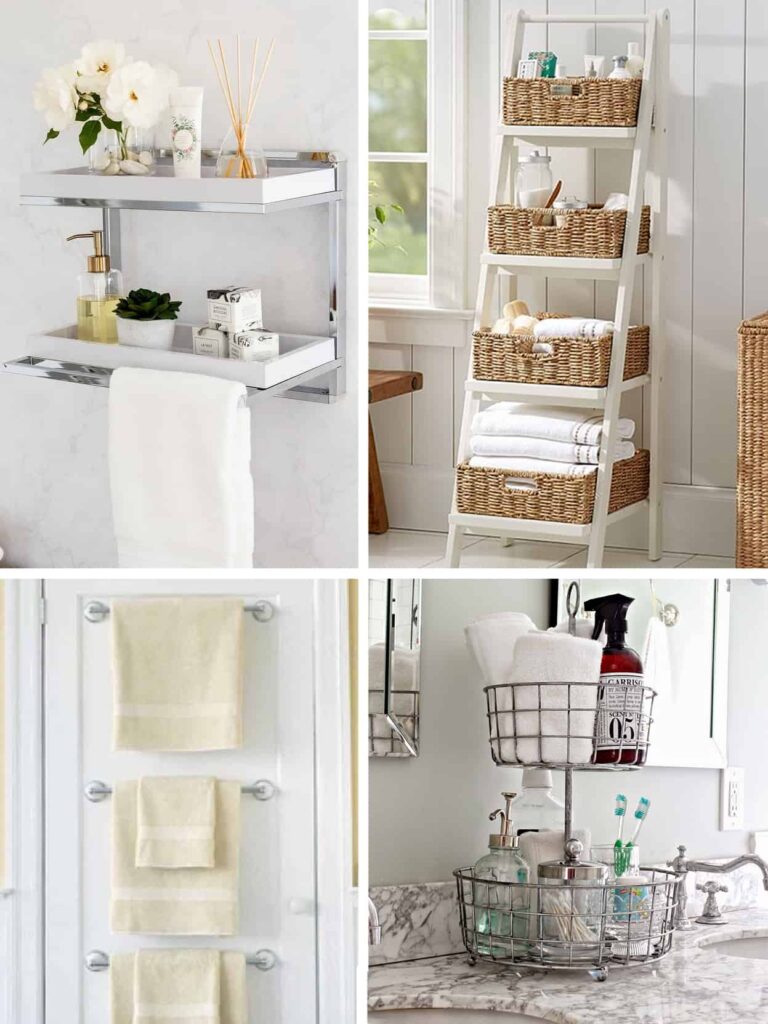
• A woven basket
• A padded seat cushion
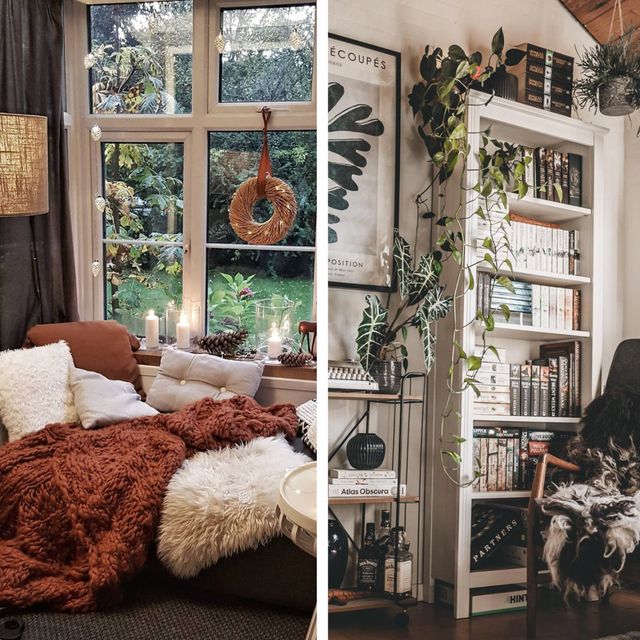
Choose materials that suit your climate. Cotton and linen work well in warm areas. Wool, fleece, and chunky knits create warmth in colder months. In a home with pets or young children, performance fabric and washable covers make daily care easier.
Use texture with balance. Too many thick blankets, pillows, and rugs can make a small corner feel crowded. A simple chair, one throw, and one rug may be enough.
A rug also helps define the reading area. Even a small round rug can make the chair feel like part of a complete zone rather than a random piece of furniture.
One practical mistake is choosing pale, delicate fabrics for a high-use reading corner. They may look lovely in photos but show every mark. Easy-care materials often create a more relaxing space because you do not worry about using them.
Plan Warm and Useful Lighting
Lighting is one of the most important cozy reading corner ideas because poor light can cause eye fatigue and reduce comfort. Your space should have enough light for clear text without creating glare.
Use two or three layers when possible:
• Natural light for daytime reading
• A floor lamp or table lamp for general light
• An adjustable reading light for focused light
A lamp with an adjustable neck lets you aim light at the page. Place it slightly behind and to the side of your reading shoulder. This position helps reduce shadows across the book.
Warm white bulbs often create a softer mood. A color temperature around 2700K to 3000K can feel comfortable in a relaxing room, while a brighter neutral light may work better for detailed tasks. The best choice depends on your eyes, room colors, and personal preference.
Avoid placing a bright lamp directly behind the book. Light may reflect from glossy pages and cause glare. Also avoid relying only on a ceiling fixture, which can create shadows and make the corner feel less intimate.
If you read before sleep, dimmable lighting can help you lower brightness at night. Keep cords secured along the wall, especially in homes with children or pets.
Create Smart Book Storage
Books should be easy to reach. Storage is one of the details that makes cozy reading corner ideas practical instead of decorative.
Consider these options:
• A narrow bookcase beside the chair
• Floating shelves above the seat
• A small cube shelf
• A rolling library cart
• A storage ottoman
• A wooden crate with smooth edges
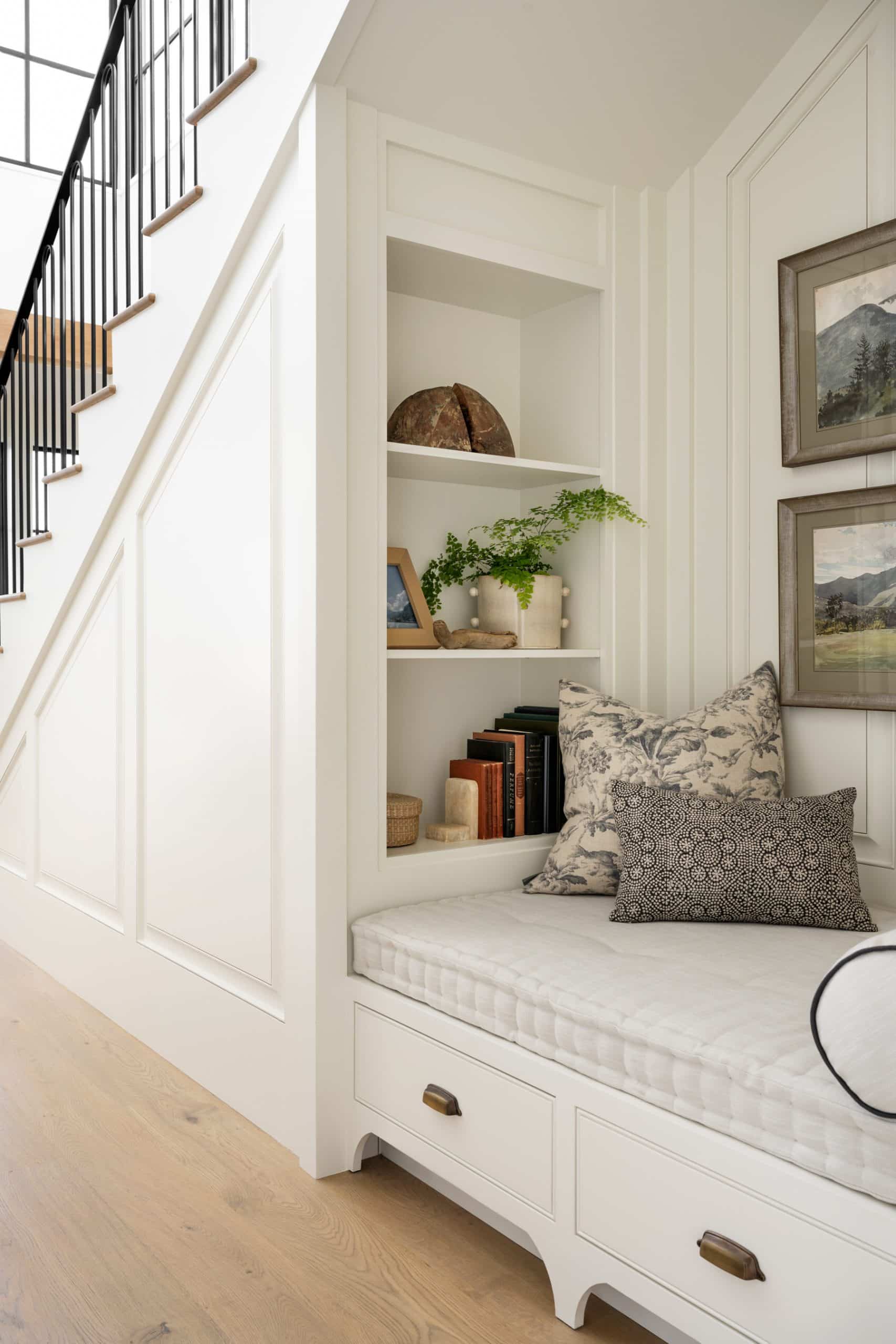
• A built-in shelf beneath a window
A narrow vertical bookcase saves floor space. Floating shelves create a lighter look, but they must be attached to wall studs or suitable anchors. Heavy books can place a strong load on weak hardware.
Keep your current reads at arm’s reach. Store less-used books higher up or in another room. You can also place a small basket beside the chair for magazines, bookmarks, and reading glasses.
Avoid stacking books where they can fall onto the seat or block a walkway. A beautiful pile may work for a photo, but stable shelves are safer and easier to use every day.
Use Color to Set the Mood
Color can change how a reading corner feels. Soft, natural shades often support a peaceful mood, while rich colors can make the space feel intimate and dramatic.
Popular color directions include:
• Warm white with tan and wood tones
• Sage green with cream
• Dusty blue with natural fiber accents
• Terracotta with warm beige
• Deep navy with brass or walnut
• Blush, oatmeal, and soft gray
You do not need to repaint the room. Add color through a pillow, lamp shade, rug, art print, or blanket.
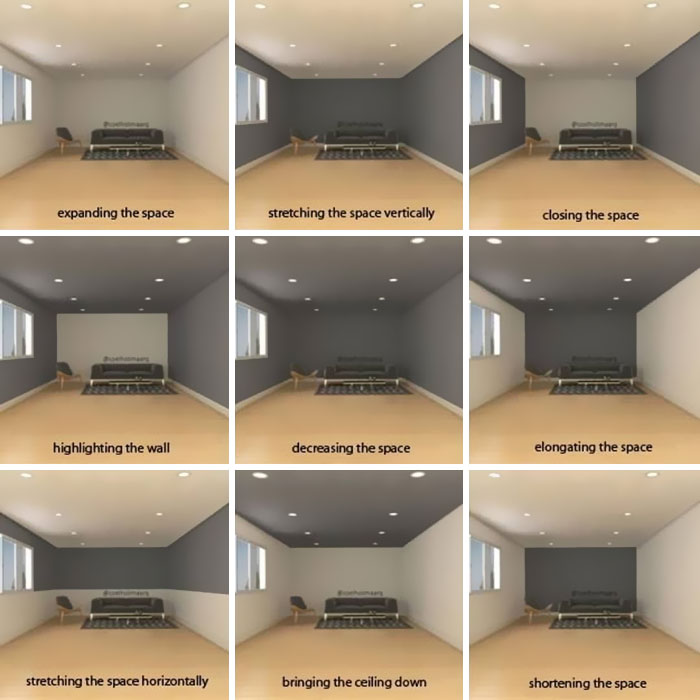
For a small reading corner, keeping the main furniture close to the wall color can make the area feel larger. Use one stronger accent color for character. This creates a calm look without making the corner dull.
Color also affects light. Dark walls absorb more light and can feel cozy, but they require stronger task lighting. Pale walls reflect light and may make a compact nook appear brighter.

Add a Small Side Table
A side table may seem minor, but it can greatly improve your reading routine. It gives you a safe place for a drink, book, lamp, phone, or pair of glasses.
Choose a table that is close to the height of the chair arm. This lets you reach items without twisting your body. A table with a drawer helps hide chargers and small items.
In a very small space, try:
• A C-shaped table that slides beneath the chair
• A wall-mounted shelf
• A narrow pedestal table
• A storage stool
• A slim nesting table
Leave enough space to move around the chair. A cramped table placement can make the area harder to clean and may create a tripping risk.
A coaster is also worth adding. It protects wood and keeps your reading corner looking cared for.
Make Small Reading Nooks Work
You do not need a large home for cozy reading corner ideas. A small space can feel special when each piece has a clear purpose.
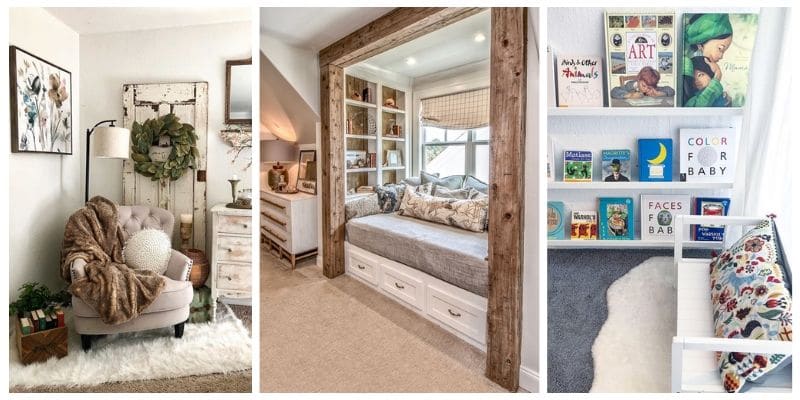
For a narrow nook, use a slim chair and vertical storage. A wall-mounted lamp can save floor space. For a bedroom corner, a compact chair beside a dresser may be all you need.
Under a staircase, try a low chair, wall shelves, and a plug-in sconce. Beneath a loft bed, add a floor cushion, a soft rug, and a clip-on reading lamp.
A bay window can become a natural reading nook with a fitted cushion and two washable pillows. Check that the window area stays dry and does not receive extreme heat.
In a shared living room, use a rug and lamp to mark the reading zone. This visual boundary tells the brain, “This is my quiet place,” even when the room has other uses.
Try Budget-Friendly Reading Corner Ideas
A cozy reading corner does not require designer furniture. You can build one slowly with items you already own.
Start with the basics:
-
Use an existing chair or dining chair with a thick cushion.
-
Add a blanket from another room.
-
Place a small stool beside it as a temporary table.
-
Move a floor lamp closer to improve light.
-
Add one plant, framed print, or favorite object.
-
Use a basket for books and supplies.
Secondhand stores can be useful for finding solid chairs, small tables, and wooden shelves. Check the frame, joints, fabric, and stability before buying. Avoid furniture with strong odors, mold, severe water damage, or unsafe wiring.
You can also refresh an old chair with a slipcover or new cushion. Paint a small table to match the room. Use removable wall hooks for lightweight art, but follow the weight limit on the package.
The most useful budget lesson is to spend first on the chair and lighting. Decorative pieces can come later. A lovely corner with an uncomfortable seat will not become a favorite place.
Personalize the Space
A reading corner should tell a small story about you. Add items that support the feeling you want, not items chosen only because they are popular.
Personal touches may include:
• A framed map of a favorite place
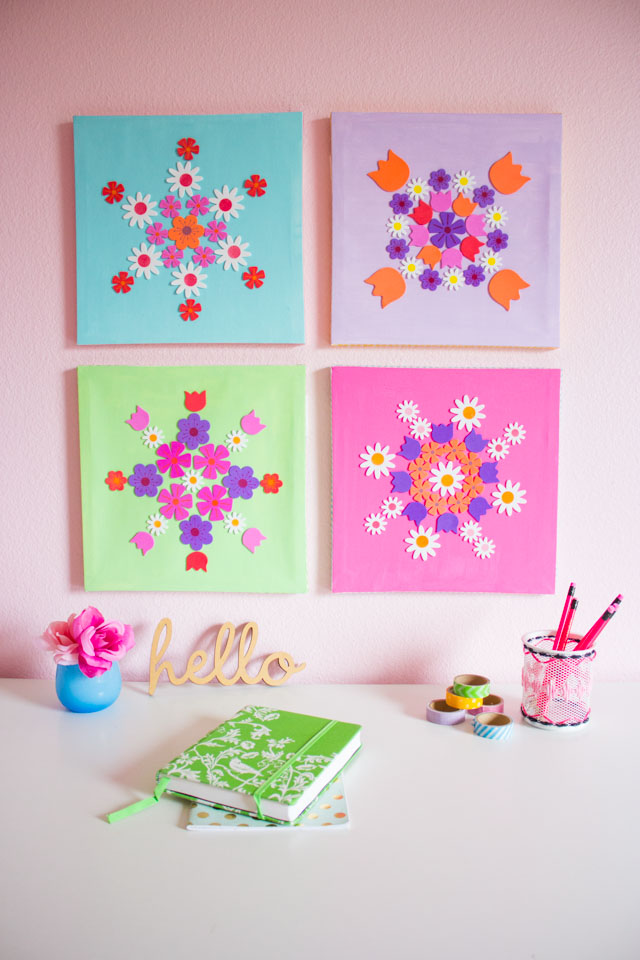
• Art inspired by a beloved book
• A handmade ceramic mug
• A small plant
• A family photograph
• A bookmark collection
• A journal for reading notes
• A scent-free candle used only when supervised
Plants can soften hard lines and bring life to the area. Choose varieties that match the available light and your care habits. Keep water away from lamps, outlets, and books.
Scent can affect mood, but strong fragrances may bother some readers or guests. A fresh, clean room often works better than heavy perfume.
I have found that the most inviting reading corners are rarely the most expensive ones. They usually include one meaningful object, such as a quilt from a family member or a shelf of books that shaped the reader’s life.
Improve Comfort and Reading Posture
A reading corner should feel restful, but comfort does not mean staying in one position for hours. Good posture and regular movement still matter.
Keep your book close enough that you do not bend your neck sharply. Support your lower back, and change position from time to time. If you read on a tablet, use a stand so you do not hold it in your lap for long periods.
Try these habits:
• Keep both feet supported when possible
• Relax your shoulders
• Hold books near chest level
• Use a pillow to support your arms
• Take short movement breaks
• Adjust the lamp instead of leaning toward the page
Eye discomfort may also come from dry air, glare, or long periods without looking away. Looking across the room from time to time can give your eyes a short break.
These tips do not replace medical advice. If you have repeated pain, headaches, blurred vision, or numbness, speak with a qualified health professional.
Avoid Common Reading Corner Mistakes
Even attractive spaces can fail when they ignore daily use. Watch for these common problems:
• Choosing a chair that is too deep or too low
• Using only harsh overhead lighting
• Placing books where they are hard to reach
• Blocking a heater or air vent
• Leaving loose cords across the floor
• Adding too many pillows
• Ignoring cleaning and dust
• Placing furniture in a busy walkway
• Forgetting a table for drinks and glasses
A reading corner should be easy to reset. If it takes ten minutes to put everything away, clutter will build up. Give each item a clear home.
Check the corner once a month. Tighten loose screws, dust shelves, inspect lamp cords, and wash removable covers. Small care tasks protect both comfort and safety.
Design a Cozy Reading Corner for Kids
Children’s reading spaces should feel fun, safe, and easy to use. Place books at a height children can reach without climbing.
Good choices include:
• A low bookshelf secured to the wall
• A washable floor mat
• A soft beanbag or sturdy chair
• A child-safe lamp
• Front-facing book ledges
• A small basket for picture books
Avoid heavy items above the seating area. Secure tall furniture to the wall, cover sharp corners, and keep cords out of reach. Use sturdy fabrics that can handle spills.
A small canopy can make the corner feel like a secret hideaway, but make sure it allows good airflow and does not cover lamps or heaters.
The best children’s reading corner ideas invite choice. Let children select some books, colors, and decorations. A space they help create often becomes a space they want to use.
How to Arrange a Reading Corner Step by Step
Use this simple plan to build your own space without feeling overwhelmed:
-
Measure the area, including wall width and walking space.
-
Test the location with a temporary chair.
-
Choose the main seat based on comfort and support.
-
Add a reading lamp and check for glare.
-
Place books within easy reach.
-
Add a small table or storage stool.
-
Layer one rug, blanket, or cushion.
-
Add personal decor with care.
-
Secure furniture and cords.
-
Sit in the space for a week and make small changes.
This method helps you design around real habits. You may discover that you need a larger table, brighter light, or less decor than you first expected.
Frequently Asked Questions About Cozy Reading Corner Ideas
How do I make a reading corner cozy?
Start with a supportive chair, warm lighting, and a soft layer such as a rug or blanket. Add a nearby table and a small amount of personal decor to make the space useful and inviting.
What is the best lighting for a reading nook?
Use an adjustable lamp aimed at the page from the side or slightly behind your shoulder. Warm white light around 2700K to 3000K often creates a comfortable mood, but brightness and glare control matter most.
Can I create a reading corner in a small room?
Yes. Use a slim chair, wall-mounted shelves, and a compact side table. A corner beside a window, under a staircase, or next to a bed can work well.
What chair is best for reading?
The best chair supports your back, lets your feet rest comfortably, and gives you enough room to change position. Test the chair before buying it, because comfort depends on your height and reading style.
How can I create a reading nook on a budget?
Use furniture you already have, then improve it with a cushion, blanket, lamp, and basket. Spend your budget on comfort and lighting before adding decorative accessories.
How do I make a reading corner safe for children?
Secure bookcases to the wall, cover sharp edges, hide cords, and choose stable furniture. Keep heavy decor away from the seating area and use lighting made for safe household use.
Should a reading corner have a rug?
A rug is not required, but it can define the space, soften the floor, and add warmth. Choose a washable rug with a nonslip pad when possible.
How much space do I need for a reading corner?
You need enough space for the chair, a safe path around it, and room to reach a lamp or table. Measure the furniture first rather than guessing from an empty corner.
Conclusion
The best cozy reading corner ideas focus on how the space feels and functions every day. Choose a comfortable seat, add clear and gentle lighting, keep books close, and use soft textures to create warmth. Even a tiny corner can become a peaceful retreat when each item has a purpose.
Start with one chair and one lamp this week. Spend time in the space, notice what feels awkward, and improve it step by step. Then share your favorite setup or explore more home design ideas to make your reading time even better.