Learning how to keep a bathroom dry is one of the easiest ways to protect your home and improve daily comfort. In many U.S. homes, bathrooms face constant moisture from showers, baths, sinks, and steam. Without proper care, extra moisture can lead to slippery floors, musty smells, and mold growth.
After years of reviewing home care methods, one thing becomes clear: a dry bathroom does not require expensive upgrades. Simple habits, such as opening airflow paths, using the right mats, and removing standing water, can keep a bathroom fresh and comfortable.

Why Keeping a Bathroom Dry Matters
A wet bathroom can create many problems over time. Water left on floors and walls can damage paint, wood, grout, and fixtures. Moist areas also create the right conditions for mold and mildew.
Knowing how to keep a bathroom dry helps protect your investment and creates a healthier space. A clean, dry bathroom also feels more comfortable for families, guests, and anyone using the room every day.
- ✦ Prevents mold growth
Dry surfaces make it harder for mold and mildew to grow in corners, grout lines, and hidden areas.
- ✦ Protects bathroom materials
Less moisture helps floors, cabinets, and walls last longer.
- ✦ Improves safety
Dry floors reduce the chance of slips and falls after showers or baths.
Common Causes of a Wet Bathroom
Most bathroom moisture comes from daily activities. Showers create steam, water splashes onto floors, and poor airflow keeps humidity trapped.
Small leaks, wet towels, and poor drainage can also add moisture. Finding the source is the first step in keeping your bathroom dry.
- ✦ Hot showers
Steam from hot water increases humidity and can leave moisture on walls and mirrors.
Improve Bathroom Ventilation to Remove Moisture
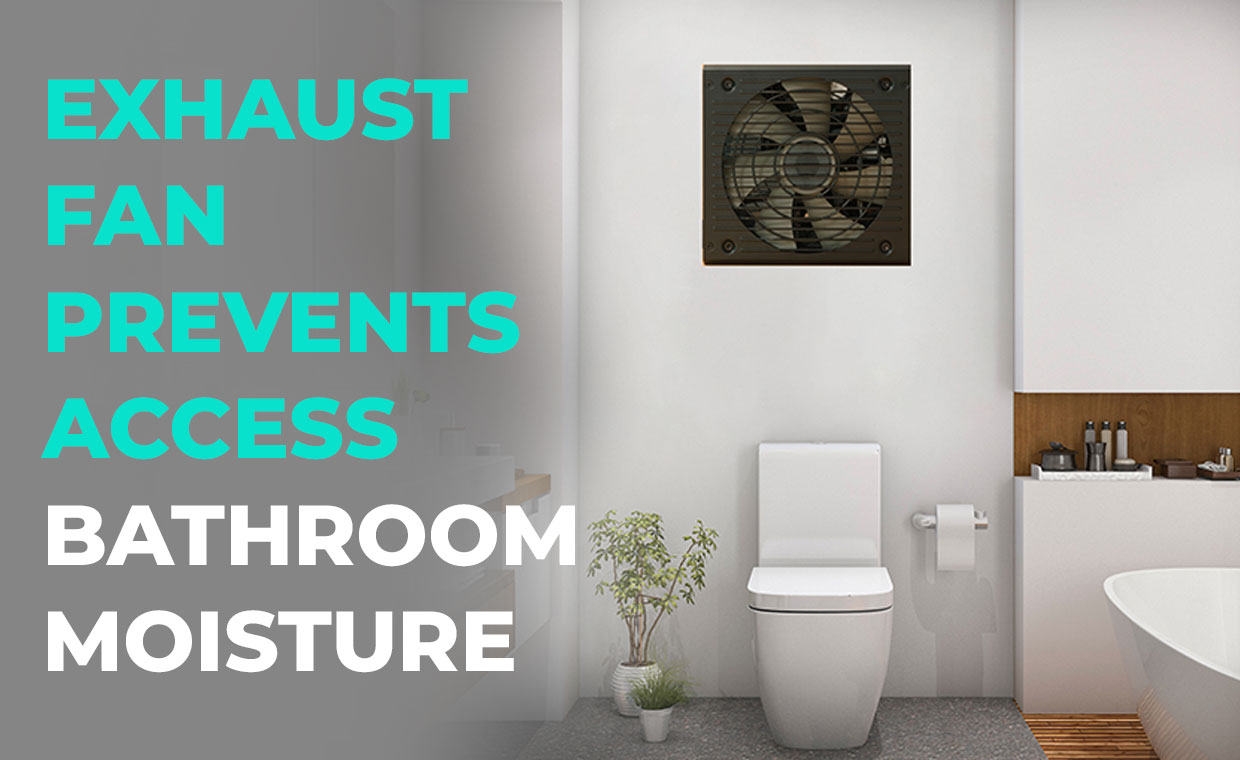
Proper airflow is one of the most important parts of how to keep a bathroom dry. A bathroom exhaust fan pulls humid air outside and helps fresh air move through the room.
In the U.S., many homes use bathroom fans, but they work best when used correctly. Run the fan during showers and keep it on for several minutes afterward to remove leftover moisture.
- ✦ Use an exhaust fan
Turn on the fan before showering and leave it running after you finish.
- ✦ Open doors or windows when possible
Fresh air helps reduce trapped humidity and speeds up drying.
Clean and Maintain Your Exhaust Fan
Dust can reduce fan performance. Clean the cover regularly and check that air moves properly through the vent.
A well-maintained fan is a simple tool that supports long-term moisture control.
- ✦ Check airflow
Place a tissue near the fan to see if it pulls air effectively.
Keep the Shower Area Dry After Every Use
The shower area is the biggest source of bathroom moisture. A few extra steps after every shower can greatly improve dryness.
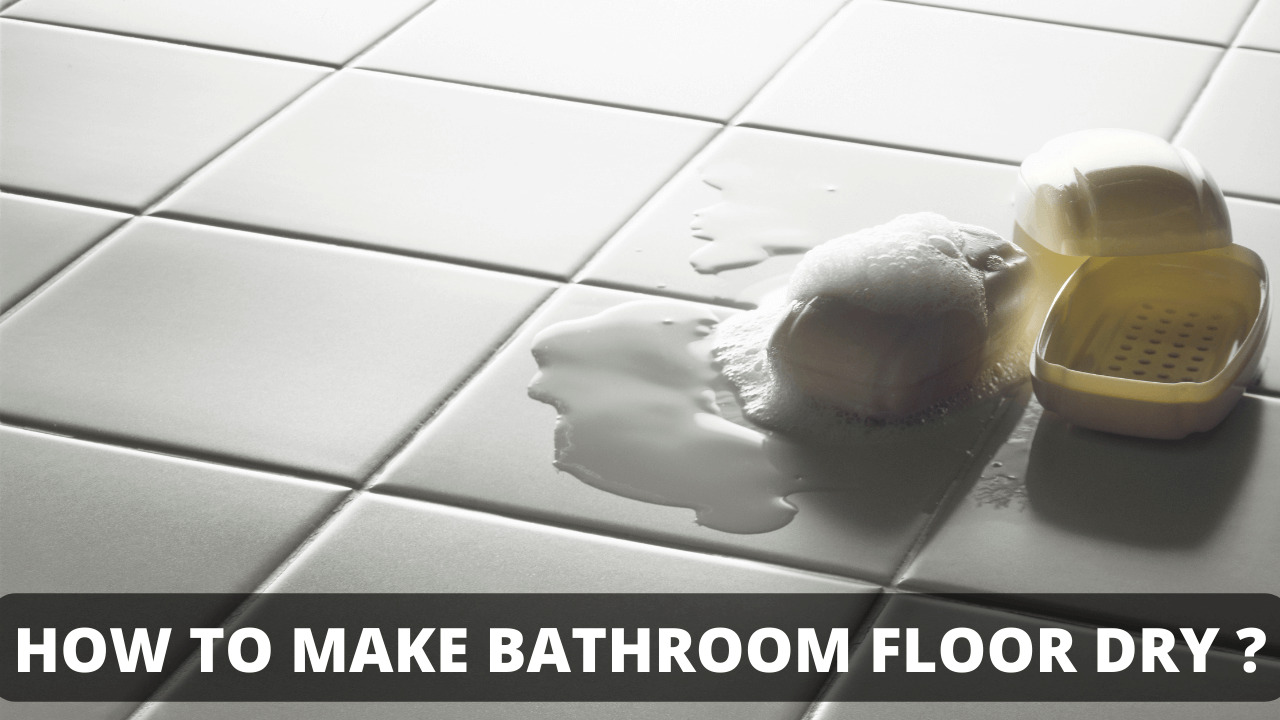
When looking at how to keep a bathroom dry, focus on removing water before it has time to sit. This habit takes less than a minute but prevents many problems.
- ✦ Use a shower squeegee
A squeegee removes water from glass doors and tile walls quickly.
- ✦ Close shower curtains properly
Keep water inside the shower area to reduce floor splashes.
- ✦ Dry wet surfaces
Use a towel to wipe puddles around the shower and sink.
Choose the Right Bathroom Mats
A good bath mat absorbs water and protects the floor. Choose mats that dry quickly and wash them often to prevent odors.
Avoid leaving soaked mats on the floor for long periods because they can trap moisture underneath.
- ✦ Quick-dry materials
Microfiber and absorbent fabrics help remove water faster.
Control Humidity and Bathroom Condensation
Humidity is often the hidden reason a bathroom stays wet. Even when floors look dry, moisture may remain in the air and settle on cold surfaces.
Controlling humidity is a key part of how to keep a bathroom dry. Use ventilation, reduce long periods of steam, and consider a dehumidifier if your bathroom stays damp.

- ✦ Use a dehumidifier
A small bathroom dehumidifier can help remove extra moisture from the air.
- ✦ Avoid excessive steam
Shorter showers with moderate water temperatures create less humidity.
Signs Your Bathroom Has Too Much Moisture
Foggy mirrors that stay wet, peeling paint, and musty smells may indicate excess moisture.
Fixing these issues early can prevent larger repair costs later.
- ✦ Wet walls
Constant dampness on walls may show poor ventilation.
Create Daily Habits That Keep Your Bathroom Dry
Small routines are the foundation of a dry bathroom. Many homeowners focus only on cleaning, but moisture control starts with daily actions.
A few minutes each day can keep water from building up and make weekly cleaning easier.
.png "Why & How to Keep a Bathroom Dry – Tips for a Healthy Home")
- ✦ Hang towels properly
Spread towels out so they dry faster instead of staying damp.
- ✦ Fix leaks quickly
Repair dripping faucets and pipes to stop constant moisture.
- ✦ Keep surfaces clear
Remove bottles and items that collect water underneath.
A Simple Bathroom Drying Routine
After a shower, run the fan, wipe wet areas, hang towels, and leave the door open if safe. These steps create a habit that keeps moisture under control.
This simple routine is one of the most practical answers for how to keep a bathroom dry.
- ✦ One-minute cleanup
Quick drying after use prevents larger moisture problems.