
Anchor the rug under the bed so the front legs sit on it for balance.
I’ve arranged dozens of bedrooms and tested rug layouts in small and large rooms. This guide shows exactly how to place area rug in bedroom with clear rules, common layouts, size charts, and practical tips you can use today. You will learn what works for each bed size, how far a rug should extend, what rug pads to pick, and which mistakes to avoid. Read on to get confident results and a cozier bedroom.
:max_bytes(150000):strip_icc()/right-size-area-rug-for-bedroom-350698-8615a8f66ae846159199c384040de351.png)
Why rug placement matters and how to place area rug in bedroom
A rug pulls a room together. It adds warmth, sound control, and a clear visual anchor for furniture. How you place an area rug changes how big the room feels and how comfortable the bed area will be to step onto. Good placement also protects floors and extends the life of your rug and furniture.
:max_bytes(150000):strip_icc()/organize-bedroom-julie-soefer-1219-168792590d5843cebfeaba38748cbcce.jpg)
Choose the right rug size for your bedroom and how to place area rug in bedroom
Picking the right size is the first step to getting placement right. A too-small rug looks lost. A too-large rug can overwhelm the space. Here are simple, practical rules I use every time.
- Standard guidelines for rug size
- Small bedrooms or twin beds: 4 x 6 or 5 x 8 rug. Place with the rug centered at the foot and sides, leaving space around edges.
- Full/Double and Queen: 8 x 10 or 9 x 12 rug. Aim for at least 18 inches of rug showing on each side of the bed. The rug should extend beyond the foot of the bed.
- King: 9 x 12 or 10 x 14 rug. Place so front legs of nightstands or bed sit on the rug, with 18–24 inches of rug around sides.
- Rule of thumb distances
- At least 18 inches of rug past bed sides for balance.
- If you prefer all four legs on the rug, choose a rug that reaches past the headboard and extends 24 inches beyond the foot.
- Small rooms and runner option
- Use two bedside runners if a large rug won’t fit. Place one runner on each side, running from near the head to past the foot.
I learned in a small apartment that a 5 x 8 under a queen felt too small. Upgrading to an 8 x 10 made the room feel calmer and larger.
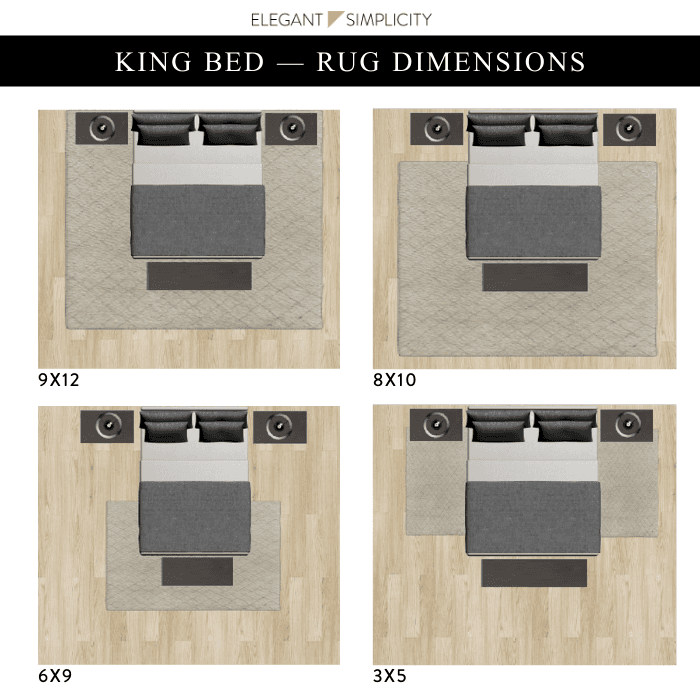
Five common placement layouts for area rugs in bedroom and how to place area rug in bedroom
- Bed with rug under all four legs
- Use when you have space for a large rug. It anchors the bed and nightstands. This gives a hotel-like feel and works well in master bedrooms.
- Bed with only front legs on the rug
- The most flexible layout. Place a medium rug so the front two-thirds of the bed sits on it. This option keeps warm feet and looks balanced.
- Rug at the foot of the bed
- A shorter rug sits entirely at the foot. It’s good for small rooms. It adds texture without needing a large rug.
- Two bedside runners
- Place thin rugs on each side of the bed. This works in tight rooms or with narrow layout constraints.
- Rug centered in the room (not under bed)
- This layout works when the rug is a focal decor piece. Keep walking paths clear and ensure the rug doesn’t create a tripping edge.
Each layout answers a different need. I often try layout two first. It usually balances style and cost.
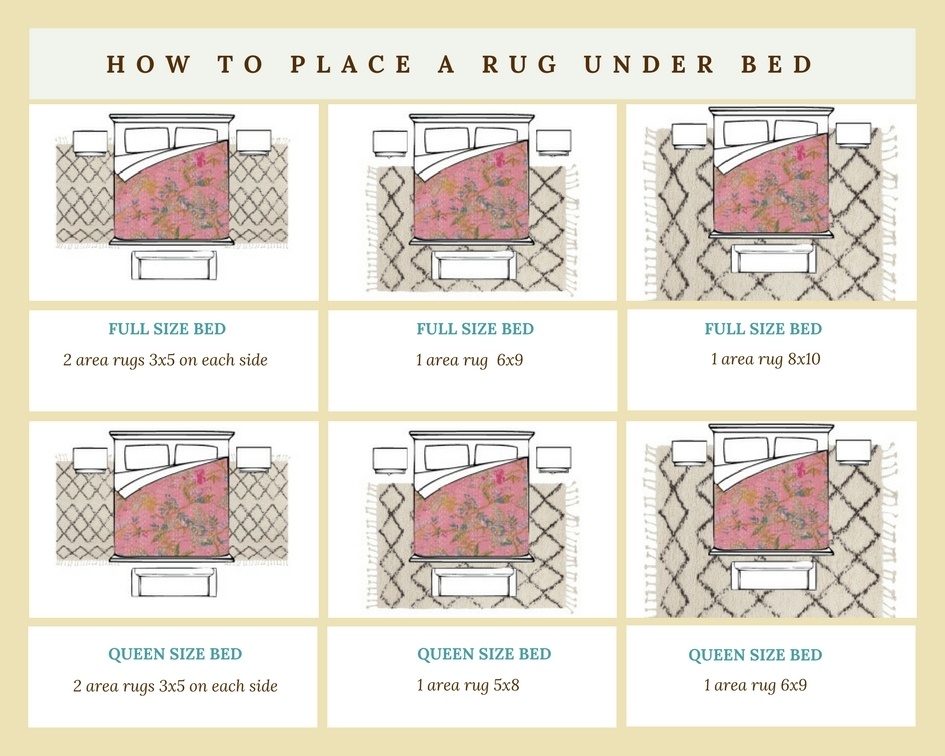
Step-by-step guide: how to place area rug in bedroom
Follow these steps for a quick, reliable setup.
- Measure the room and bed
- Measure wall-to-wall, bed length, and space on each side.
- Choose a rug size
- Use the size rules above to pick a rug.
- Clear the floor and test placement
- Move furniture slightly. Lay the rug in place to test the look.
- Position the rug under the bed
- For front-legs-on layout, align the rug so the top edge sits under the nightstand or just under the bed frame.
- Adjust spacing equally
- Make sure equal rug shows on each side of the bed. Stand back and check from the doorway.
- Add a rug pad
- Place a proper pad under the rug to keep it from slipping and to protect floors.
- Final touches
- Replace nightstands and chairs. Smooth any ripples. Walk around the room to confirm comfort and balance.
When I set a guest room, I always test position with the bed stripped. That simple step saved me a redo later.

Material, pile, and pad choices for how to place area rug in bedroom
Choose materials based on use and comfort. Here’s what I recommend.
- Fiber choices
- Wool: soft, durable, naturally stain resistant. Great for bedrooms.
- Cotton: easy to clean, casual look, less plush.
- Synthetic (polypropylene, polyester): budget friendly, stain resistant, can feel less luxurious.
- Jute or sisal: textured natural look, best for low-pile layouts or layered rugs.
- Pile height
- Low pile: better under dressers and for heavy foot traffic.
- Medium pile: good balance of comfort and stability.
- High pile (shag): very comfy, but may make furniture wobble if legs sink in.
- Rug pads
- Always use a pad sized to the rug. Pads prevent slipping, add cushion, and help the rug lie flat.
- Choose pad thickness based on pile. Thin pads under low pile, thicker under medium pile.
I prefer a wool rug with a medium pile and a dense pad. That combo feels soft and stays in place.
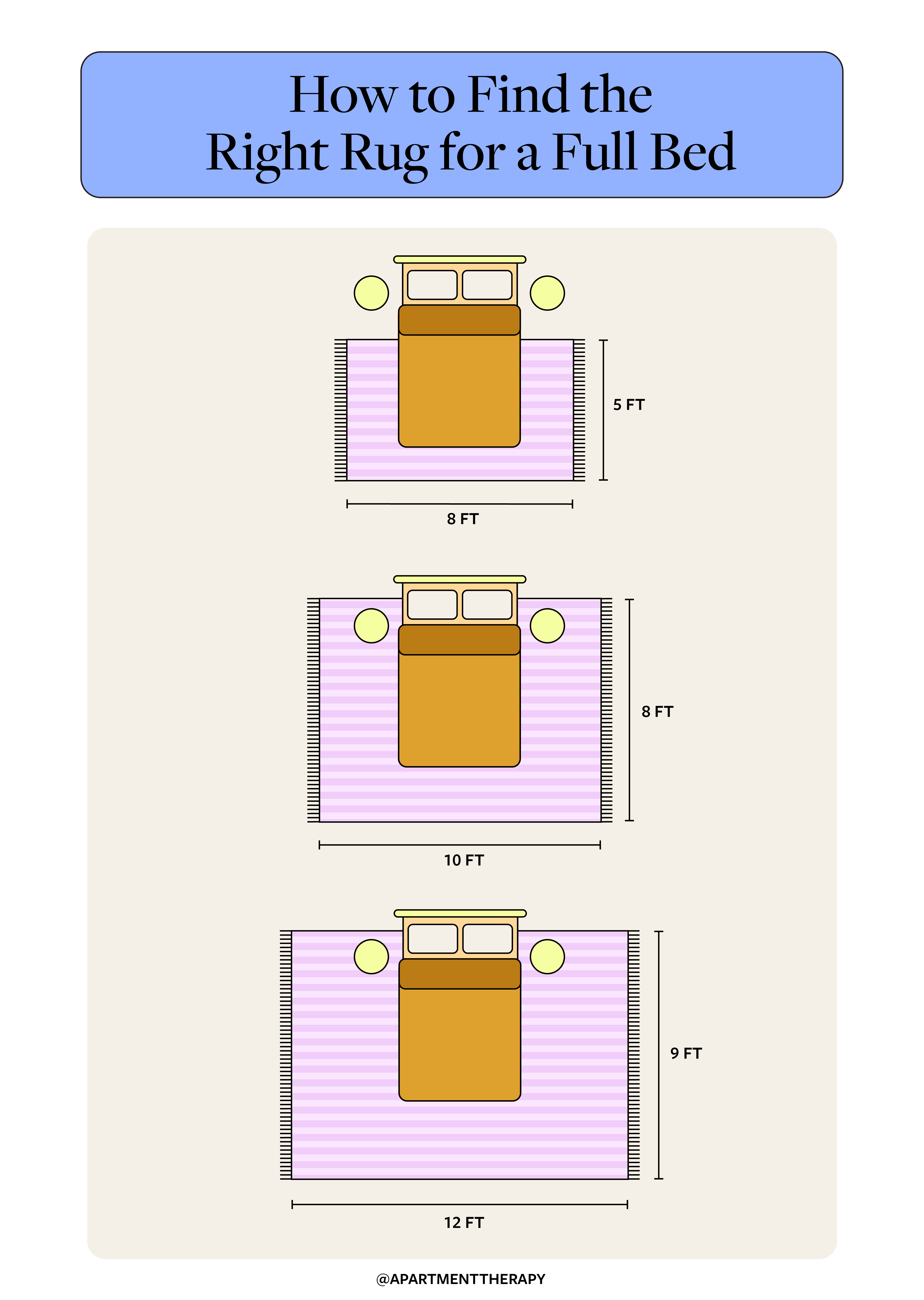
Styling tips and mistakes to avoid when learning how to place area rug in bedroom
Avoid these common errors and follow quick style tips.
- Mistakes to avoid
- Choosing a rug that’s too small for the bed. It looks awkward.
- Letting the rug float in the middle of the room with odd spacing.
- Skipping a pad. That leads to slips and wear.
- Styling tips
- Align rug with bed, not the room, in most bedroom layouts.
- Let the rug extend at least 18 inches on each side for a balanced look.
- Layer rugs for texture if the room feels flat.
- Coordinate rug color and scale with bedding and curtains for a cohesive look.
Once, I placed a rug too close to the wall. It made the bed look off-center. Moving it 6 inches outward fixed the whole room.

Maintenance and care for area rugs in bedroom and how to place area rug in bedroom
Care keeps the rug looking new and helps placement last.
- Regular care
- Vacuum weekly to remove dust and keep pile even.
- Rotate the rug every 6–12 months to even out wear.
- Spot cleaning
- Blot spills immediately. Use mild soap and water for most stains.
- Deep cleaning
- Have a wool rug professionally cleaned every 1–2 years. Synthetic rugs can often go through a home machine if the size allows.
- Protect edges and furniture
- Use felt pads on heavy furniture legs to prevent indentations.
- Replace pad if it compresses and no longer supports the rug.
If a rug wrinkles after moving, roll it with the pile direction and let it settle for a day. Most creases flatten naturally.
:max_bytes(150000):strip_icc()/SPR-queen-bed-rug-size-5080061-hero-69a538911fd141f7b8f6b471111e602f.jpg)
Frequently Asked Questions of how to place area rug in bedroom
How far should a rug extend from the sides of the bed?
Aim for at least 18 inches on each side of the bed for balance and comfort. For a more luxurious look, extend 24 inches where space allows.
Can I use a runner instead of a full rug?
Yes. Runners work well on each side of the bed or at the foot when room size limits a single large rug. Two matching runners create a cohesive look.
Should the nightstands be on the rug?
If possible, place the nightstands on the rug or at least their front legs on it. This anchors the bed area visually and prevents awkward gaps.
Is a rug pad necessary under the rug?
Yes. A pad prevents slipping, cushions feet, and reduces wear on both rug and floor. Choose pad thickness to match pile height.
Will a high-pile rug make furniture unstable?
High-pile rugs can cause small furniture to wobble or sink. Use a firmer pad or choose a medium pile for better stability.
How do I choose rug size for a small bedroom?
Choose a rug that extends at least 18 inches from the bed sides if space allows. If not, use two runners or a rug at the foot to add texture without crowding.
Conclusion
A well-placed rug makes a bedroom feel complete, cozy, and balanced. Use the size rules, test a few layouts, add a pad, and keep care simple. Start by measuring and choosing a rug that lets the bed lead the layout, then tweak placement until it feels right. Try one change this weekend—swap the rug or shift it slightly—and notice how it changes the room. Share your results or ask a question below to get tailored advice.