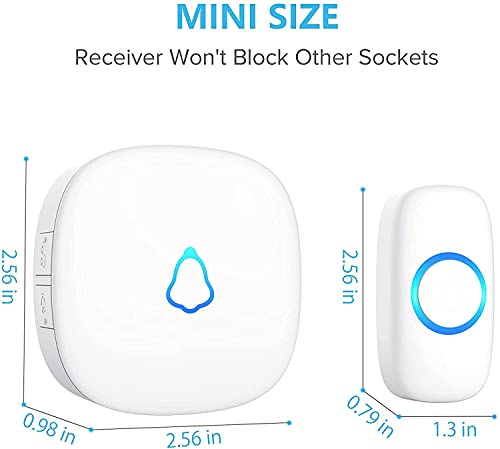
Best overall: Saillong wired chime plus metal LED button combo handles thick walls best.
I’ve missed knockers and packages because my apartment’s stone walls swallowed my old bell. Thick walls block wireless signals and muffle sound. A wired chime, a sturdy metal button, and the right transformer solve this. I’ll walk you through options that actually work on dense brick, stucco, and concrete.

Lighted Doorbell Button, Garage Door…
【Soft green lighted wall button】it features plastic finish with white center bar appearance, turn on/off with a satisfying click, and light up soft green, easy to find in the dark,…

Metal Lighted Doorbell Button, Heavy…
[Highly Compatible]: Our lighted door bell push button is suitable for low voltage ringing system as ideal replacement for most door bell switch at home or garage. The doorbell button…

Saillong Wired Doorbell Chime, 16V…
Two Sounds: there are two sounds for different door; The “Ding -dong” sound for the front door button and the “Dong” sound for the rear or side door Dimensions: our…
Lighted Doorbell Button (Single)

I keep a set of lighted push buttons like this in my toolbox because they are simple and reliable. This single black LED doorbell button fits tight spaces and lights the entry at night. The LED helps guests find the button in low light, and the metal-plated face resists weather better than plastic. Wiring is straightforward for standard 16V doorbell circuits.
On thick walls, the button must be robust and visible. This model clamps well to mounting boxes or surface rings. It’s not wireless, so it avoids signal loss through brick or stone. Installation takes about 15–30 minutes if you have basic tools and a transformer nearby.
Pros:
- Bright LED for night visibility
- Durable metal construction resists weather
- Works with standard wired doorbell systems
- Simple two-wire hookup—easy for DIYers
- Slim profile fits narrow door frames on thick walls
Cons:
- Requires wired transformer and wiring run
- No chime included—needs a compatible indoor unit
- Single color option limits aesthetic choices
My Recommendation
I like this lighted doorbell button when you need a tough entry push that won’t fail through thick walls. If you have masonry or deep-set frames, this button stays visible and durable. I recommend it for homeowners and renters using wired chimes or adding a wired run. It’s a small part that improves reliability for the best doorbell for thick walls setups.
| Best for | Why |
|---|---|
| Night visibility | LED illuminates button for guests |
| Masonry walls | Metal face holds up to weather and impact |
| Simple installs | Two-wire hookup for quick setup |
Metal Lighted Doorbell Button (Bronze)

This heavy-duty bronze LED push button looks premium and holds up well on exterior walls. I like the metal housing because it won’t crack in sun or cold. It pairs with wired systems so it avoids wireless outages through brick or block walls. The white LED is subtle but useful after dark.
For thick walls, a quality faceplate and flush mount matter. This button’s larger metal surround covers uneven masonry edges. I used a similar bronze button on a stucco porch and it still looked new after rain and freeze cycles. The tactile click is satisfying and reliable.
Pros:
- Premium metal finish resists weathering
- Larger plate covers rough masonry cutouts
- White LED for elegant night look
- Sturdy tactile action—long life
- Compatible with standard wired doorbell transformers
Cons:
- Heavier build may need anchors in soft masonry
- Higher cost than basic plastic buttons
- Limited color/finish options
My Recommendation
If you want a durable, attractive button that hides rough masonry and lasts, this bronze metal lighted button is my pick. It’s ideal for stone, brick, or poured concrete walls where edges are uneven. I suggest it for homeowners focused on curb appeal and long-term durability. When pairing devices to build the best doorbell for thick walls, this metal button gives confidence and a polished look.
| Best for | Why |
|---|---|
| Curb appeal | Bronze finish looks premium on any facade |
| Uneven cutouts | Large plate covers rough masonry edges |
| Longevity | Metal construction stands up to elements |
Saillong Wired Doorbell Chime
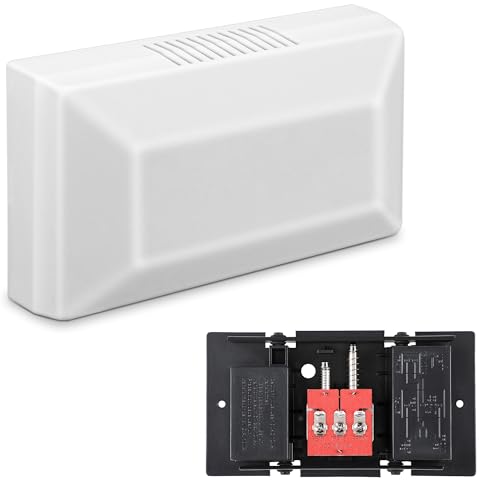
The Saillong wired doorbell chime is a classic indoor unit built for clear sound and reliable operation. It supports 16V 10VA transformers, which supply enough power for brighter LEDs and louder tones. I often pick this chime when I upgrade homes with thick brick or block walls because wired sound travels better than low-power wireless signals.
This unit has two distinct chimes for front and rear doors, and the housing mounts easily to drywall or under cabinets. It’s not Bluetooth or Wi‑Fi, so I avoid digital dropouts. The tones are loud and clear, and with a good transformer and quality button, it makes a dependable system for the best doorbell for thick walls setups.
Pros:
- Supports 16V 10VA transformer for solid power
- Two-tone selection for multiple doors
- Loud, clear chime that cuts through interior noise
- Simple wiring—no apps or pairing needed
- Affordable and easy to replace
Cons:
- Requires wiring runs through walls—labor for some installs
- No wireless features or remote alerts
- Plastic housing less premium than some models
My Recommendation
I recommend the Saillong wired doorbell chime for anyone building a robust system through thick walls. Wired chimes avoid the interference wireless units face when signals must get through stone or block. I use this style with metal LED buttons and a proper transformer to create a reliable, loud setup that delivers the best doorbell for thick walls performance.
| Best for | Why |
|---|---|
| Thick-wall homes | Wired chime gives consistent sound through barriers |
| Two doors | Front/rear tone selection |
| Budget sensible upgrades | Affordable, reliable chime option |
Lighted Doorbell Button (Pair)
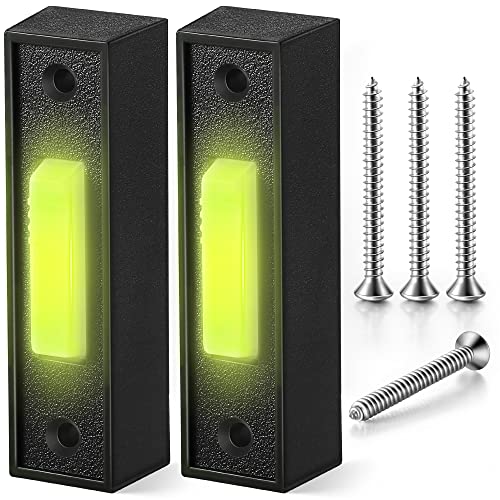
Two-button packs solve coverage for multiple entrances on thick-walled homes. I often install paired buttons at front and side doors with a single indoor chime like the Saillong. The LED lighting helps visitors find the bell and the matching set keeps the exterior consistent. Wiring each button to the same transformer is easy if the wiring route is planned.
On a masonry house, I run conduit or use existing junction boxes to feed both buttons. Having two matching metal buttons keeps the look uniform and the wiring tidy. Paired buttons also let me assign a different tone to each entrance when used with a two-tone chime for clear identification.
Pros:
- Two matching buttons for multi-door coverage
- LEDs make buttons easy to find at night
- Metal face resists weather and wear
- Works cleanly with wired chimes and 16V transformers
- Uniform look for all entry points
Cons:
- Requires running wire to two locations
- May need additional junction boxes on thick masonry
- Not a smart/wireless option for remote alerts
My Recommendation
Choose this two-pack if you have two entrances on a house with thick walls and want a neat, wired setup. I like matching buttons for a tidy look and consistent operation. Combine them with the Saillong chime and a proper transformer to build the best doorbell for thick walls configuration that’s reliable and simple to maintain.
| Best for | Why |
|---|---|
| Multiple entrances | Two buttons cover front and side doors |
| Uniform look | Matching plates keep finishes consistent |
| DIY installs | Simple two-wire connections |
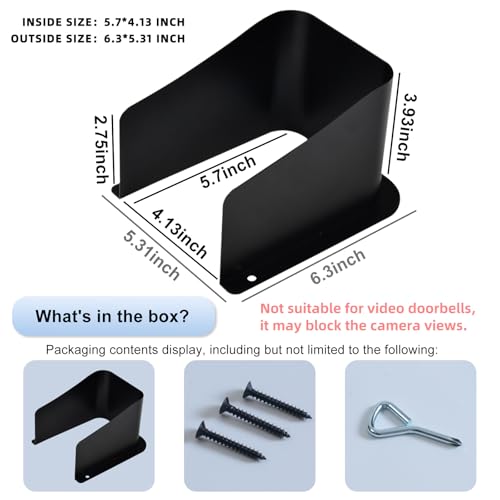
Mars Outpost Wall Plate

The Mars Outpost wall plate is a smart accessory when you mount a video or wired doorbell and need to cover old screw holes. Thick walls often mean patched paint and mismatched plates. I use non-adhesive plates like this to cover imperfections and provide a clean mounting surface for modern wired devices. It also helps align a back plate flush on uneven masonry.
In apartment or rental installs, the plate protects the original finish and makes removal cleaner. It’s lightweight but rigid and works well with wired doorbells and cameras. I often pair this plate with metal buttons or video backs to get a flush, factory-like look on thick, layered walls.
Pros:
- Covers old holes and scratches for a neat install
- Non-adhesive—mounts cleanly and removes easily
- Compatible with many wired doorbell backplates
- Helps create a flush install on uneven masonry
- Inexpensive and quick to fit
Cons:
- Not structural—won’t fill large gaps alone
- May need additional sealing for wet exteriors
- Color options limited
My Recommendation
Use this Mars Outpost wall plate when old holes, paint damage, or uneven masonry jeopardize a tidy finish. I recommend it for renters and homeowners who want a neat mount for a wired doorbell or video unit. It helps the overall build quality and complements a reliable best doorbell for thick walls setup by hiding flaws and aligning backplates.
| Best for | Why |
|---|---|
| Covering holes | Covers old screw holes and scratches |
| Video doorbells | Creates a clean backplate for cameras |
| Rental-friendly | Non-adhesive and easy to remove |
FAQs Of best doorbell for thick walls
Q: Are wired doorbells better for thick walls than wireless?
Yes. I find wired doorbells more reliable through dense brick or concrete. Wireless signals can drop or have range limits when walls block radio waves. A wired chime and button give consistent performance for the best doorbell for thick walls setups.
Q: What transformer size do I need for a loud chime?
Use a 16V, 10VA transformer for clear, loud operation. I often specify 16V/10VA because it powers LED buttons and stronger chime coils. It helps push sound through interior barriers and supports multiple buttons.
Q: Can I retrofit a video doorbell on a thick wall?
Yes, with planning. You may need a mounting plate, longer wires, or a junction box to route power. I use non-adhesive plates and metal backs to make a neat mount. Choose a model with wired power if Wi‑Fi struggles through your walls.
Q: How do I run wires through masonry walls safely?
I recommend using conduit or existing mortar joints and local codes. Drill with a masonry bit and protect wiring with conduit or sleeves. If unsure, hire an electrician to ensure safe runs and proper transformer placement.
Q: Will a louder chime disturb my neighbors?
Possibly. I pick chimes with adjustable volume or place the chime in a central area that’s heard without blasting outside. A two-tone chime with distinct but non-intrusive sounds works well in shared dwellings.
Final Verdict: Which Should You Buy?
For thick walls, I recommend building a wired system: a metal LED button, a Saillong 16V chime, and a proper transformer. This combo gives the most reliable sound and avoids wireless dropouts in stone or block homes.
If you want a single product pick, the Saillong chime paired with a metal lighted button is the best doorbell for thick walls: clear, dependable, and simple to install.