Take expired fire extinguishers to a hazardous waste site, fire department, or retailer for safe disposal.
I have worked with fire safety teams and waste handlers for years, so I know the limits and the risks. This guide answers how do you dispose of expired fire extinguishers step by step. You will learn safe methods, local options, what not to do, and real-world tips I use in the field. Follow this to protect people, property, and the planet.

Why proper disposal matters
Expired fire extinguishers can be risky. They hold compressed gas and sometimes dangerous chemicals. If you throw one in the trash, it can rupture or leak. Proper disposal keeps people and waste crews safe and avoids fines.

How to tell if a fire extinguisher is expired
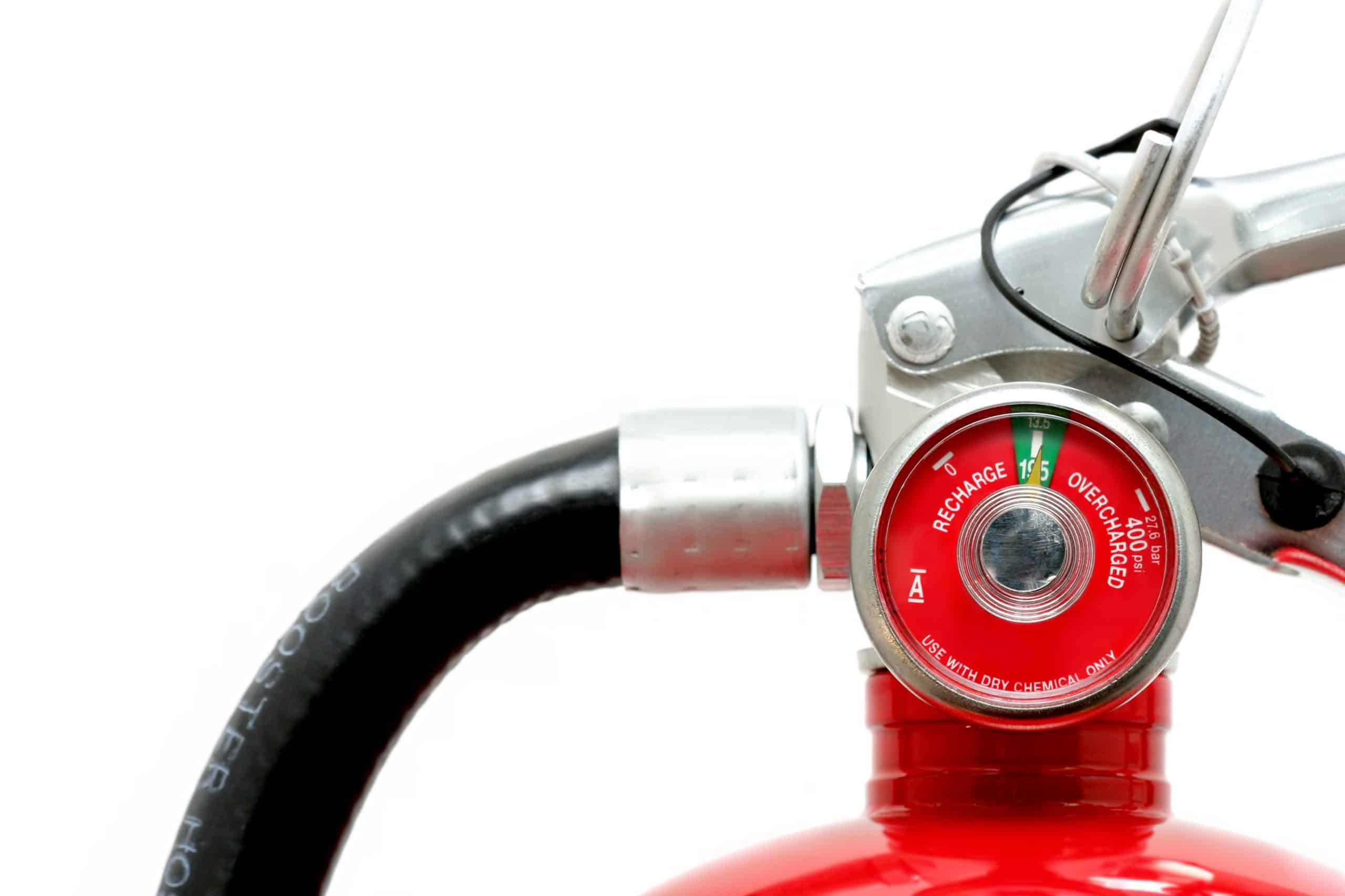
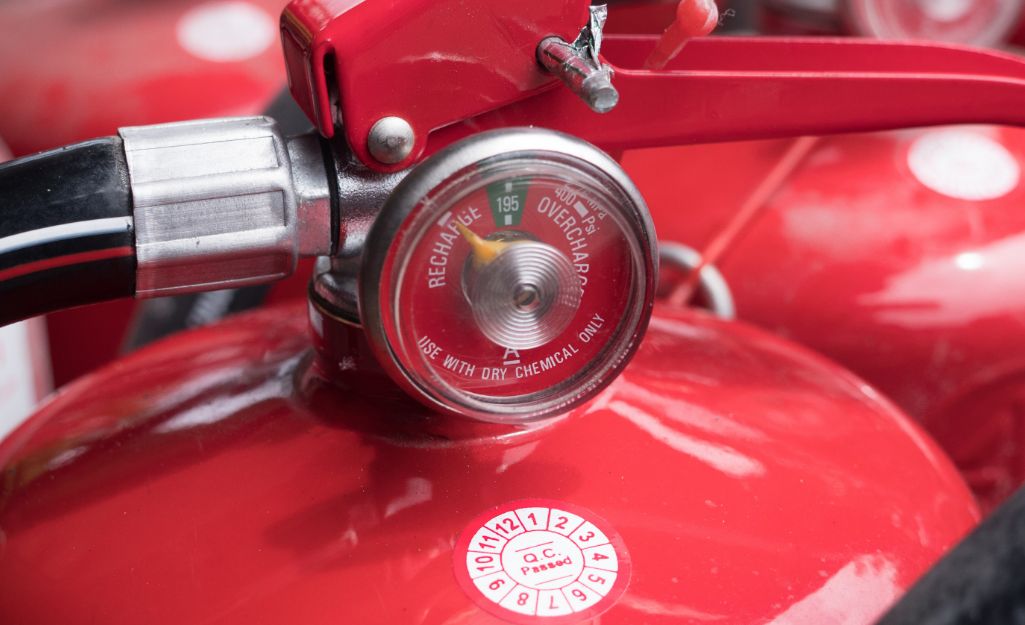
Look for a date stamped on the cylinder or on the label. Some have a manufacture date and a 5- to 12-year service life. Check the pressure gauge; a low or red gauge means service is needed. If unsure, treat it as expired and handle it safely.
Step-by-step: How do you dispose of expired fire extinguishers
Follow these practical steps. Each step is safe and easy.
- Confirm expiry by reading the label and checking the gauge. If it shows low pressure or the date is past the service life, treat it as expired.
- Do not throw it in regular trash or curbside recycling. Compressed containers are hazardous in trash compactors and trucks.
- Contact your local hazardous waste facility and ask about fire extinguisher drop-off rules. Many communities accept them free or for a small fee.
- Ask your local fire department or fire safety retailer if they accept old units. Many departments take them for recycling or safe disposal.
- If accepted, transport the extinguisher standing up in your vehicle and secure it to stop rolling. Keep it in a cool place during transit.
- Document the disposal if you need proof for business records or rentals. A receipt from the facility is useful.
When you wonder how do you dispose of expired fire extinguishers, these steps cover what most people need to do. The short answer is simple, but the details protect you and others.
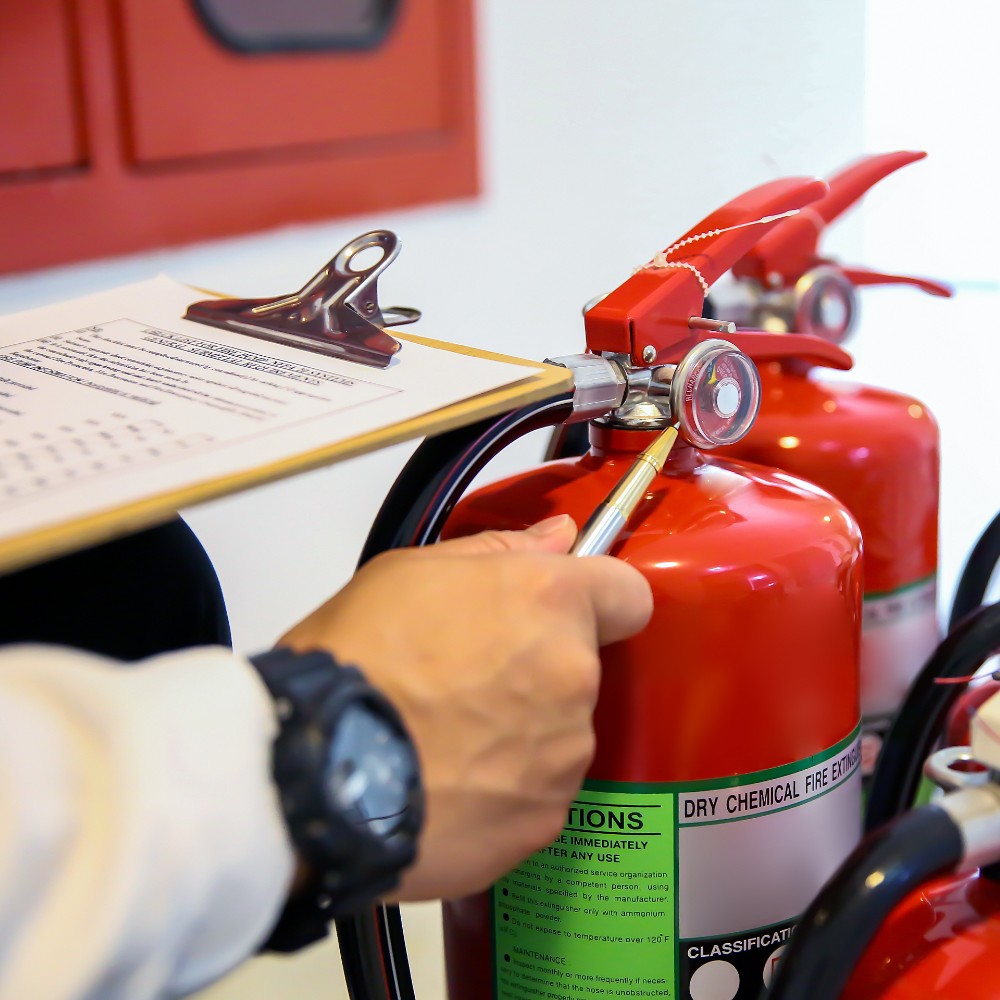
Safe recycling and disposal options
Different places handle extinguishers differently. Here are common, safe options.
- Household hazardous waste centers often accept stored-pressure models and some dry-chemical units.
- Fire departments sometimes run amnesty days or accept old extinguishers for recycling. Call ahead.
- Retailers that sell extinguishers may take back old units or direct you to a service.
- Scrap metal recyclers may accept empty or inert units. Confirm they accept pressurized containers first.
- Professional hazardous waste haulers can pick up bulk or commercial units for a fee.
Remember to ask questions. Tell them the type of extinguisher and if it is charged or discharged.
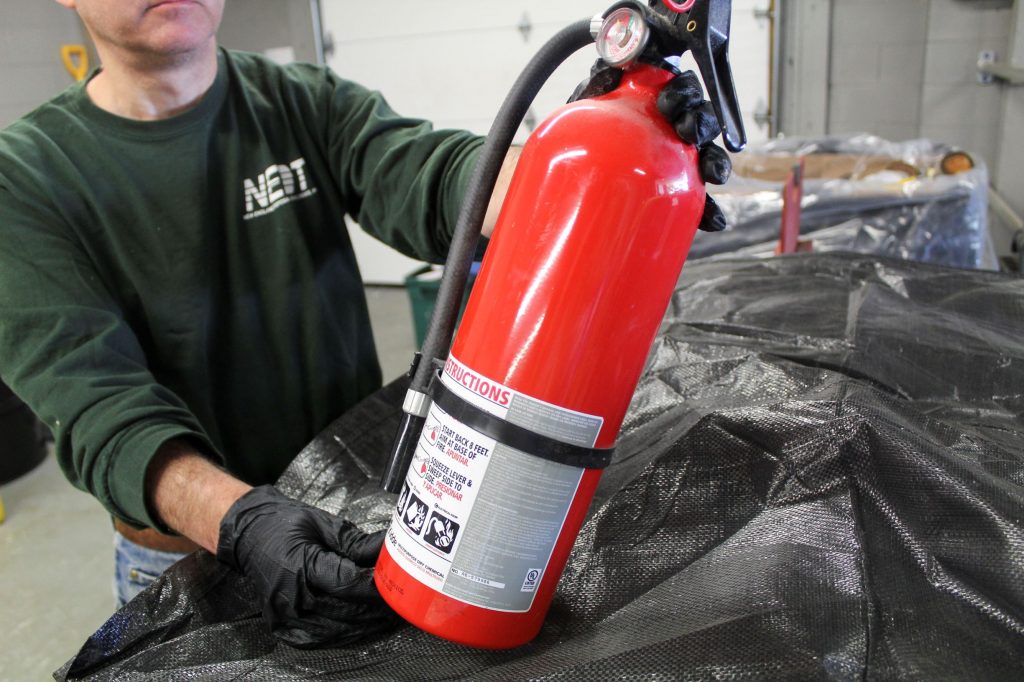
Chemical types and special rules
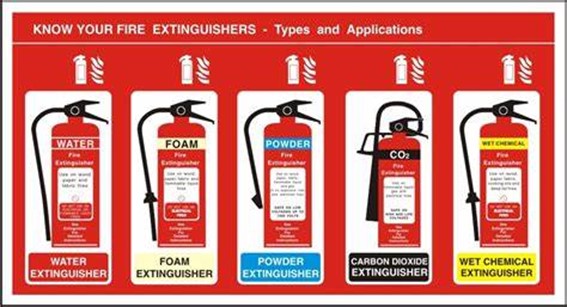
Extinguishers use different agents. Each one may need different handling.
- Water and foam units are lighter and usually less restricted.
- Dry chemical (ABC) units contain powders that can contaminate recyclables. They often go to hazardous waste.
- CO2 extinguishers use pressurized gas and have a shatter risk if thrown away. These usually require specialist handling.
- Halon or legacy clean agents may be ozone-depleting and have strict disposal rules. They often need certified reclaimers.
When you ask how do you dispose of expired fire extinguishers, know the agent inside. That guides the right disposal route.
What not to do
Avoid these risky moves.
- Do not try to puncture, burn, or open a charged extinguisher. That can cause injury.
- Do not throw a charged extinguisher in regular trash or recycling bins. It can explode under pressure.
- Do not attempt to discharge it indoors or into a trash bag. The powder or gas can harm you and contaminate property.
Following safe practices keeps you from accidents and fines.
Costs, rules, and business responsibilities
Costs vary by place. Many municipal programs take extinguishers for free. Private haulers and recyclers may charge a fee. Businesses often have stricter rules and must keep disposal records. If you manage property or rentals, budget for safe disposal and track receipts.
Personal experience and tips from the field
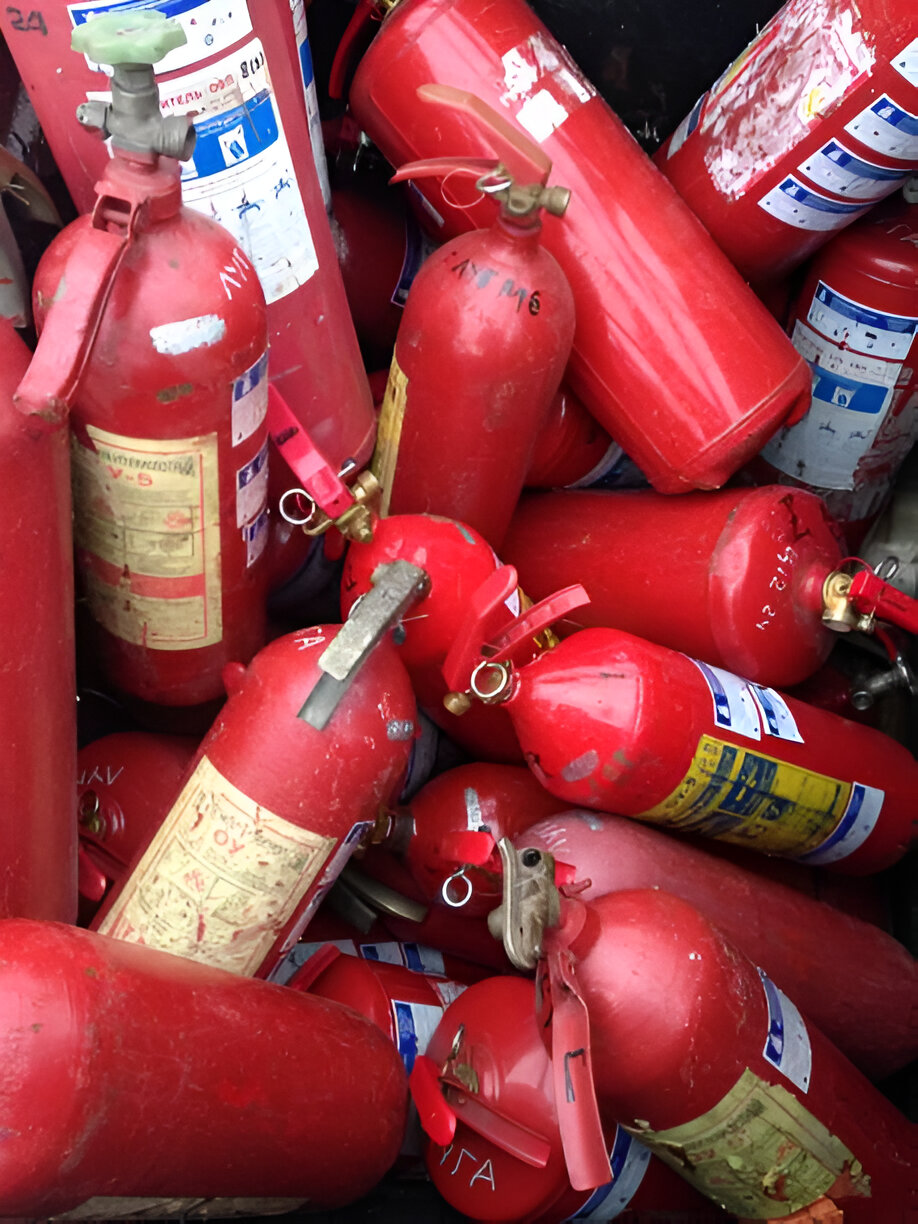
I once hauled a dozen expired extinguishers to a county event. One unit leaked powder in my trunk because it wasn’t secured. Lesson learned: secure each extinguisher upright and wrap the nozzle with tape. Another tip: call before you go. I saved time by confirming acceptance rules.
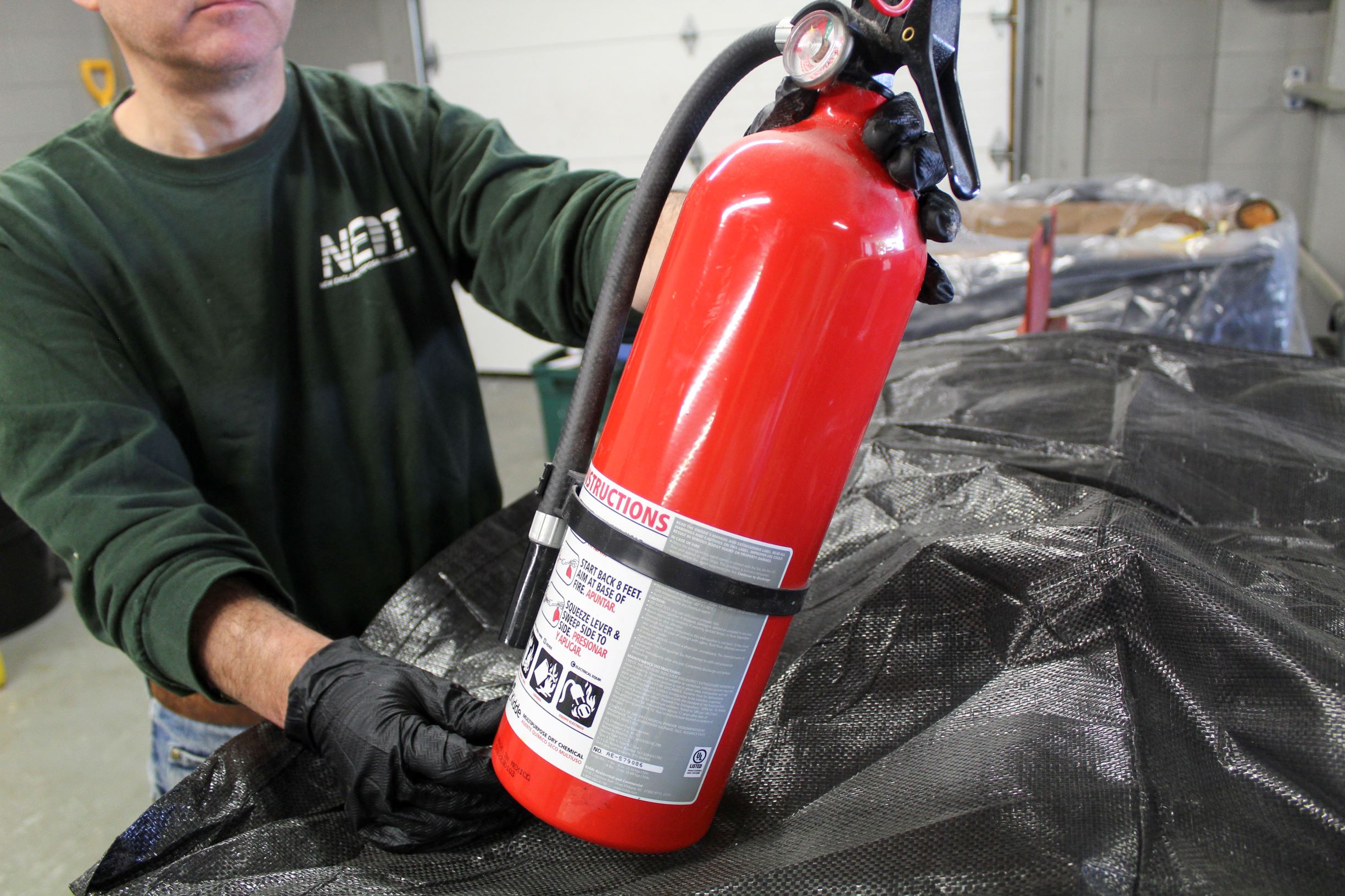
Quick checklist: disposing an expired fire extinguisher
Use this short list before you go.
- Confirm the extinguisher is expired or unusable.
- Look up local hazardous waste center or fire department rules.
- Call a retailer or recycler if unsure.
- Transport upright and secure.
- Get a receipt or proof if you need it for records.
Frequently Asked Questions of how do you dispose of expired fire extinguishers
How do I know if my fire extinguisher is expired?
Check for a manufacture date or service tag. Many models have a 5- to 12-year life; low pressure or damaged parts also mean replace or dispose.
Can I put an expired fire extinguisher in the trash?
No. Do not put charged or unknown extinguishers in regular trash. They can rupture or harm waste workers.
Will my local fire department take expired extinguishers?
Many do, but policies vary. Call ahead to confirm hours and acceptance rules.
Is it safe to empty the extinguisher at home before disposal?
Do not attempt to discharge or puncture a charged extinguisher at home. Contact professionals or a hazardous waste center to handle it safely.
Are there fees to dispose of expired fire extinguishers?
Some facilities accept them free, while others charge. Fees depend on local programs and type of extinguisher.
Conclusion
Safe disposal of expired fire extinguishers keeps people and property safe. Learn the type of extinguisher, call local waste or fire services, and follow the step-by-step process above. Take the small step today: check your extinguisher dates, call your waste center, and schedule a safe drop-off. If this helped, please share your experience or ask a question below — I’ll respond with practical advice.