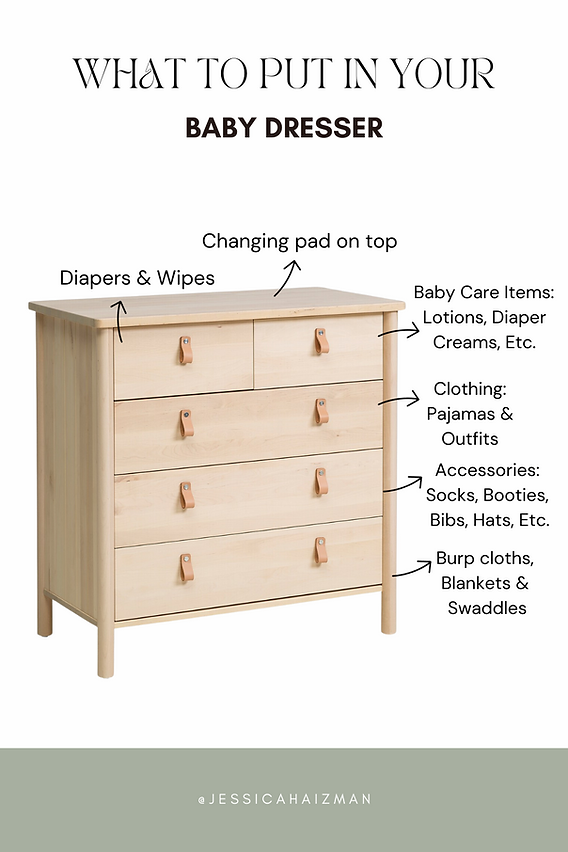
Secure a dresser to the wall using studs and anti-tip straps or heavy-duty brackets.
I’ve spent years fitting furniture in homes and child-safe spaces, so I know how critical it is to secure a dresser to the wall the right way. This guide walks you through why and how do you secure a dresser to the wall, with clear steps, tool lists, real-life tips, and safety checks so you can finish the job quickly and confidently.

Why secure a dresser to the wall?
Tipovers are a major hazard. Dressers can tumble if a drawer is pulled or a child climbs on them. Securing a dresser to the wall prevents accidents. It also protects your belongings and saves damage to floors and walls.
From my experience installing anchors in many homes, a properly anchored dresser is the difference between a safe room and a risky one. Learning how do you secure a dresser to the wall only takes a little time but gives lasting peace of mind.

Tools and materials you need
Gathering the right items makes the job fast and safe. Below are common tools and materials I use on every job.
- Stud finder, to locate studs quickly.
- Drill and drill bits, for pilot holes.
- Screwdriver or impact driver, to tighten fasteners.
- Tape measure and pencil, to mark positions.
- Anti-tip straps or L-brackets, designed for furniture.
- Wood screws for studs and toggle anchors for drywall.
- Anchors for masonry, if you have brick or concrete walls.
- Level, to keep the dresser straight.
- Helper or clamps, for holding the dresser steady.
Knowing which parts go where helps you answer how do you secure a dresser to the wall with confidence. I always test anchors on a scrap board first when working with unfamiliar walls.

Step-by-step: How do you secure a dresser to the wall
Follow these clear steps. Read each step before you start. Work slowly and safely.
- Prepare the dresser
- Empty drawers for lightness and stability.
- Move the dresser into final position against the wall.
- Clean the wall and base of the dresser to remove dust.
- Find studs and mark
- Use the stud finder across the area behind the dresser.
- Mark the center of the stud with a pencil at the top and bottom of where the bracket will go.
- If no stud is present, plan to use heavy-duty toggle anchors or a masonry anchor.
- Choose attachment points
- Attach to the dresser frame near the top back. Avoid thin back panels unless reinforced.
- If needed, add a small wood block inside the top rear of the dresser to receive screws.
- Install the hardware
- Drill pilot holes into studs at marked points.
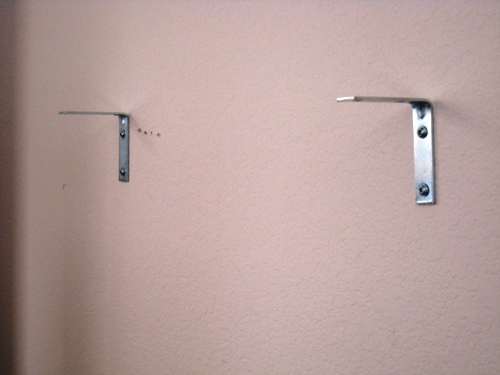
- Fasten L-brackets or the provided anti-tip strap hardware to the dresser.
- Secure the bracket or strap to the wall using screws into the stud or into rated anchors.
- Test and finish
- Gently pull on the dresser from the top to test.
- Ensure drawers open and close smoothly.
- Recheck fasteners after one week and periodically after that.
When you know how do you secure a dresser to the wall by following steps, the work feels simple and safe. I recommend asking a friend to help for stability while you drill.
Choosing the right anchor for your wall type
Different walls need different anchors. Pick the right one for safety and durability.
-
Stud attachment
- Best option is a wood screw into a 2×4 or similar stud.
- Use a screw long enough to go through the bracket, drywall, and at least 1.25 inches into the stud.
-
Drywall without a stud
- Use snap toggle anchors or heavy-duty wall toggles.
- Avoid plastic expansion anchors for heavy furniture.
-
Masonry or concrete
- Use masonry screws or anchors with a masonry bit.
- Drill with a hammer drill when needed.
Selecting the correct anchor answers a core question: how do you secure a dresser to the wall safely for your wall type? I once tried light anchors in drywall and had to redo the whole mount after a wobble, so I always choose heavy-duty toggles for non-stud installs.
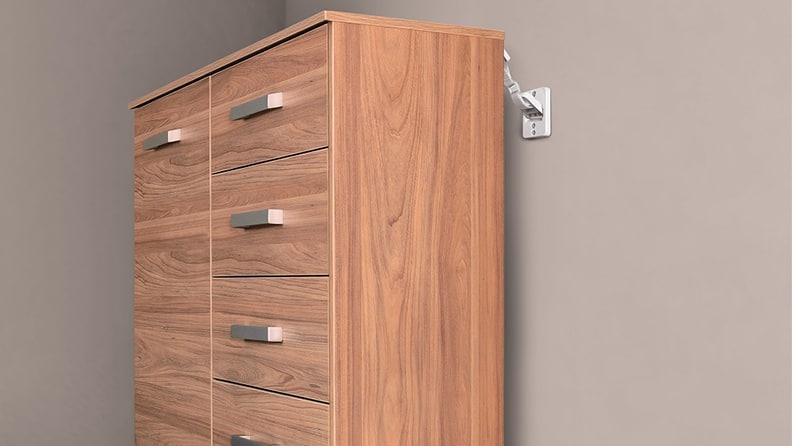
Anti-tip straps vs L-brackets: which to use?
Both options work. Pick based on dresser design and wall type.
-
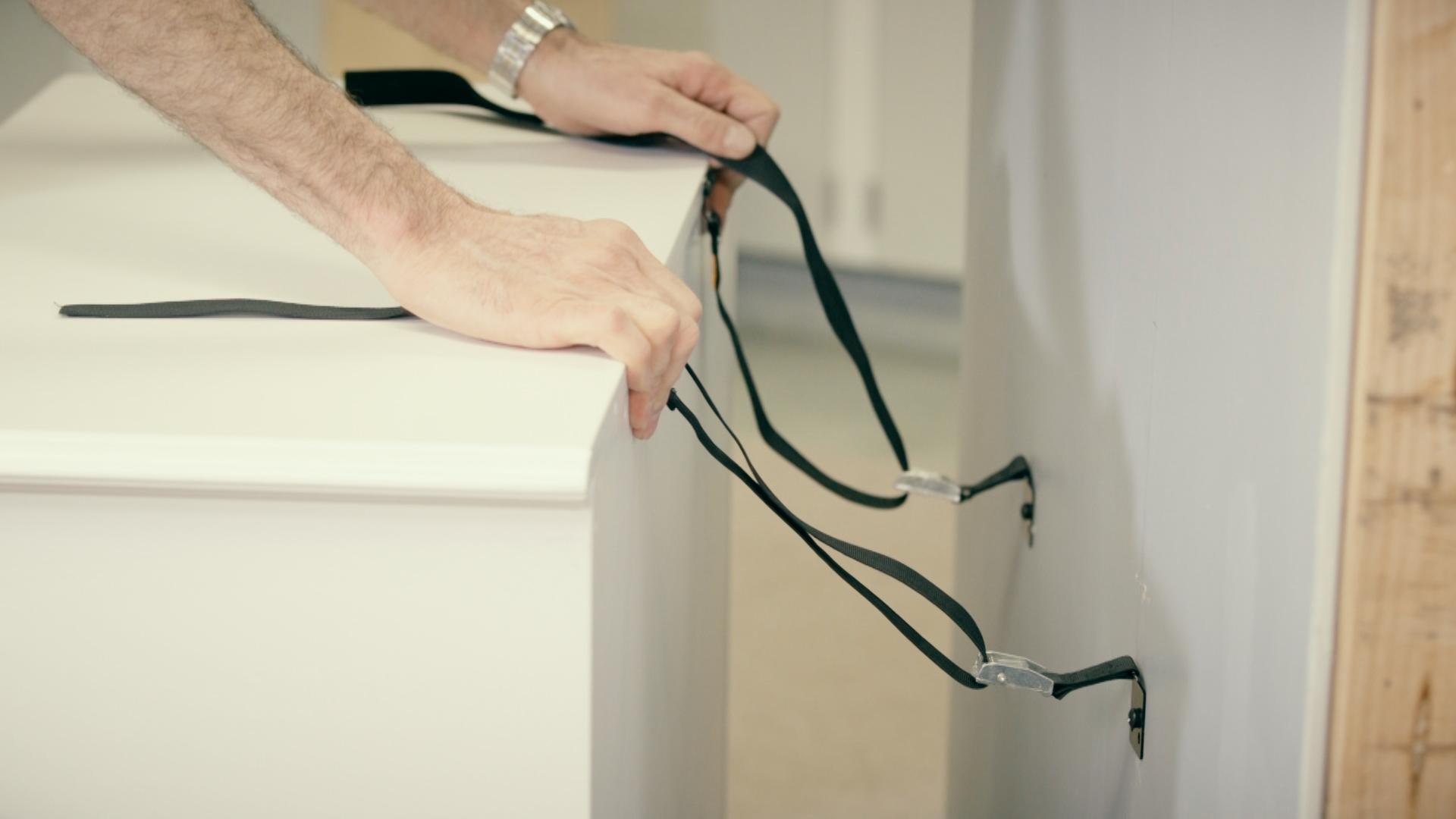
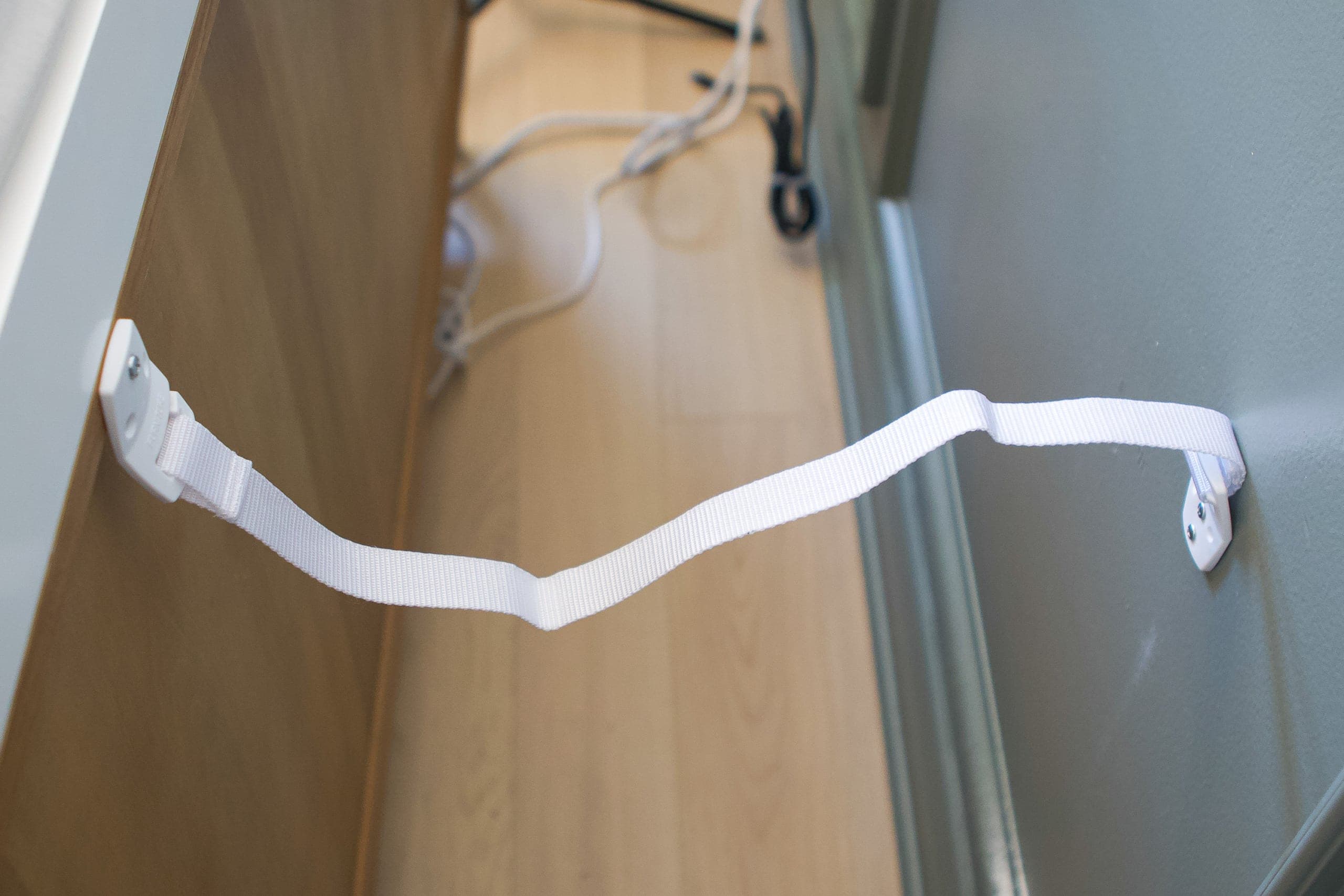
Anti-tip straps
- Flexible, easy to install.
- Good when back of dresser is thin.
- Allow small movement, but prevent tipping.
-
L-brackets
- Rigid and simple.
- Best when dresser has a solid top or back frame.
- Provide a firmer connection to studs.
In homes with kids, I prefer heavy anti-tip straps plus at least one bracket. That redundancy answers how do you secure a dresser to the wall with extra safety.

Common mistakes to avoid
Avoid these errors I’ve seen on jobs and in DIY attempts.
- Relying on the dresser's back panel for strength.
- Using only small plastic anchors for heavy dressers.
- Mounting too low or too high, which stresses straps.
- Failing to test the anchor after installation.
- Skipping periodic checks for loosened screws.
These mistakes show why understanding how do you secure a dresser to the wall matters beyond just drilling one screw. A small oversight can mean a repeat job or a safety risk.
Maintenance and regular checks
A secure dresser needs simple checks over time. Make inspection part of your routine.
- Check screws and straps after one week, then every six months.
- Tighten any loose fasteners.
- Replace frayed straps or corroded hardware.
- Re-anchor if you move the dresser or change wall position.
Regular checks keep your setup reliable and answer ongoing concerns about how do you secure a dresser to the wall for years.
Cost and time estimate
Plan your budget and timing before you start.
- Time: 30 minutes to 2 hours depending on wall type and help.
- Cost: $10 to $50 for straps or basic brackets. Higher if you need masonry anchors or a stud finder.
I once fixed three dressers in an afternoon for under $60 in parts. Knowing how do you secure a dresser to the wall helps you plan both time and money.

Safety tips for homes with children and pets
Safety matters most. Use these quick rules.
- Anchor every tall piece of furniture in rooms children use.
- Keep heavy items in lower drawers to lower the center of gravity.
- Teach kids not to climb on furniture.
- Use multiple anchors for very tall or heavy dressers.
Practicing these steps shows you care. It also answers the most urgent "how do you secure a dresser to the wall" worries parents and pet owners face.
Frequently Asked Questions of how do you secure a dresser to the wall
How high should I attach the bracket to a dresser?
Attach the bracket near the top rear of the dresser, about 2 to 4 inches below the top edge. This gives the best leverage to stop tipping while keeping the hardware discreet.
Can I use a single strap or bracket?
One strong attachment may be enough if it is into a stud, but using two points adds safety. For households with kids, two anchors are recommended.
What if my dresser has a thin back panel?
If the back panel is thin, reinforce it with a scrap of plywood or attach brackets to the dresser’s internal frame. Securing to solid wood ensures the screws hold.
Will anti-tip straps damage my wall?
Properly installed straps cause minimal wall damage. Use the correct anchors for your wall type to avoid unnecessary holes and to maintain strength.
Do I need professional help to anchor a dresser?
Many people can anchor a dresser safely with basic tools and the right hardware. Hire a pro if you hit unexpected masonry or if you’re not comfortable using power tools.
Final thoughts
Securing furniture is a small task with a big payoff. When you know how do you secure a dresser to the wall correctly, you protect people, pets, and property. Start by picking the right hardware, follow the steps, and inspect your work over time.
Take action today: fasten your dresser, test it, and make your home safer. If you found this guide useful, leave a comment or share a photo of your completed install.