Fire extinguishers should be checked monthly and professionally serviced at least once a year.
I’ve managed safety for offices and small factories for years. I know what works and what trips people up about how often do fire extinguishers need to be serviced. This guide explains clear schedules, what each check means, real-world tips from my experience, and steps you can take today to keep your extinguishers ready and compliant.

Why regular servicing matters
Regular service keeps extinguishers ready to work when you need them. Small faults can stop an extinguisher from operating. Routine checks catch leaks, lost pressure, corrosion, missing pins, or clogged nozzles early. That prevents failure during an emergency and reduces liability for building owners.
From my experience, a single missed annual service caused a unit to fail pressure testing. We replaced it and saved the building from a bigger problem. Treat servicing as simple insurance for people and property.
Standard servicing schedule explained
Here’s a clear schedule for how often do fire extinguishers need to be serviced:
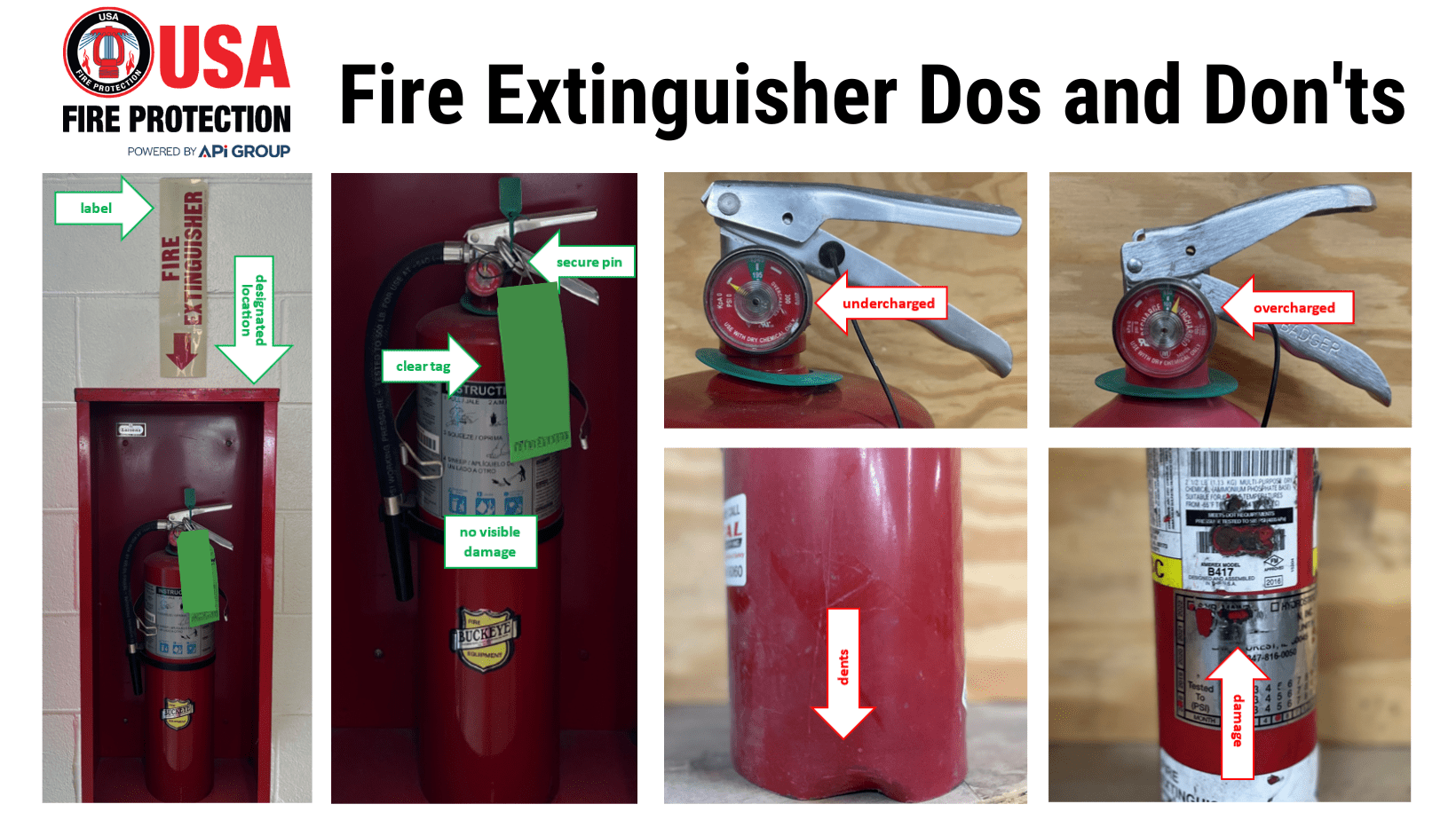
- Monthly visual inspections by building staff or tenants to confirm pressure, pin, tag, and no visible damage.
- Annual maintenance by a certified technician that includes an inspection, minor repairs, and a maintenance tag.
- Six-year maintenance for many stored-pressure dry chemical units where the unit is emptied, inspected, and refilled as needed.
- Hydrostatic testing at intervals that depend on the extinguisher type and manufacturer—commonly every 5 to 12 years.
These timeframes are a baseline. Local rules or the manufacturer’s label may require slightly different timing. Always follow the label and local code when they differ.

What professional service includes
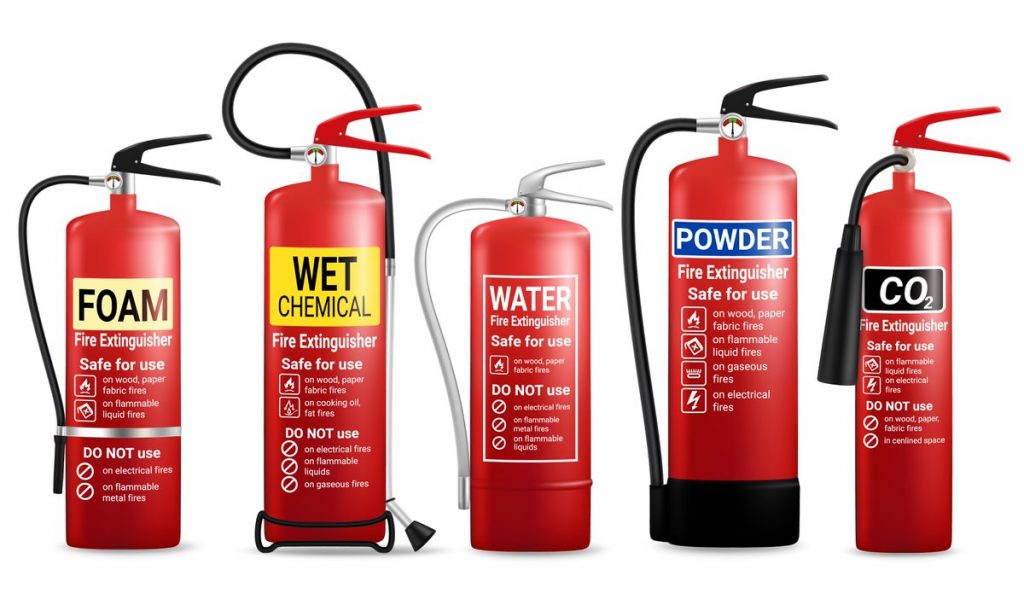
A certified technician performs tasks that go beyond a quick visual check. Common steps include:
- Check gauge pressure and cylinder condition.
- Inspect hose, nozzle, and seals for damage or blockage.
- Replace defective parts like gaskets or valves.
- Weigh and recharge units if needed.
- Record service details and attach a maintenance tag.
Technicians also advise on replacement when an extinguisher is out of date or corrosion is severe. This saves time and prevents unsafe DIY fixes.
Monthly checks you can do yourself
Monthly checks are quick and simple. Do these in under five minutes per extinguisher:
- Confirm the gauge sits in the green zone and pin is intact.
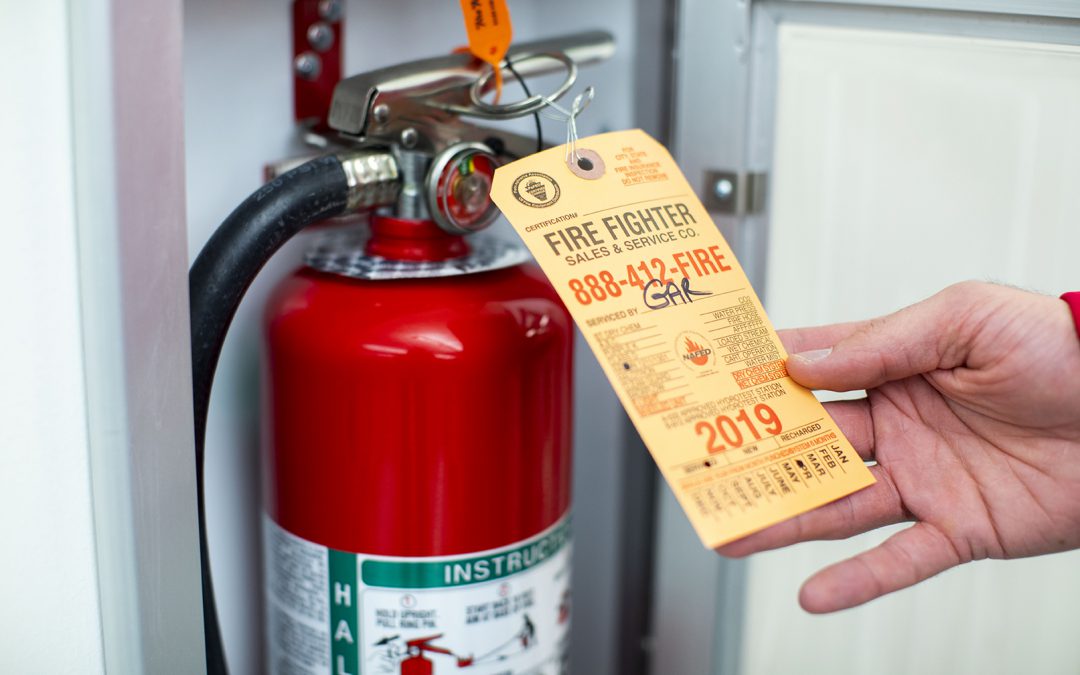
- Ensure the label is legible and the inspection tag is present.
- Look for dents, rust, leaks, or loose parts.
- Make sure the unit is visible, mounted, and not blocked.
- Record the check date on the tag.
I recommend a simple checklist on clipboard. Monthly checks catch issues before the annual service.
Signs an extinguisher needs immediate service
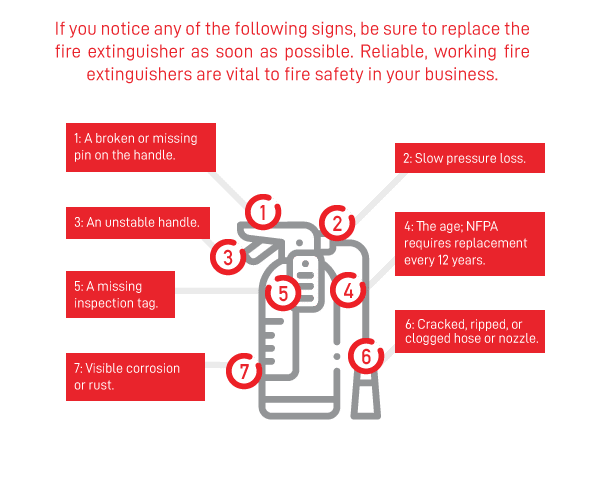
Act right away if you see any of these signs:
- Gauge shows low or no pressure.
- Unit has visible corrosion, dents, or a leaking agent.
- Safety pin is missing or tamper seal is broken.
- Nozzle or hose is cracked or blocked.
- Extinguisher was used, even partially.
In one shop I managed, a small leak was ignored for months. Pressure dropped and the unit became unusable. Fix small problems fast.
Recordkeeping and legal compliance
Good records prove you followed proper care. Keep these items for each extinguisher:
- Monthly inspection log entries.
- Annual service certificates and maintenance tags.
- Hydrostatic test records and dates for future tests.
- Manufacturer label and model details.
Many codes require documented monthly and annual checks. Organized records make audits simple and reduce fines.

Costs and budgeting
Budget for checks, parts, and periodic testing. Typical costs vary by location and unit type:
- Monthly checks cost mainly staff time if done in-house.
- Annual professional service usually has a per-unit fee or a service contract.
- Hydrostatic testing and refills cost more but are infrequent.
- Replacement is sometimes cheaper than repeated repairs for old units.
I suggest an annual line item in your safety budget for servicing. A small yearly fee prevents a large emergency expense.
Frequently Asked Questions of how often do fire extinguishers need to be serviced
How often should I inspect a fire extinguisher myself?
You should inspect fire extinguishers visually every month. Check pressure, pin, seals, and visible damage and note the date on the tag.
When does a fire extinguisher require professional maintenance?
Get professional maintenance at least once a year. A trained technician will do a full inspection, service, and tag the unit.
What is hydrostatic testing and how often is it needed?
Hydrostatic testing checks the cylinder’s strength under pressure. Intervals vary by type and manufacturer and commonly range from 5 to 12 years.
Are disposable extinguishers maintained the same way?
Some disposable or non-rechargeable units still need monthly checks and replacement after use or when expired. Follow the label and manufacturer guidance.
Can I do the six-year maintenance myself?
Six-year maintenance usually requires emptying and internal inspection by a trained person or service shop. It’s safer to use a certified technician.
Conclusion
Keeping fire extinguishers ready is simple when you follow a clear routine. Do monthly visual checks, schedule annual professional service, and plan for the longer-term tests your units need. My hands-on experience shows that steady care prevents failures and keeps people safe.
Take action today: mark monthly checks on your calendar, book an annual service if you haven’t already, and review your extinguisher records. Leave a comment with your questions or share your own servicing tips.