Arrange your dresser by clearing, sorting, grouping, and storing items for easy access and neat drawers.
I’ve spent years refining how to arrange dresser layouts for small apartments and family homes. This guide walks you through clear steps, real-life tips, and easy systems that work. You’ll learn practical ways to sort clothes, use dividers, and keep drawers tidy so your dresser stays useful and attractive. Read on for a simple, expert-backed plan to transform your dresser into a stress-free storage solution.
:max_bytes(150000):strip_icc()/easy-tips-to-organize-your-dresser-2648392-02-c6b8d77c59cf4b3a8dfd9d38c98d2ac2.jpg)
Why arranging your dresser matters
A well-organized dresser saves time each morning. It helps you find clothes fast and keeps garments in better shape. Good organization also reduces clutter on the bedroom floor and gives your room a calmer look. Learning how to arrange dresser items is one of the easiest ways to improve daily routine and extend the life of your clothes.
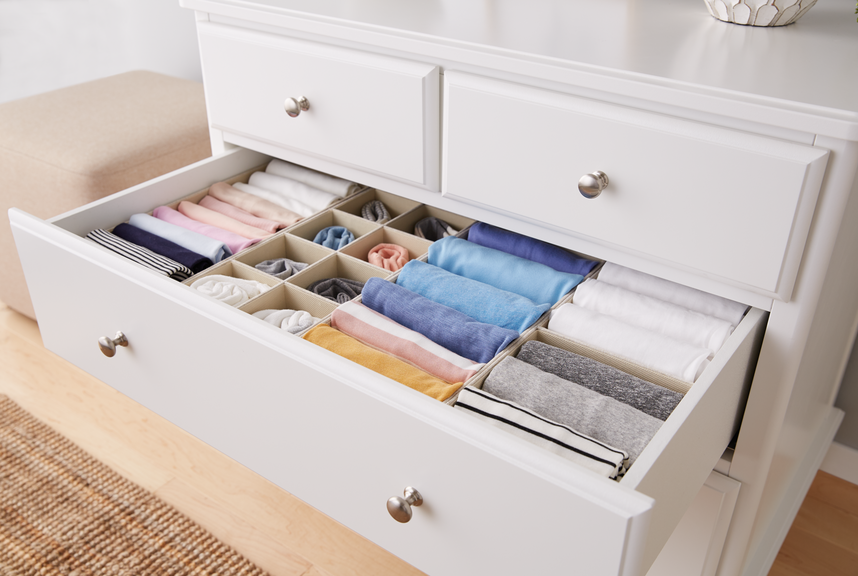
Prep: empty, sort, and clean
Start by emptying every drawer. Lay items on a bed or clean surface so you can see everything. Sort into categories like tops, bottoms, underwear, socks, and extras. Clean inside drawers with a damp cloth and let them dry before you return anything.
- Remove damaged or stained items to repair or recycle.
- Try on items that don’t fit to decide what to keep.
- Make a donate pile for clothes you haven’t worn in a year.
I once kept a drawer full of half-used tees. Emptying it showed me I only wore two. That step alone changed how I arrange dresser drawers going forward.
:strip_icc()/dresser-organization-ideas-4-mika-perry-c1d4bba24875421297a56625dace90fd.png)
How to arrange dresser: a step-by-step system
This step-by-step plan shows how to arrange dresser drawers so they stay tidy and useful.
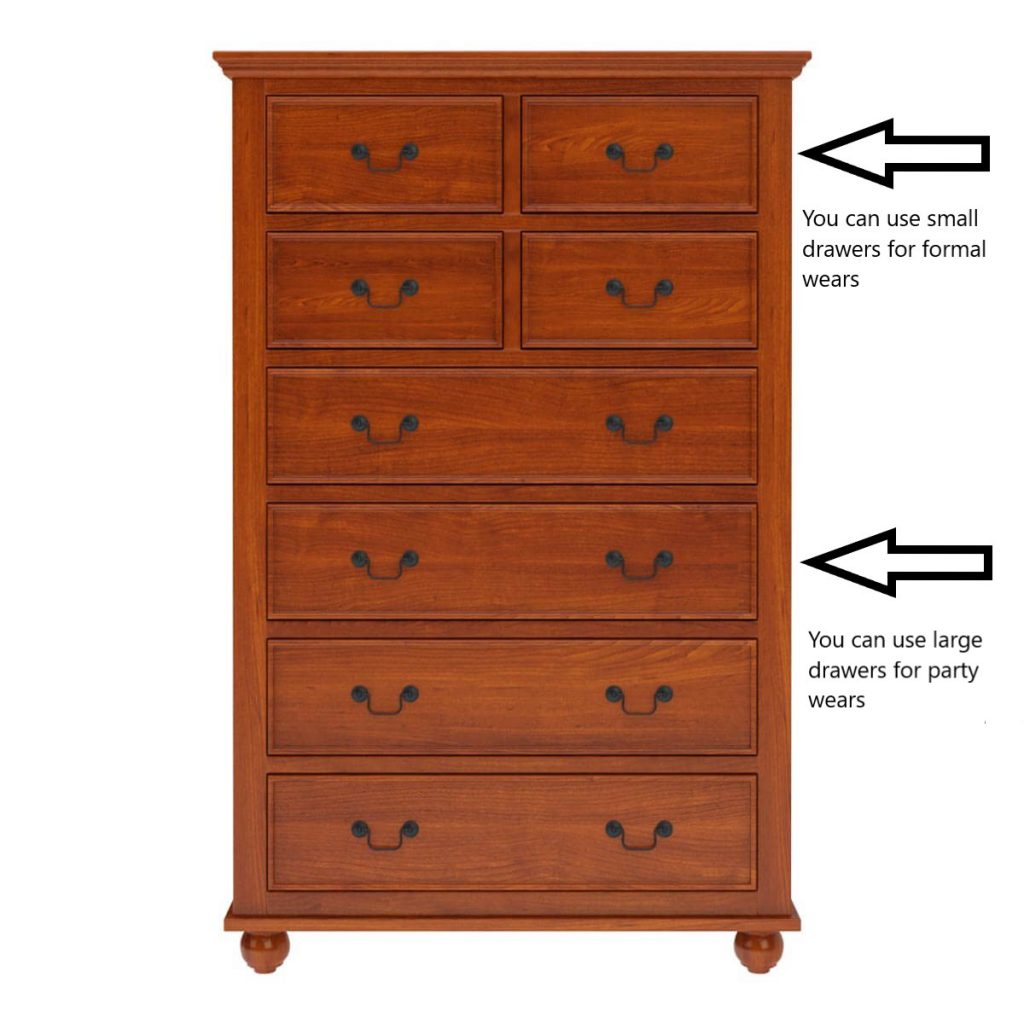
- Assign drawer purposes
- Top drawer: everyday items like underwear and socks.
- Middle drawers: shirts and casual wear.
- Bottom drawers: bulky items like sweaters or pajamas.
- Group by function and frequency
- Put items you use daily in the easiest-to-reach drawer.
- Seasonal items go lower or in storage.
- Fold for visibility
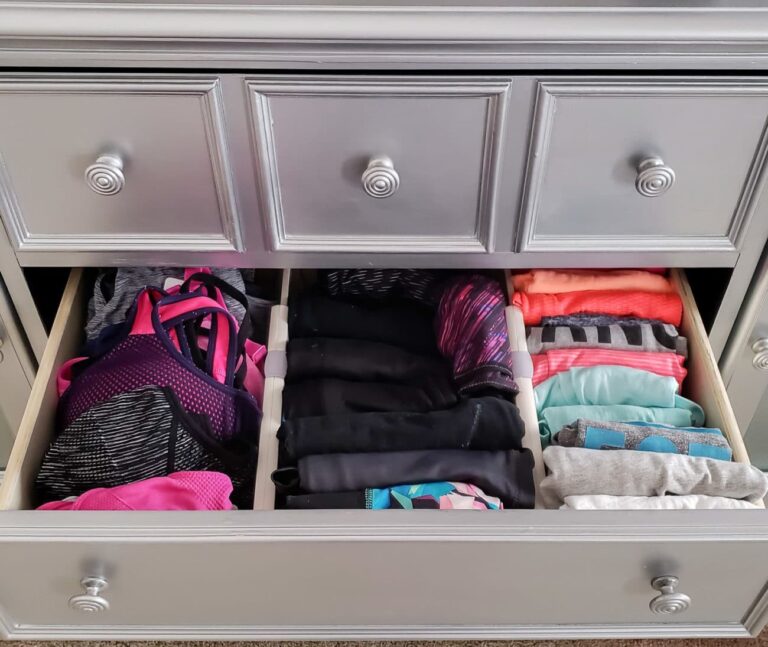
- Use vertical folding for shirts and pants so you can see each piece.
- Stack like-items together and keep stacks low to avoid toppling.
- Use dividers and small bins
- Separate underwear, socks, and accessories with small bins.
- Keep belts and scarves rolled and in one section.
- Label if needed
- Use subtle labels inside drawers to maintain order.
- This helps kids or partners follow the system.
When I reorganized my own dresser using this system, mornings became faster. I could see every shirt without digging. That clarity makes the effort worth it.
Drawer organization methods to match your life
Pick a method that fits your routine. Here are common approaches and when to use them.
- By clothing type
- Best for those with varied wardrobes. Keep shirts together, pants together, etc.
- By outfit or look
- Good for people who plan outfits in advance. Group top+bottom combos.
- By frequency of use
- Place daily items in top drawers and special items lower.
- By season
- Rotate drawers with seasonal clothing so the current season is easiest to reach.
- Minimalist capsule approach
- Keep a small set of versatile pieces in most accessible drawers.
I used the outfit method when my schedule was busy. Laying out outfits for the week in drawers saved decision time.
Tools and accessories that help
The right tools make how to arrange dresser tasks simpler and longer lasting.
- Drawer dividers
- Create compartments without bulky bins.
- Small fabric bins
- Soft sides fit flexible spaces and hide visual clutter.
- Shelf risers for top-of-dresser storage
- Double space for folded sweaters or catch-all items.
- Non-slip liners
- Keep fragile or slippery items in place.
- Clear labels or tags
- Keep systems obvious for everyone in the home.
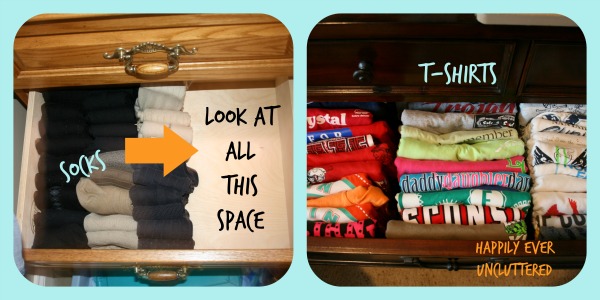
Investing a little in dividers changed my drawers. Socks and underwear stayed in place, and it felt easier to keep up.
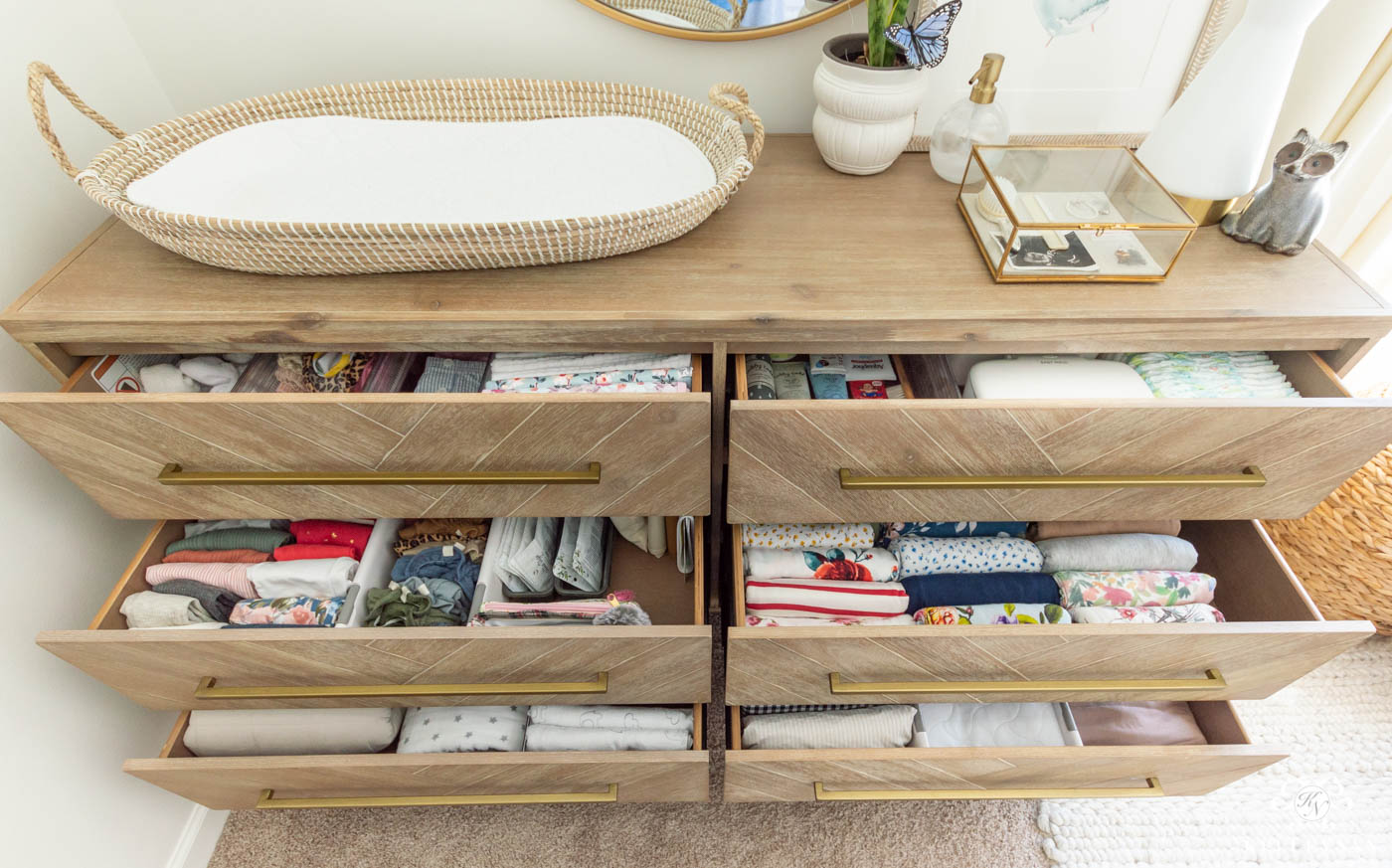
Styling the top of the dresser
A tidy top keeps the room calm and functional. Follow these tips for a polished look.
- Keep only daily essentials on top
- Phone charger, a small tray for keys/jewelry, and one decorative item.
- Use a shallow tray
- Group small items to avoid clutter.
- Add a mirror or small lamp
- These add function and style without crowding.
- Avoid tall stacks
- Keep tall items to a minimum to maintain flow and safety.
I use a slim tray and a small plant. It adds life and keeps small items from creating a mess.
:max_bytes(150000):strip_icc()/easy-tips-to-organize-your-dresser-2648392-08-c3efebb1cc284841a32cdbe7f5a72f7a.jpg)
Maintenance: keep your dresser organized long-term
Small routines keep the system working. Try these habits to maintain order.
- Weekly quick tidy
- Spend five minutes refolding or re-stacking once a week.
- Monthly edit
- Remove items you didn’t wear that month and move them to donation if unused.
- Laundry and return habit
- Fold and return clothes to their assigned drawer the same day.
- Seasonal swap
- Rotate out seasonal items to prevent overcrowding.
- Teach household members
- Show family how the system works to keep consistency.
When I added a five-minute weekly routine, my dresser never slid back into chaos. Small habits beat big efforts.
:max_bytes(150000):strip_icc()/organize-clothes-in-drawer-GettyImages-1694789594-2293f072928542799a7a398972f9e6f6.jpg)
Frequently Asked Questions of how to arrange dresser
How often should I reorganize my dresser?
Reorganize every season or when drawers feel crowded. A quick monthly check prevents buildup and keeps things tidy.
What is the best folding method for drawers?
Vertical folding shows more of your wardrobe at once. It saves space and helps you find items fast.
How do I fit bulky sweaters in drawers?
Fold sweaters flat and stack them neatly in a lower drawer or use storage boxes. Alternatively, store heavy sweaters on shelves to avoid drawer strain.
Can I use a dresser for both clothes and other items?
Yes, but separate categories with dividers or bins. Keep non-clothing items in one drawer to avoid mixing.
How do I keep socks organized?
Use small bins, roll socks into pairs, or use drawer dividers to create dedicated sock sections. Consistent habits make pairs easy to find.
Conclusion
A well-kept dresser frees up time and clears the mind. Use the steps above to empty, sort, assign drawer roles, and add simple tools. Start small: pick one drawer to fix today, and build the habit. Try the method that matches your life, tweak it, and stick to short maintenance routines. Share your progress or ask questions below — I’d love to help you refine how to arrange dresser for your space.