Balance color, scale, and texture to make a carpeted living room feel cohesive and cozy.
I have designed and lived in multiple carpeted living rooms, and I know what works. This guide on how to decorate a carpeted living room combines practical steps, real-life tips, and easy-to-follow ideas. Read on to get room-by-room advice you can use today.
Plan and assess the space before you start
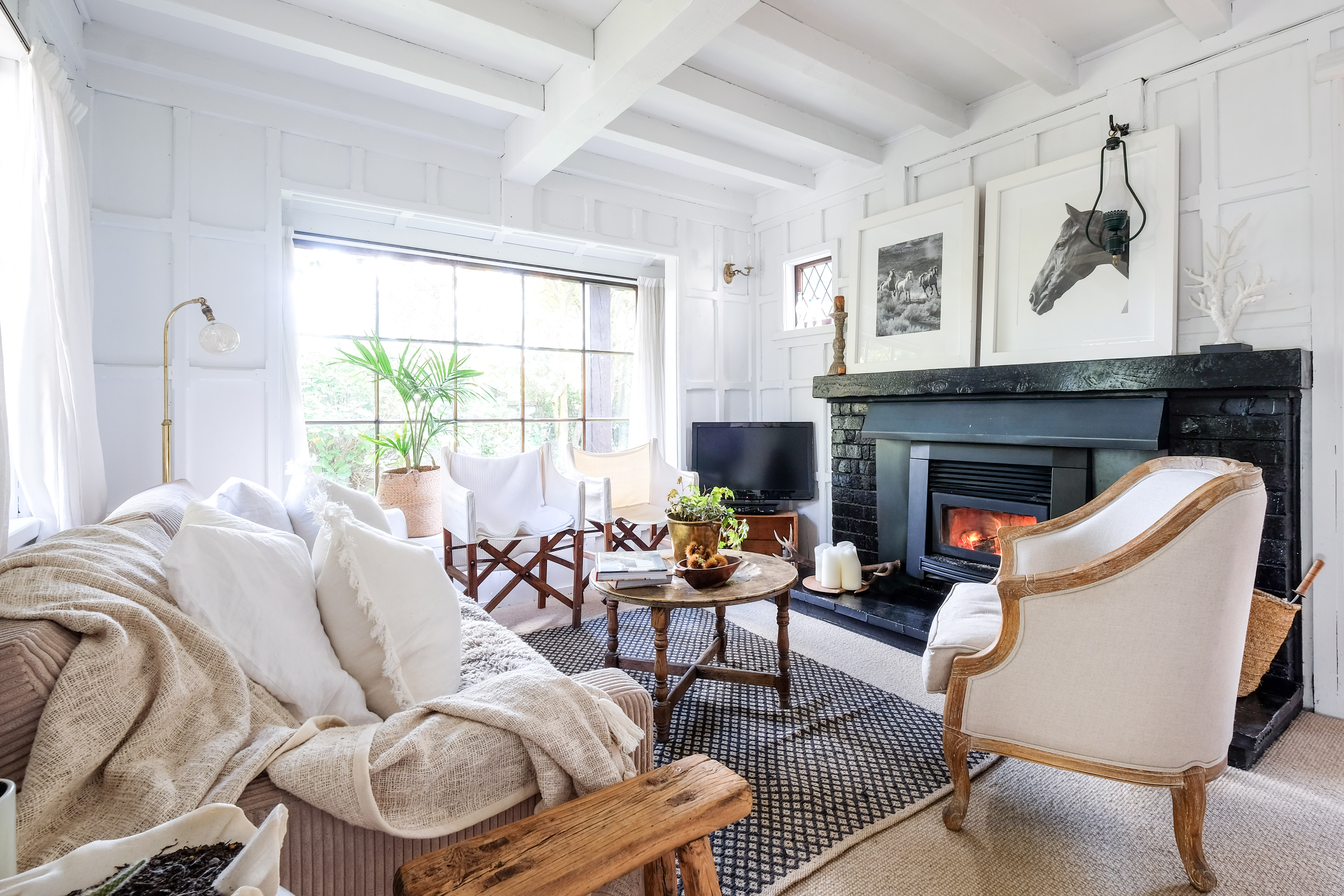
Start by measuring the room and noting the carpet color and pile. A clear plan makes how to decorate a carpeted living room faster and less costly. Look for permanent features like baseboards, windows, and built-in shelving. Walk the room at different times of day to see light and shadow.
:strip_icc()/174128531_780690159487215_67958325423090285_n-47b1c2d616ac47cbb4ab2162a1e221ba.jpg)
Choose a color palette and style that complements the carpet
Match new colors to the carpet tone to tie the room together. If the carpet is neutral, you can add bold colors. If the carpet is bold, keep walls and big furniture calm. Pick two main colors and one accent color to guide choices.
- Consider undertones of the carpet. Warm carpets pair with warm paints and woods.
- Use a color wheel to pick complementary colors.
- Test paint swatches on the wall near the floor to see how they read with the carpet.

Anchor the room with proper furniture placement
Furniture placement defines flow and balance in a carpeted room. Decide on a focal point such as a TV, fireplace, or view. Arrange seating so conversation feels natural and traffic paths stay clear. Leave a clear border between carpet edge and furniture legs when possible.
- Pull the seating toward the focal point to create a cozy zone.
- Use furniture feet or coasters to protect the carpet.
- Keep high-traffic walkways free from clutter.
:strip_icc()/137300346_317767099551836_7031946928900740877_n-9fb54e1eb6a94c3e87a3d8b86daa821d.jpg)
Layer rugs and textures to add depth
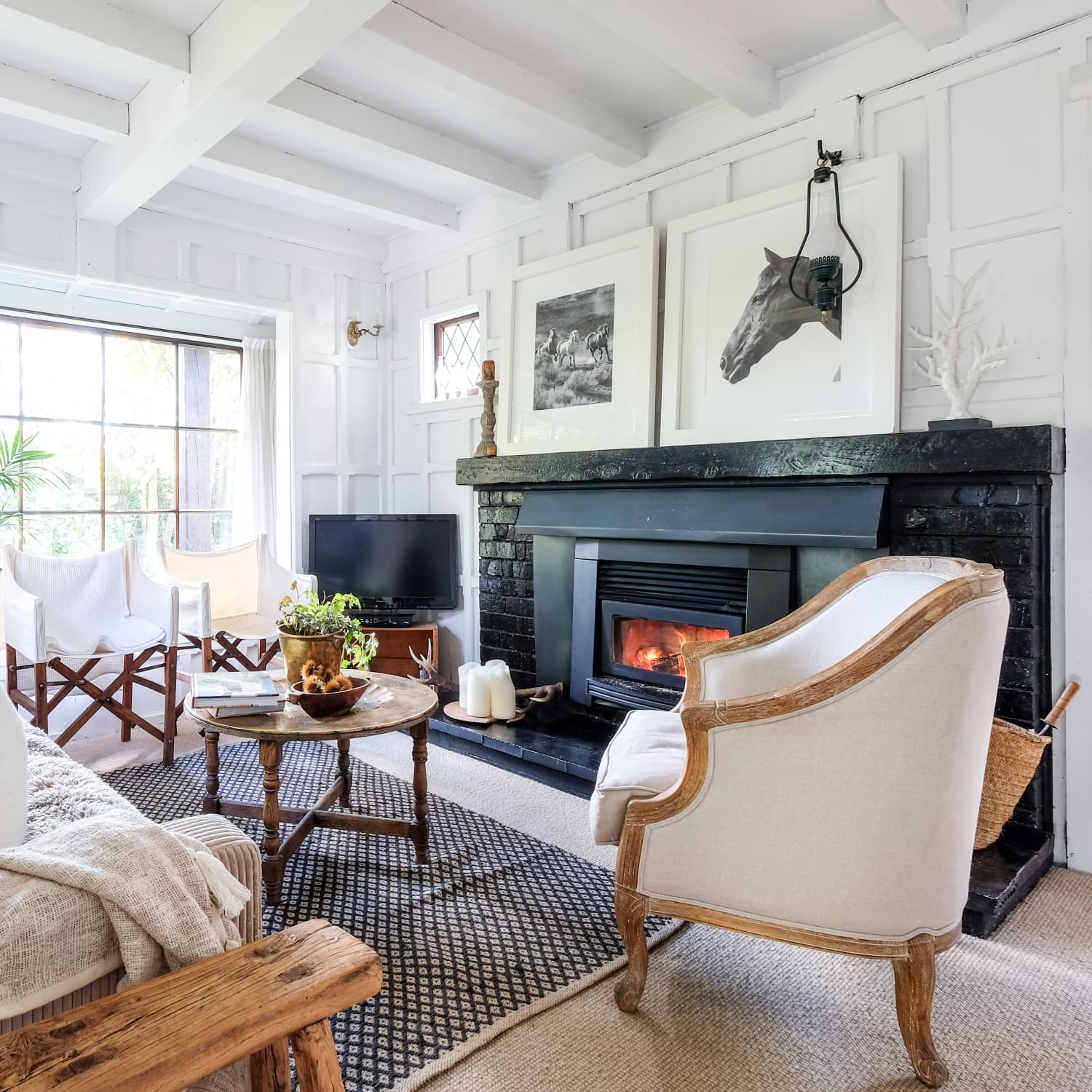
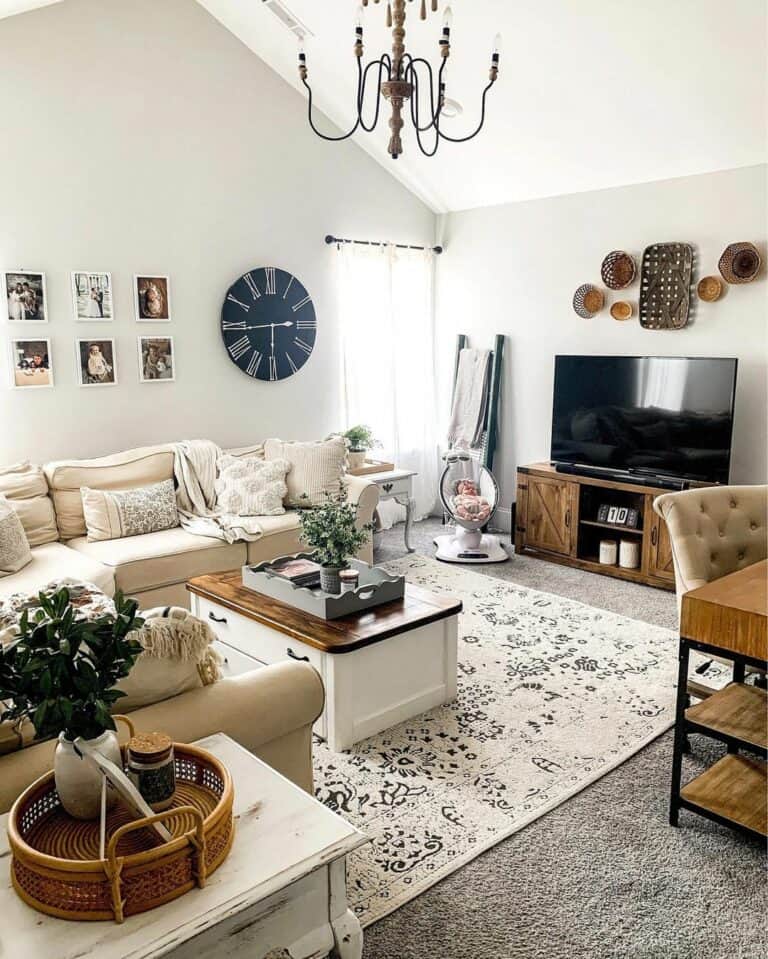
Layering rugs on carpet can define zones and add texture. Choose a low-profile rug so it sits well on top of carpet. Use rugs with non-slip pads to prevent shifting. Layering helps when you want to add pattern without replacing the carpet.
- Pick a rug that’s at least as wide as the front legs of sofas and chairs.
- Match textures: plush carpet with flat woven rug creates contrast.
- Use color repeats to link the rug to pillows or art.
Light the room to brighten the carpet tone
Good lighting changes how carpet looks. Natural light shows true color, while warm bulbs can warm a cool carpet. Use a mix of overhead, task, and accent lighting. Place lamps near seating and in darker corners.
- Use dimmers for flexible mood control.
- Reflect light with mirrors to make the carpet feel lighter.
- Avoid direct bright light that can fade carpet over time.
:strip_icc()/136071091_436905334161571_6851255044008322782_n-50cc86b5ad7b4bb78bf1c5806a6eeca9.jpg)
Add textiles, pillows, and artwork for personality
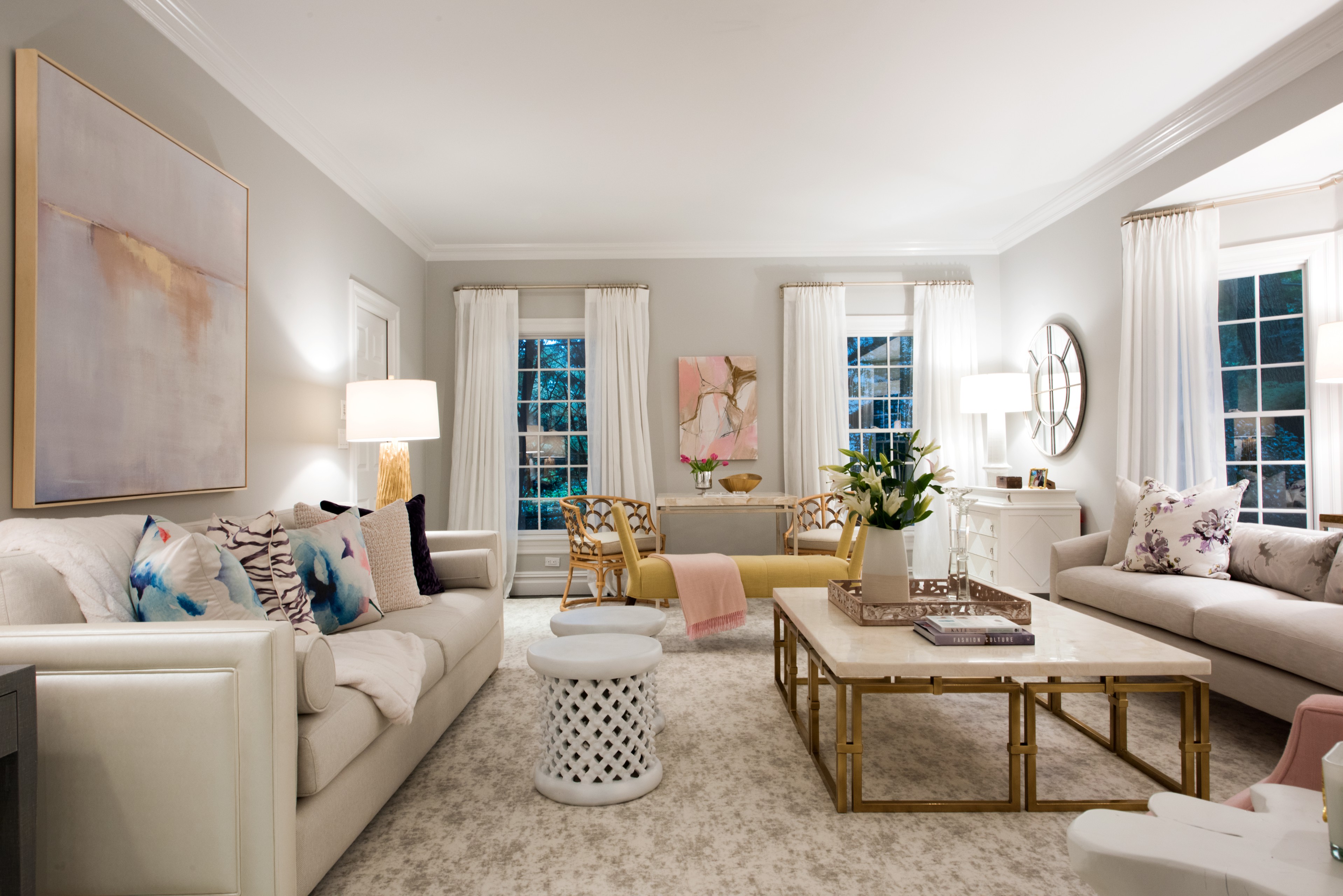
Textiles make a room feel lived-in and pull the carpet into the overall design. Choose throw pillows, blankets, and curtains that pick up carpet tones. Art should sit at eye level and relate to the room’s palette.
- Use 2 to 3 pillow sizes for visual interest.
- Match curtain weight to carpet pile: heavy curtains with plush carpet.
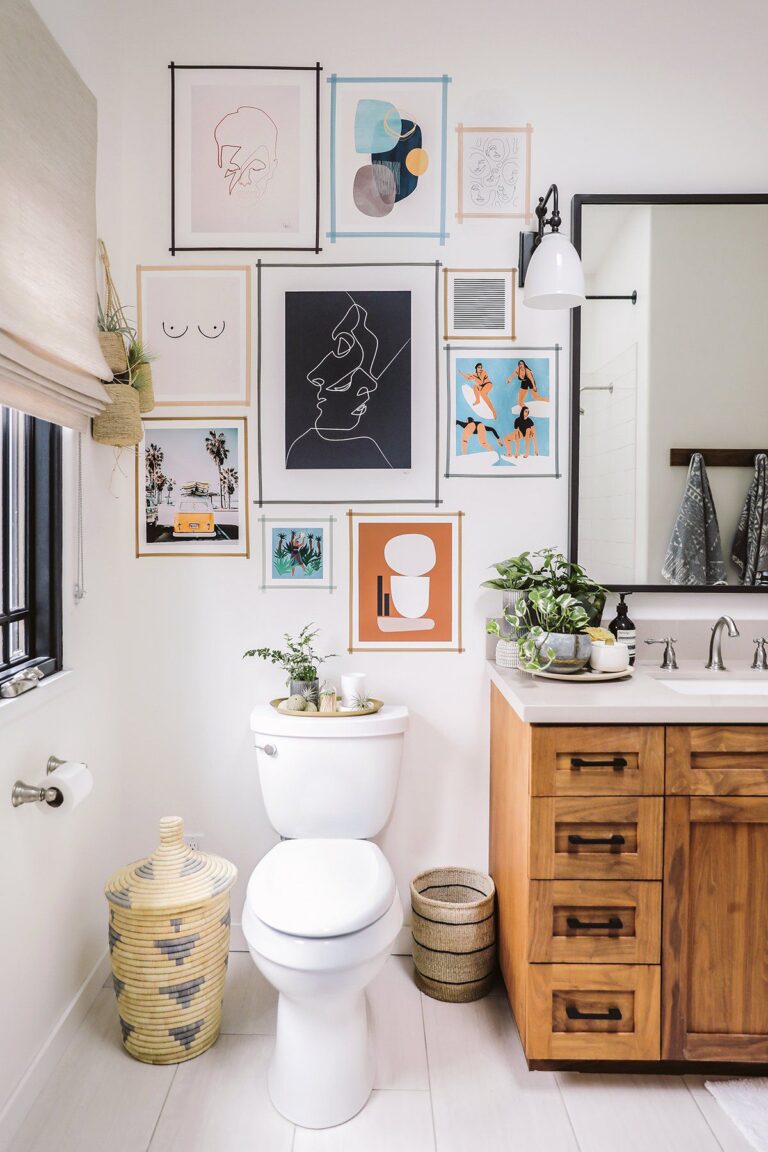
- Group art to create a balanced gallery wall.
Choose durable finishes and protect the carpet
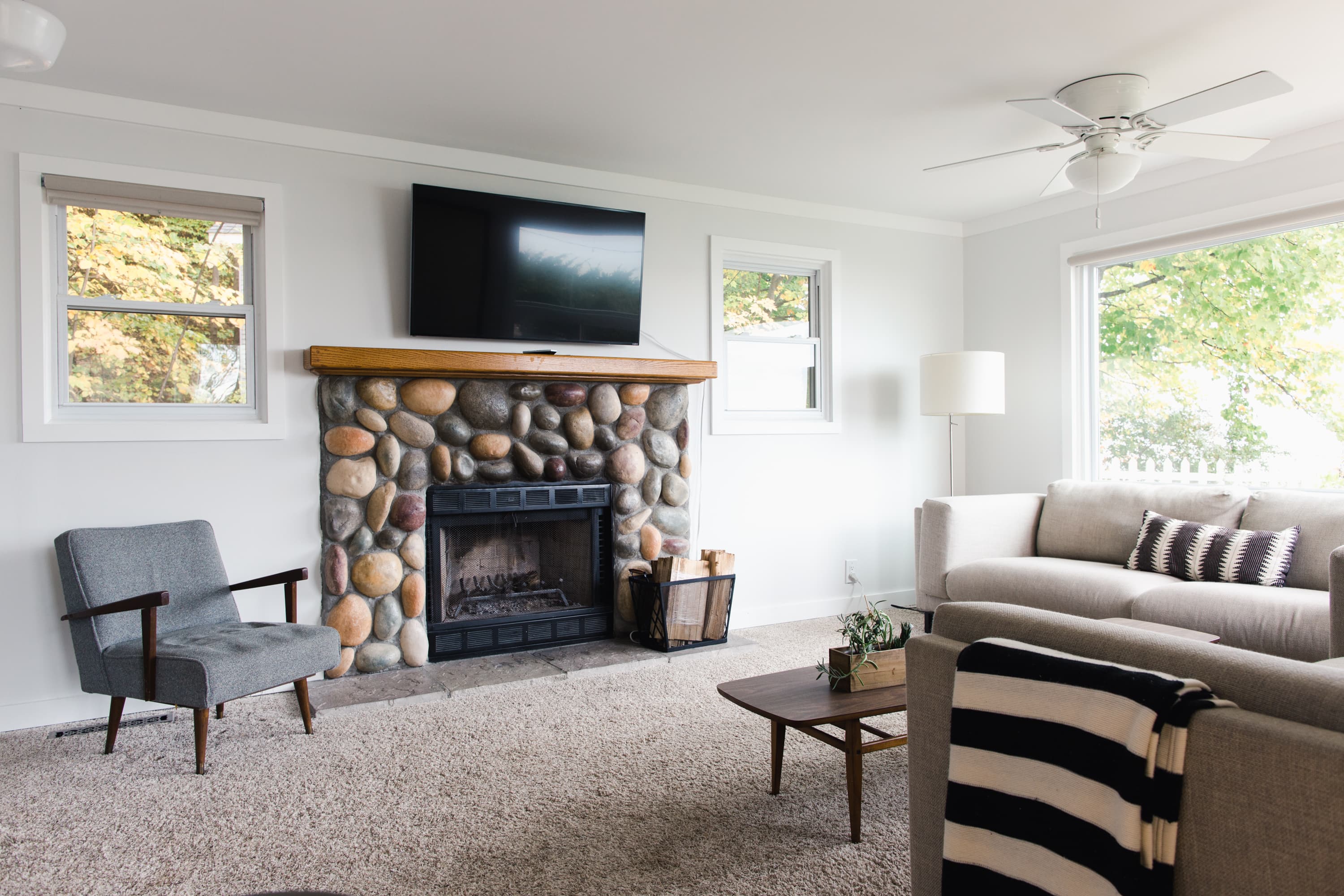
Select furniture finishes that resist scuffs and stains. Use area rugs in entry points to trap dirt. Place felt pads under furniture legs to avoid crushing the pile. Consider stain-resistant treatments if you have kids or pets.
- Clean spills quickly to protect carpet fibers.
- Rotate furniture periodically to even out wear.
- Use trays under houseplants to catch water.
Maintain and clean the carpet for long-term beauty
A clean carpet keeps the whole room looking fresh. Vacuum high-traffic areas twice a week. Schedule a deep clean every 6 to 12 months depending on use. Spot-treat stains with gentle solutions and test in an out-of-sight area first.
- Blot stains—don’t rub—to avoid spreading.
- Use a HEPA vacuum to reduce dust and allergens.
- Keep shoes off carpet if you want longer life.
Design solutions for small or oddly shaped rooms
Small or awkward rooms can feel cozy when you use simple tricks. Use light colors and low-profile furniture to open sightlines. Place mirrors to reflect light and visually expand space. Arrange furniture to create clear breathing room.
- Use multi-use furniture like ottomans with storage.
- Float furniture away from walls to create flow.
- Keep clutter hidden with baskets and built-in storage.
Budget-friendly updates that make a big impact
You don’t need a big budget to refresh a carpeted living room. Swap pillows, add a new rug, or repaint a single wall. Reupholster chair cushions or change lamp shades for a fresh look. Small changes can transform how the carpet reads in the room.
- Shop secondhand for unique finds.
- DIY simple artwork to match your palette.
- Focus budget on layered lighting and a quality rug.
Personal lessons, common mistakes, and pro tips
I once bought a bright area rug that clashed with a gold-toned carpet. Lesson learned: always test colors together. Avoid moving heavy furniture without pads. Bring samples home and live with them for a week before committing.
- Test swatches near the carpet under real light.
- Buy a rug pad to protect both rug and carpet.
- Plan layout on paper first to avoid costly mistakes.
Frequently Asked Questions of how to decorate a carpeted living room
How do I pick a rug for a carpeted living room?
Choose a rug that works with the carpet’s pile and color. Use a low-profile rug and a non-slip pad to keep it steady. Make sure the rug is large enough to anchor furniture.
Can I layer rugs on top of carpet without it looking messy?
Yes. Pick contrasting textures and keep colors coordinated. Use a rug pad to stop slipping and place larger pieces under furniture legs.
What carpet colors are easiest to decorate around?
Neutral colors like beige, gray, and taupe are the most flexible. They let you change accents often without clashing. Subtle patterns also hide wear well.
Will heavy furniture damage my carpet?
Heavy furniture can leave indentations over time. Use protective pads or coasters under legs. Rotate furniture occasionally to reduce permanent marks.
How often should I deep clean a carpeted living room?
Deep clean every 6 to 12 months, more often if you have pets or kids. Vacuum high-traffic areas more often to extend time between deep cleans. Treat stains right away to avoid permanent damage.
Final thoughts and next steps
Decorating a carpeted living room is about balance and smart choices. Start with a plan, pick a palette, and layer texture for depth. Take small steps and test ideas before you commit.
Try one change this weekend. Swap a rug or add new pillows and see the difference. Leave a comment with your room photos or subscribe for more practical design tips.