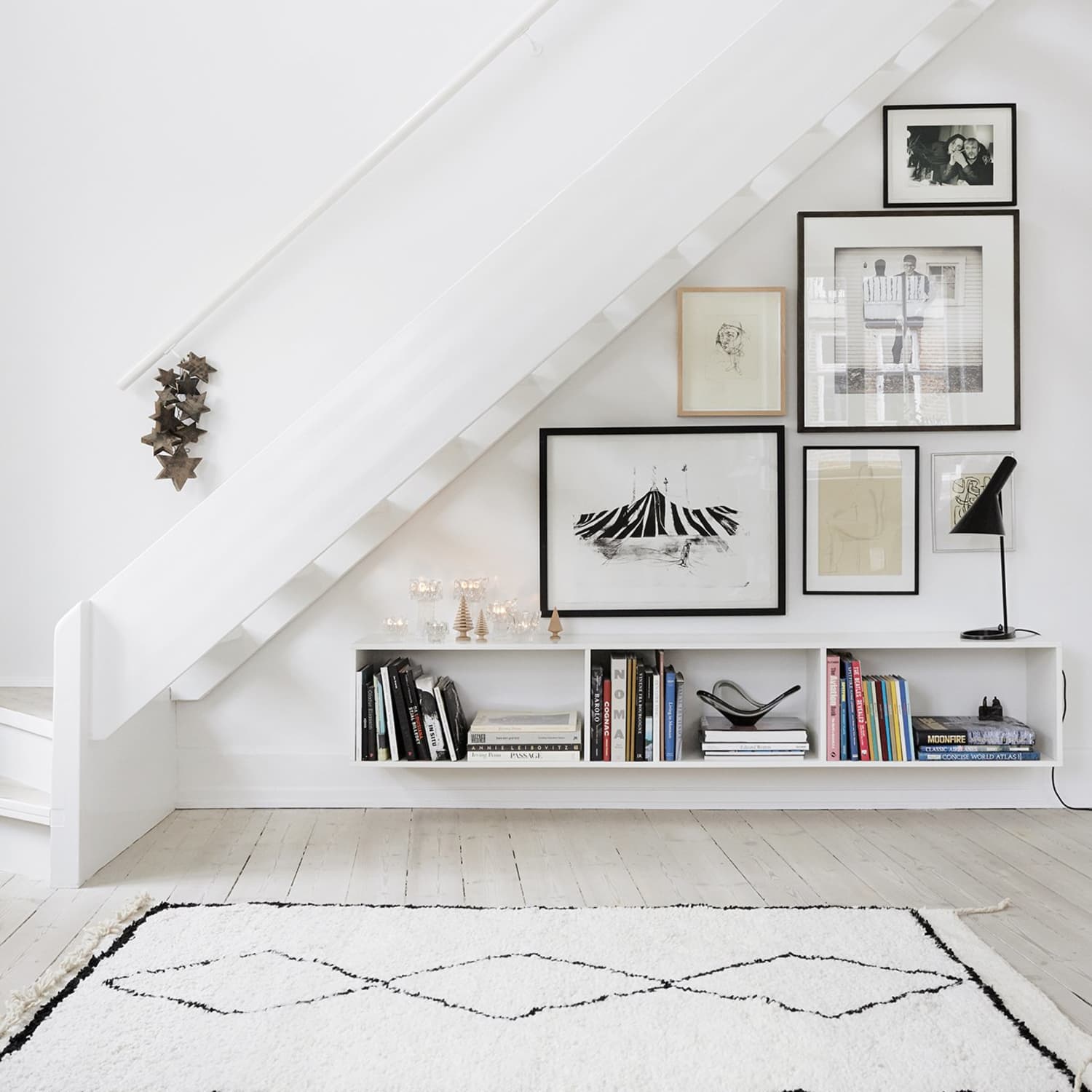
Use angled shelves, layered lighting, and scaled art to turn the angle into a feature.
I’ve designed and lived with unusual spaces for years, so I know how intimidating an angled wall can feel. This guide walks you through practical, tested ways to decorate an angled wall in a living room so it looks intentional, balanced, and inviting. You’ll get planning steps, styling ideas, DIY tips, and real-life lessons I learned from projects that succeeded and a few that taught me what not to do. Read on to transform that angled wall into the room’s best feature.
Why an angled wall can be an advantage
Angled walls add character and can make a living room feel custom. They create natural focal points you can highlight. When treated right, angled walls make a room feel cozy and dynamic rather than awkward. Think of the angle as a stage for art, light, or a built-in function.
How to plan before you decorate an angled wall in the living room
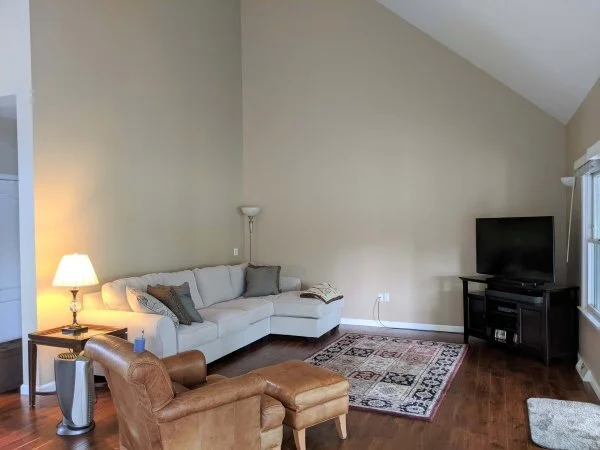
Measure the angle and the wall height. Note outlets, vents, and traffic paths. Decide the wall’s purpose: focal art, TV, storage, or a simple accent. Sketch a few layouts on paper or in a basic app to test scale and flow. Planning prevents costly mistakes and helps you pick the right furniture and fixtures.
Smart design strategies for how to decorate an angled wall in The living room
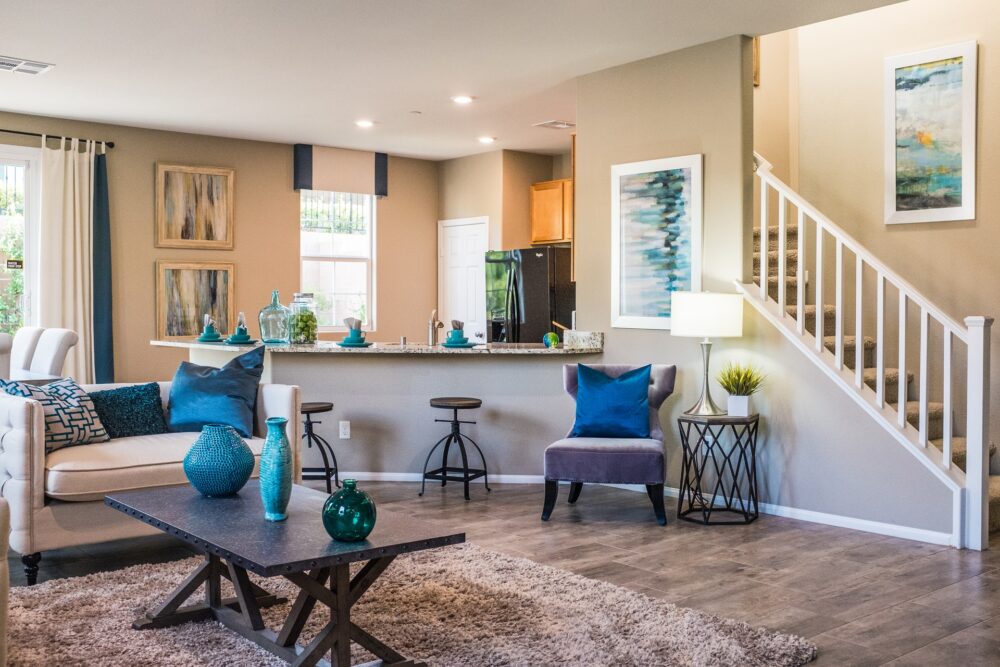
Here are proven approaches to use or combine. Each idea is simple to implement and works with many styles.
- Create a gallery wall using mixed frames. Keep spacing small to follow the angle and unify with a consistent mat or frame color.
- Install floating shelves that follow the angle. Use the shelves for books, plants, and small art to soften the line.
- Add a slim console or low cabinet that runs parallel to the angle. This anchors the wall and keeps sight lines open.
- Hang one large statement piece that aligns with the peak or slope. A single bold artwork simplifies visual clutter.
- Mount the TV on a swivel bracket if the angle affects viewing. Add a slim media unit below to hide gear.
- Paint the angled wall a different color or use wallpaper. Color can visually shorten or lengthen the angle depending on the tone.
- Use mirrors of various sizes to reflect light and make the room feel larger. Position mirrors to bounce light from a window or lamp.
Furniture, scale, and placement tips
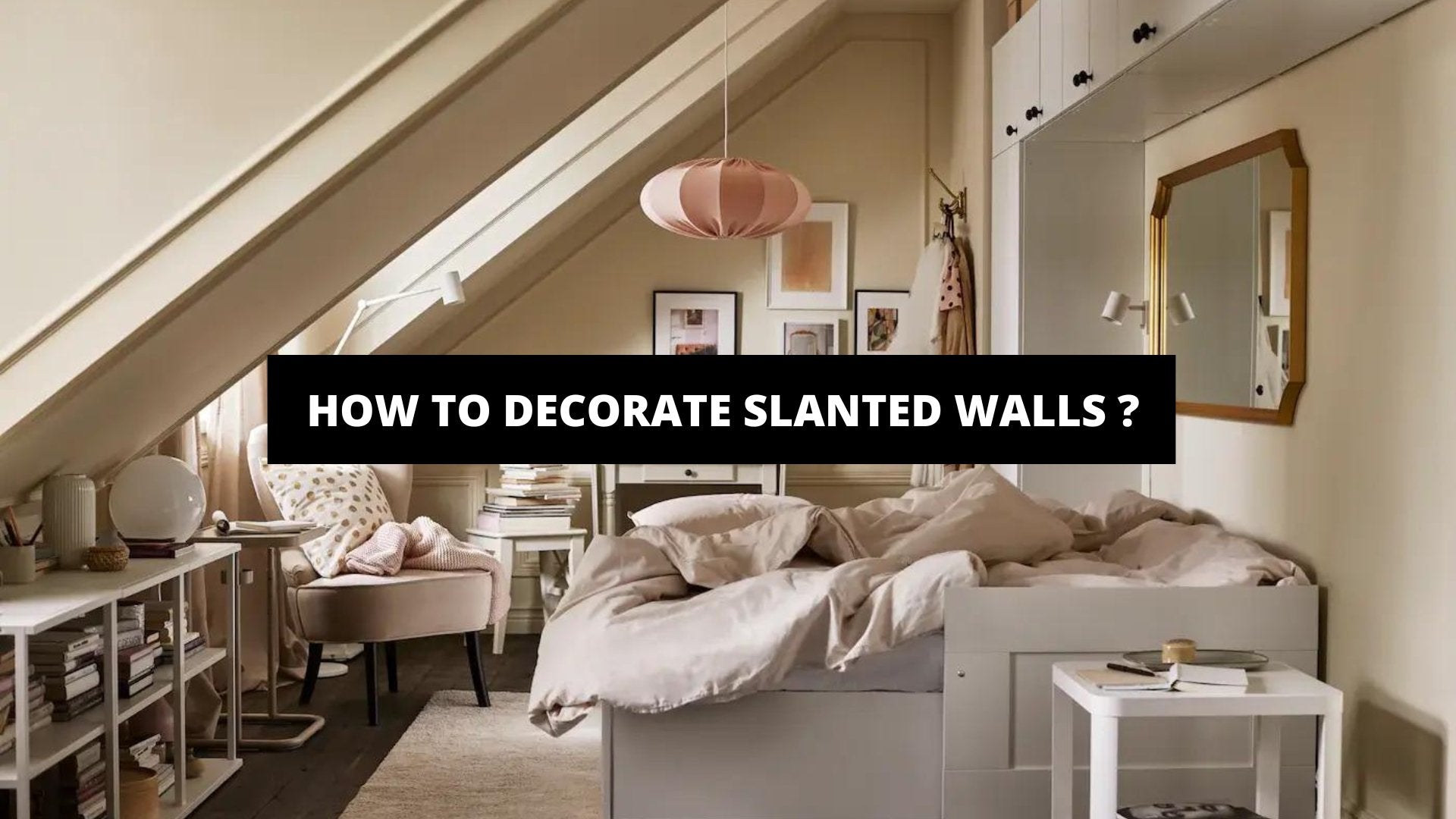
Choosing the right size furniture solves most awkwardness. Small rooms need low-profile pieces. Taller pieces work if set away from the acute part of the angle.
- Use a narrow sofa or sectional that follows the wall line. It preserves walking space and highlights the angle.
- Place a focal chair or reading nook in the wider section. Add a floor lamp to anchor the spot.
- Keep clearance around doors and pathways. Aim for at least 30 inches for traffic flow.
- Anchor with a rug that defines the seating area. Let the rug sit parallel to the room’s main axis, not the angle.
Built-ins, shelving, and storage solutions
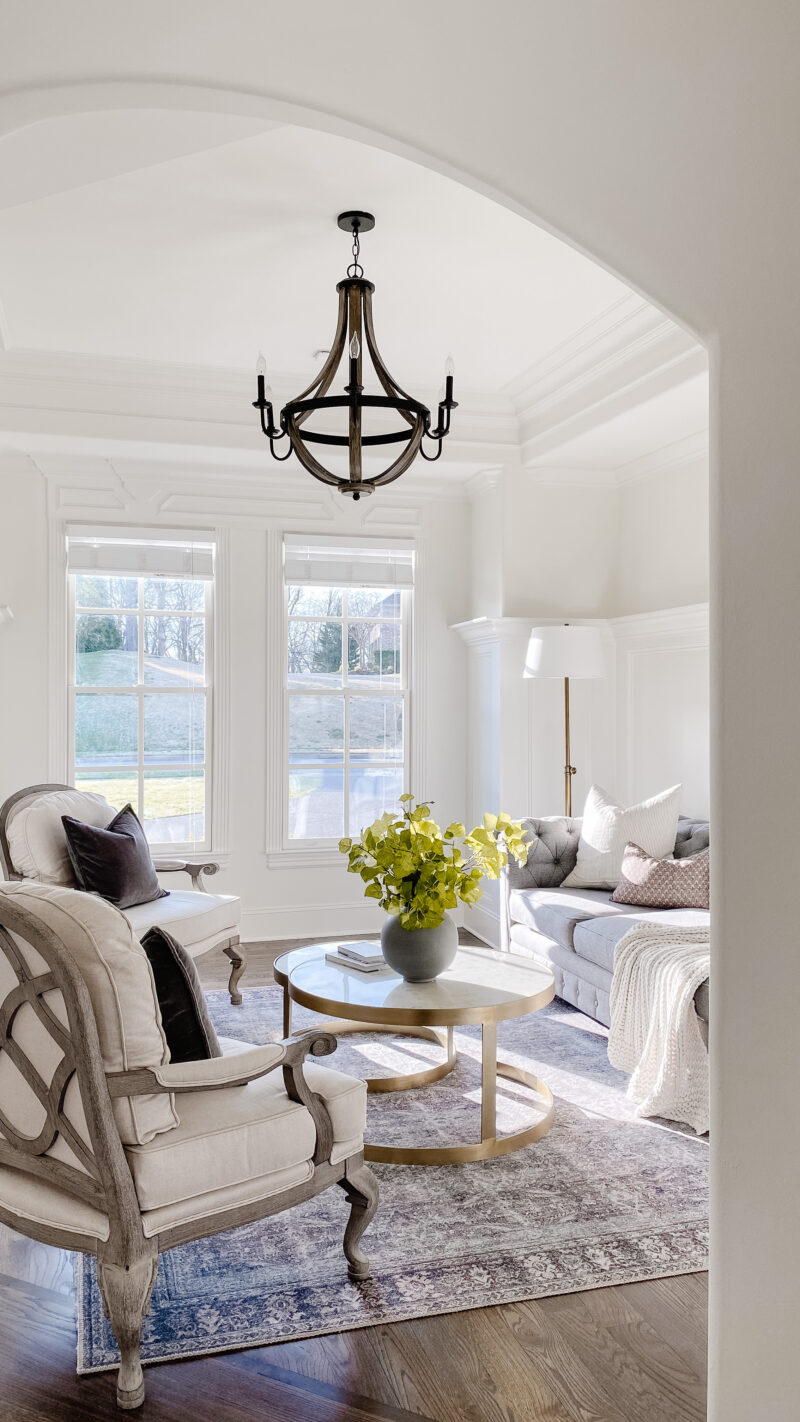
Built-ins turn an oddly shaped wall into a strength. Custom shelving can fit the slope and give a neat, tailored finish.
- Commission shallow built-ins that step down with the angle. They provide storage without feeling heavy.
- Use modular shelving units you can trim or stack to follow the slope. This keeps costs lower than full custom work.
- Add closed cabinets at the lower end and open shelves higher up. It balances visual weight and hides clutter.
- Include integrated lighting on shelves to show objects and keep the wall from looking flat.

Lighting and color strategies
Light and color shape perception. You can soften sharp angles or make them pop, depending on your goal.
- Use layered lighting: a mix of ambient, task, and accent lights. Track lighting or adjustable spotlights work well on angled ceilings and walls.
- Install wall washers to even out the light and make the art read well. This reduces harsh shadows.
- Choose colors based on mood. Warm tones cozy up the angle, while cool tones recede from it.
- Use vertical stripes or a gradient to guide the eye along or away from the angle, depending on the desired impact.
Textures, plants, and accessories that help
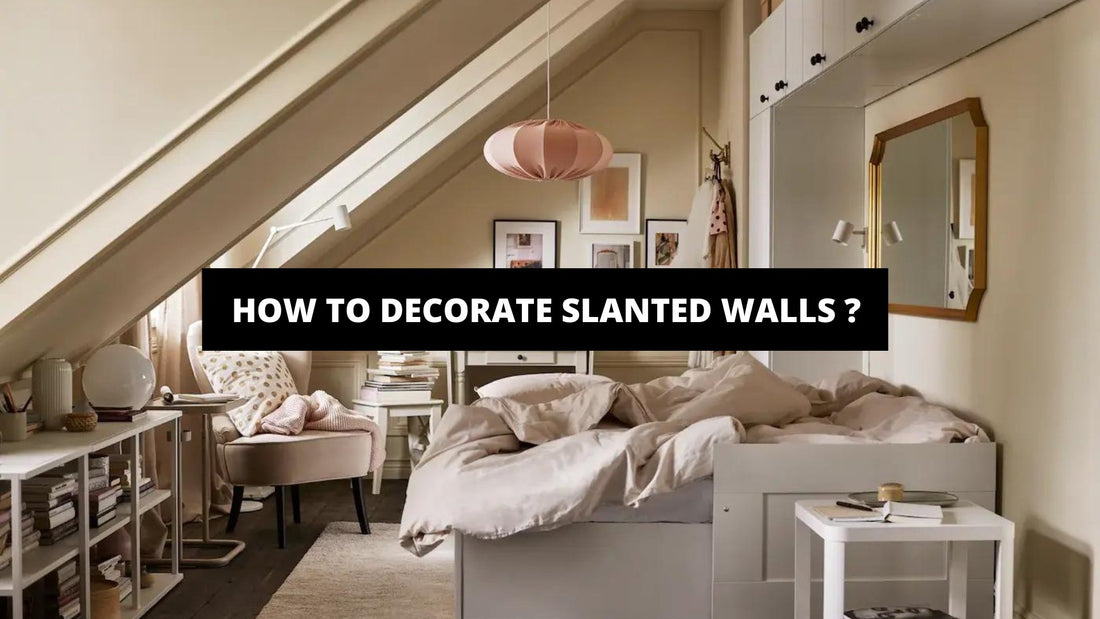
Small touches make the angle feel natural and curated. Textures and greenery soften edges and add life.
- Add tall plants at the taller end of the angle to balance height. Use planters in different finishes for contrast.
- Layer textiles: cushions, throws, and a textured rug make the space inviting.
- Use objects with round shapes to contrast the sharp line of the angle. Lamps, vases, and poufs help.
- Keep clutter controlled. Too many items on angled shelving read messy faster than on a straight wall.

Mistakes to avoid when you decorate an angled wall in a living room
I learned these the hard way on an early project. Avoiding them saves time and money.
- Don’t buy oversized furniture without measuring first. It overwhelms the angle.
- Don’t center art strictly on the wall’s midpoint if sight lines are skewed. Center visually with furniture and seating.
- Don’t ignore lighting. A poorly lit, angled wall looks heavy and awkward.
- Don’t waste money on complex custom work before trying simple modular options first.

DIY checklist for tackling an angled wall project
A step-by-step plan helps you act with confidence. Follow this list to complete a basic makeover.
- Measure the wall, angle, and ceiling height. Record outlets and obstacles.
- Choose the wall’s main purpose: art, TV, storage, or accent.
- Pick a color palette and lighting plan. Test paint swatches in different lights.
- Source furniture and shelving that fit the measurements. Mock-up with tape on the floor.
- Install lighting first, then shelves or art, and finally furniture and accessories.
- Edit down items. Keep the final look clean and intentional.
Personal lessons and real-life examples
On one project, I used staggered floating shelves to follow a steep angle. The shelves became a display and storage space. Visitors often ask if the shelves were custom. They weren’t. I used adjustable brackets and cut shelves to size. That saved a lot of money and gave the same tailored look.
On another job, I painted the angled wall a deep green and added a single oversized art piece. The room felt cozier, and the angle read as designed. My mistake once was centering art by the wall midpoint instead of the seating, which made the composition feel off. I moved the art to align with the sofa, and it improved instantly.
Budgeting and material suggestions
You can work with any budget. Here are cost-effective choices and durable options.
- Low budget: modular shelves, DIY framed prints, affordable paint. These refresh the wall quickly.
- Mid budget: custom-cut floating shelves, quality lighting fixtures, professional paint finish.
- High budget: built-in cabinetry, custom millwork, designer lighting. These deliver a seamless look.
Choose materials that match traffic and use: laminate for lower cost, wood veneer for warmth, and solid wood for longevity.
How to maintain and evolve your angled wall over time
A well-done angled wall should evolve with you. Keep these simple habits.
- Rotate art or decor seasonally to keep the space fresh.
- Dust shelves and clean light fixtures every month.
- Reassess layout after big furniture purchases to maintain balance.
- Update trim or paint every 5–10 years to keep the finish crisp.
Frequently Asked Questions About How To Decorate An Angled Wall In Living Room
What is the first step when you decorate an angled wall in a living room?
Measure the wall and note obstacles like vents and outlets. Decide the wall’s main use: focal, storage, or TV.
Can I hang a TV on an angled wall in the living room?
Yes, use a compatible swivel mount and check viewing angles. Add a low media console for storage and heat management.
Are built-ins worth it for an angled wall in the living room?
Built-ins look great and add value, but cost more. Consider modular or semi-custom units for a budget-friendly option.
How do I choose artwork for an angled wall in The living room?
Pick art that relates to the seating arrangement and sight lines. Large single pieces or tight gallery clusters both work well.
How can lighting improve an angled wall in a living room?
Layered lighting reduces harsh shadows and highlights features. Use wall washers, adjustable track lights, or shelf-integrated LEDs.
Conclusion
Angled walls in a living room offer unique design opportunities. With good planning, the right scale, and smart lighting, you can make the angle a highlight. Start by measuring and choosing a clear purpose for the wall. Then test simple solutions like floating shelves, a single large artwork, or a tailored paint color before committing to big changes. Try one idea this weekend—measure, mock up with tape, and see how small shifts can make a big difference. If this guide helped, leave a comment or subscribe for more room-by-room tips.