Reattach, sand, fill, and seal peeling paint with clear sealer or stylish wall coverings.
I’ve repaired dozens of peeling walls without a full repaint. In this guide I explain how to fix peeling paint on wall without repainting, step by step. I draw on hands-on experience, common trade practice, and easy, budget-friendly fixes you can try today. Read on to learn simple, low-mess methods to stop flakes, hide damage, and restore a clean look without repainting the whole wall.
Why paint peels and why it matters
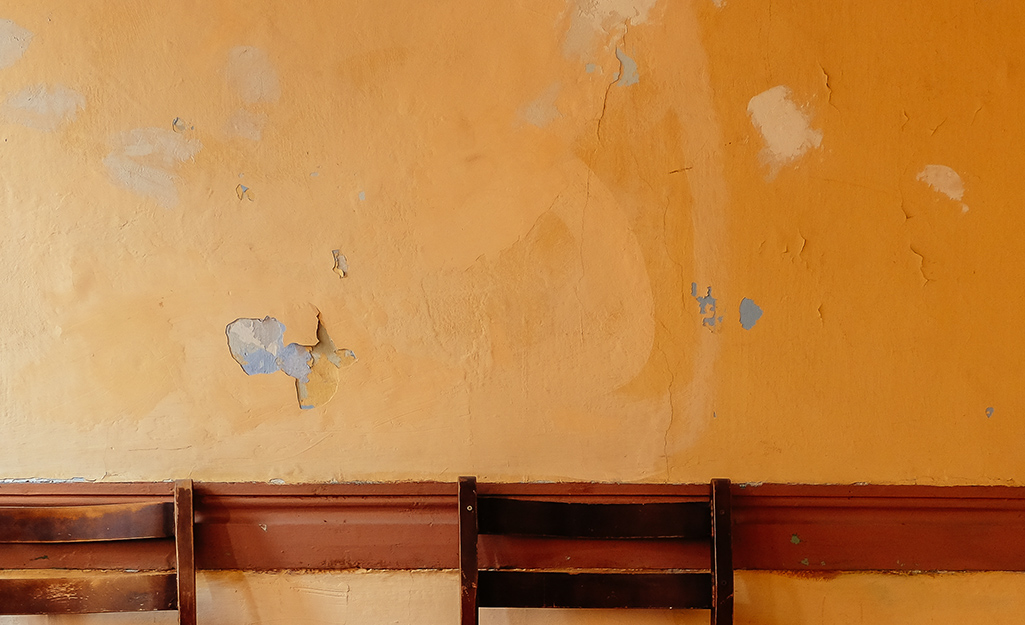
Paint peels for a few clear reasons. Moisture, bad adhesion, dirty surfaces, and old paint layers are common causes.
Peeling paint can let moisture get deeper into the wall. That causes stains, mold, and bigger repair costs if you ignore it.
Understanding the cause helps choose the right fix when you want to know how to fix peeling paint on wall without repainting.

How to assess the damage quickly
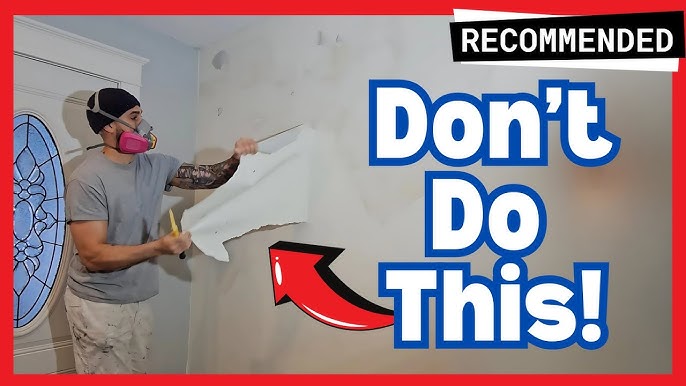
Start with a simple check. Gently press on loose paint. Tap or pull a small flake to see if it comes off easily.
Look for soft spots, bubbling, mold, or a damp smell. Note the size of the peeled area—small spots need different work than large panels.
You can decide how to fix peeling paint on wall without repainting after this quick assessment.
Tools and materials you’ll need
Gather these basics before you start.
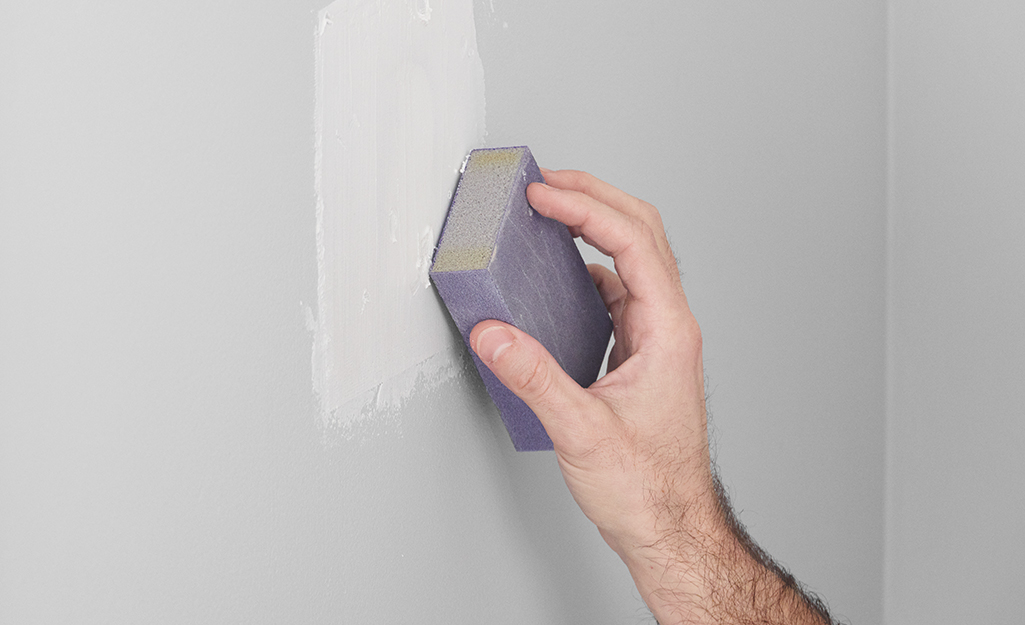
- Sandpaper: 120 and 220 grit for feathering edges.
- Putty knife: for lifting loose paint and applying filler.
- Spackling compound or lightweight joint compound: to fill gaps.
- Clear matte sealer or shellac: to lock edges and stop lift.
- Painter’s tape and drop cloths: to protect floors and trim.
- Rubbing alcohol or trisodium phosphate cleaner: to remove grease and dust.
- Fine nylon brush and adhesive (contact cement or PVA primer for bonding): to reattach flakes.
Having the right tools makes it easier to fix peeling paint on wall without repainting.

Step-by-step methods to fix peeling paint on wall without repainting
Below are practical ways to repair peeling paint without committing to a full repaint. Pick the method that matches your damage and goals.
1. Reattach small flakes
- Clean the loose area with rubbing alcohol. Let it dry.
- Apply a thin bead of PVA glue or wall adhesive behind the flake. Press down and wipe excess.
- Lightly sand around the edge when dry to blend the surface.
This method works well when flakes are small and the old paint still bonds to the wall. It’s a quick way to fix peeling paint on wall without repainting.
2. Sand and feather the edges
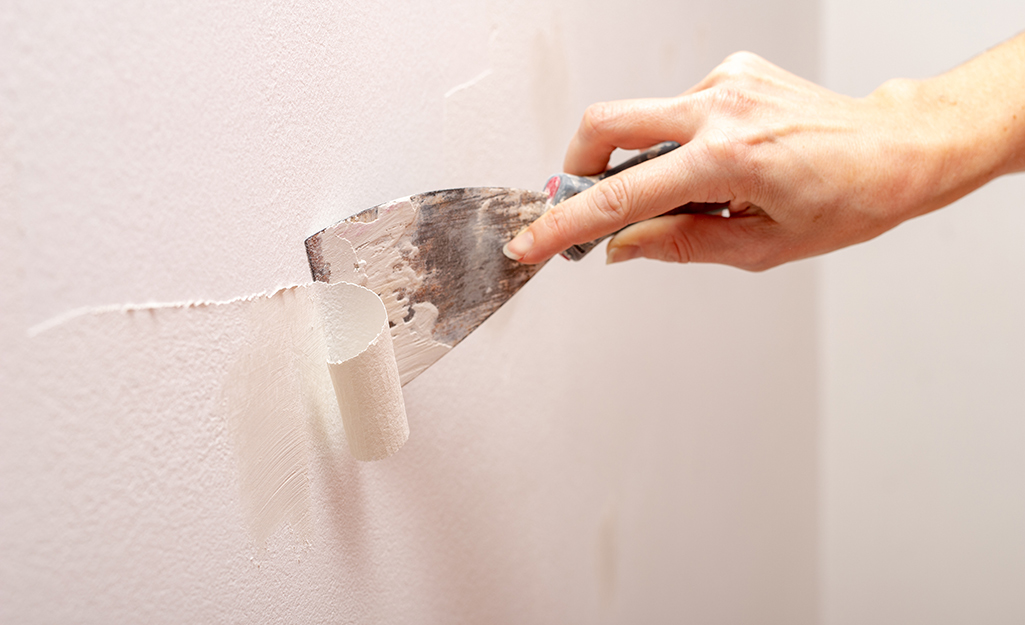
- Remove any loose paint with a putty knife. Do not gouge the wall.
- Use 120 grit to remove rough edges, then 220 grit to feather the paint edge into the bare wall.
- Clean dust with a damp cloth and let dry.
Feathering reduces visible ridges so you can seal or touch the spot without repainting large areas.
3. Fill holes and irregularities
– For chipping and small gaps, use spackling compound or lightweight joint compound.
- Apply thin layers with a putty knife and let each layer dry. Sand smooth between coats.
- Keep the repair shallow so it blends with the surrounding paint.
Filling and smoothing is key to make a sealed repair look neat when you want to fix peeling paint on wall without repainting.
4. Seal with a clear matte sealer or shellac
- After repair and sanding, apply a clear matte water-based polyurethane or shellac over the patched area and feather into the surrounding paint.
- Use thin coats and allow full drying between layers.
- Shellac blocks stains and primes weak edges. A clear sealer stops lift without adding visible new color.
Sealing is often the simplest way to stabilize a repaired area when you do not want to repaint.
5. Use a bonding primer or peel-stop liquid (when strictly necessary)
- For flaky areas that still want to lift, a targeted coat of bonding primer or peel-stop liquid can lock paint down.
- Apply only to the repaired or affected area following product directions.
- Let it dry fully, then top-seal with a clear matte coat if you don’t want to add color.
This is a halfway choice that can stop further peeling while avoiding a full repaint.
6. Cover or disguise large areas without repainting
If the peeled area is large or unsightly, consider covering it.
- Peel-and-stick wallpaper or panels: quick and decorative.
- Fabric stretched over the wall or a large tapestry: hides damage and adds texture.
- Decorative wall tiles or beadboard: more permanent but effective.
Cover-ups let you fix peeling paint on wall without repainting and can refresh the room’s look.
7. When touch-up paint is acceptable
- If you have leftover original paint, spot touch-ups are fine for tiny chips. Match finish and apply sparingly.
- Avoid large brush strokes that create an obvious patch. Feather edges and blend carefully.
Touch-ups are technically repainting small spots, but they’re a fast way to hide flaws without a full job.
Safety and drying tips
- Work in a well-ventilated space when using shellac or bonding products.
- Wear gloves and a dust mask when sanding.
- Allow full cure time before applying sealers or coverings.
Good safety keeps the repair durable and low stress.
My real-world tip and a short story
I once had a kitchen wall where paint peeled near the sink. I reattached flakes with PVA glue, filled small hollows with spackle, and sealed the area with clear shellac. The spot held through humidity and cleaned easily. The fix was cheaper and faster than repainting the whole wall, and guests never noticed the repair. That hands-on experience shows how to fix peeling paint on wall without repainting for many small to medium problems.
Preventing more peeling in the future
- Fix leaks and improve ventilation to reduce moisture.
- Clean and dry surfaces before painting or sealing.
- Avoid heavy scrubbing that removes top layers.
- Use dehumidifiers in damp rooms.
Prevention helps you avoid repeating the need to learn how to fix peeling paint on wall without repainting.

Frequently Asked Questions of how to fix peeling paint on wall without repainting
How do I know if the paint can be repaired without repainting?
If the loose area is small and the substrate is sound, you can usually repair without repainting. Large blistering or widespread adhesion failure often needs a full repaint.
Can I use superglue to reattach paint chips?
Superglue can work for tiny chips but can become brittle and visible over time. Use PVA glue or a flexible wall adhesive for better long-term results.
Will clear sealer change the wall’s sheen or color?
A high-quality clear matte sealer is designed to keep color and sheen nearly unchanged. Test in a small area first to confirm the result.
Is sanding always required to fix peeling paint?
Sanding is recommended to feather edges and create a smooth repair, but very small reattachments may not need heavy sanding. Light sanding improves adhesion of sealers.
Can I DIY these repairs or should I hire a pro?
Most small to medium repairs are DIY-friendly with basic tools and patience. Hire a pro if the wall has structural moisture problems, mold, or very large peeling areas.
Conclusion
You can stop peeling paint and restore a neat wall look without a full repaint by reattaching flakes, sanding and filling, and sealing or covering the area. Choose the method that fits the size of the damage and your comfort level. Try one of the simple fixes here and protect the area from future moisture to keep the repair lasting. If this helped, try a small patch today, and share your results or questions in the comments — I’d love to help.