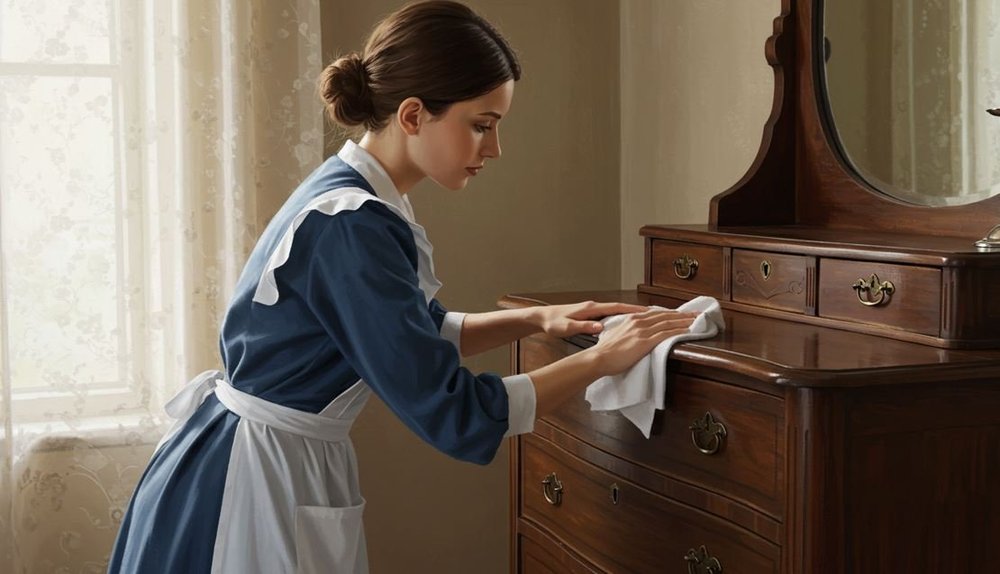
Wipe, clean, deodorize, and air out the drawers using baking soda and vinegar.
I’ve worked on dozens of vintage and hand-me-down pieces, so I know how stubborn old-wood smells can be. This guide explains how to get smell out of old dresser with simple steps, safe products, and honest troubleshooting. Read on for practical advice, tested methods, and small tricks that save time and preserve wood.

Why old dressers smell and what causes it
Old dressers hold smells from years of use. Moisture, mildew, spilled liquids, old perfumes, smoke, and trapped fabric odors all sink into wood and linings. Paint, varnish, or adhesives can also off-gas, giving a chemical or musty scent.
Knowing the cause helps choose the right method to get smell out of old dresser. If it’s mold or mildew you need cleaning and drying. If it’s old perfume or smoke you need deeper deodorizing and airing. I’ll show options for each source and how to identify them.
Supplies and safety before you start
Gather basic items before you begin. You’ll want baking soda, white vinegar, mild dish soap, microfiber cloths, a vacuum with brush tool, activated charcoal or odor absorbers, cotton balls, and gloves. Optional items include enzymes for organic smells or a small ozone generator for severe smoke issues.
Work in a well-ventilated area and test cleaners on a hidden spot first. Use gloves when handling cleaners or moldy areas, and wear a mask if dust or spores are present. Safety matters when you try to get smell out of old dresser, especially with mold or chemical odors.

Step-by-step: How to get smell out of old dresser
-
Empty and air the dresser
- Remove all contents, liners, and loose parts. Take drawers outside on a dry day if you can.
- Leave drawers open and let air move through for several hours or days. Fresh air often solves light odors.
-
Vacuum and dry-brush
- Use a vacuum with a brush attachment to remove dust, crumbs, and spider webs from corners and seams.
- Follow with a soft brush or cloth to loosen trapped debris that feeds odors.
-
Clean surfaces with mild soap solution
- Mix warm water with a few drops of mild dish soap. Wring cloth so it’s damp, not wet.
- Wipe all surfaces, including underside of drawers and inside carcass. Rinse cloth and repeat until cloth comes away clean.
-
Treat mold or mildew spots
- Use a 1:1 mix of white vinegar and water on affected spots. Let sit for 10 minutes, then wipe and dry.
- If mildew returns, treat again and ensure the piece fully dries in sun or a dry room.
-
Deodorize with baking soda or activated charcoal
- Sprinkle baking soda in drawers or place open boxes. Leave for 48–72 hours, then vacuum out.
- For stronger work, set jars of activated charcoal inside drawers to absorb deep scents.
-
Use vinegar or coffee grounds for stronger odors
- Place a bowl of white vinegar inside a drawer and close for 24–48 hours. The vinegar absorbs many smells.
- Coffee grounds work similarly and add a neutral scent while pulling odor molecules out of wood.
-
Final wipe and condition wood
- Wipe surfaces with a damp cloth, then dry quickly to avoid warping.
- Finish with a light coat of natural oil or wax to restore wood and seal pores slightly. This helps repel future odors.
I repeat these steps when I need to get smell out of old dresser. Multiple gentle treatments beat harsh chemicals and protect the wood.
Natural deodorizing methods that work
Baking soda is the classic option to get smell out of old dresser. It absorbs acids and odors. Leave a shallow layer in drawers or set out bowls, and swap every few days.
White vinegar neutralizes many smells through mild acid action. It won’t harm most finishes when diluted and used sparingly. Activated charcoal is ideal for long-term odor absorption. Place sachets or small open containers inside drawers.
Other natural options
- Coffee grounds placed in a shallow tray reduce smoky and musty notes.
- Citrus peels add a fresh scent but remove them after a day or two to avoid mold.
- Dryer sheets can mask smells temporarily but won’t remove deep-set odors.
From my experience, a combination of airing, baking soda, and charcoal is the most effective natural routine to get smell out of old dresser without damaging finishes.
When odors are stubborn: deep fixes and repairs
If smells persist after cleaning, consider these deeper fixes. Replace drawer liners and fabric backs. Remove and replace any rotten wood or particleboard that traps moisture. If the smell is from smoke or heavy chemicals, professional restoration or a mild ozone treatment may be needed.
Refinish only when necessary. Sanding and re-staining will remove surface-absorbed odors, but sanding can be time consuming and risky for antique value. For antiques, opt for surface cleaning and conservation methods so you preserve patina while trying to get smell out of old dresser.

Prevention: Keep your dresser smelling fresh long-term
Prevention is easier than fixing a bad smell. Line drawers with breathable liners and cedar or lavender sachets. Keep clothes clean and dry before storing them. Air out dressers periodically and avoid placing them in damp basements.
Routine tips I use
- Rotate sachets every few months.
- Inspect for leaks after storms.
- Use a small silica gel packet in each drawer to control humidity.
Follow these habits to stop future odors and maintain the value and comfort of your furniture.
Frequently Asked Questions of how to get smell out of old dresser
How long does it take to remove odors from an old dresser?
Most light odors improve within 48–72 hours with airing and baking soda treatment. Deep or smokey odors can take weeks and may need repeated treatments.
Is vinegar safe to use on antique finishes?
Diluted vinegar is usually safe when used sparingly and wiped off quickly. Test on a hidden area first; avoid strong scrubbing on delicate finishes.
Can I use bleach to remove mold smells?
Bleach can kill surface mold but may damage wood and finishes and won’t penetrate porous material well. Use vinegar or a specialized mold cleaner and ensure thorough drying instead.
Will sanding the dresser remove the smell?
Sanding removes surface-absorbed odors and old finishes, but it’s labor intensive and can reduce antique value. Consider sanding only as a last resort or on non-valuable pieces.
How often should I air out a dresser to prevent smells?
Air drawers for a few hours every month or after humid weather. For long-term storage, air and check items seasonally.
Can I get strong smoke smell out of an old dresser?
You can reduce smoke smell with repeated airing, activated charcoal, baking soda, and optional ozone treatments. Severe cases may require professional refinishing or restoration.
Are commercial odor removers safe for wood?
Many are safe if labeled for wood and used per instructions. Always test and use minimal amounts to avoid residue or finish damage.
Conclusion
Getting smell out of old dresser is straightforward with the right steps: air, clean, deodorize, and dry. Start with gentle, natural methods and move to deeper fixes only if needed. My advice from years of restoring furniture is to be patient; repeated gentle treatments protect wood and yield the best results.
Try these methods this weekend, and leave a comment about what worked for you or what stumped you. If you want more guides on furniture care, subscribe or check other posts for step-by-step restoration help.