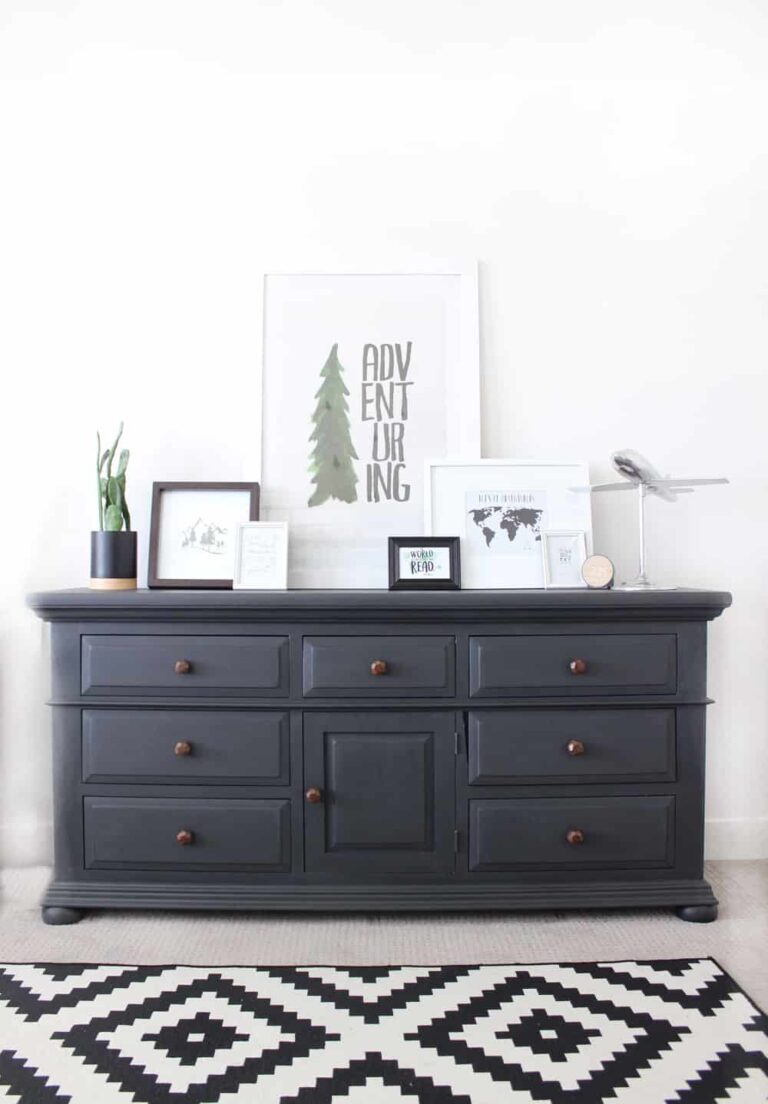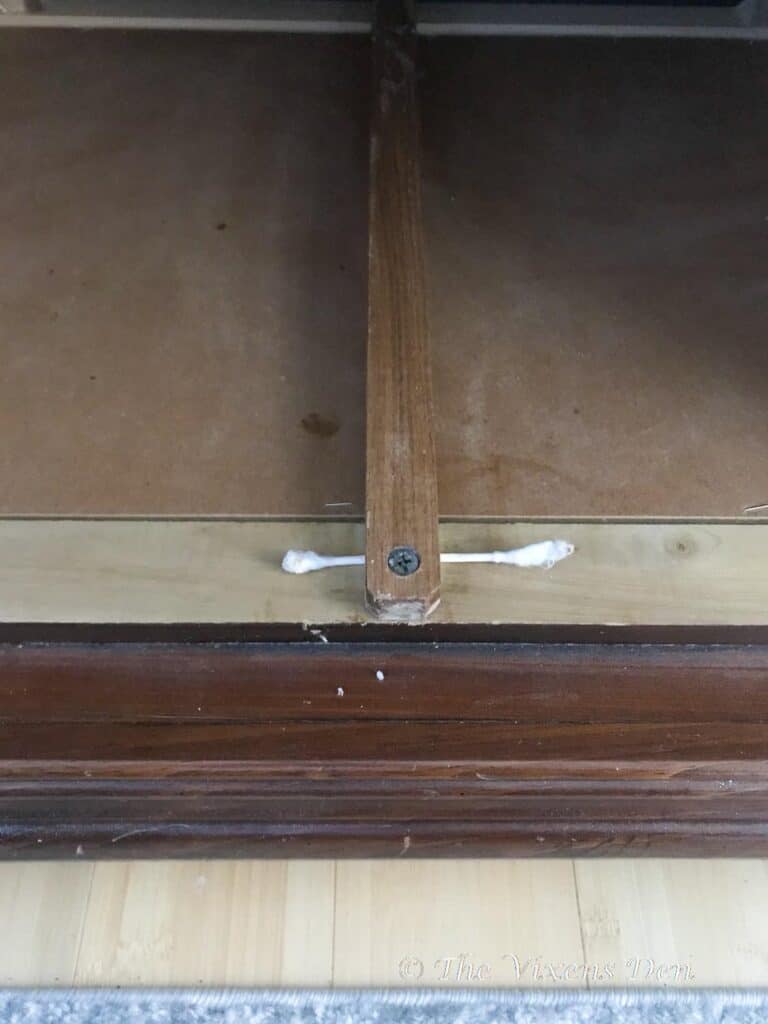
Add legs, risers, or a solid platform to make your dresser taller safely and stylishly.
I’ve spent years refinishing furniture and helping friends adapt pieces to new spaces. In this guide I’ll walk you through practical, safe, and attractive ways to make a dresser taller. You’ll get step-by-step instructions, tool lists, real-life tips from my projects, and safety advice so you can choose the best method for your dresser and room. Read on to learn exactly how to make a dresser taller without compromising stability or style.

Tools and materials you’ll need
Choose tools and parts that match the method you pick. Below are common items I use in my shop and at home.
- Basic tools: tape measure, pencil, level, drill, screwdriver, socket set.
- Wood items: 2x4s, plywood, hardwood legs, blocks, or furniture-grade shims.
- Fasteners and hardware: wood screws, corner braces, construction adhesive, lag bolts, metal brackets.
- Finishing supplies: sandpaper, stain or paint, wood filler, primer, topcoat.
- Safety gear: gloves, safety glasses, dust mask.
I recommend planning the project before buying anything. Measure both the dresser and your room to choose the right height.
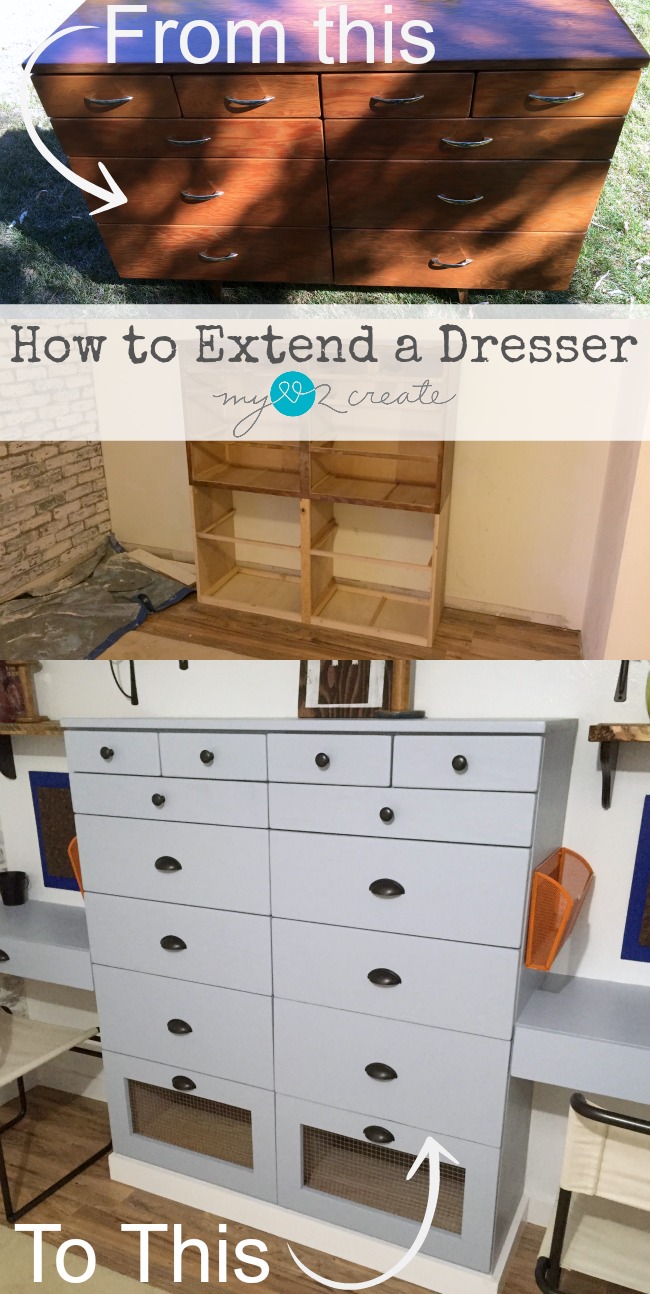
Overview of methods to make a dresser taller
There are several reliable ways to make a dresser taller. Each one fits different skill levels, styles, budgets, and safety needs.
- Add new legs or replace old legs with taller ones.
- Use leg extenders or risers designed for furniture.
- Build a wooden platform or base to raise the whole dresser.
- Stack a matching chest or storage cube under the dresser.
- Replace the toe-kick or rebuild the bottom frame for a taller stance.
- Add caster wheels with risers for mobility and height.
I’ll explain pros, cons, and step-by-step instructions for each. My personal projects favored legs or a platform for the cleanest look and best stability.
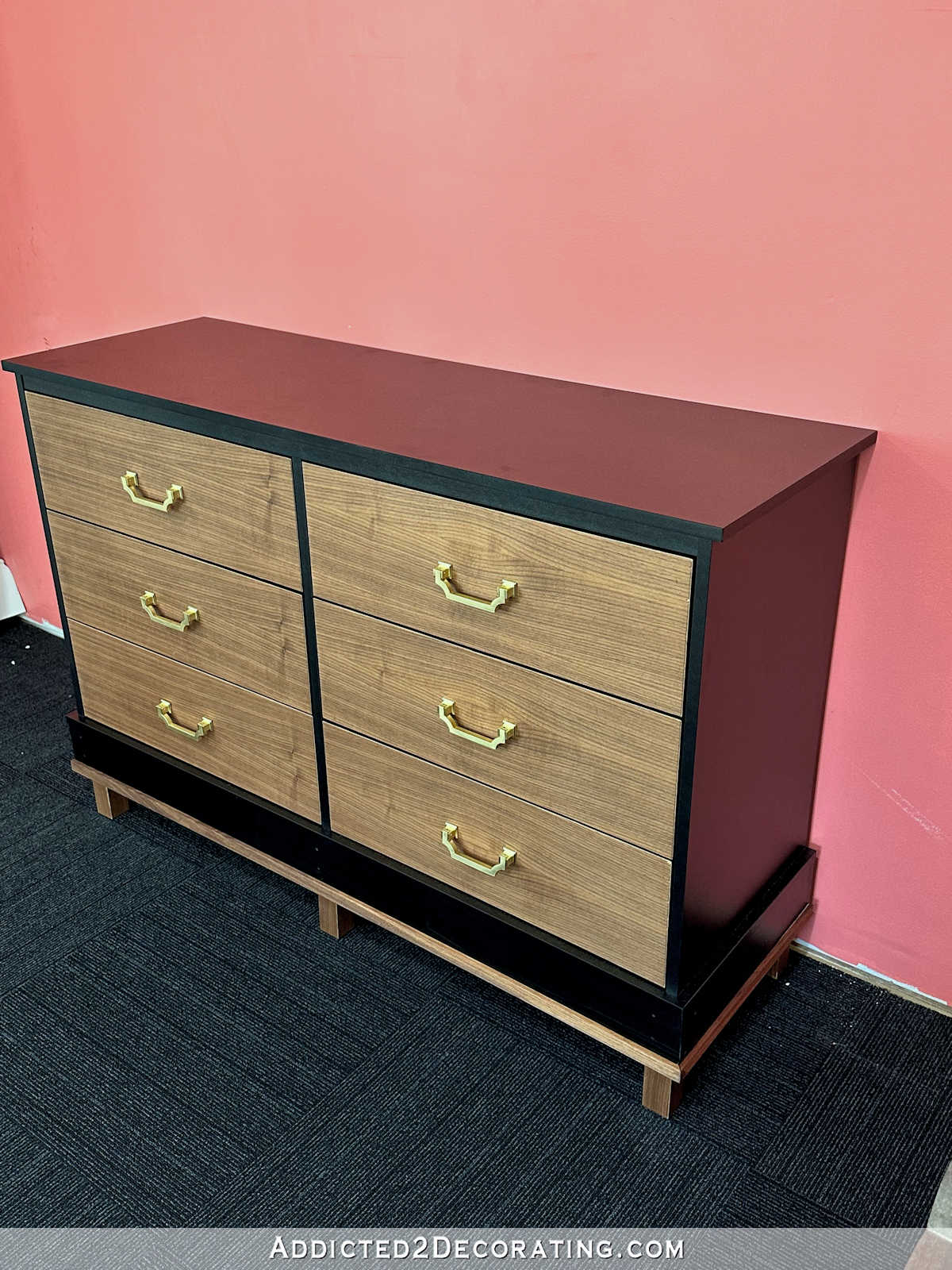
Method 1 — Replace or add taller legs
This is the cleanest and most common way to make a dresser taller. It works well for dressers with a clear apron or underside you can access.
Materials and prep:
- Measure existing legs and desired height increase.
- Buy new furniture legs rated for the dresser weight.
- Get mounting plates if your dresser needs them.
Steps:
- Empty drawers and remove the drawer boxes for lighter handling.
- Turn the dresser on its side onto a padded surface.
- Remove old legs and clean the mounting area.
- Attach mounting plates if needed using screws and a level.
- Screw the new legs into place. Tighten securely.
- Stand dresser upright and check stability. Anchor to wall if needed.
Tips from experience:
- Pick legs rated for heavy loads and solid hardwood if you plan to raise a lot.
- Use threaded plates for easy future changes. I once saved a vintage piece by switching to tapered oak legs. The dresser looked modern and stayed solid for years.
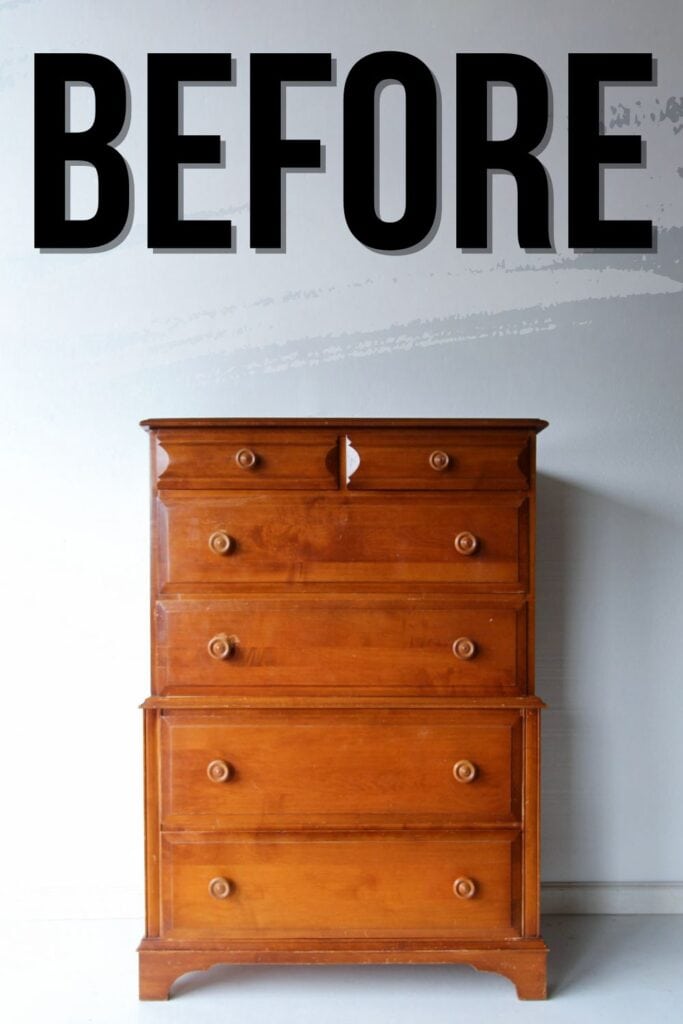
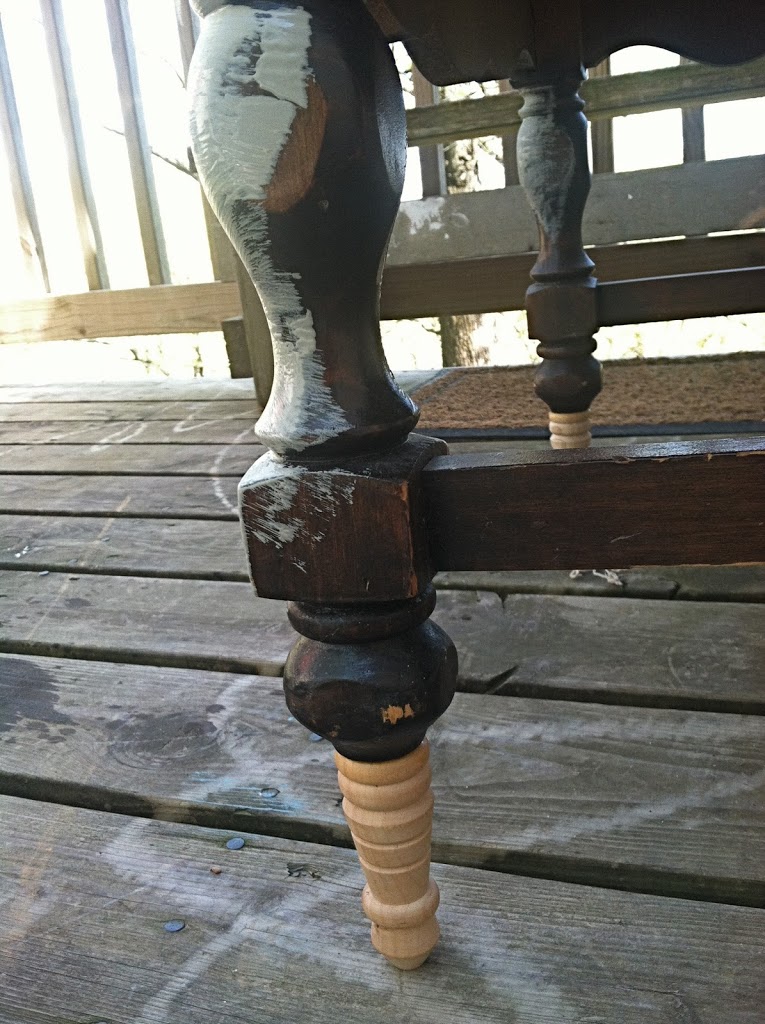
Method 2 — Use leg extenders or risers
Leg extenders are quick and reversible. They are best when you need a modest lift and minimal tools.
Materials:
- Commercial leg extenders, stacked risers, or custom-cut blocks.
- Construction adhesive or screws for a semi-permanent fit.
Steps:
- Measure leg diameter and choose extenders that fit snugly.
- Clean the leg bottoms and attach extenders per product instructions.
- If using blocks, glue and screw blocks to the underside. Use pilot holes to prevent splitting.
- Check level and test weight bearing slowly.
Personal note:
I used risers temporarily when I wanted extra mattress clearance in a guest room. They were easy to remove and didn’t damage the dresser finish when attached carefully.

Method 3 — Build a platform base
A platform gives a stable and customizable lift. It also hides structural changes and can become a design element.
Materials:
- Plywood for top and 2×4 or 2×6 frame supports.
- Wood screws, construction adhesive, corner braces.
- Trim or molding to finish the look.
Steps:
- Measure the dresser footprint and desired height.
- Build a rectangular frame with 2x lumber to match footprint.
- Attach plywood top to the frame and sand edges smooth.
- Paint, stain, or veneer the platform to match or complement the dresser.
- Place dresser on platform and anchor from underside with brackets or straps.
Why I like this:
A platform spreads the weight over a large area. In one rental project I built a stained platform and it gave a custom built-in look without drilling into the dresser.
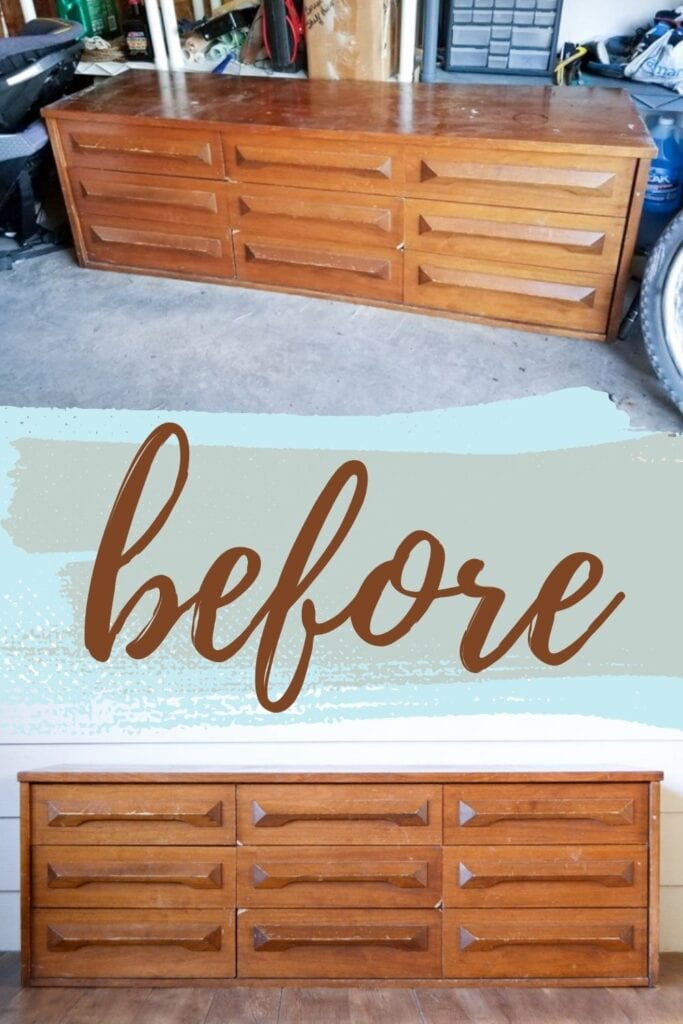
Method 4 — Stack and anchor
Stacking works for modular storage pieces or identical dressers. It’s quick but needs secure anchoring for safety.
Materials:
- Matching chest or storage cube.
- Anti-tip straps and brackets.
- Non-slip pads.
Steps:
- Place non-slip pads on the top of the lower unit.
- Center the dresser on top and confirm weight capacity.
- Attach anti-tip straps from the upper unit into studs in the wall.
- Use brackets between units for extra security if possible.
Safety tip:
Never stack without anchoring. I tested a stacked combo once and the anti-tip strap gave the needed peace of mind when kids were around.
Height, weight, and safety considerations
Making a dresser taller affects stability. Pay attention to center of gravity, floor type, and anchoring.
- Measure final height and ensure drawers still open without hitting the ceiling or window.
- Keep heavy items in lower drawers to lower the center of gravity.
- Anchor tall or raised dressers to wall studs with straps or lag bolts.
- Use wider bases or platforms to increase stability on soft floors.
- Check floor level; add adjustable feet or shims to correct wobble.
I learned to test changes gradually. After any modification, load the dresser slowly and test drawer operation and tip resistance. If it wobbles, secure it to the wall.

Finishing, paint, and matching tips
A raised dresser should look intentional. Match or complement finishes for a polished result.
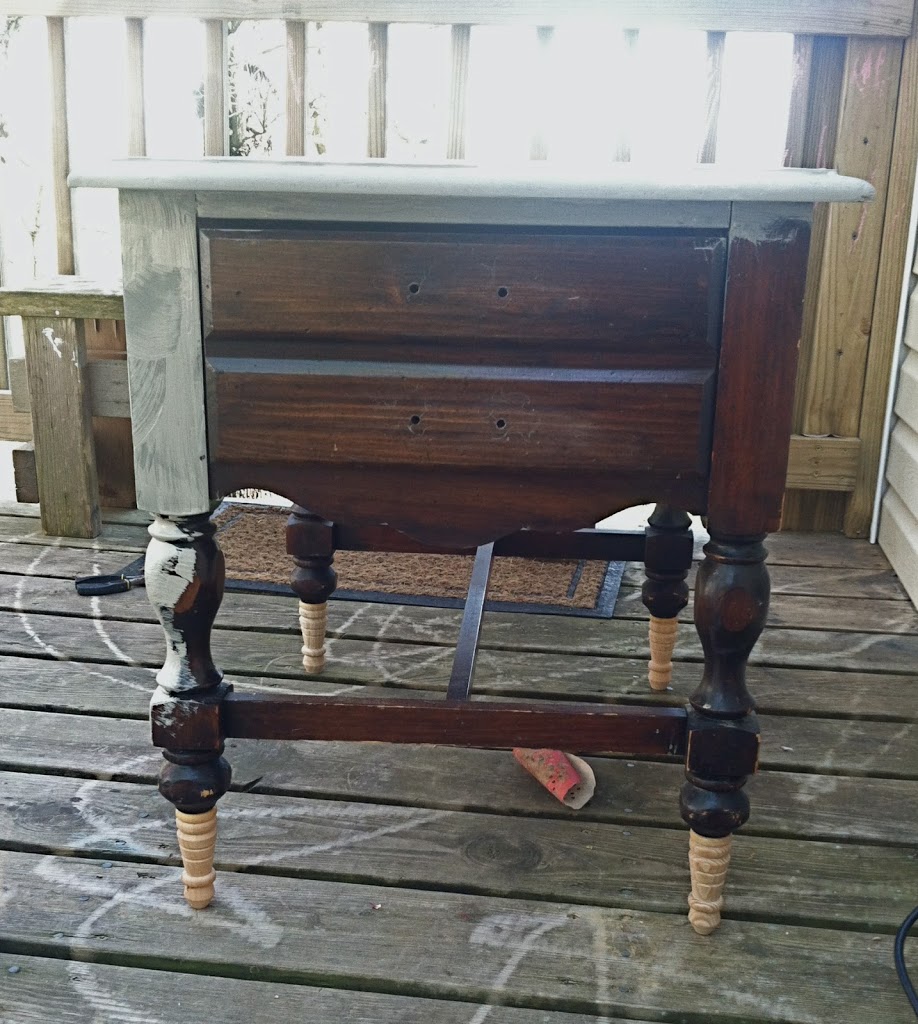
- Match wood tone by sanding and staining legs or platform to blend with finish.
- Use primer and paint on added parts if you want contrast.
- Add trim or a toe-kick to hide seams between dresser and platform.
- Consider hardware upgrades to balance new height and visual weight.
Quick rule: if the new base is visible, treat it like part of the piece and finish it to the same standard as the dresser. I once refinished added legs and replaced knobs to create a cohesive update that looked like a custom piece.
Cost and time estimates
Costs vary by method. Time depends on skill and drying times for finishes.
- New legs: $20–$150 and 1–3 hours.
- Leg extenders: $10–$50 and 30–60 minutes.
- Platform: $40–$200 and 2–8 hours plus finish drying.
- Stack and anchor: $0–$150 and 30–90 minutes.
I usually spend more time on prep and finishing than on the actual raising. Budget for anchors and hardware.
Common mistakes and troubleshooting
Avoid these pitfalls to make your project safer and neater.
- Mistake: Increasing height without anchoring. Fix: Always add anti-tip anchors on tall setups.
- Mistake: Using weak fasteners or softwood for legs. Fix: Use hardwood or metal legs rated for the weight.
- Mistake: Not checking drawer clearance. Fix: Measure drawer travel before making permanent changes.
- Mistake: Ignoring floor level. Fix: Use adjustable feet or shims for a wobble-free finish.
From experience, slow and measured work beats rushing. I once had to redo leg holes after using the wrong screw length. Measure twice, drill pilot holes, and use the right screws.
How to make a dresser taller — final decision guide
Ask these questions before you start:
- How much taller do you need the dresser to be?
- Is the dresser solid or particle board?
- Will the new look match your room style?
- Do you need the change to be reversible?
If you want a small lift, choose risers or extenders. For a permanent, stylish upgrade, replace legs or build a platform. Anchor any raised dresser to the wall for safety. These choices will guide the best method to make a dresser taller for your needs.
Frequently Asked Questions of how to make a dresser taller
What is the safest way to make a dresser taller?
The safest method is to use a wide platform or sturdy new legs and then anchor the dresser to wall studs with anti-tip straps. This lowers tip risk and spreads weight evenly.
Can I add height to a particle-board dresser?
Yes, but be careful. Use leg plates or distribute screws into solid blocks rather than the thin particle board itself.
How much taller can I safely make my dresser?
A modest increase of 4–12 inches is common and safe if you anchor the dresser. Larger increases need wider bases or professional reinforcement.
Will raising a dresser affect drawer function?
It can if drawer slides hit trim or the floor. Measure drawer travel and clearance before making permanent changes to avoid binding.
Are DIY leg replacements strong enough for heavy dressers?
Yes, if you use hardwood or metal legs with proper mounting plates and screws. Always use pilot holes and check weight ratings for peace of mind.
Do I need to hire a pro to make a dresser taller?
Not always. Simple leg swaps and risers are DIY-friendly. Complex rebuilds or structural changes may benefit from a carpenter or furniture professional.
Conclusion
Making a dresser taller is a practical way to improve storage, comfort, and room balance. Whether you choose taller legs, risers, a platform, or stacking, the keys are careful measurement, proper hardware, and secure anchoring. Try a small lift first, test stability, and finish the base to look intentional. If you enjoyed this guide, try one method on a spare piece or leave a comment with your project idea. Share your results, subscribe for more DIY tips, or ask questions below.