
Clean, repair, sand, refinish, and update hardware to revive old furniture.
You want to know how to make old furniture look new without wasting time or money. You are in the right place. I have helped restore dozens of pieces, from thrift finds to family heirlooms. In this guide, I will show you how to Make Old Furniture Look New with steps that work, simple tools, and smart tips. We will cover cleaning, repairs, sanding, painting or staining, and the small details that make a big change. Follow along, and you will feel proud of your results.

Understand the piece and set a plan
To learn how to Make Old Furniture Look New, first study the piece. Look at the wood type, age, and shape. Check for wobble, chips, peeling finish, or musty smells. Note what you love and what you want to change.
Decide on a goal. Do you want a modern look, a rustic vibe, or a clean classic style? Plan the steps before you touch a sander. This saves time and stops mistakes.
Make a quick checklist. List the tools, safety items, and budget. Set a realistic time frame, like one weekend for a dresser or two evenings for a chair.

Deep clean: the fastest glow-up
A deep clean is the fastest way to start. How to Make Old Furniture Look New. Dirt, wax, and oil hide the true color. Clean with a gentle degreaser or a mix of warm water and mild soap. Wring out the cloth so it is damp, not wet.
Use a soft brush to reach edges and carvings. Rinse with a clean, damp cloth. Dry with a towel right away. For heavy wax build-up, use mineral spirits in a well-ventilated space and wear gloves.
Deodorize drawers with baking soda or a light wipe of white vinegar. Let it air out in the sun for an hour. Light helps kill odors and mold spores.
Small repairs that change everything
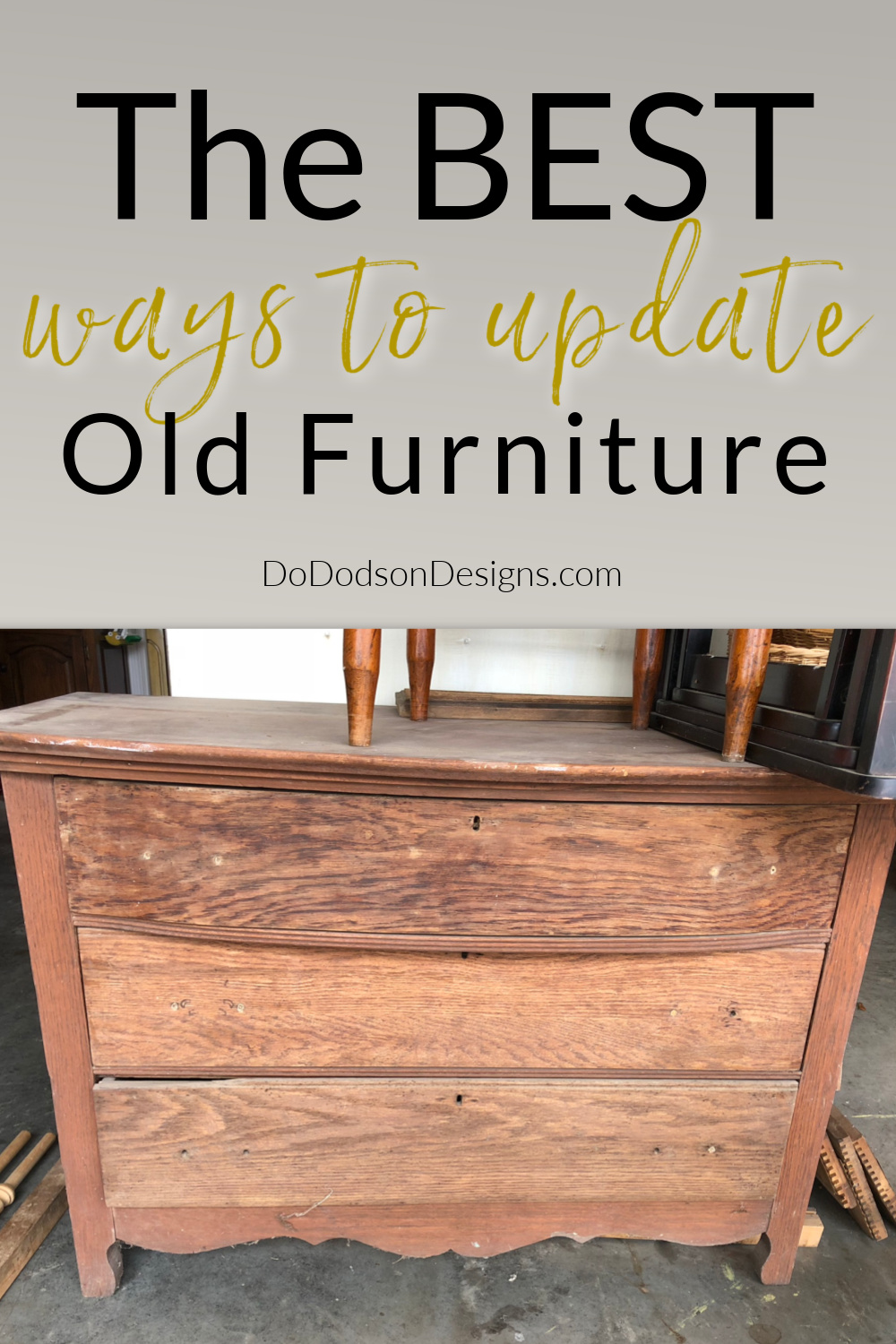
Small fixes make a big impact on how to Make Old Furniture Look New. Tighten screws and add wood glue to loose joints. Clamp where you can. Fill chips and holes with wood filler that matches the wood.
Replace missing veneer with a patch or use wood filler and sand smooth. Fix wobbly legs with corner braces on the inside. For drawers that stick, rub the runners with candle wax or a bar of soap.
Always let glue and filler cure fully. Rushing this step leads to cracks later. Patience pays off.
Sanding made simple
Good sanding is the base of How to Make Old Furniture Look New. It evens the surface and helps paint or stain stick. Start with 120 grit for most pieces. Move to 180, then 220 for a smooth touch.
Sand with the grain. Use a sanding block for flat faces. Use a foam pad or folded paper for curves. Do not over-sand edges. You can round them by mistake.
Wipe dust with a damp cloth or tack cloth. Clean dust out of joints and carvings. Dust left on the piece can ruin the finish.
Paint that looks pro
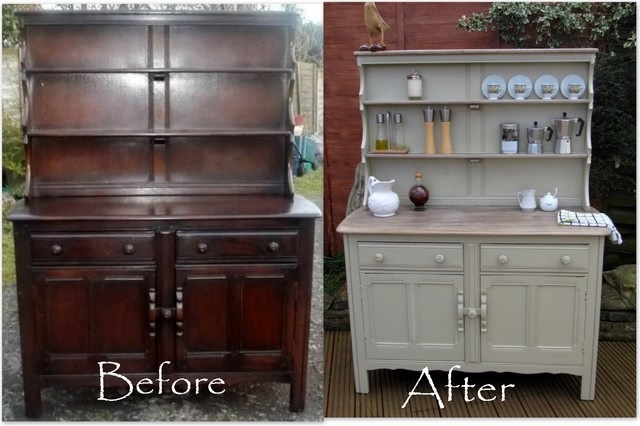
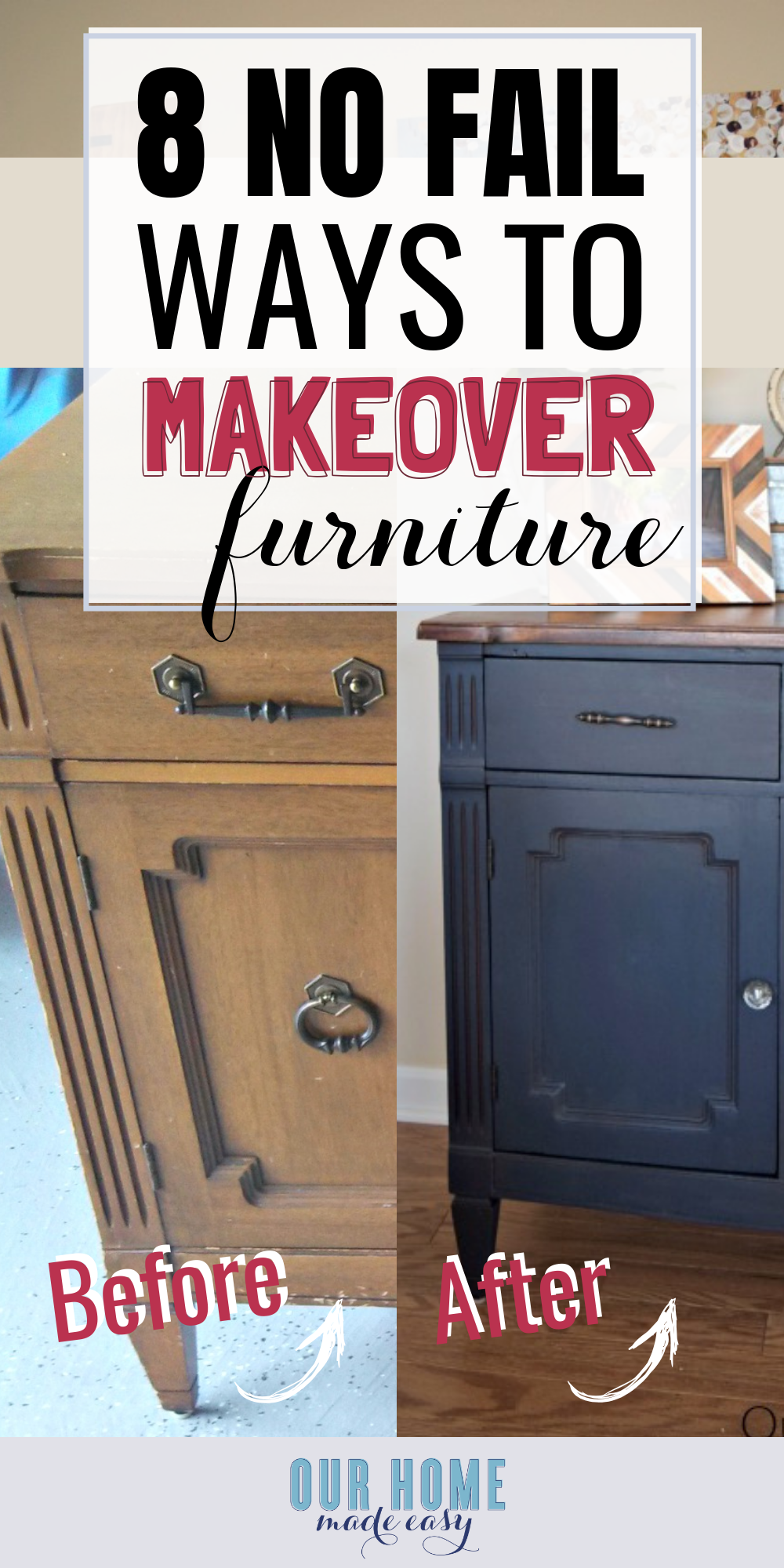
Paint can change style fast and is core to How to Make Old Furniture Look New. Use a bonding primer if the old finish is glossy. A stain-blocking primer helps stop bleed-through on old woods.
Pick a durable paint. Water-based enamel, acrylic alkyd, or cabinet-grade latex works well. They level smoothly and cure hard. Use a high-quality brush or a small foam roller. Spray if you have a clean, safe space.
Apply thin coats. Two to three coats beat one thick coat. Sand lightly between coats with 320 grit for a glass-like feel. Let the paint cure as the can says for best durability.
Stain and oil for a natural look
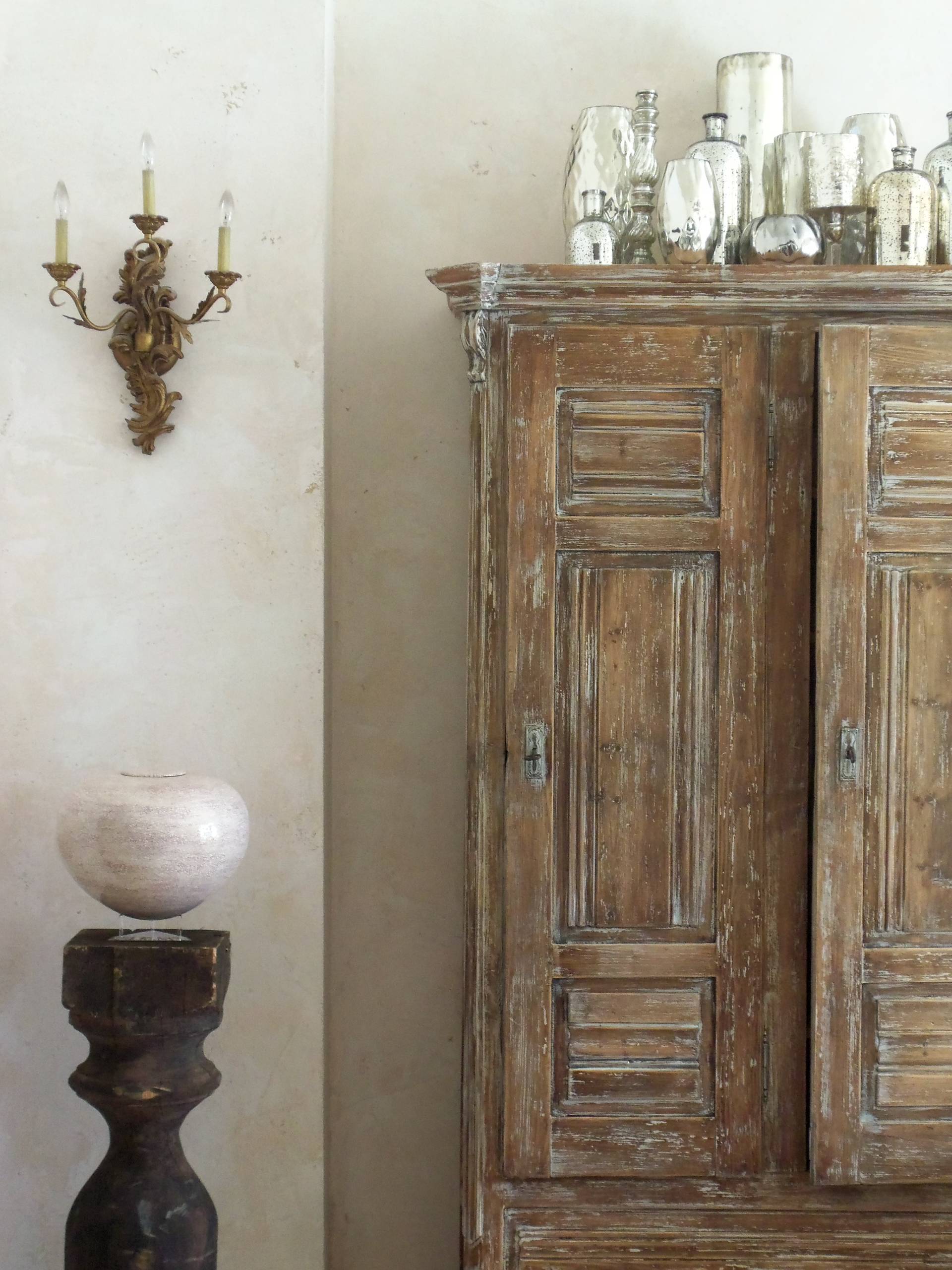
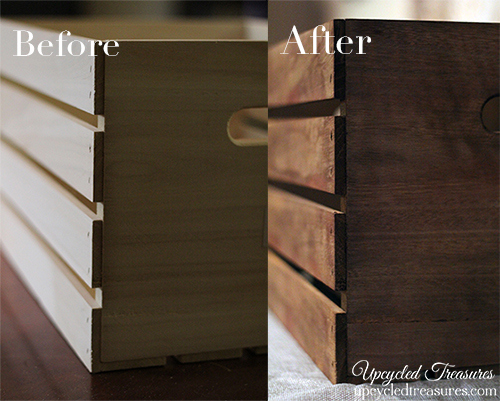
If you love the grain, staining is a smart path in How to Make Old Furniture Look New. After sanding to 220 grit, raise the grain with a damp cloth. Let it dry. Lightly sand again.
Use a pre-stain conditioner on soft woods like pine. This helps reduce blotches. Apply the stain with a cloth or brush. Wipe off the extra within a few minutes for an even tone.
Finish with a clear coat. Water-based poly dries fast and stays clear. Oil-based adds a warm tint but needs more dry time. Wipe-on oil, like Danish oil or tung oil, is easy and gives a soft glow.
Hardware, trim, and style upgrades
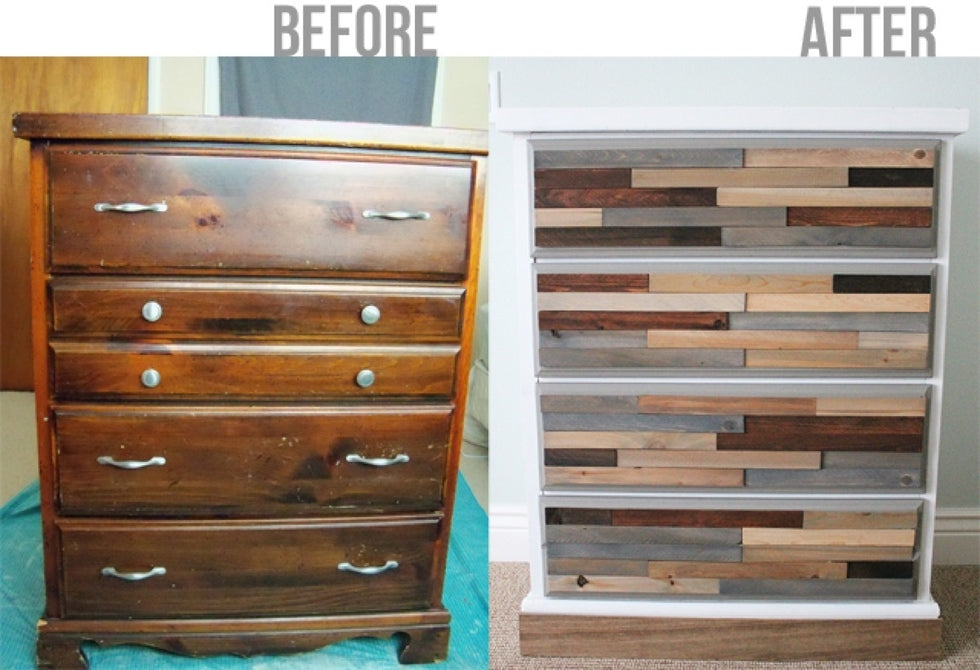
Hardware is jewelry for furniture and can anchor it. How to Make Old Furniture Look New. Swap dated knobs for clean brass, matte black, or ceramic. Match the style to the piece and your room.
Clean old hardware with a gentle metal polish. If the screws do not fit the new holes, use wood filler and drill new pilot holes. Add trim, feet, or edge banding for a custom look.
Line drawers with peel-and-stick paper for a clean surprise. It looks fresh and smells fresh too.
Upholstery refresh on a budget
Fabric can make or break How to Make Old Furniture Look New. For dining chairs, remove the seat. Add new foam if needed. Wrap with fresh fabric and staple under the seat.
For bigger pieces, try slipcovers. They fit fast and wash easily. If you reupholster a bench, keep patterns straight. Pull the fabric tight from the center out and keep the corners neat.
Use a fabric with at least medium durability. Look for tight weaves and a stain-resistant finish when possible.
Protect the finish and maintain the shine
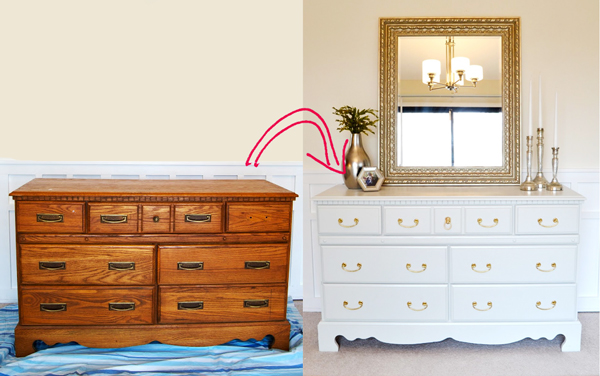
Protection is the last key step in How to Make Old Furniture Look New. For paint, use a water-based topcoat on high-touch areas. Satin hides small flaws. Gloss shows more shine but needs cleaner prep.
For stained wood, apply two to three coats of clear finish. Let each coat dry as directed. Lightly sand between coats for a smooth feel.
Set rules for care. Use coasters, felt pads under lamps, and soft cloths for cleaning. Quick care keeps the new look longer.
Cost, time, and tools checklist
Planning costs keep How to Make Old Furniture Look New on budget. Many projects cost less than a night out.
What you may need:
- Cleaner, tack cloths, and rags. These prep the surface.
- Sandpaper and a sanding block. Most use 120, 180, 220 grits.
- Primer, paint or stain, and topcoat. Pick a durable type.
- Brushes, foam rollers, and a paint tray. Good tools reduce marks.
- Wood filler, glue, clamps, and putty knife. For repairs and gaps.
- New hardware and felt pads. Small parts, big change.
- Safety gear. Mask, gloves, and eye protection.
A chair can take one evening. A dresser can take a weekend. A table with stain and poly may take several days due to dry time.
Common mistakes and how to avoid them
Avoid these pitfalls to nail How to Make Old Furniture Look New.
- Skipping prep. Paint fails if the surface is dirty or glossy.
- Thick coats. They drip and chip. Thin coats bond better.
- Bad sanding. Swirls show through the paint. Sand with the grain.
- Ignoring dry time. Finishes need time to cure hard.
- Wrong hardware scale. Tiny knobs on a big dresser look off.
If you mess up, do not stress. Let it dry. Sand smooth. Recoat thin and even.
Real-life makeover: a weekend dresser rescue
Here is a quick story that shows how to Make Old Furniture Look New in real life. I found a 1960s dresser with a yellowed finish and loose drawers. It looked tired but solid.
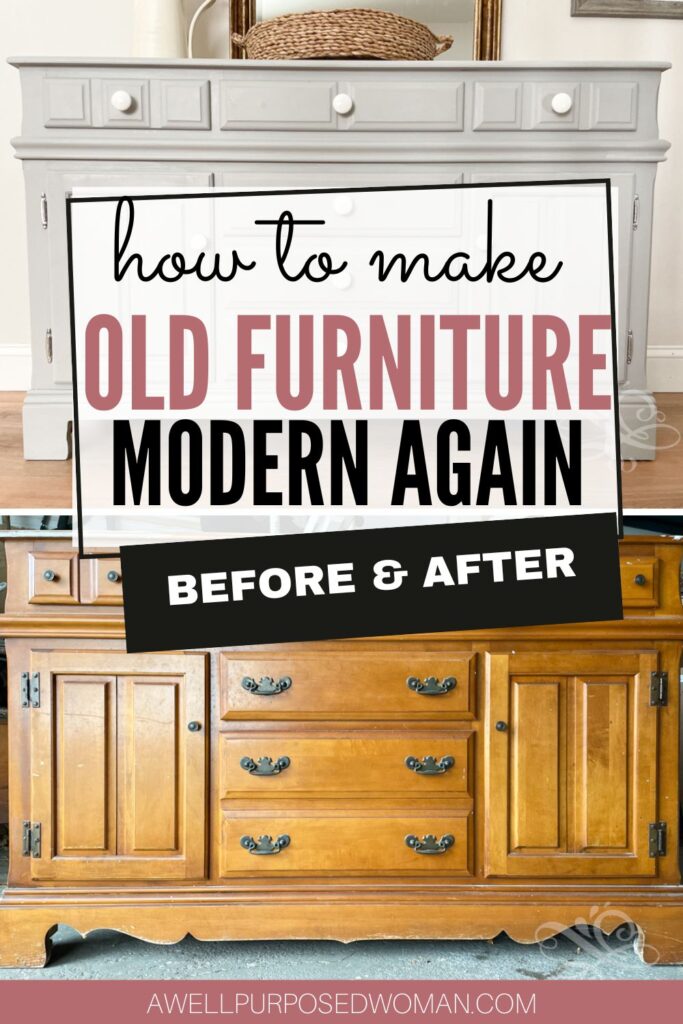
I cleaned it with a mild degreaser and fixed the runners with glue and clamps. I sanded to 220 and primed with a bonding primer. I painted the case in satin deep blue and left the drawer fronts in a warm walnut stain. New brass pulls tied it all together.
The piece now looks high-end. The total cost was under $120. Time was one weekend with dry time. It sold fast to a happy buyer.
Eco-friendly, safe, and smart refinishing
Safe steps matter when you work on How to Make Old Furniture Look New. Test for lead paint if the piece may be from before the late 1970s. Use a respirator rated for dust and fumes when sanding or finishing.
Choose low-VOC primers and paints when you can. Work with open windows and fans. Keep oily rags in a metal can with water to prevent fire risk.
Dispose of old finishes and solvents as local rules say. A safe shop keeps you and your home healthy.
Frequently Asked Questions on How to Make Old Furniture Look New
What is the easiest way to start?
Begin with a deep clean and minor repairs. This shows you what the piece needs and often gives instant results.
Should I paint or stain?
Paint hides damage and changes style fast. The stain shows off wood grain and looks rich, but needs better prep.
How do I know if I should sand to bare wood?
If the finish is peeling, stained, or uneven, sand it down. If it is sound and clean, a scuff sand and primer may be enough.
What grit sandpaper should I use?
Start with 120 for most jobs, then 180, and finish with 220. For between coats, use 320 or a fine sanding sponge.
How long should I wait between coats of paint or poly?
Follow the label, but many products need 2 to 4 hours between coats. Let the final coat cure for several days before heavy use.
How can I fix paint bleed-through on old wood?
Use a stain-blocking primer to seal tannins. Apply two thin coats if the yellowing still shows.
Is chalk paint a good choice?
Chalk paint is easy to use and sands well for a vintage look. It still needs a topcoat for durability.
Conclusion
Giving tired pieces a fresh start is simple when you follow a clear plan. You learned how to clean, fix, sand, finish, and add smart details. You now know how to Make Old Furniture Look New with steps that are safe, fast, and budget-friendly.
Pick one piece this week and try one method from this guide. Small wins build skill and confidence. Want more tips like this? Subscribe, share your results, or ask a question in the comments.


2 Comments