Use strong prep, the right tools, and safe lifts to move a heavy dresser without damage.
I have moved dozens of large dressers in homes and apartments. I know how to move a heavy dresser safely and fast. This guide shows tested steps, tools, and tips. You will learn how to plan, lift, protect, and place a heavy dresser like a pro. I share real mistakes I made and how to avoid them.

Plan and prepare before you move a heavy dresser
Moving a heavy dresser starts with a plan. A short plan saves time and prevents damage. Measure the dresser height, width, and depth. Measure doorways and stair widths too. Clear a path and remove rugs or obstacles. Decide if you will move the dresser yourself or hire help. If you hire pros, get a written quote and confirm insurance.
- Tip: Take photos of the dresser and the route. These help if damage happens later.
- Tip: Empty all drawers and tape them shut. This cuts weight and stops rattling.
- Tip: Remove knobs or mirrors to avoid breakage.
I once tried to squeeze a tall dresser through a narrow door without measuring. It got stuck. That mistake cost time and a small chip in the frame. After that, I always measure twice.

Tools and supplies you need to move a heavy dresser
Use simple tools to protect the dresser and your back. The right gear makes moving a heavy dresser easy and safe.
- Moving straps or forearm straps to share weight.
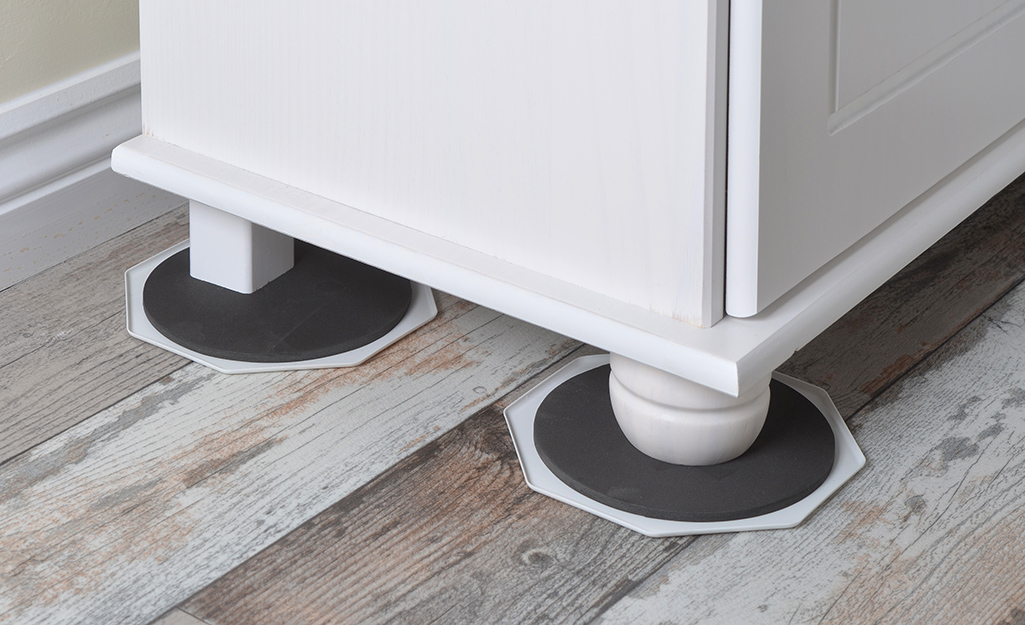
- Furniture sliders to glide the dresser across floors.
- A dolly rated for furniture weight.
- Moving blankets or thick towels for padding.
- Packing tape to secure drawers and loose parts.
- Work gloves to improve grip and protect hands.
- Socket wrench or screwdriver to remove hardware and legs.
Many pros use furniture straps or a dolly. These tools reduce strain. A dolly is best for long flat routes. Straps help on stairs or tight corners.
Step-by-step: How to move a heavy dresser safely
Follow these clear steps to move a heavy dresser without injury or damage.
- Empty and secure
- Remove all items from drawers and inside the dresser.
- Take out drawers when possible. Wrap each drawer with a blanket or tape it shut.
- Protect the dresser
- Wrap the dresser with moving blankets. Secure with tape or stretch wrap.
- Remove glass or mirrors and carry them separately.
- Lift with helpers and straps
- Position one person at each end. Use moving straps if you have them.
- Bend at the knees and keep a straight back. Lift with legs, not back.
- Use a dolly for long moves
- Tilt the dresser slightly and slide the dolly underneath.
- Secure the dresser to the dolly with a strap.
- Push slowly and keep the dresser centered on the dolly.
- Navigate doors and tight spots
- Angle the dresser to fit through doorways. Move slowly.
- Use sliders for small adjustments on hard floors.
- Set down gently
- When you reach the new spot, lower the dresser slowly.
- Refit any removed hardware and drawers.
Every time I move a heavy dresser I check the path again. A clear plan and safe lift beat speed.

Moving a heavy dresser up or down stairs
Stairs add risk. Use more caution and at least two helpers when you move a heavy dresser on stairs.
- Always face the stairs when going down. Go slow and communicate.
- When going up, the stronger person should be below to push up.
- Use furniture straps for control and balance on stairs.
- Consider disassembling tall dressers into smaller units when possible.
- If stairs are narrow or winding, hire professional movers.
I once moved a dresser down three flights with a strap and a team. We moved one step at a time and counted steps out loud. That steady pace kept us safe and steady.

Common mistakes and safety tips when you move a heavy dresser
Avoid these common errors to protect yourself and your furniture.
- Mistake: Not measuring doors and corners. This causes jams.
- Mistake: Lifting alone. Heavy dressers need at least two people.
- Mistake: Leaving drawers full. That adds unnecessary weight.
- Mistake: Using poor grip. Gloves and straps improve safety.
- Tip: Wear closed-toe shoes and gloves.
- Tip: Use moving insurance or document any existing damage.
- Tip: If you feel pain, stop and rest. Pain is a sign to change method.
I learned to stop and plan mid-move. That pause saved my back and the dresser finish.

After the move: Reassembly and placement
Once the dresser is in place, finish with care.
- Reinstall knobs, mirrors, or legs that you removed.
- Check drawers for alignment and smooth glide.
- Level the dresser on the floor with shims if needed.
- Wait before filling drawers fully. Test stability first.
I always let the item sit for a day before filling it. This helps ensure it sits level and stable.

Frequently Asked Questions of how to move a heavy dresser
How many people do I need to move a heavy dresser?
Two to three people are best for most heavy dressers. For very large or awkward pieces, get professional help.
Can I move a heavy dresser by myself?
It is risky to move a heavy dresser alone. Use a dolly and straps only for short, flat moves and when you are confident.
Should I remove drawers before I move a heavy dresser?
Yes. Removing drawers reduces weight and prevents rattling. Wrap drawers separately to protect them.
Are furniture sliders safe for all floors when moving a heavy dresser?
Sliders work well on carpet and hard floors but test a small spot first. Use thin plywood under sliders on delicate floors to avoid marks.
How do I protect my back when I move a heavy dresser?
Bend at the knees and lift with your legs. Use moving straps and a dolly to reduce strain.
When should I hire professional movers to move a heavy dresser?
Hire pros for stairs, tight corners, very heavy pieces, or when the dresser has attached mirrors. Professionals have gear and insurance to manage risk.
Conclusion
You can move a heavy dresser safely with planning, the right tools, and help. Measure first, empty drawers, use straps or a dolly, and lift with your legs. Small steps and clear communication prevent damage and injury. Try one new tip from this guide on your next move and see how much easier it feels. Leave a comment with your moving story or ask a question to get tailored advice.