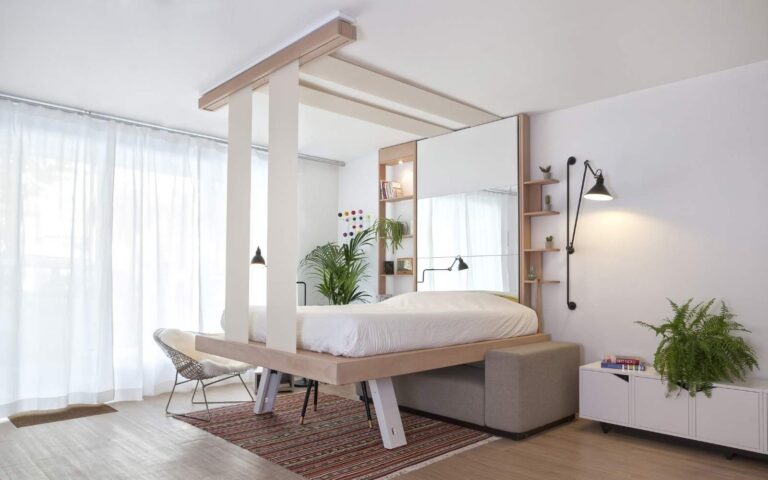
Soft whites, warm neutrals, pale blues, and light grays visually expand small living rooms.
I have spent years helping people choose paint and layouts for compact spaces. I know how color can change scale, mood, and light. This guide on Best Colors for Small Living Rooms shares proven tips, simple rules, and hands-on advice. Read on to learn which shades work, how to pair them, and easy mistakes to avoid.
:max_bytes(150000):strip_icc()/Normandy_Blue_for_Megan_Molten-2000-7c40fd3f24d64fa8a438c619ec493953.jpg)
Why color matters in small living rooms
Color changes how a room feels. Light colors reflect light and make walls seem to step back. Dark colors absorb light and can make a space feel boxed in. Choosing the right hues is one of the fastest ways to make a small living room feel larger and more calm.
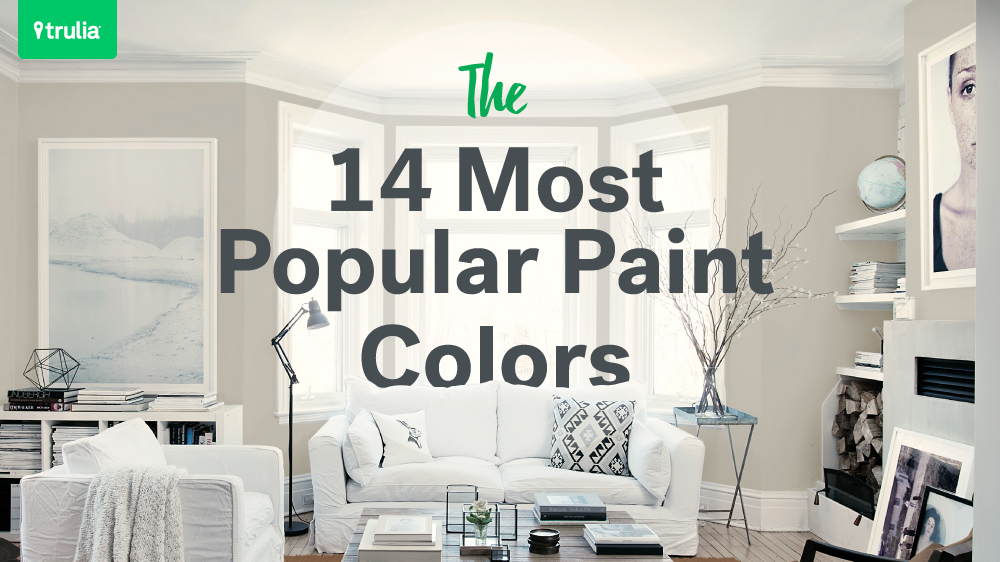
Top color choices for Best Colors for Small Living Rooms
Pick colors that boost light and open sight lines. These tones are reliable and easy to style.
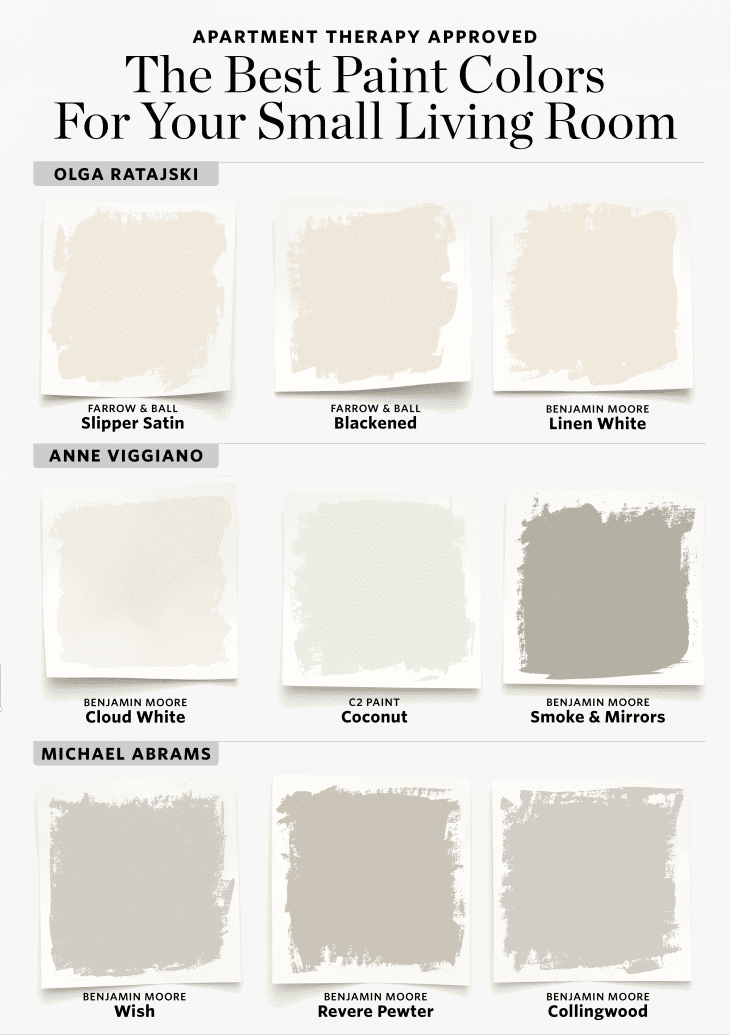
- Soft white — A crisp white opens space and brightens corners. Use warm white if your light is cool to avoid a sterile feel.
- Warm neutrals — Cream, warm beige, and light taupe add warmth without closing space. They pair well with wood and rattan.
- Pale blue — Soft sky blue gives depth and a calm vibe. It works well with white trim for contrast.
- Light gray — A pale gray modernizes while keeping rooms airy. Choose a gray with warm undertones to avoid coldness.
- Pale green — Mint or sage add a fresh, natural feel and reflect light nicely.
- Dusty blush or soft peach — Subtle warm tones can make small living rooms feel cozy and lifted when used sparingly.
Each of these Best Colors for Small Living Rooms helps create the sense of space and calm. Use one as the dominant wall color and add accents for personality.

How to choose the right shade for your room
Consider light, size, furniture, and mood. Follow these steps to pick the correct tone.
- Check natural light — Rooms with north light benefit from warmer shades; south-facing rooms handle cooler tones.
- Test large swatches — Paint big patches on the wall and view them at different times of day.
- Match undertones — If your flooring is warm wood, pick paints with warm undertones to unify the room.
- Mind the ceiling — A slightly lighter ceiling color opens the vertical plane and makes height feel greater.
From my experience, a small living room in my first apartment brightened instantly when I switched from cool beige to a warm off-white. The change was simple and cost-effective.
 finishes and trim tips for small living rooms”
style=”max-width: 100%; height: auto; border: 2px solid black; border-radius: 10px; display: block; margin: 0 auto;”
loading=”lazy”
/>
Paint finishes and trim tips for small living rooms
Finish affects light and depth. Choose finishes that flatter a compact space.
- Flat or matte on walls — Hides flaws and keeps walls soft. Use in low-traffic living rooms.
- Eggshell or satin for durability — Slight sheen adds a hint of reflection and cleans easier.
- Semi-gloss for trim and doors — Crisp trim defines edges and reflects light to frame the room.
- Paint the ceiling a shade lighter — This opens the room without high contrast.
Small finishes make a big difference. A satin trim and flat walls often read as intentional and clean in small living rooms.
:strip_icc()/cdn.cliqueinc.com__cache__posts__261477__small-living-room-paint-colors-261477-1529967324273-image.700x0c-563c056474ce48d2a6cdef2f33e5a648.jpg)
Color pairing and accent strategies
Balance calm walls with lively accents. Keep patterns simple.
- Use two to three colors — One main wall color, one trim or ceiling color, and one accent color.
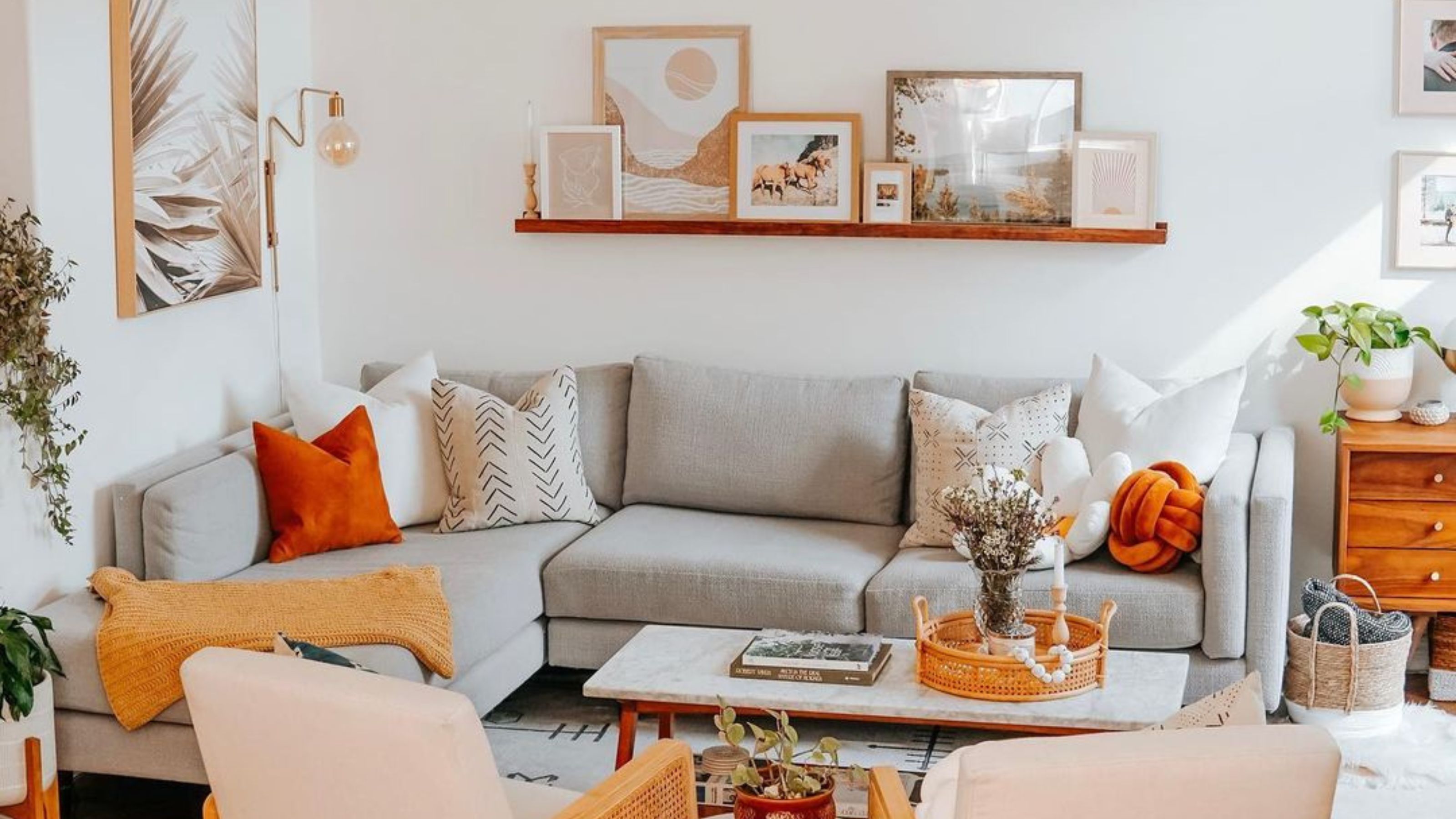
- Layer texture not pattern — Linen curtains, woven rugs, and velvet pillows add depth without visual clutter.
- Anchor with one darker element — A dark coffee table or media console gives focus without overwhelming the space.
- Use mirrors and gloss for light — Mirrors and glossy surfaces bounce light and extend sight lines.
These pairing ideas help you use the Best Colors for Small Living Rooms while keeping the space cozy and stylish.
Common mistakes to avoid
Watch out for errors that make rooms feel smaller.
- Picking colors from a small paint chip — Tiny swatches can lie; always test large areas.
- Overusing bold patterns — Too many patterns shrink a room visually.
- High contrast on every surface — Strong contrasts on walls, floors, and ceilings can chop the space.
- Forgetting the ceiling — A dark ceiling can close the room; keep it light for openness.
I once chose a deep gray for a small living room without testing it. It felt cramped until I repainted with a pale gray and added reflective accents. Lesson learned: always test.
:strip_icc()/cdn.cliqueinc.com__cache__posts__261477__small-living-room-paint-colors-261477-1529967323467-image.700x0c-d075a6a1d53448379872711739ff7600.jpg)
DIY tips and quick hacks to make small living rooms feel larger
Small changes yield big results. Try these easy hacks.
- Paint trim the same color as walls — This reduces visual breaks and widens sight lines.
- Use a single color family — Vary shades of the same color for a layered but calm space.
- Paint the ceiling a soft white — It gives an airy feel and makes the room feel taller.
- Place furniture low and away from walls — Low-profile pieces keep sight lines open and show more floor.
- Add floor-length curtains close to the ceiling — They draw the eye up and add height.
These simple moves help you get more from the Best Colors for Small Living Rooms without a major remodel.
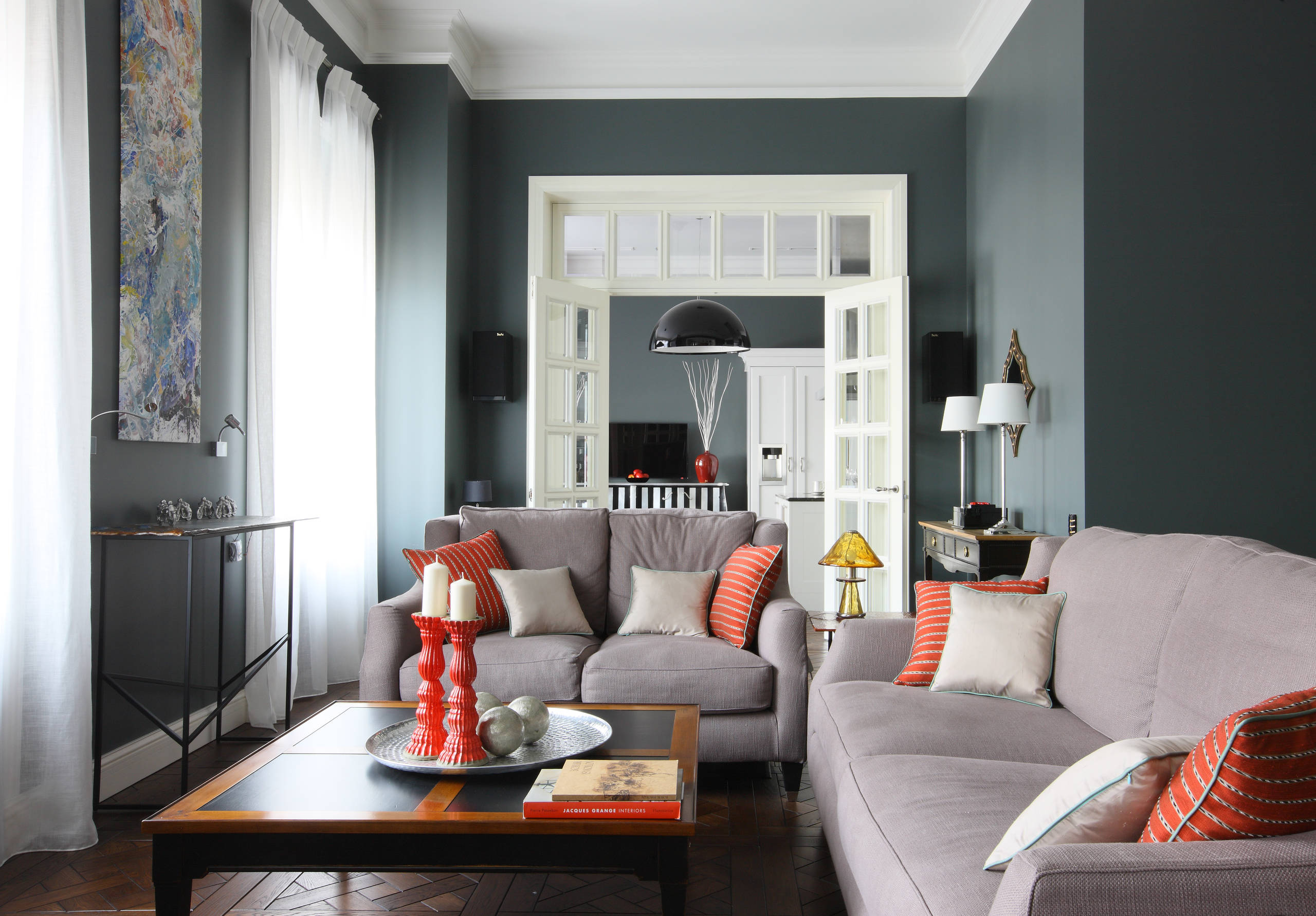
Frequently Asked Questions of Best Colors for Small Living Rooms
What is the single best paint color for a small living room?
A soft warm white is the most versatile choice. It reflects light and pairs well with most furniture and flooring.
Can dark colors work in a small living room?
Yes, dark colors can add drama if used on a single wall or in a room with ample light. Balance with light trim and reflective surfaces.
Should ceiling and trim match in a small living room?
Matching trim and wall tones can make the room feel larger by reducing visual breaks. Keep the ceiling slightly lighter to retain height.
How do I choose between warm and cool tones?
Look at your natural light and flooring. Warm light pairs nicely with warm tones, while cool light suits cooler shades for balance.
Will glossy paint make my small living room feel bigger?
Glossy paint reflects light and can add depth, but use it sparingly on trim or accents to avoid glare.
Conclusion
Choosing the Best Colors for Small Living Rooms is about light, harmony, and small design moves. Favor light, warm, and slightly cool neutrals and add one or two accents for personality. Try samples, test in real light, and use texture to layer interest. Start with a simple change today — paint a wall or swap pillows — then refine the rest. Share your results, subscribe for more tips, or leave a comment with your room details.