Vacuum firmly, shake outside, spot-clean stains, and deep-clean monthly by hand or machine.
I’ve cleaned hundreds of doormats over the years, and I’ll walk you through exactly how to clean an indoor doormat so it looks fresh and lasts longer. This guide mixes simple steps, material-specific tips, and real-life lessons I learned — all to help you keep your entryway clean without guesswork.
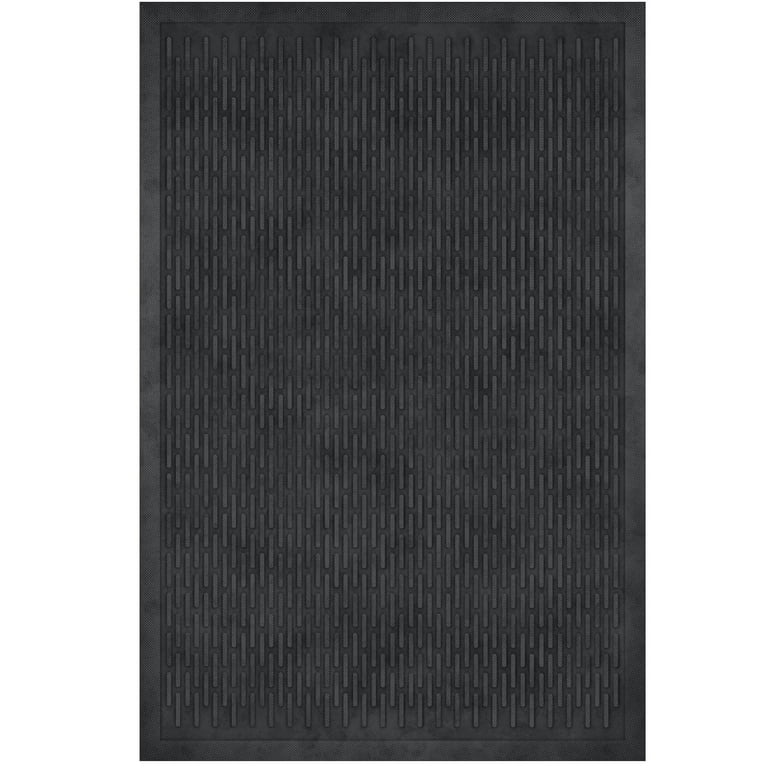
Tools and supplies you'll need
Use the right tools. They make cleaning fast and effective.
- Vacuum cleaner with brush attachment for daily cleaning.
- Stiff-bristled brush for stubborn dirt.
- Mild detergent or dish soap for spot cleaning.
- Baking soda for deodorizing.
- Bucket and warm water for hand washing.
- Washing machine (if the mat is machine-safe).
- Garden hose for rinsing outdoor-friendly mats.
- Rubber gloves and microfiber cloths for finishing touches.
Having these on hand saves time when you clean an indoor doormat. I keep a small kit by my laundry room to make quick cleanups easy.

Quick step-by-step: how to clean an indoor doormat
Follow these steps for most indoor mats. They work well for daily care and routine deep cleaning.
- Shake and beat
- Take the mat outside and shake it vigorously.
- Hang it and beat it with a broom if possible to dislodge grit.
- Vacuum thoroughly
- Vacuum both sides to remove dust and small particles.
- Use a brush attachment for looped or plush surfaces.
- Spot-clean stains
- Blot spills immediately with a clean cloth.
- Mix a teaspoon of mild detergent with a cup of water and dab the stain gently.
- Deodorize
- Sprinkle baking soda on the mat and let it sit 15–30 minutes.
- Vacuum up the baking soda to remove odors.
- Deep-clean (hand or machine)
- Hand wash: Scrub with mild soap and warm water, rinse well, and air dry flat.
- Machine wash: Use a gentle cycle and mild detergent if the label allows. Air dry only.
- Final inspection
- Check for remaining stains and repeat spot-clean if needed.
- Make sure the mat is fully dry before returning it indoors to prevent mold.
I often do a quick shake and vacuum weekly, then a deep clean monthly. These steps form the backbone of how to clean an indoor doormat effectively.
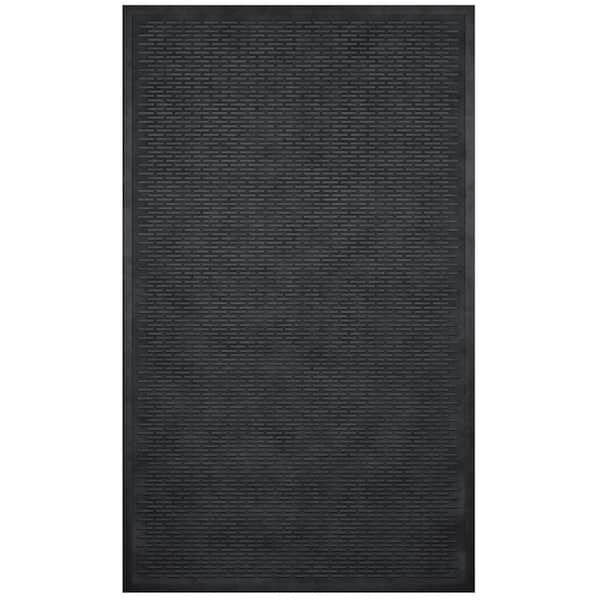
How to clean an indoor doormat by material
Different mats need different care. Always check the care label first.
-
Coir or coconut fiber mats
-
Shake and brush outside. Avoid soaking; spot clean with a damp cloth. Coir can break down if left wet for long.
-
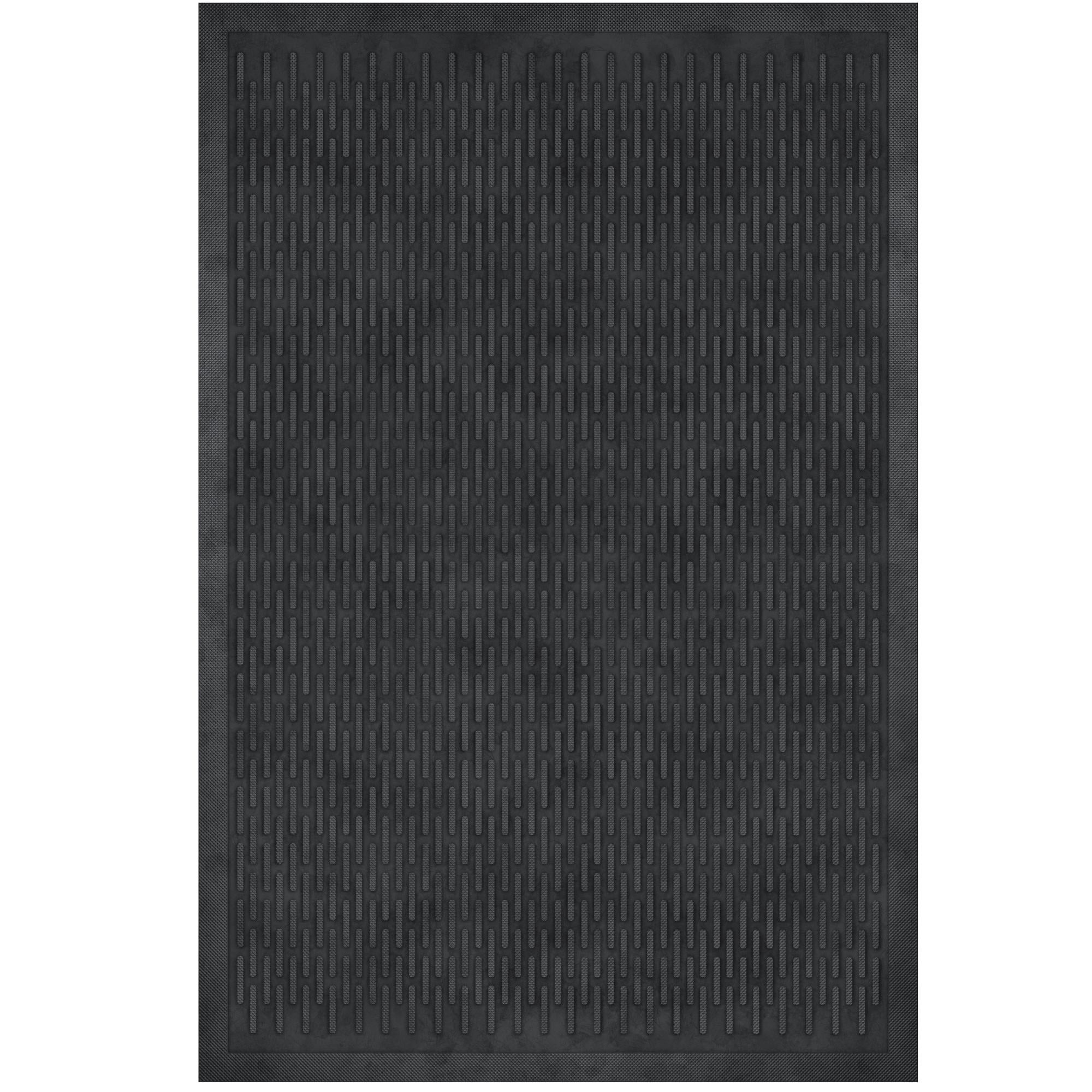
Rubber-backed or vinyl mats
-
Hose off or wipe with soapy water. Do not machine dry. Air dry with the rubber side up.
-
Cotton or fabric mats
-
Machine wash if allowed. Use a gentle cycle and air dry. For large rugs, hand wash or use a laundromat washer.
-
Synthetic fiber mats (polypropylene, polyester)
-
These are usually machine-safe. Use mild detergent and air dry to keep shape.
-
Natural fiber woven mats (jute, sisal)
-
Vacuum regularly and spot-clean only. Avoid excessive water to prevent shrinking.
In my experience, treating each mat by material prevents damage and extends life. If a mat looks delicate, err on the side of gentler cleaning.

Stain removal and troubleshooting
Stains happen. Use the right approach to remove them without harming the mat.
-
Fresh spills
-
Blot immediately. Avoid rubbing, which spreads the stain.
-
Grease or oil
-
Sprinkle baking soda to absorb oil, brush off, then clean with dish soap and warm water.
-
Mud and dirt
-
Let mud dry fully, then shake and vacuum. For stuck mud, soften with water and blot.
-
Ink or dye
-
Dab with rubbing alcohol on a clean cloth. Test on a corner first to check colorfastness.
-
Mold or mildew
-
Mix one part white vinegar to three parts water. Lightly spray, blot, and air dry in sun when possible.
A small test on an unseen spot avoids surprises. I once ruined a mat by using bleach without testing — so always test first.
Maintenance schedule and tips
A regular routine keeps a mat functional and attractive.
-
Daily
-
Shake and vacuum high-traffic mats every 1–3 days.
-
Weekly
-
Spot-clean stains and deodorize with baking soda.
-
Monthly
-
Deep-clean with hand washing or machine washing, depending on the mat.
-
Seasonal
-
Replace heavily worn mats or rotate mats to extend life.
Little habits make a big difference. For busy households, keeping a backup mat means you can deep-clean one while the other is in use.

Safety and environmental considerations
Clean smart and green. Use methods that are safe for people and pets.
- Choose mild, biodegradable detergents to reduce chemical exposure.
- Avoid bleach on natural fibers and colored mats to prevent damage and toxic fumes.
- Air dry mats flat to prevent warping and mold growth.
- Recycle or donate old mats if they are still functional. If they are worn out, check local recycling options for textiles.
I switched to fragrance-free cleaners after a household member had allergy flare-ups, and that cut complaints by half. Small changes help both health and the planet.
Frequently Asked Questions of how to clean an indoor doormat
How often should I clean an indoor doormat?
Clean daily with a shake or quick vacuum in high-traffic homes. Deep-clean the mat at least once a month for best results.
Can I machine wash any indoor doormat?
Not all mats are machine-safe. Check the care label and material; cotton and many synthetics often are, while coir, jute, and rubber-backed mats typically are not.
Will baking soda damage my mat?
Baking soda is safe for most mats and works well to remove odors. Vacuum it up thoroughly after letting it sit for 15–30 minutes.
How do I remove mildew from an indoor doormat?
Lightly spray a vinegar-water solution, blot, and let the mat dry completely in sunlight if possible. Repeat if needed and avoid harsh bleach on colored materials.
What if my mat has a non-slip rubber backing?
Avoid soaking rubber-backed mats and do not machine dry them. Wipe with soapy water and air dry rubber side down to keep the backing intact.
Can I use a carpet cleaner on my doormat?
Carpet cleaners can work on sturdy fabric mats, but test a small area first and avoid over-wetting. For delicate mats, stick to hand cleaning.
How long should I let a mat dry before bringing it back inside?
Ensure the mat is fully dry; this may take several hours to a full day. Placing it in the sun speeds drying and reduces mold risk.
Conclusion
Keeping a clean entryway is simple when you know how to clean an indoor doormat. Shake and vacuum regularly, spot-clean stains quickly, and deep-clean by hand or machine based on material. Use mild cleaners, follow a maintenance schedule, and always test methods on a corner before full treatment. Try these steps this week — pick one mat, follow the guide, and notice how much fresher your home feels. Leave a comment with your toughest mat-cleaning challenge or subscribe for more practical home care tips.