Clean fake plants by rinsing, scrubbing, and soaking in vinegar or mild bleach when needed.
I’ve cleaned hundreds of aquariums and tested many methods for how to clean fake plants in a fish tank. This guide shows safe steps, quick routines, and deep-clean methods you can trust. Read on for clear, hands-on advice to keep your aquarium healthy and your fake plants looking great.
Why you should clean fake plants in a fish tank
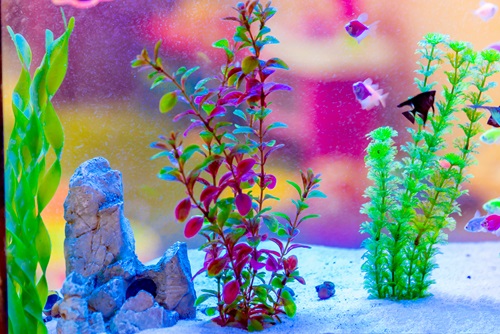
Dirty fake plants trap waste and grow algae fast. This harms water quality and looks bad. Regular cleaning keeps ammonia and nitrite low. It also prevents slimy film and fish stress.
Common risks from dirty fake plants in a fish tank
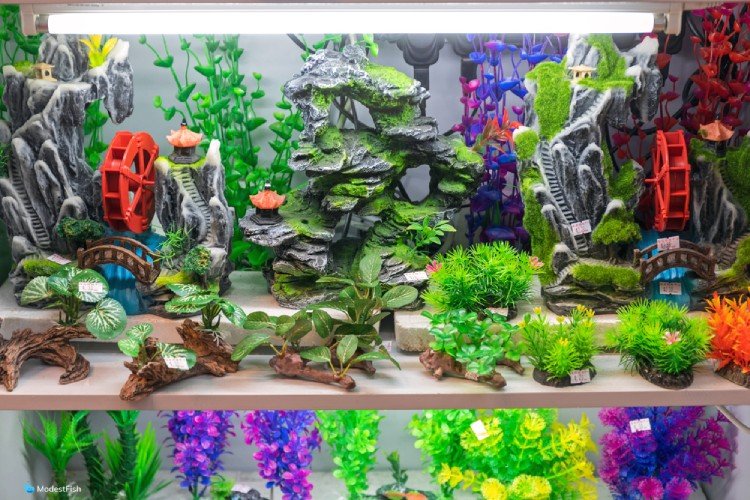
Algae can use oxygen at night and stress fish. Debris on plants raises ammonia and nitrate. Harmful bacteria can hide in crevices. Over time, ugly stains and odors appear.

How often to clean fake plants in a fish tank
How often depends on tank size, light, and bioload. A simple schedule:
- Light algae and new plants: rinse weekly.
- Moderate buildup: clean every 2 weeks.
- Heavy algae or old plants: deep clean monthly.
Watch the tank. If algae grows fast, clean more often.

Supplies you need to clean fake plants in a fish tank
- Soft toothbrush for scrubbing small areas.
- Bucket or basin reserved for aquarium use only.
- White vinegar for safe soaking.
- Household bleach for heavy disinfection (use sparingly).
- Aquarium water or dechlorinator to rinse and neutralize.
- Gloves and tongs to protect hands.
- Soft cloth for drying.

Step-by-step: How to clean fake plants in a fish tank (safe routine)
- Remove plants from the tank one at a time. Work slowly to limit stress for fish.
- Rinse under warm tap water to remove loose debris. Use the toothbrush gently.
- For light algae, soak plants in a 1:10 vinegar-to-water mix for 10–20 minutes. Rinse well.
- For heavier buildup, use a mild bleach solution (1 part bleach to 19 parts water) for 5–10 minutes. Rinse thoroughly until no bleach smell remains.
- Soak rinsed plants in bucket water with a dechlorinator for 10 minutes to neutralize any leftover chemicals.
- Return plants to the tank only after they are fully rinsed and at room temperature.
This routine balances safety and cleaning power. It keeps fish safe and removes most algae.
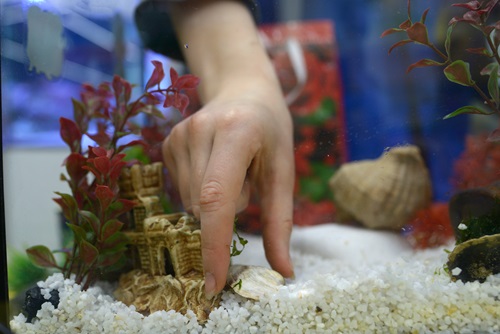
Deep clean options and safety tips for how to clean fake plants in a fish tank
Vinegar soak is safe and removes calcium, biofilm, and light algae. Use white vinegar diluted 1:10. Soak 10–30 minutes, scrub, rinse, and neutralize.
Bleach is strong. Use 1:19 bleach-to-water solution for hard stains. Soak no more than 10 minutes. Rinse with tap water and then soak in dechlorinated water for 10–20 minutes. Never add bleach directly to the tank. Use bleach only on plastic or resin. Avoid bleach on silk or delicate plants.
Hydrogen peroxide (3%) can work on spots. Use short soaks and rinse well. It breaks down into water and oxygen, so it is lower risk after rinsing.
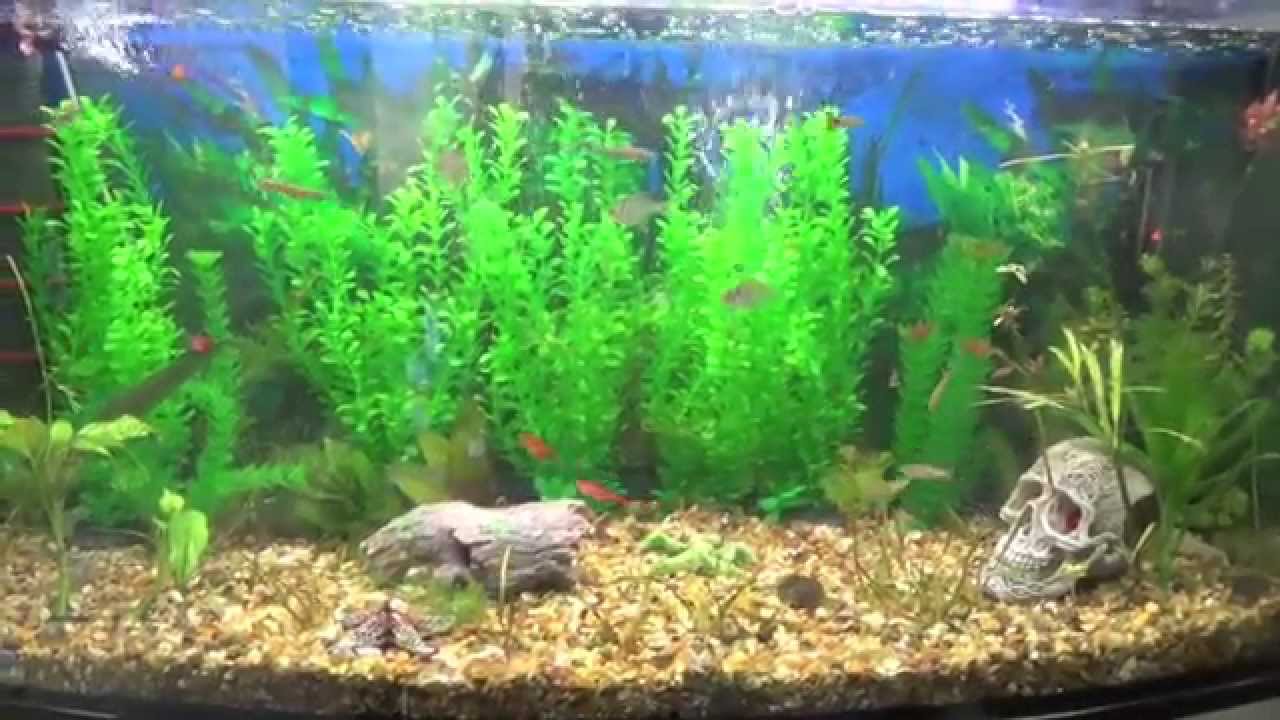
How to clean silk plants and delicate fake plants in a fish tank
Silk and fabric plants need gentle care. Do not use bleach on silk. Use warm water with a few drops of mild dish soap. Gently swish and soft-brush. Rinse many times until no soap remains. Air dry fully before returning to the tank.

Prevent algae and keep fake plants cleaner for longer
Control light. Use a timer and limit bright light to 6–8 hours daily.
Maintain good filtration and regular water changes.
Avoid overfeeding. Excess food fuels algae.
Introduce algae eaters suitable for your tank. They nibble plants and lower buildup.
Clean decorations and substrate on a schedule to reduce overall nutrients.

Common mistakes when you clean fake plants in a fish tank
- Using bleach without proper dilution and rinsing. This can kill fish.
- Not neutralizing cleaner solutions before returning plants. Residue harms water chemistry.
- Cleaning everything at once and disturbing too much beneficial bacteria.
- Using metal brushes that scratch surfaces and trap more algae later.
Personal experience and troubleshooting
I once over-bleached a plastic plant. Colors faded and fish avoided the spot. I learned to test a small piece first. Now I prefer vinegar first and reserve bleach for stubborn cases. If plants still look bad, replace them—new plastic is cheap and safer.
Frequently Asked Questions
Will cleaning fake plants in a fish tank harm my fish?
If you remove plants and clean them outside the tank, fish are safe. Always rinse well and neutralize chemicals before returning plants.
Can I use bleach to clean fake plants in a fish tank?
Yes, but only dilute bleach (1:19) and for plastic or resin. Rinse and neutralize thoroughly. Never use bleach on silk plants.
How long should I soak fake plants to remove algae?
Soak in vinegar for 10–30 minutes for light to moderate algae. Use a short bleach soak (5–10 minutes) for heavy stains, then rinse and neutralize.
Do I need to quarantine plants after cleaning fake plants in a fish tank?
If you used only vinegar and rinsed well, quarantine is not needed. If you used bleach, soak in dechlorinated water to ensure no residue remains before returning.
What is the safest method to clean fake plants in a fish tank?
A gentle scrub with warm water and a vinegar soak is the safest. It removes most buildup without strong chemicals.
Conclusion
Cleaning fake plants in a fish tank keeps water healthy and the tank attractive. Use gentle scrubs, vinegar for regular jobs, and dilute bleach only when needed. Rinse and neutralize every time. Start a simple cleaning schedule this week and watch the tank improve. Try one method, see how it goes, and share your results or questions below.