Most fire extinguishers last about 5 to 15 years when properly maintained.
I’ve worked with fire safety gear for years and I know the question how long do fire extinguishers last matters to homeowners and business owners alike. This guide breaks down real-world lifespans, maintenance steps, testing schedules, and simple checks you can do today to keep your extinguisher ready. Read on to learn how long do fire extinguishers last, when to test or replace them, and tips that save time and money.

How long do fire extinguishers last?
Answers vary by type, use, and care. Many disposable, stored-pressure dry chemical extinguishers often serve 5 to 15 years. Rechargeable models can last longer if they get regular professional maintenance and periodic testing. The exact lifespan depends on the extinguisher model, how often it’s used or handled, and whether it passes inspections and tests. Knowing how long do fire extinguishers last helps you plan service and avoid surprises during an emergency.
Types and typical lifespans
Different extinguisher types have different service lives. Below are common types and typical ranges to help you assess how long do fire extinguishers last in your home or facility.
- Stored-pressure dry chemical (ABC)
- Typical lifespan: 6 to 12 years for many models.
- Many are labeled "no maintenance required" internally but still need annual checks and possible replacement after 10–12 years.
- Rechargeable dry chemical
- Typical lifespan: 10 to 20+ years with proper maintenance and hydrostatic testing.
- Can be recharged after use and serviced by a pro.
- Carbon dioxide (CO2)
- Typical lifespan: 5 to 15 years depending on cylinder condition and testing.
- Requires periodic hydrostatic testing and visual checks for damage.
- Water and wet-chemical
- Typical lifespan: 5 to 15 years, depending on the tank and internal condition.
- Often used in kitchens or for Class A fires; follow manufacturer guidance.
Keep in mind that these are typical ranges. The key to knowing how long do fire extinguishers last is tracking the date on the unit and following the service tag.

Factors that affect how long do fire extinguishers last
Several things change an extinguisher’s usable life. Watch these to keep your equipment reliable.
- Age and manufacture date
- The simplest indicator is the manufacture or inspection date. Older units are more likely to fail.
- Type of extinguisher
- Chemical makeup, pressure type, and cylinder design affect longevity.
- Environmental exposure
- Corrosion from humidity, salt air, or chemicals shortens life.
- Physical damage
- Dents, broken handles, or leaks mean you may need to replace the unit.
- Maintenance and inspection
- Regular inspections and professional service extend life. Neglect shortens it.
- Use and discharge
- Any use, even partial discharge, requires service or recharge. This affects total lifespan.
Monitor these factors to judge how long do fire extinguishers last in your setting.
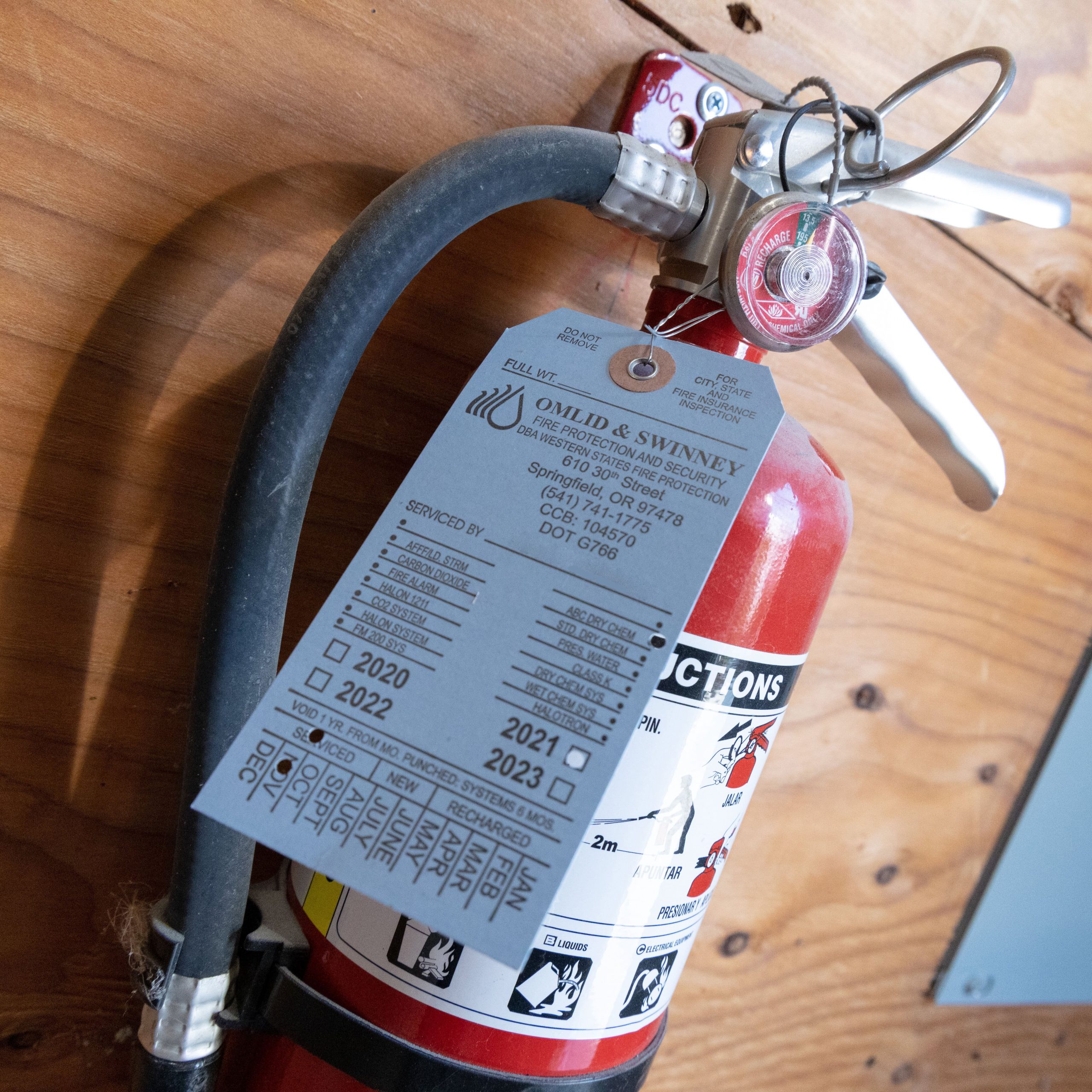
Maintenance, inspection, and testing schedule
Routine care is the most practical way to extend service life. Follow this basic schedule to know how long do fire extinguishers last for you.
- Monthly visual checks you can do
- Confirm the pressure gauge is in the green.
- Check for dents, rust, or clogged nozzles.
- Ensure the pin and tamper seal are intact.
- Verify the unit is mounted and accessible.
- Annual professional inspection
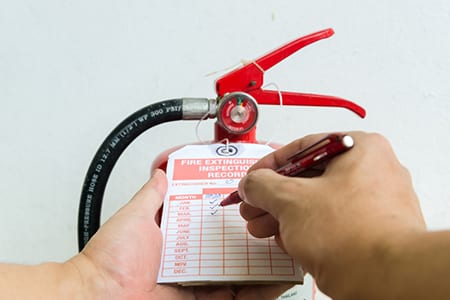
- A certified technician should inspect and tag units yearly.
- They will check internal parts, weight, and condition.
- Recharge after any use
- Recharge or replace anytime the extinguisher is used, even partially.
- Hydrostatic testing and internal maintenance
- Periodic tests are required by code for pressure vessels. Intervals often range from 5 to 12 years depending on type and regulations.
- Follow the manufacturer and local codes for exact intervals.
- Replace when needed
- Replace if the gauge is unreadable, if there is heavy corrosion, or if the extinguisher fails inspection.
Good maintenance is the central answer to how long do fire extinguishers last.
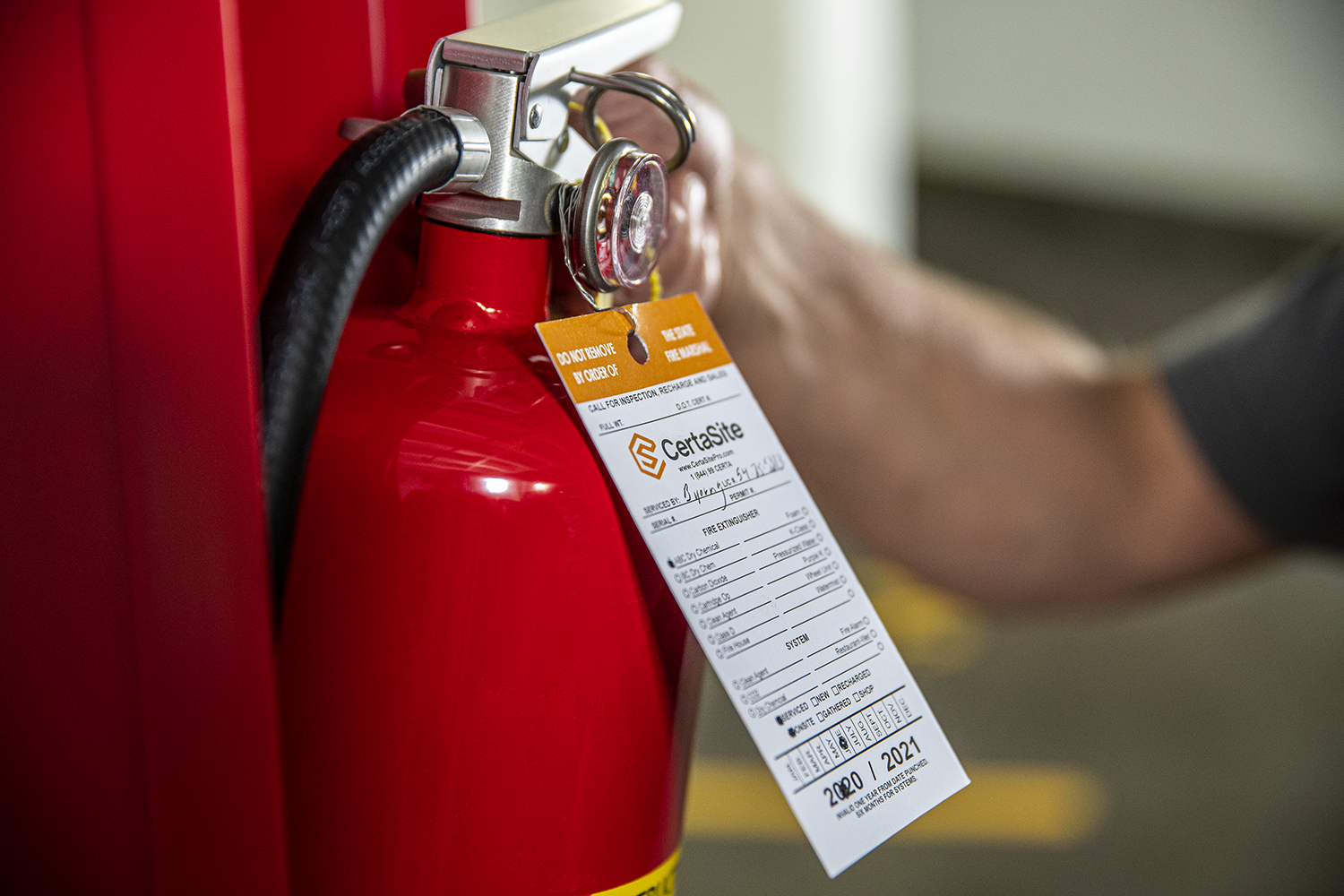
Signs you should replace an extinguisher now
Some problems mean immediate replacement. Look for these clear signs.
- The pressure gauge reads empty or shows red.
- The cylinder has severe rust, dents, or corrosion.
- The extinguisher was used and not recharged or serviced.
- The tamper seal or pin is missing and the unit looks altered.
- The unit fails a professional inspection or hydrostatic test.
When in doubt, replace it. A failed extinguisher is useless in an emergency, and that risk is not worth saving a few dollars.
Buying, storing, and choosing the right extinguisher
Choosing the right unit and storing it well helps you maximize lifespan and safety.
- Match type to risk
- Choose ABC for general use, CO2 for electrical fires, and wet-chemical for cooking oils.
- Check the manufacture and inspection dates
- Buy units with a clear date stamp and a readable service tag.
- Consider rechargeable for long-term cost savings
- Rechargeable models can be economical if you plan to maintain them.
- Proper storage
- Mount units on brackets in visible, easy-to-reach locations away from extreme heat and moisture.
- Keep a service log
- Track monthly checks and professional inspections to know how long do fire extinguishers last in real terms for your units.
Smart purchases and storage help stretch the life of your equipment.
My experience and practical tips
I’ve serviced homes and small businesses for years. I once inspected a ten-year-old extinguisher that looked fine but failed under pressure testing due to internal corrosion. That taught me to never rely on looks alone. From that day on, I learned these simple tips work best.
- Check the gauge monthly. It takes 30 seconds and finds most problems.
- Weigh units annually if the gauge is missing. A big weight drop means lost agent.
- Keep service records. It helps the technician and saves time.
- Replace a cheap disposable unit after 10 years rather than risk failure in an emergency.
These practical steps answer how long do fire extinguishers last in everyday life.
Frequently Asked Questions of how long do fire extinguishers last
How often should I check my fire extinguisher?
Check monthly with a quick visual and gauge inspection, and have a certified technician inspect it yearly. Follow instructions on the tag for any specific steps.
Do fire extinguishers expire?
Most extinguishers do not have a printed expiration date, but many models are best replaced after 10–15 years or when they fail inspection. Lifespan depends on type, use, and maintenance.
What is hydrostatic testing and when is it needed?
Hydrostatic testing checks cylinder integrity by pressurizing it to a set level. Testing intervals vary by type and code, often every 5 or 12 years, depending on the extinguisher.
Can I recharge a used fire extinguisher myself?
No. Recharge should be done by a trained professional with proper equipment to ensure safe pressure and correct agent fill.
Is a rusty extinguisher still safe to use?
Minor surface rust may be okay, but heavy rust or pitting can weaken the cylinder and requires professional evaluation or replacement.
Conclusion
How long do fire extinguishers last depends on type, care, and testing. With monthly checks, annual professional inspections, and timely hydrostatic testing, you can often keep an extinguisher serviceable for many years. Replace units that show damage, fail testing, or are past recommended service windows to keep your home and people safe. Act now: check the manufacture date and pressure gauge on your extinguisher, log the result, and schedule any needed service. Share your questions or experiences below and subscribe for more practical safety tips.